

Texturized fiberglass fabric is a type of fiberglass cloth that has undergone a texturization process to enhance its flexibility and insulation properties. It is typically made from heat-resistant fiberglass yarns that are woven into a fabric structure.
The texturization process involves subjecting the fiberglass fabric to high temperatures, causing the individual yarns to shrink and curl, resulting in a textured or crimped appearance. This texturized structure gives the fabric increased bulk, improved draping characteristics, and enhanced insulation capabilities.
what’s the benefits of texturized fiberglass fabric?
Texturized fiberglass fabric offers several benefits, including:
1. Improved flexibility: The texturization process increases the fabric’s flexibility, making it easier to handle and manipulate during installation or fabrication.
2. Enhanced insulation: The textured structure of the fabric creates air pockets, which improve its insulating properties by reducing heat transfer.
3. Increased surface area: The crimped yarns increase the fabric’s surface area, which can improve its ability to trap and hold air, enhancing its insulating performance.
4. Better abrasion resistance: The texturization process can improve the fabric’s resistance to abrasion and wear, making it more durable in various applications.
what’s the coated texturized fiberglass fabric?
Texturized fiberglass cloth is an excellent inorganic non-metallic material known for its fire resistance, high temperature resistance, good insulation properties, heat resistance, corrosion resistance, and high mechanical strength. The surface strength of uncoated texturized fiebrglass fabric is directly related to its fire resistance and price. Coated glass fiber cloth, such as silicone-coated cloth, aluminum foil cloth, high silica cloth, vermiculite cloth, polyurethane-coated glass fiber cloth, graphite-coated cloth, and calcium silicate-coated cloth, also depends on factors like strength and coating adhesion, which all contribute to the price of fire-resistant cloth.
what’s the application of texturized fiebrglass fabric?
Texturized fiberglass fabric finds applications in industries such as thermal insulation, fire protection, expansion joints, gaskets, insulation blankets, removable insulation covers, and other high-temperature environments where flexibility, insulation, and durability are required.
1. Thermal insulation: Texturized fiberglass fabric is commonly used as insulation material in high-temperature environments. It can be used to wrap pipes, ducts, and equipment to minimize heat transfer and maintain temperature stability.
2. Fire protection: Due to its fire-resistant properties, texturized fiberglass fabric is utilized in fireproofing applications. It can be employed as fire curtains, fire blankets, or protective barriers to prevent the spread of flames and provide a barrier against radiant heat.
3. Expansion joints: Texturized fiberglass fabric is used in the construction of expansion joints. It helps to accommodate movement caused by thermal expansion and contraction in structures such as bridges, buildings, and pipelines.
4. Gaskets and seals: The flexibility and heat resistance of texturized fiberglass fabric make it suitable for manufacturing gaskets and seals. It can be used in various industries, including automotive, aerospace, and manufacturing, to provide a reliable and durable sealing solution.
5. Removable insulation covers: Texturized fiberglass fabric is used to create removable insulation covers for equipment and machinery. These covers help in conserving energy, reducing heat loss, and providing personnel protection during maintenance or repair work.
6. Welding protection: The heat-resistant properties of texturized fiberglass fabric make it suitable for welding applications. It can be used as welding blankets, curtains, or shields to protect nearby objects and personnel from sparks, spatter, and heat.
7. Industrial applications: Texturized fiberglass fabric finds use in several industrial applications, including heat shields, oven and furnace insulation, filtration systems, thermal barriers, and acoustic insulation.
Contact Details
Suntex Composite Industrial Co., Ltd.
Contact Person: Mr. Jason Hu
Tel: +86 132 0712 7986

Send your inquiry directly to us
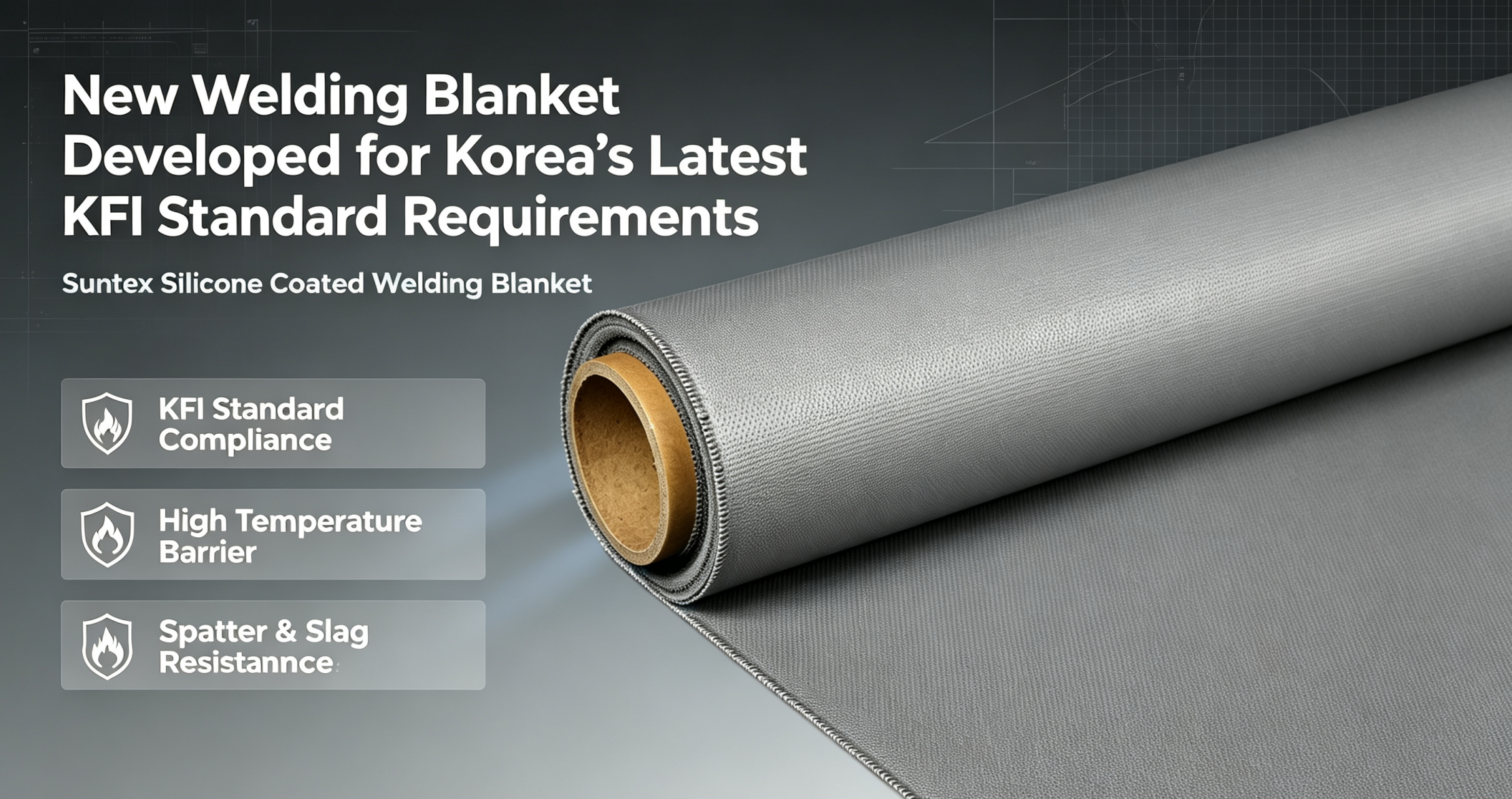
New Welding Blanket Developed for Korea’s Latest KFI Standard Requirements Suntex launches upgraded grey silicone-coated fiberglass welding blankets fully compliant with Korea’s latest KFI fire safety standards for hot work. Made of premium grey silicone coated fiberglass rolls, our blankets deliver reliable protection against welding sparks, molten slag, and high heat for welding, cutting, and […]
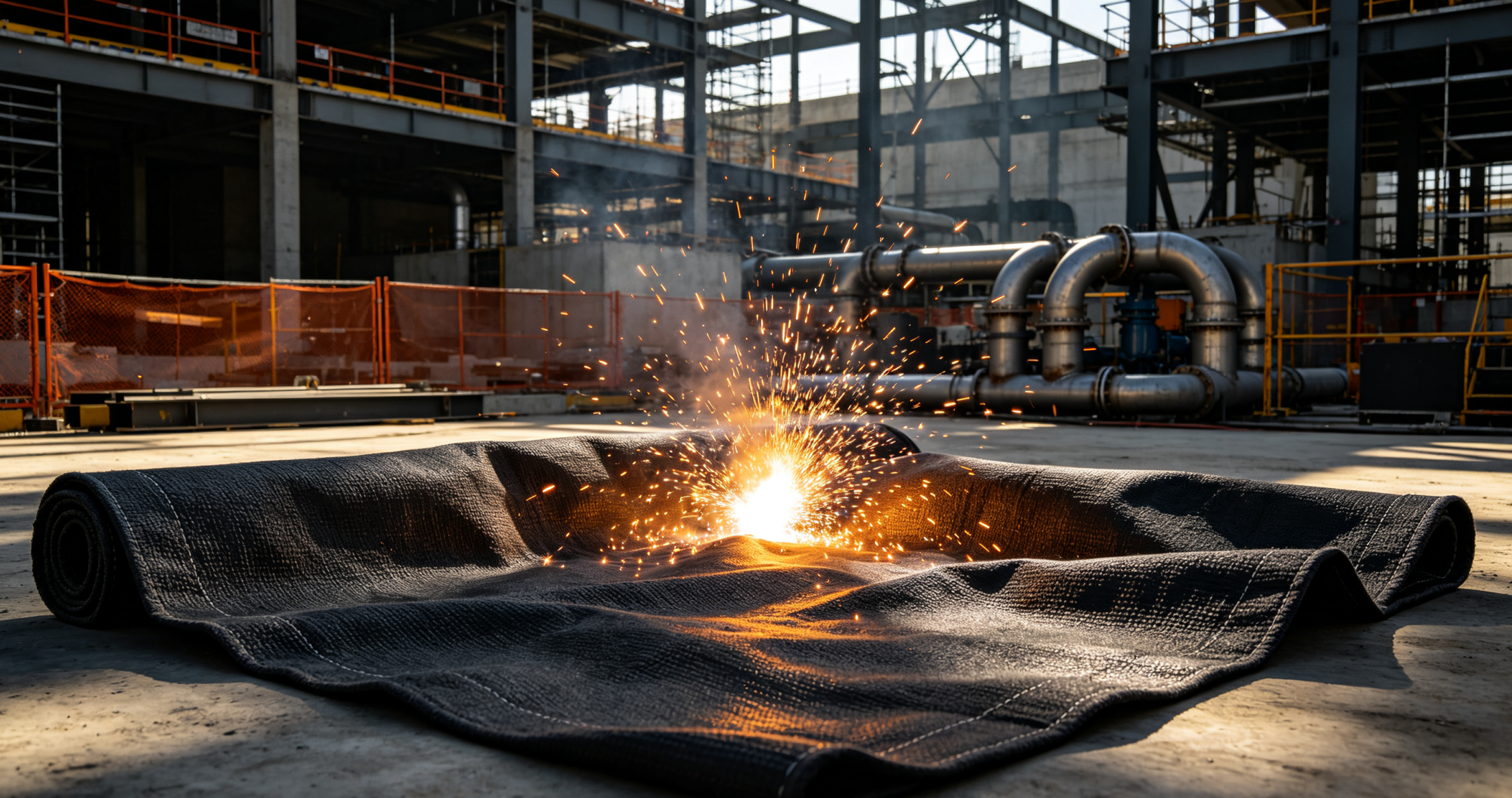
In the high-stakes environment of Japanese automotive manufacturing and precision machining, “good enough” is never enough. When a single stray spark can lead to costly downtime or compromise the integrity of automated assembly lines, the quality of your protective gear is a direct reflection of your operational safety standards. For facilities prioritizing fire prevention and […]
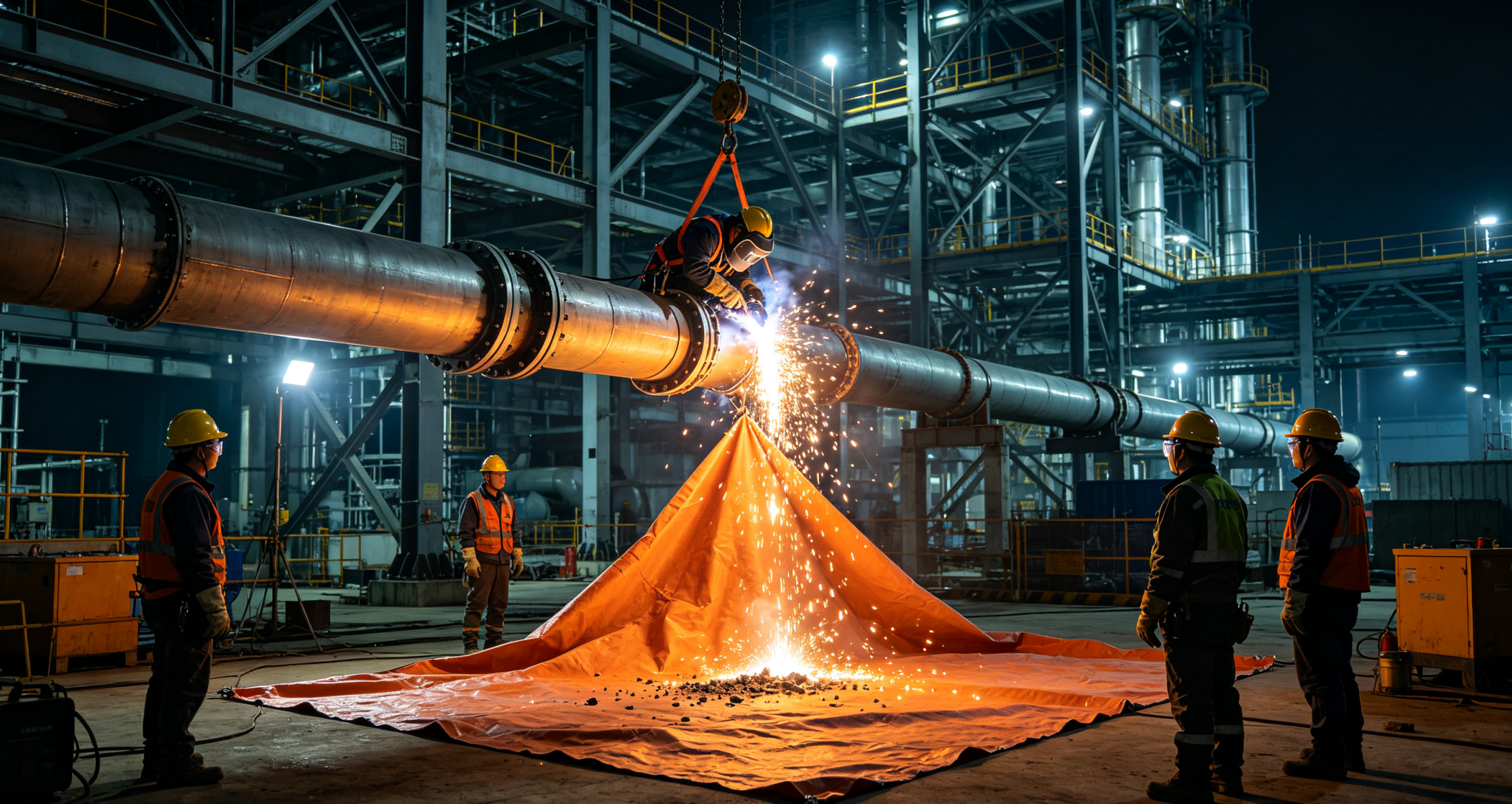
Welding sparks trigger most construction site fires. Even standardized operating procedures carry hidden risks if low-performance flame-retardant fabrics are used. Recent frequent construction fires sound alarms for hot work safety. Most welding-caused blazes stem from inadequate high-temperature slag shielding and substandard fire-resistant materials, rather than improper operation alone. Welding arcs hit over 6,000°C, with flying […]
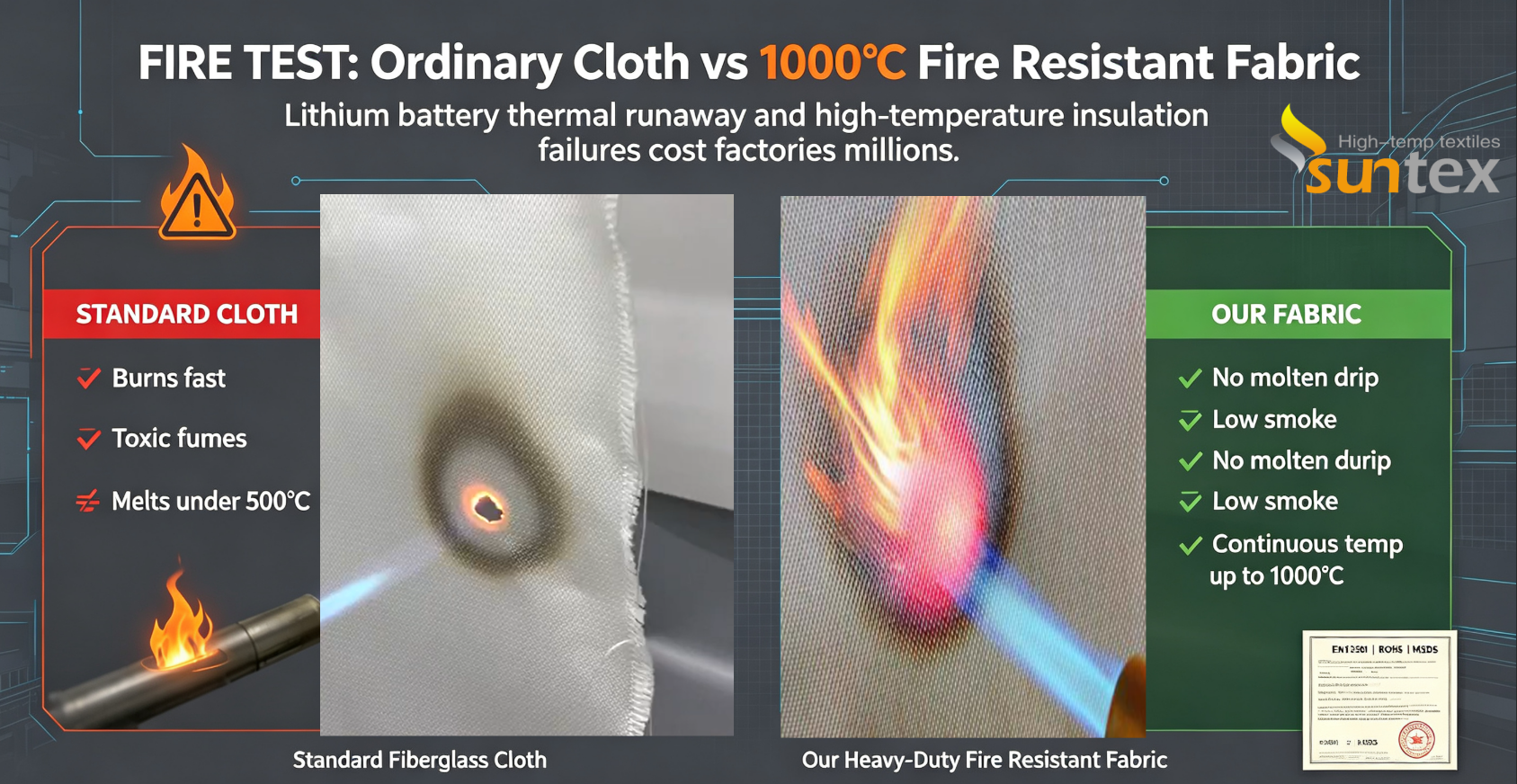
The Hidden Cost of Inferior Thermal Insulation Lithium battery thermal runaway and industrial high-temperature insulation failures frequently trigger factory fires, unplanned shutdowns and massive economic losses. Most of these accidents stem from low-performance standard insulation materials, rather than major equipment faults. Substandard fiberglass cloth fails under high heat, accelerating fire spread and causing costly industrial […]


 English
 Arabic
 Dutch
Dutch French
 German
 Italian
 Polish
 Portuguese
 Russian
 Spanish