
The fiberglass price uptrend has officially emerged in 2026. This is not a short-term fluctuation, but a long-term upward cycle driven by reshaped industry supply and demand fundamentals, with continued price growth expected. The overall industry environment is tightening, and rising raw material costs will become a sustained trend for downstream manufacturers.
The price increase is backed by solid long-term structural factors. Booming demand for AI, PCBs and advanced chip packaging has led to a severe shortage of high-end micro-fiberglass materials. With the industry maintaining a steady annual growth rate of 5%–6%, the supply-demand gap will persist in the long term.
The global fiberglass supply chain continues to tighten. Leading manufacturers, including Japan’s Nittobo, have raised prices of high-performance specialty yarns such as T-glass for AI hardware by more than 20%–30%. Meanwhile, major domestic producers, including Jushi and Taishan Fiberglass, will conduct furnace cold repairs in 2026, resulting in overall capacity reduction. Rising energy costs further reinforce the long-term upward trend of fiberglass prices.
Slight price declines in raw materials such as soda ash have only moderately eased the price increase of standard E-glass and prevented extreme price surges, but cannot reverse the overall industry trend of rising prices and tight supply.
In summary, tight supply and rising prices have become a confirmed long-term norm for the 2026 fiberglass industry. It is recommended that downstream customers optimize procurement budgets and lock material costs in advance to cope with continuous cost inflation.
Contact Details
Suntex Composite Industrial Co., Ltd.
Contact Person: Mr. Jason Hu
Tel: +86 132 0712 7986

Send your inquiry directly to us
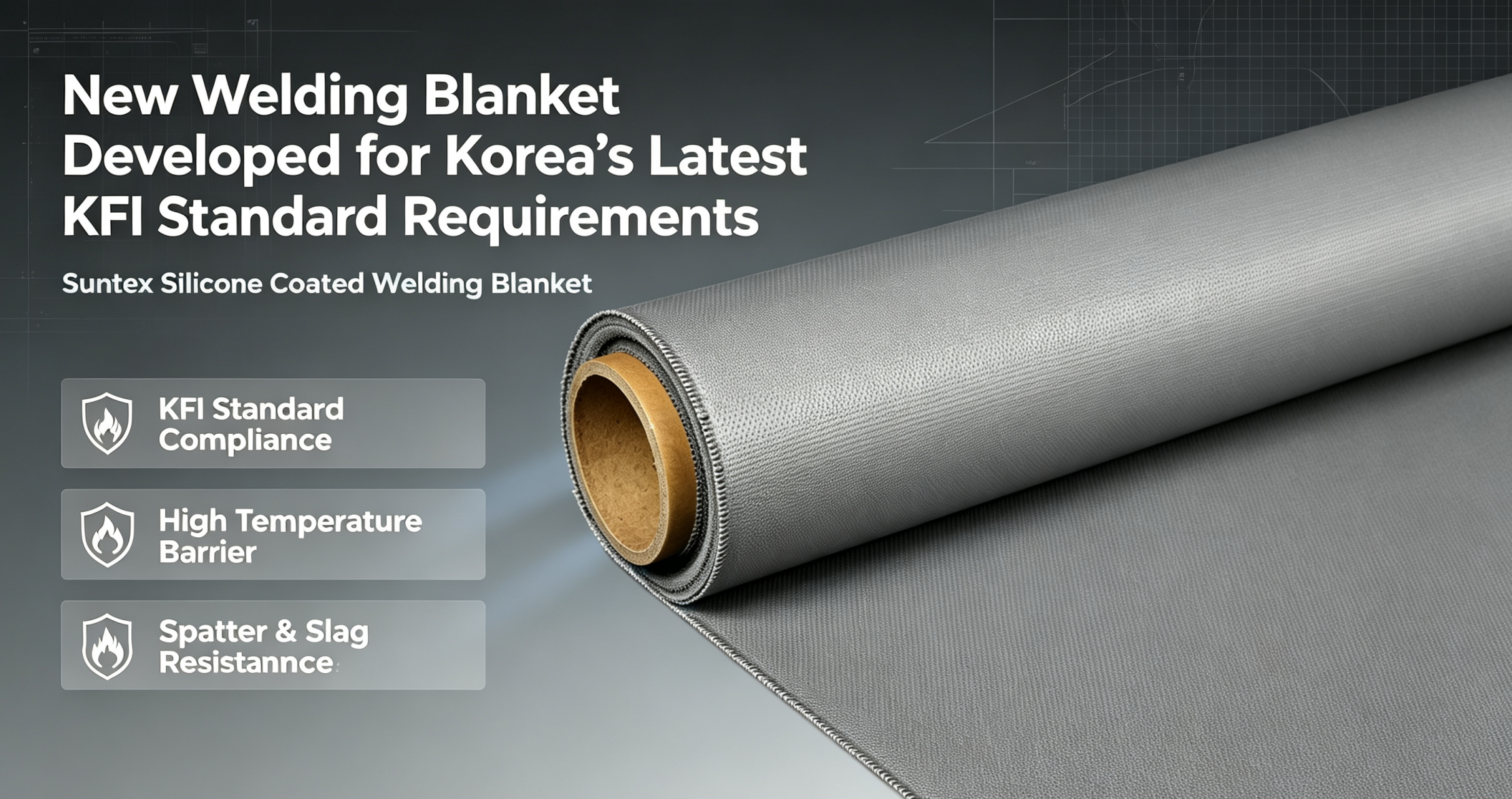
New Welding Blanket Developed for Korea’s Latest KFI Standard Requirements Suntex launches upgraded grey silicone-coated fiberglass welding blankets fully compliant with Korea’s latest KFI fire safety standards for hot work. Made of premium grey silicone coated fiberglass rolls, our blankets deliver reliable protection against welding sparks, molten slag, and high heat for welding, cutting, and […]
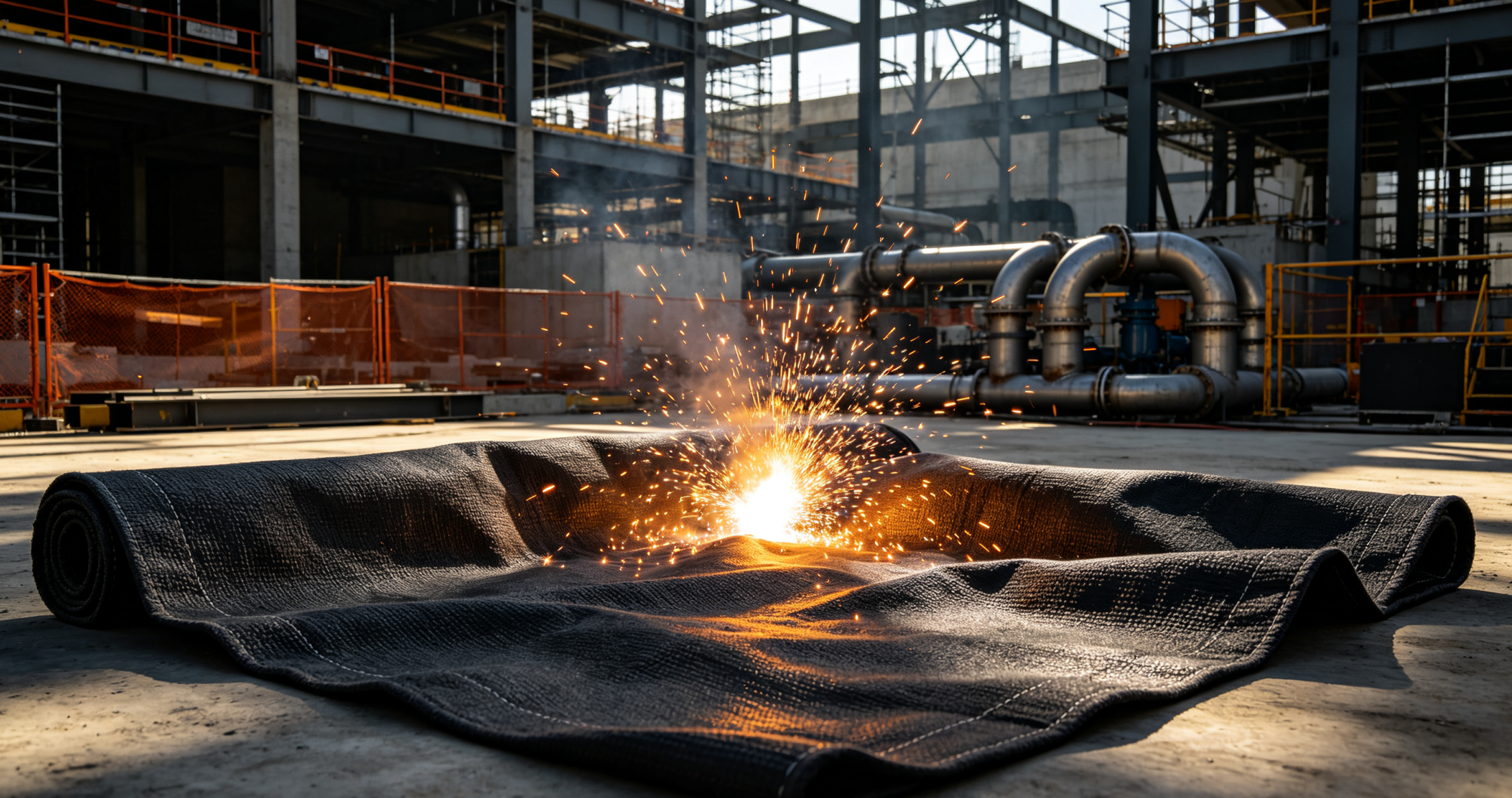
In the high-stakes environment of Japanese automotive manufacturing and precision machining, “good enough” is never enough. When a single stray spark can lead to costly downtime or compromise the integrity of automated assembly lines, the quality of your protective gear is a direct reflection of your operational safety standards. For facilities prioritizing fire prevention and […]
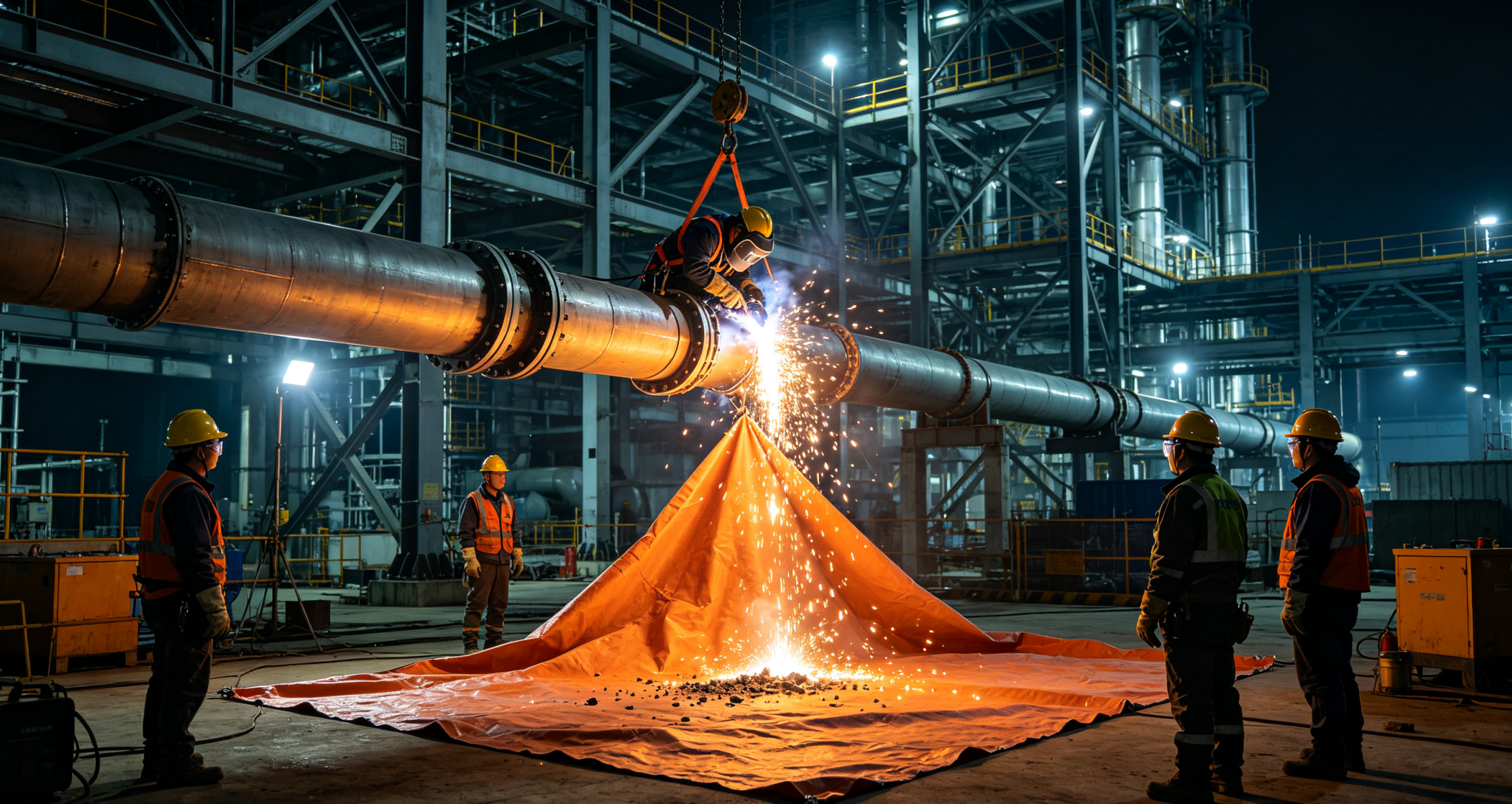
Welding sparks trigger most construction site fires. Even standardized operating procedures carry hidden risks if low-performance flame-retardant fabrics are used. Recent frequent construction fires sound alarms for hot work safety. Most welding-caused blazes stem from inadequate high-temperature slag shielding and substandard fire-resistant materials, rather than improper operation alone. Welding arcs hit over 6,000°C, with flying […]
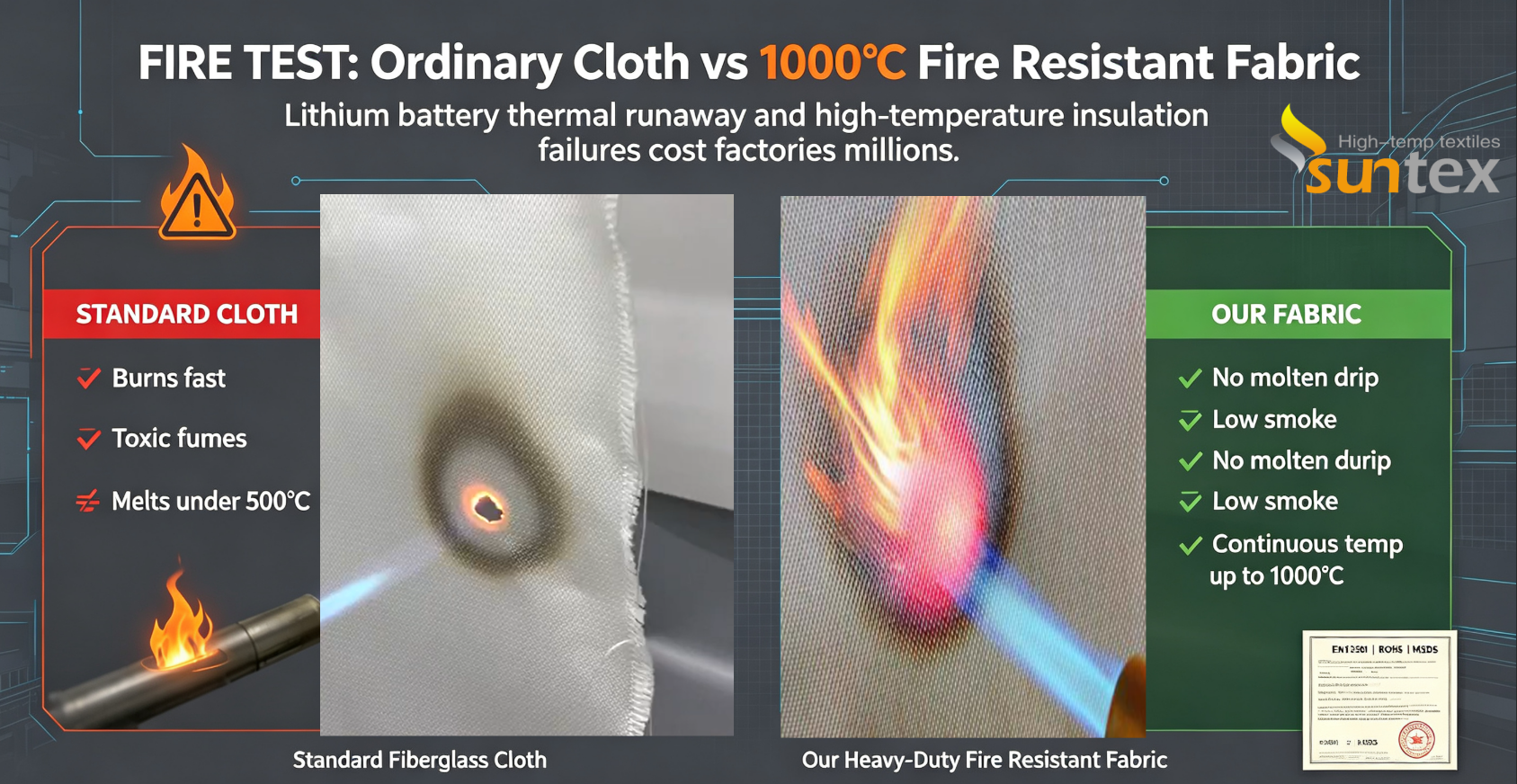
The Hidden Cost of Inferior Thermal Insulation Lithium battery thermal runaway and industrial high-temperature insulation failures frequently trigger factory fires, unplanned shutdowns and massive economic losses. Most of these accidents stem from low-performance standard insulation materials, rather than major equipment faults. Substandard fiberglass cloth fails under high heat, accelerating fire spread and causing costly industrial […]


 English
 Arabic
 Dutch
Dutch French
 German
 Italian
 Polish
 Portuguese
 Russian
 Spanish