
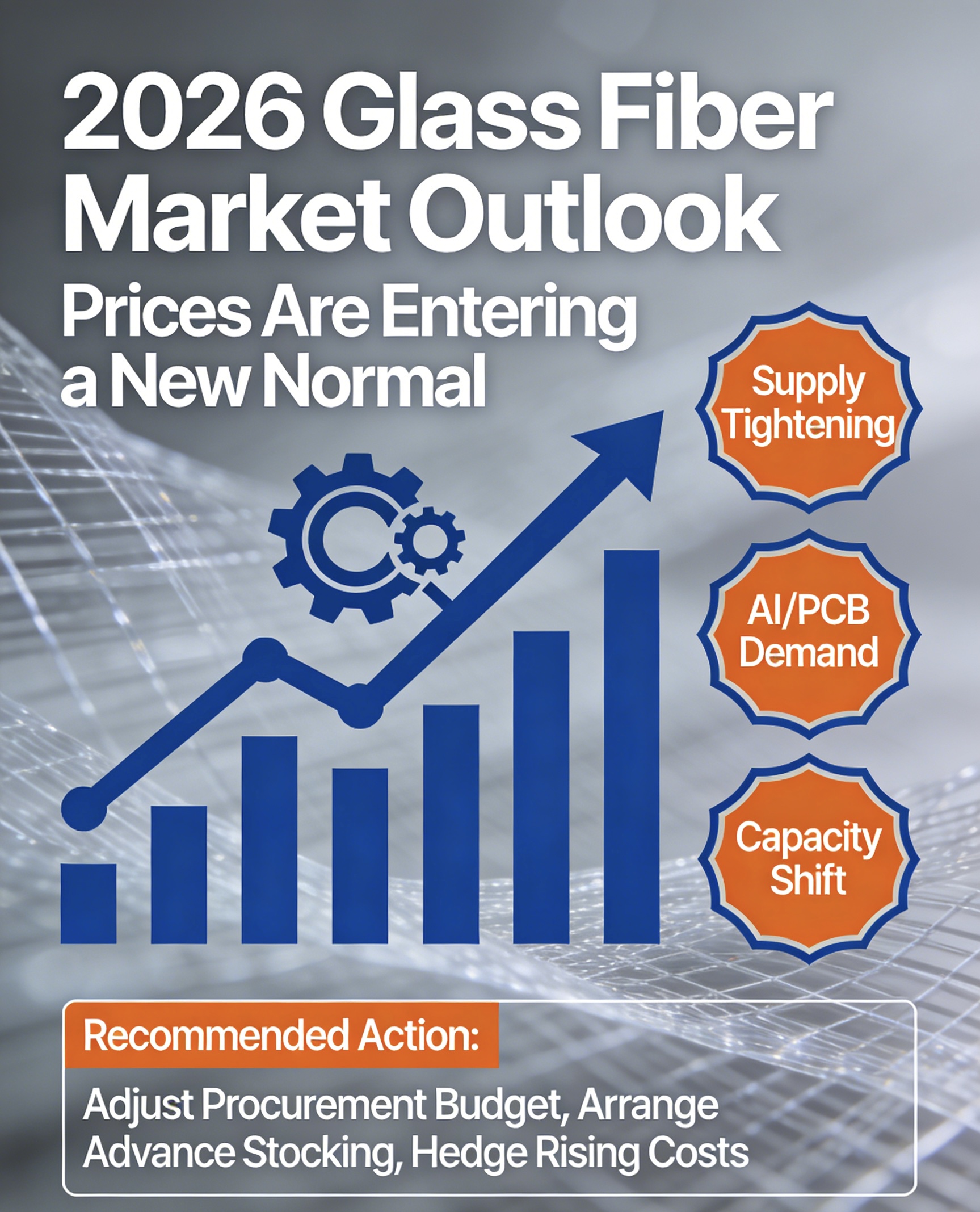
2026 Global Fiberglass Industry Analysis: Sustained Price Inflation Becomes Industry Norm, Strategic Forward Procurement Imperative
As a specialized manufacturer of fire-retardant fiberglass fabrics, we issue this official forward-looking market advisory for all long-term strategic partners. Driven by tightening global supply fundamentals, continual industry-wide price hikes are projected for 2026. We recommend that downstream stakeholders optimize procurement budgets and deploy proactive inventory planning in advance to mitigate cost escalation risks and hedge against imminent supply deficits.
The current round of fiberglass price appreciation is backed by long-term structural industry dynamics. Robust demand expansion across AI infrastructure, PCB fabrication, and advanced semiconductor packaging sectors has triggered acute supply shortages of high-end micro-fiberglass yarn. A large volume of melting and spinning capacity has been reallocated to electronic-grade high-end fiberglass products, which substantially squeezes the supply quota for general-purpose industrial and fireproof-grade fiberglass materials. Supported by a stabilized annual industry growth rate of 5%-6%, the cross-segment supply-demand imbalance will remain a long-term industry pattern.
Global fiberglass supply chains face increasing risks of contraction. Japan-based premium fiberglass supplier Nittobo has announced a 20%-30% price increment on high-performance T-glass and AI-dedicated specialty fiberglass yarns. Furthermore, leading domestic manufacturers Jushi Group and Taishan Fiberglass have scheduled furnace cold overhaul works across 2026, which will cut aggregate operational capacity and trigger periodic supply bottlenecks. Sustained rising comprehensive energy costs further consolidate the upward pricing support for the entire fiberglass product portfolio.
Marginal price corrections of upstream raw materials represented by soda ash only deliver a limited easing effect on the pricing pressure of conventional E-glass products. Such minor raw material downturns can merely curb extreme price spikes, yet fail to reverse the prevailing industry trend of tightening supply and climbing product quotations.
In summary, elevated pricing and constrained material supply will be the norm for the 2026 global fiberglass marketplace. We advise all clients to iterate long-term procurement frameworks and lock in material costs via strategic forward stocking. Our facility will maintain stable, standardized production and guaranteed on-time shipment capability to collaborate closely with global partners to address market volatility and secure sustainable bilateral development.
Contact Details
Suntex Composite Industrial Co., Ltd.
Contact Person: Mr. Jason Hu
Tel: +86 132 0712 7986

Send your inquiry directly to us
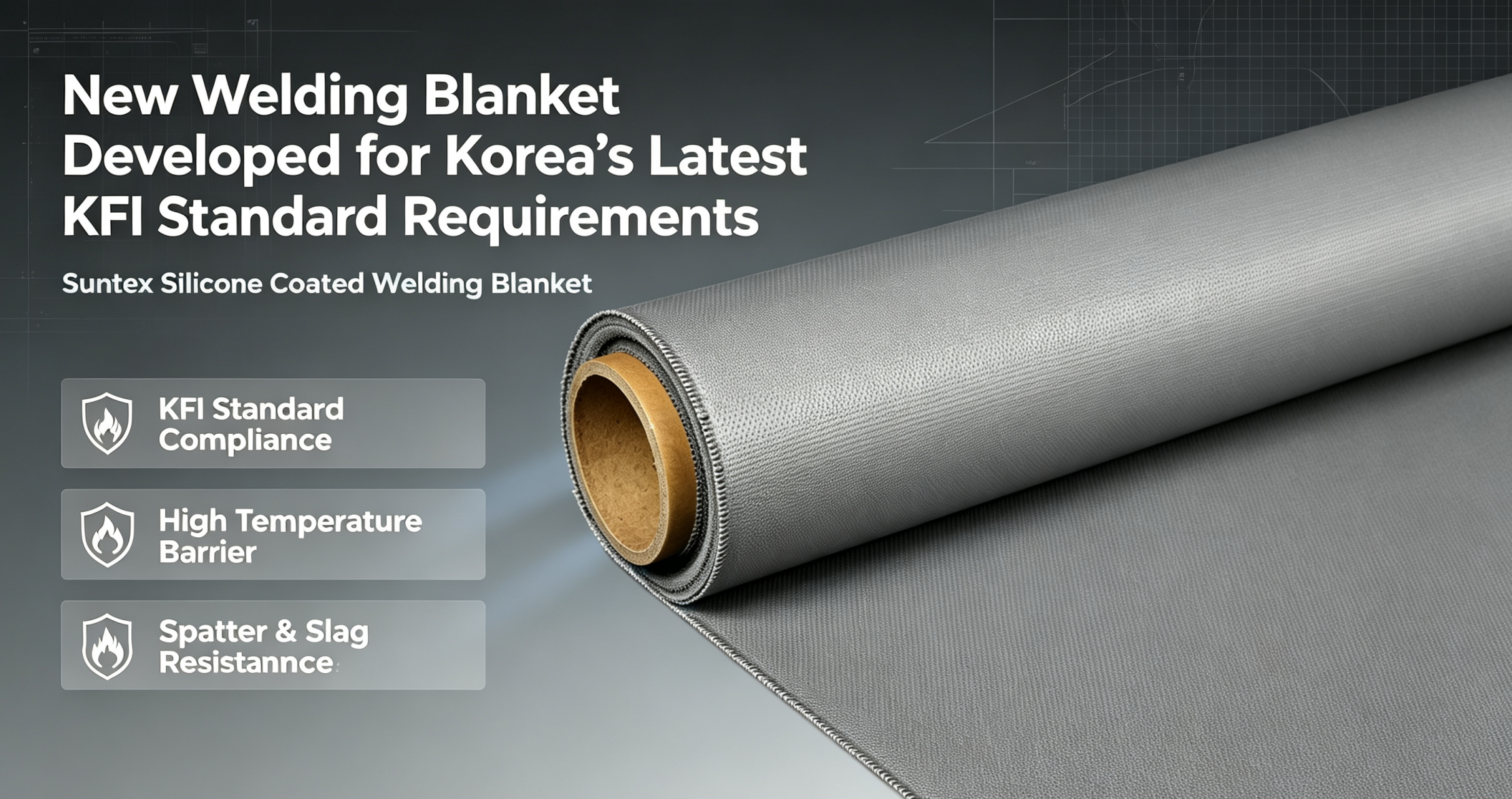
New Welding Blanket Developed for Korea’s Latest KFI Standard Requirements Suntex launches upgraded grey silicone-coated fiberglass welding blankets fully compliant with Korea’s latest KFI fire safety standards for hot work. Made of premium grey silicone coated fiberglass rolls, our blankets deliver reliable protection against welding sparks, molten slag, and high heat for welding, cutting, and […]
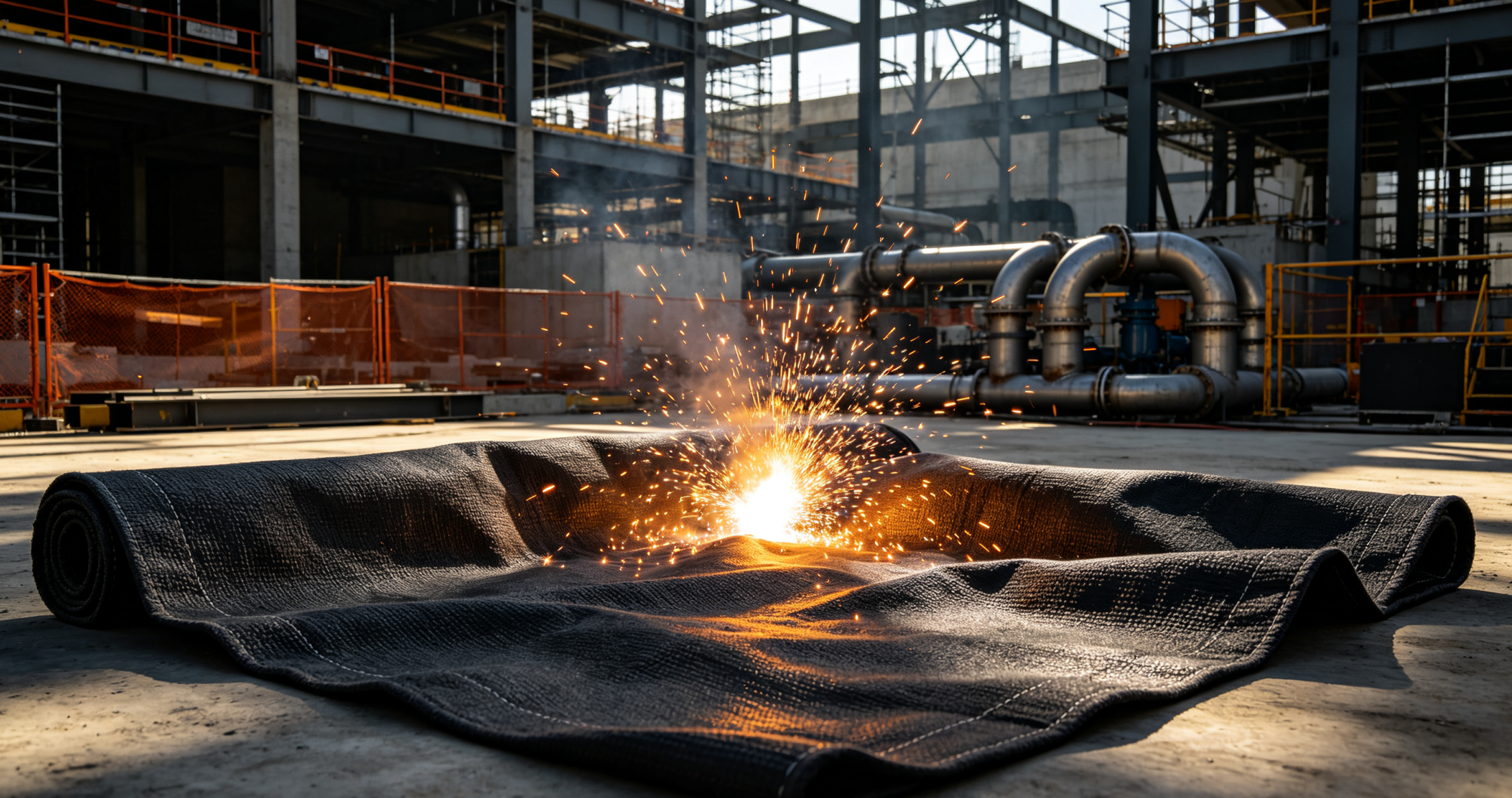
In the high-stakes environment of Japanese automotive manufacturing and precision machining, “good enough” is never enough. When a single stray spark can lead to costly downtime or compromise the integrity of automated assembly lines, the quality of your protective gear is a direct reflection of your operational safety standards. For facilities prioritizing fire prevention and […]
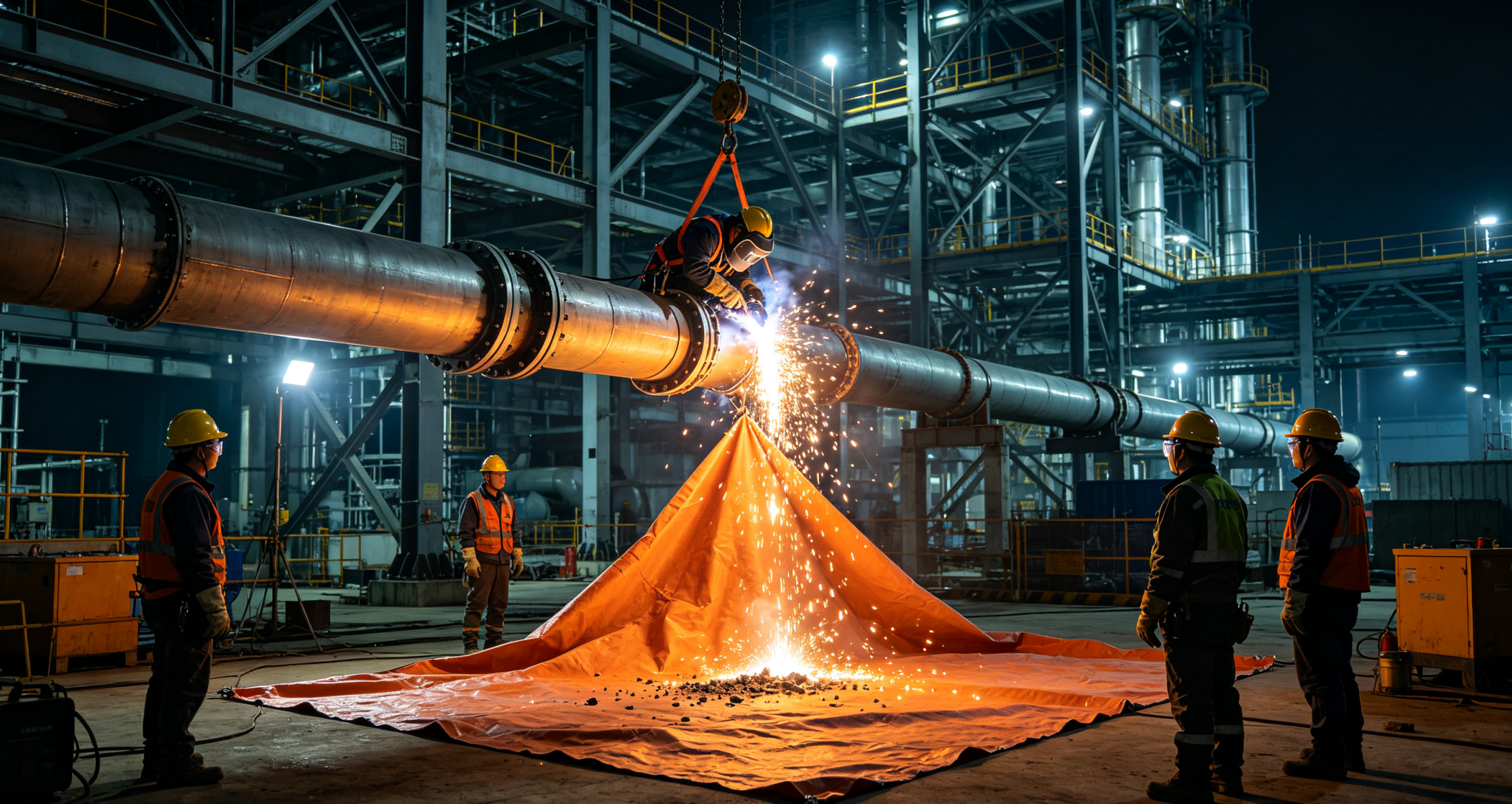
Welding sparks trigger most construction site fires. Even standardized operating procedures carry hidden risks if low-performance flame-retardant fabrics are used. Recent frequent construction fires sound alarms for hot work safety. Most welding-caused blazes stem from inadequate high-temperature slag shielding and substandard fire-resistant materials, rather than improper operation alone. Welding arcs hit over 6,000°C, with flying […]
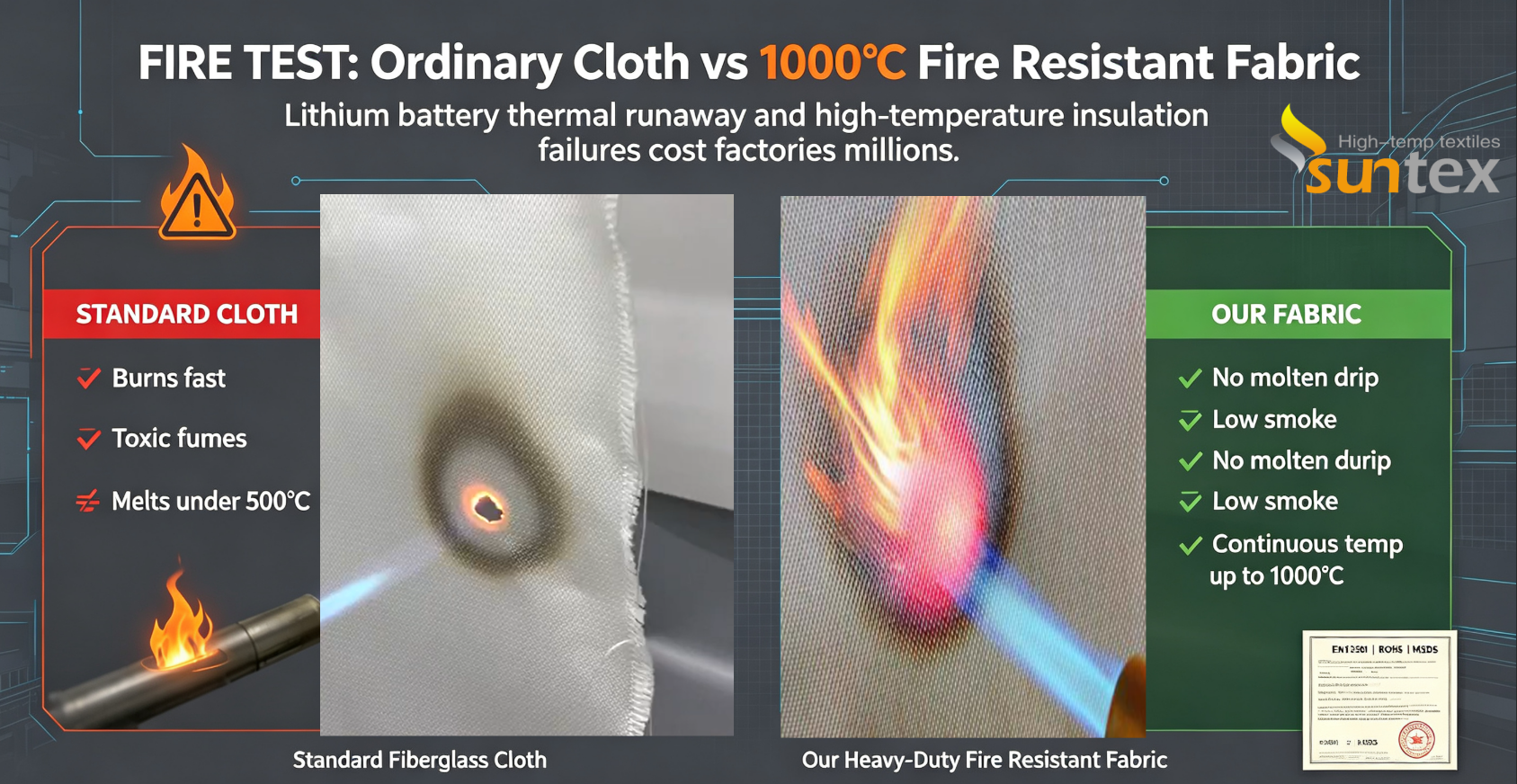
The Hidden Cost of Inferior Thermal Insulation Lithium battery thermal runaway and industrial high-temperature insulation failures frequently trigger factory fires, unplanned shutdowns and massive economic losses. Most of these accidents stem from low-performance standard insulation materials, rather than major equipment faults. Substandard fiberglass cloth fails under high heat, accelerating fire spread and causing costly industrial […]


 English
 Arabic
 Dutch
Dutch French
 German
 Italian
 Polish
 Portuguese
 Russian
 Spanish