

In the high-temperature industrial field, both ceramic fiber cloth and high-silica cloth are highly regarded heat-resistant materials. They may seem similar, but each has its own strengths. To determine which is more heat-resistant, the key lies in understanding their performance differences in various temperature scenarios.
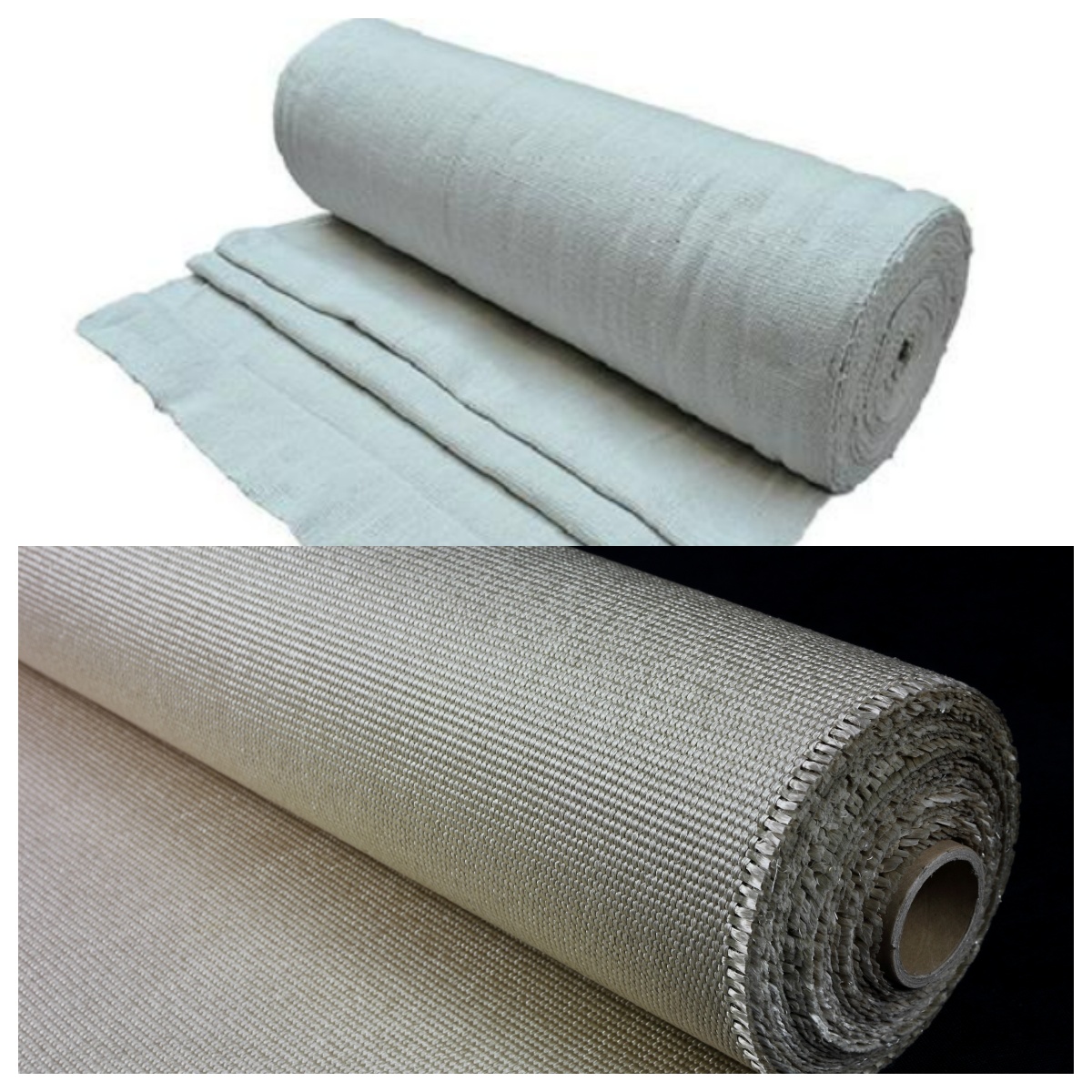
The Truth About High-Temperature Performance
In terms of long-term heat resistance, ceramic fiber cloth is the true champion. Made from crystalline fibers of alumina and silica, it can stably withstand temperatures ranging from 1000°C to 1260°C or even higher over extended periods. This material functions like a professional refractory lining, designed specifically for continuous extreme-temperature environments.
However, high-silica cloth demonstrates unique advantages in specific scenarios. Although its long-term upper-temperature limit is around 1100°C, it exhibits exceptional short-term heat resistance—able to function briefly at extreme temperatures above 1650°C. When subjected to ultra-high-temperature shocks, high-silica fibers melt to form a dense silica protective layer. This self-sacrificing mechanism makes it an outstanding choice for ablation resistance.
Differences in Performance Characteristics
Beyond heat resistance, the two materials also differ in other aspects:
Ceramic fiber cloth boasts an extremely low thermal conductivity, excellent insulation performance, light weight, and outstanding thermal shock resistance, allowing it to withstand severe temperature fluctuations. However, its fibers are relatively brittle and prone to pulverization at high temperatures.
High-silica cloth, on the other hand, is renowned for its exceptional mechanical strength. The fabric is soft yet tough, with good wear resistance, and maintains relatively high strength even at elevated temperatures. Notably, it does not produce harmful crystalline silica dust, making it a safer and more environmentally friendly option.

The Wisdom of Application Selection
The choice between these materials depends entirely on the specific application scenario:
When you need to isolate temperatures above 1000°C for extended periods, such as in industrial kiln linings or high-temperature pipeline insulation, ceramic fiber cloth is the ideal choice. It acts like an efficient thermal barrier, continuously protecting thermal equipment.
In dynamic high-temperature environments, such as welding protection, foundry operations, or fire escape scenarios, high-silica cloth excels. It can withstand spark splatter, molten metal spills, and functions like a resilient protective armor.
So, which one is more heat-resistant? The answer is: they are both champions in different dimensions.
Ceramic fiber cloth is the “king of long-term heat resistance,” irreplaceable in sustained extreme-temperature environments. High-silica cloth is the “king of ablation resistance,” excelling in dynamic high-temperature and instantaneous thermal shock scenarios.
True wisdom lies not in searching for the “best” material but in selecting the “most suitable” material for specific needs. Understanding the characteristics of each material enables the most precise choice when facing high-temperature challenges. Whether guarding against sustained heat in industrial kilns or resisting instantaneous welding sparks, the correct material selection is, in itself, a testament to high-temperature wisdom.
Contact Details
Suntex Composite Industrial Co., Ltd.
Contact Person: Mr. Jason Hu
Tel: +86 132 0712 7986

Send your inquiry directly to us
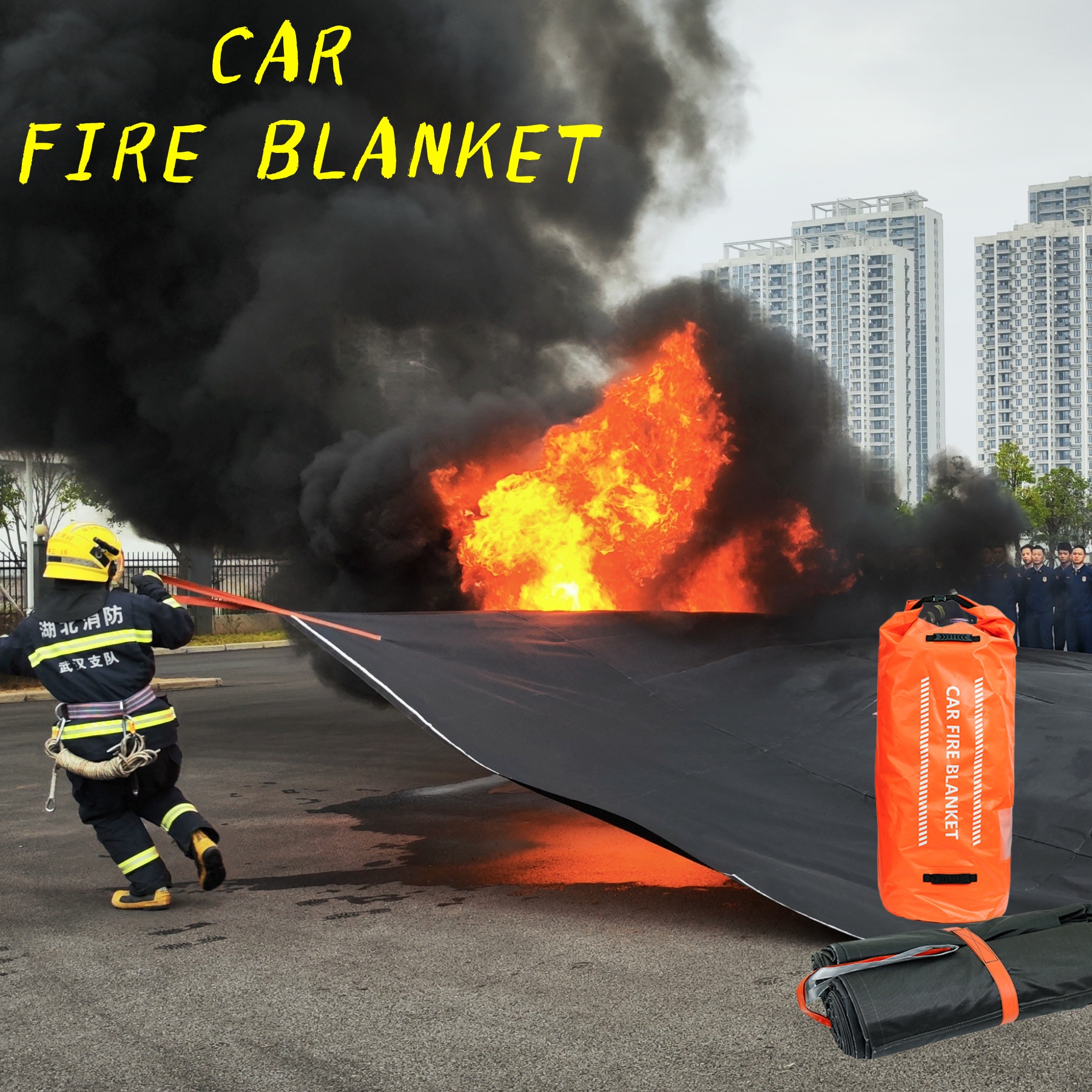
Ultimate Onboard Fire Protection: Suntex Car Fire Blanket Vehicle fires happen suddenly and spread rapidly, making portable and reliable emergency fire protection a must for every vehicle. 🚗🔥 Founded in 2004, Suntex is a leading manufacturer of high-performance fiberglass-based coated textiles. Our products withstand extreme temperatures from -70°C to 1700°C, widely applied in petroleum, shipbuilding […]

Visit Suntex Factory in Zhenjiang: Scenic Beauty & Industrial Strength As the Dragon Boat Festival approaches, Zhenjiang, a charming ancient city in the south of the Yangtze River, has become a popular travel destination for many people. Boasting gentle landscapes, profound cultural heritage, and authentic local delicacies, this time-honored water town is absolutely worth a […]

Never Compromise on Fire Safety: Quality Fireproof Materials Secure Industrial Projects In industrial engineering, cutting corners on fireproof materials is never a cost-saving move — it is a hidden risk to project safety, property, and human lives. Many engineering teams opt for low-cost, substandard fireproof fabrics and thin-coated materials to compress budgets, only to face […]

Why Do Customers Order from Suntex Without Negotiating? A look inside our Zhenjiang factory — where consistency and responsibility speak louder than price. What do buyers fear most? Not a high price. But the first batch is perfect, and the next batch is a problem. Color variation. Quality swings. Endless after-sales follow-ups. That’s the real […]


 English
 Arabic
 Dutch
Dutch French
 German
 Italian
 Polish
 Portuguese
 Russian
 Spanish