

Automotive Fire Blanket: Safeguarding Your Garage and Building a “Firewall” for Life
In recent years, with the widespread adoption of electric vehicles (EVs), fires in residential garage have become increasingly common. Issues such as battery combustion and charging short circuits frequently make headlines. Once an EV catches fire, the flames can reach temperatures exceeding 1000°C, accompanied by violent explosions and large amounts of toxic smoke. Within minutes, the fire can spread to the entire building, causing severe casualties and property damage.

Why Do We Need Automotive Fire Blankets?

1. EV Fires: Fast-Spreading and Highly Hazardous
Lithium battery fires in EVs are highly explosive, with flames erupting instantly and releasing deadly toxic gases such as carbon monoxide and hydrogen fluoride. Conventional fire extinguishers are often ineffective, and by the time firefighters arrive, the blaze may already be out of control. Even more alarming, thick smoke can rapidly spread through stairwells and pipelines, causing upper-floor residents to suffocate or lose consciousness due to inhalation—leaving them with minimal escape time.

2. Limitations of Traditional Fire Prevention Measures
-
Fire Extinguishers: Limited effectiveness against lithium battery fires, and it’s difficult for untrained individuals to approach the flames amid intense heat and smoke.
-
Fire Compartmentation: Many older residential garages lack proper fire barriers, allowing flames to spread unchecked.
-
Sprinkler Systems: Some garages are not equipped with them, and water can worsen battery short circuits, leading to secondary explosions.
3. Automotive Fire Blankets: Highly Effective Flame and Smoke Control

Made from high-temperature-resistant materials (such as fiberglass or ceramic coatings), automotive fire blankets can withstand temperatures above 1000°C. When deployed over a burning vehicle, they:
✅ Physically block flames, slowing the fire’s spread and buying critical time for emergency response.
✅ Suppress toxic smoke, reducing harm to residents in upper floors.
✅ Prevent battery explosions, minimizing secondary blast risks.
4. Wide Range of Applications—A Lifesaver in Critical Moments
-
Home Garages: Cover EVs or fuel-powered cars to prevent fires from spreading to the entire building.
-
Underground Parking Lots: Property managers can stock them as emergency firefighting equipment.
-
Charging Stations / Auto Dealerships: Mitigate fire damage and ensure staff safety.
🚨 Prevention Is Better Than Cure—Don’t Gamble with Safety!
The cost of a fire blanket is negligible compared to the potential losses from a fire, yet it significantly improves survival odds. Whether you’re a car owner, property manager, or community leader, this “invisible insurance” is a must-have—an extra layer of protection for lives and property!
📢 Act Now—Secure Your Vehicle and Loved Ones’ Safety Today!
Contact Details
Suntex Composite Industrial Co., Ltd.
Contact Person: Mr. Jason Hu
Tel: +86 132 0712 7986

Send your inquiry directly to us
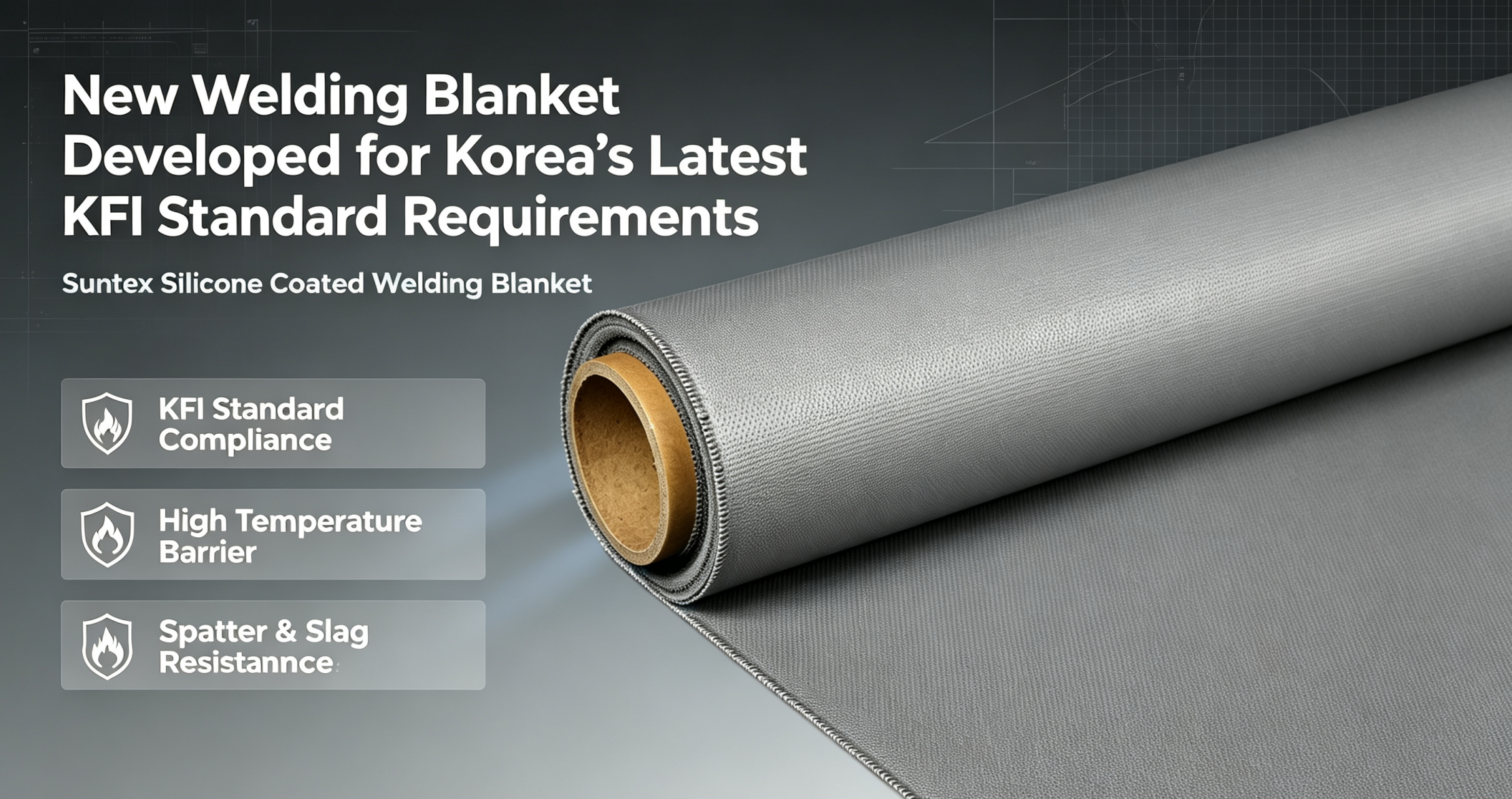
New Welding Blanket Developed for Korea’s Latest KFI Standard Requirements Suntex launches upgraded grey silicone-coated fiberglass welding blankets fully compliant with Korea’s latest KFI fire safety standards for hot work. Made of premium grey silicone coated fiberglass rolls, our blankets deliver reliable protection against welding sparks, molten slag, and high heat for welding, cutting, and […]
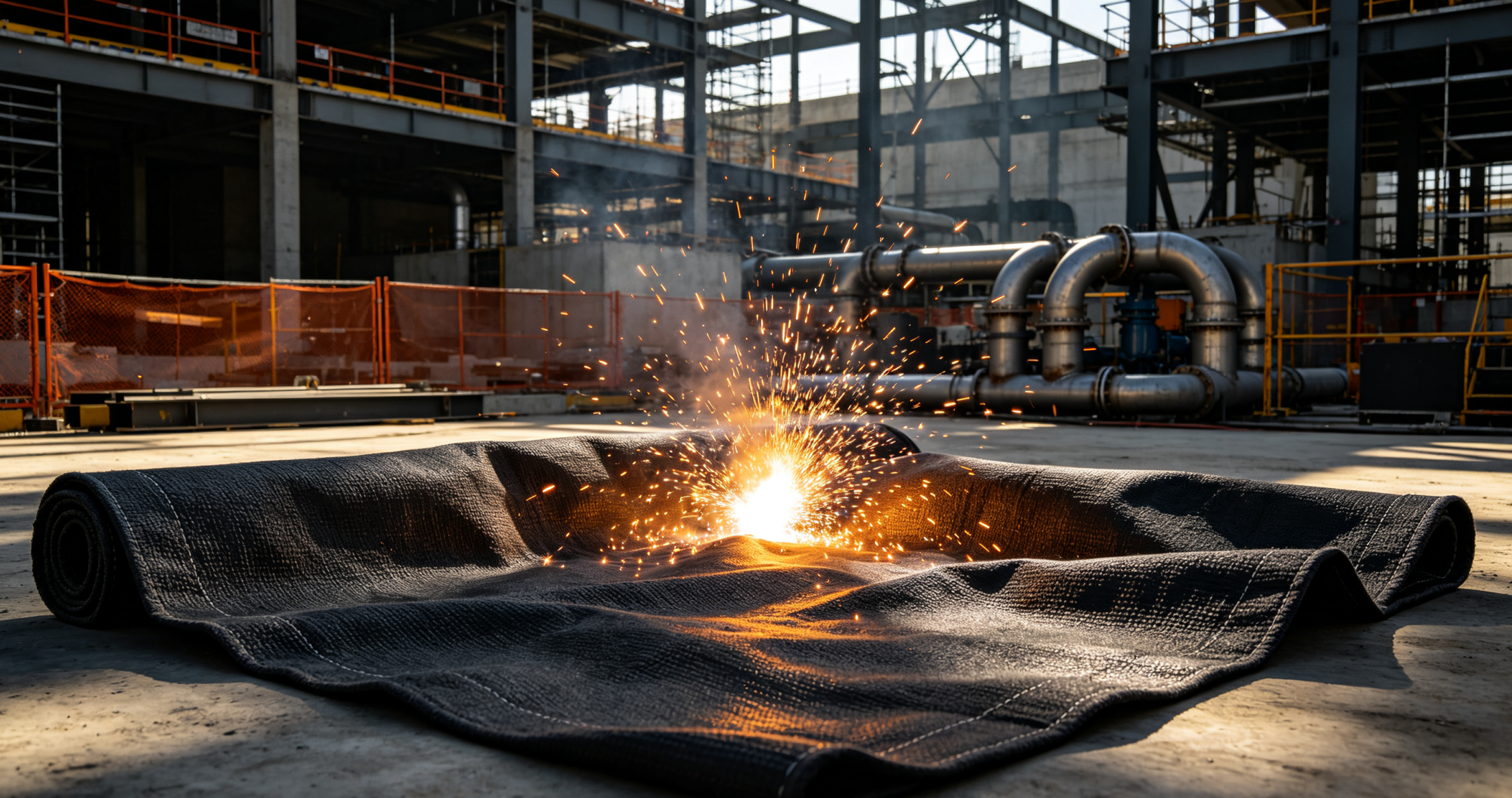
In the high-stakes environment of Japanese automotive manufacturing and precision machining, “good enough” is never enough. When a single stray spark can lead to costly downtime or compromise the integrity of automated assembly lines, the quality of your protective gear is a direct reflection of your operational safety standards. For facilities prioritizing fire prevention and […]
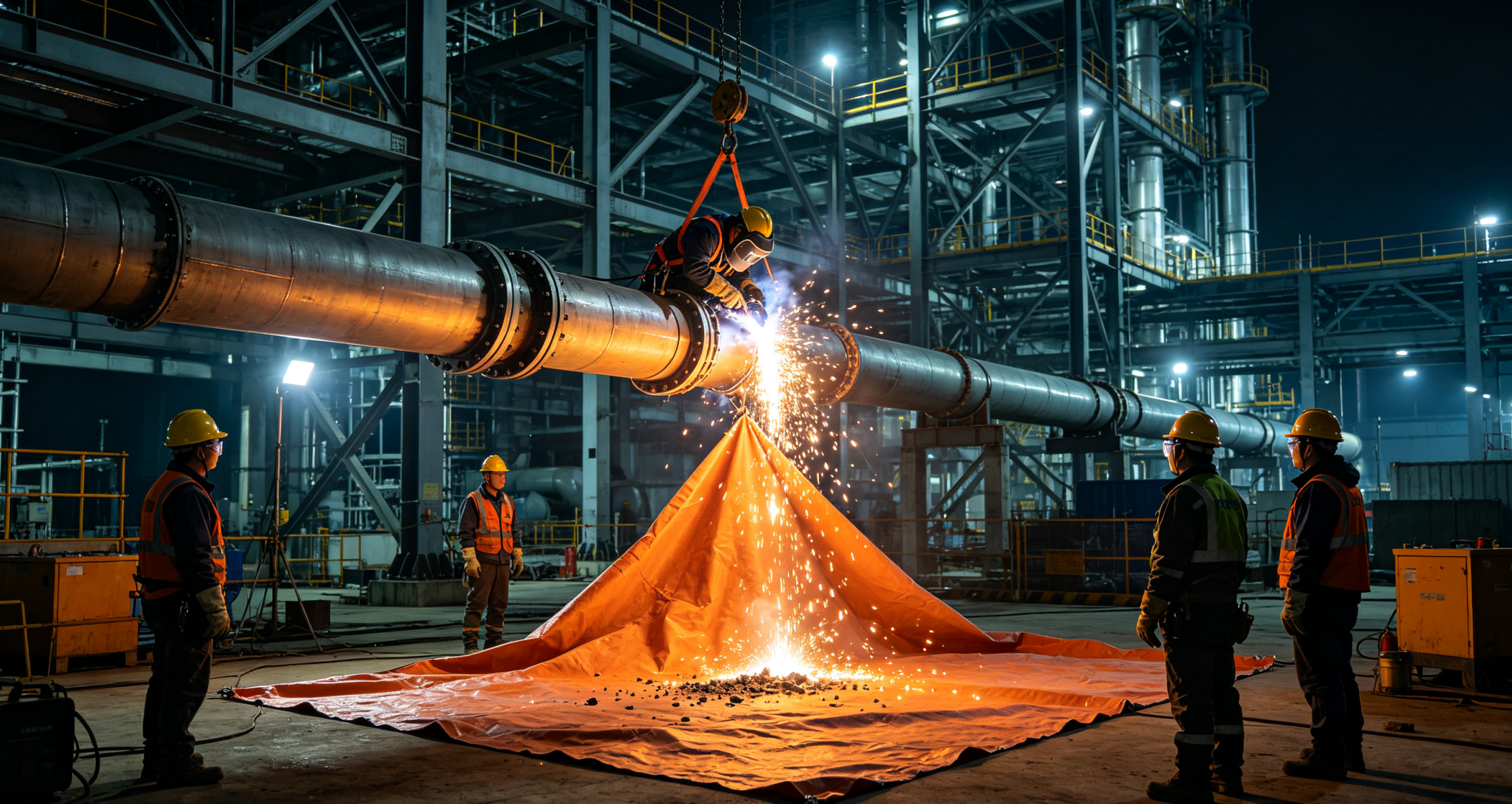
Welding sparks trigger most construction site fires. Even standardized operating procedures carry hidden risks if low-performance flame-retardant fabrics are used. Recent frequent construction fires sound alarms for hot work safety. Most welding-caused blazes stem from inadequate high-temperature slag shielding and substandard fire-resistant materials, rather than improper operation alone. Welding arcs hit over 6,000°C, with flying […]
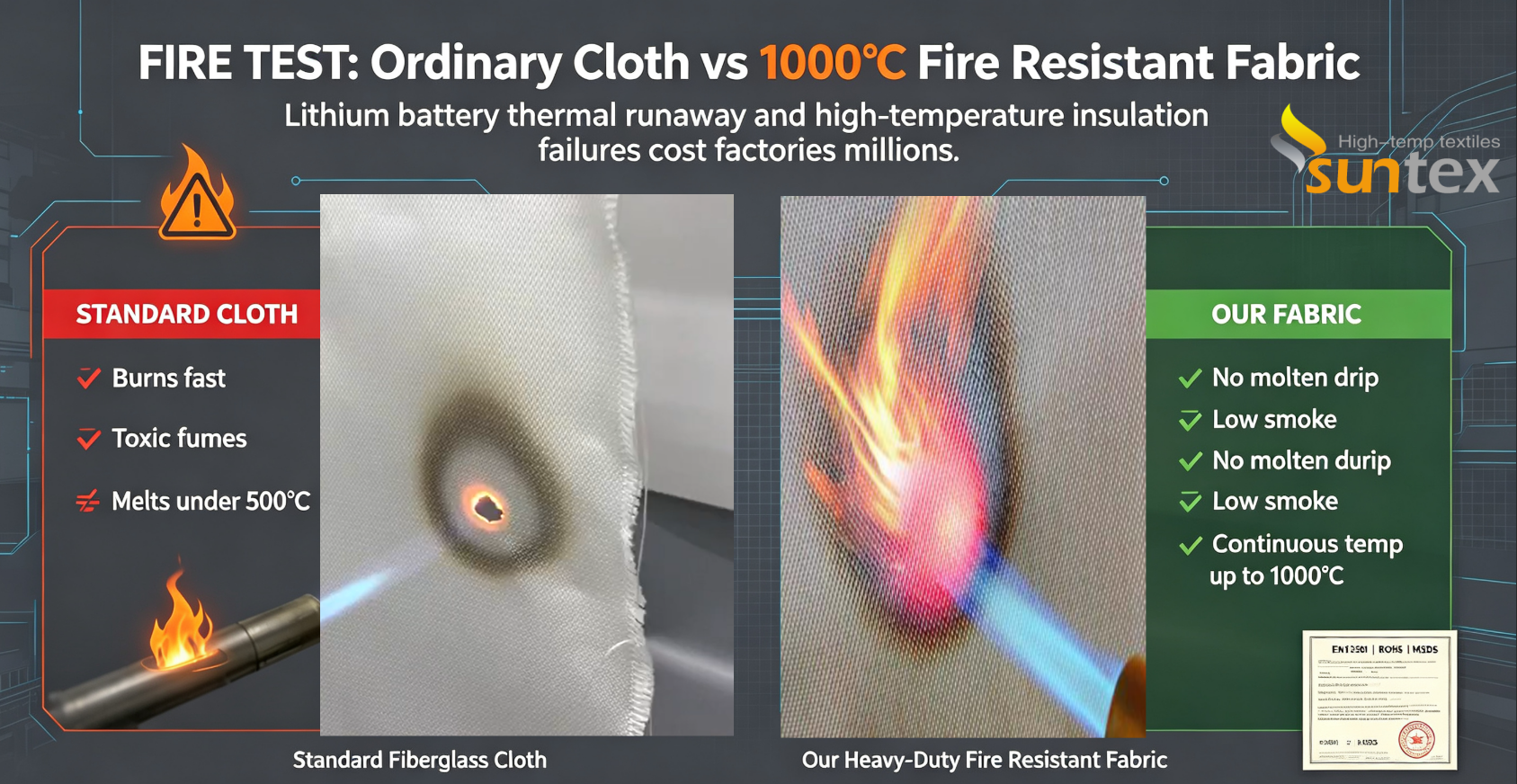
The Hidden Cost of Inferior Thermal Insulation Lithium battery thermal runaway and industrial high-temperature insulation failures frequently trigger factory fires, unplanned shutdowns and massive economic losses. Most of these accidents stem from low-performance standard insulation materials, rather than major equipment faults. Substandard fiberglass cloth fails under high heat, accelerating fire spread and causing costly industrial […]


 English
 Arabic
 Dutch
Dutch French
 German
 Italian
 Polish
 Portuguese
 Russian
 Spanish