

For decades, HVAC systems were synonymous with rigid metal ducts. But innovation often comes from reimagining the materials we use. Today, engineered fabrics are revolutionizing air distribution and management, offering unique benefits that traditional metal simply cannot match. Two key applications leading this charge are Fabric Air Dispersion Systems and Fabric Flexible Connectors.
Let’s break down how these smart textile solutions work and why they are so critical for modern, efficient, and safe buildings.
1. Fabric Air Ducts: Softening the Flow of Air
Imagine a duct that doesn’t just transport air but also gently diffuses it throughout a room. That’s the principle behind fabric air dispersion systems.
How They Work: Made from specialized permeable textiles, these ducts allow air to seep through millions of tiny pores. This creates a draft-free, even distribution of conditioned air, eliminating hot and cold spots and enhancing comfort.
The Material Magic: The fabrics used, such as polymer-coated fiberglass, are incredibly strong, durable, and remain soft to the touch. They are also lightweight and can be produced in various colors to blend seamlessly into a building’s architecture.
2. Fabric Flexible Connectors: The Silent Guardians

While air ducts distribute air, the equipment that conditions that air (like fans and AHUs) generates significant noise and vibration. This is where fabric flexible connectors come in.
How They Work: Installed between the metal ductwork and the mechanical equipment, these connectors act as a buffer. Their flexible fabric construction absorbs vibrations and isolates structure-borne noise, preventing them from traveling through the entire building. This is essential for ensuring quiet operation in offices, hospitals, and hotels.
The Material Magic: These connectors require a fabric that is not only flexible but also incredibly tough and airtight. They are typically constructed with a fabric-to-metal joint and use materials like fiberglass coated with silicone or neoprene.
The Common Critical Factor: Engineered for Safety
Whether used for air dispersion or vibration isolation, one requirement is non-negotiable: Fire Safety. This is especially paramount in high-risk areas like data centers or in any commercial building for compliance and occupant safety.
This is where material science makes all the difference. At Suntex, our fabrics for both applications are engineered to the highest safety standards:
Flame Resistance: They are inherently non-combustible and do not support fire spread.
Certified Performance: They achieve top-tier certifications like A2 under EN13501-1 and M0 under NFP 701, confirming their excellent reaction-to-fire performance.
Additional Properties: Beyond fire safety, these fabrics are also waterproof, airtight, and possess high tensile strength, ensuring long-term reliability and performance under pressure.
Conclusion
The integration of high-performance textiles into HVAC systems is a perfect example of innovation meeting application. From providing comfort through even air dispersion to ensuring peace and quiet by damping vibrations, fabric solutions are proving to be smarter, more efficient, and safer alternatives.
By choosing materials that are rigorously tested and certified, engineers and architects can design buildings that are not only more comfortable but also significantly safer.
Contact Details
Suntex Composite Industrial Co., Ltd.
Contact Person: Mr. Jason Hu
Tel: +86 132 0712 7986

Send your inquiry directly to us
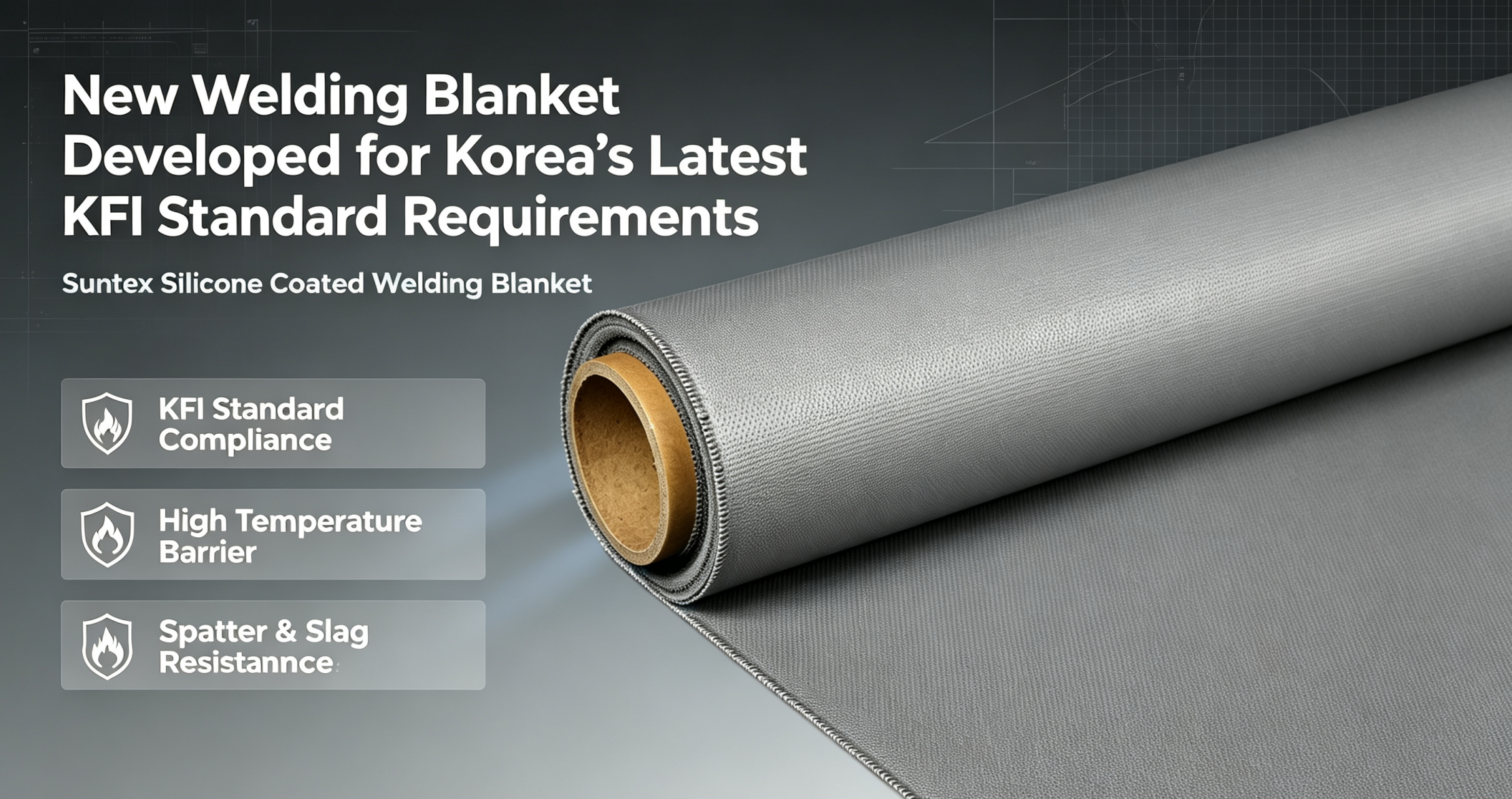
New Welding Blanket Developed for Korea’s Latest KFI Standard Requirements Suntex launches upgraded grey silicone-coated fiberglass welding blankets fully compliant with Korea’s latest KFI fire safety standards for hot work. Made of premium grey silicone coated fiberglass rolls, our blankets deliver reliable protection against welding sparks, molten slag, and high heat for welding, cutting, and […]
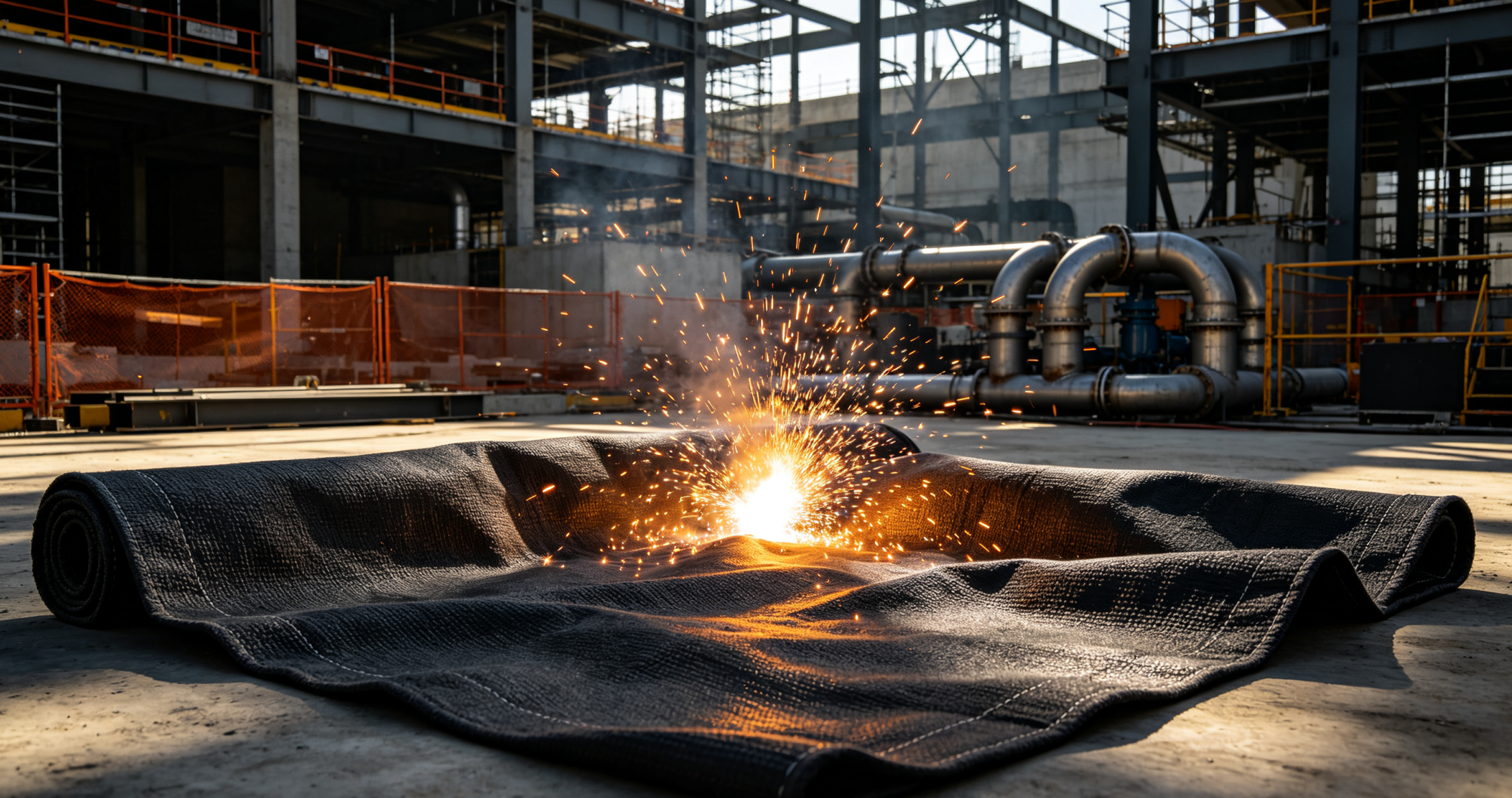
In the high-stakes environment of Japanese automotive manufacturing and precision machining, “good enough” is never enough. When a single stray spark can lead to costly downtime or compromise the integrity of automated assembly lines, the quality of your protective gear is a direct reflection of your operational safety standards. For facilities prioritizing fire prevention and […]
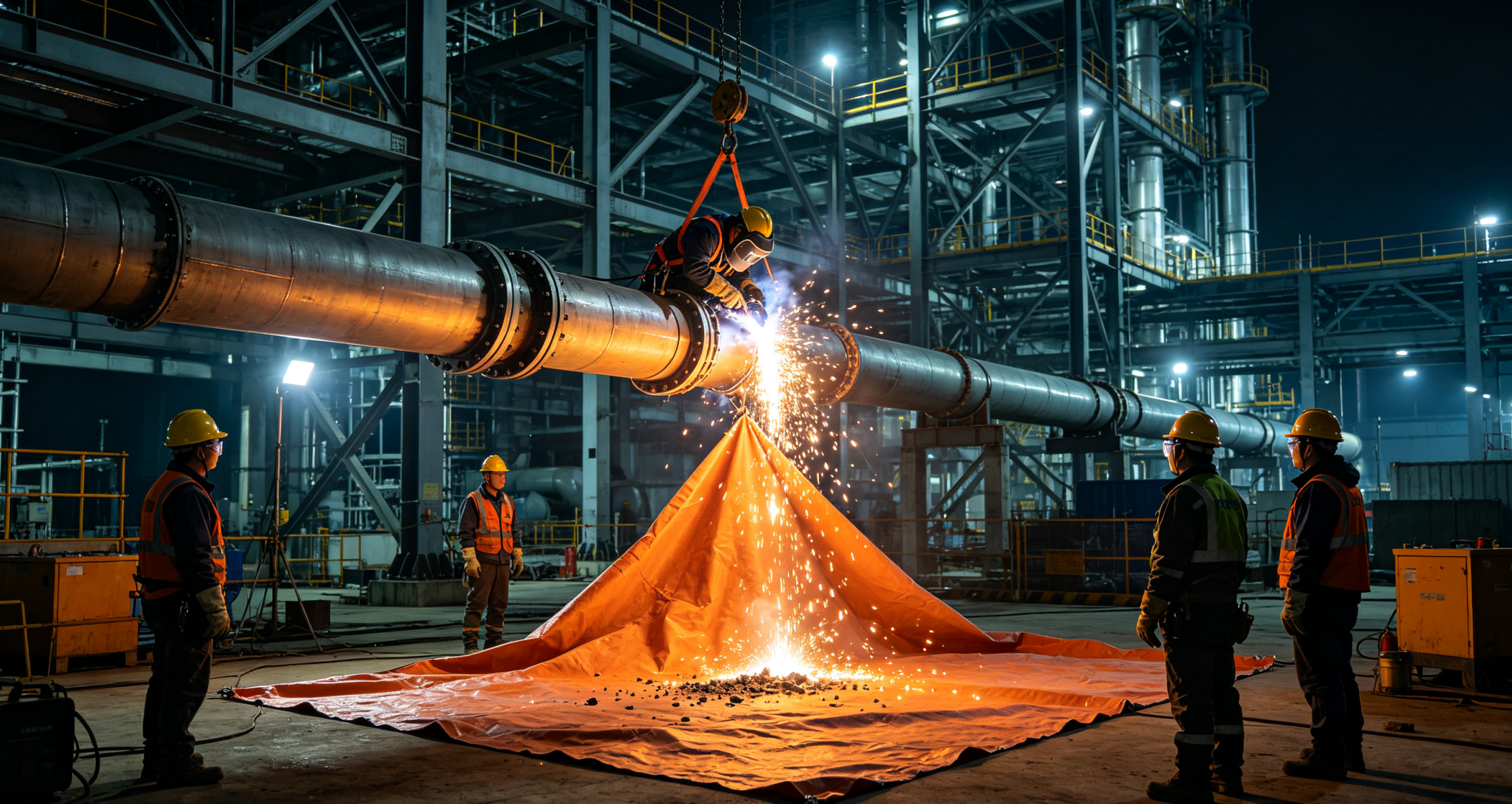
Welding sparks trigger most construction site fires. Even standardized operating procedures carry hidden risks if low-performance flame-retardant fabrics are used. Recent frequent construction fires sound alarms for hot work safety. Most welding-caused blazes stem from inadequate high-temperature slag shielding and substandard fire-resistant materials, rather than improper operation alone. Welding arcs hit over 6,000°C, with flying […]
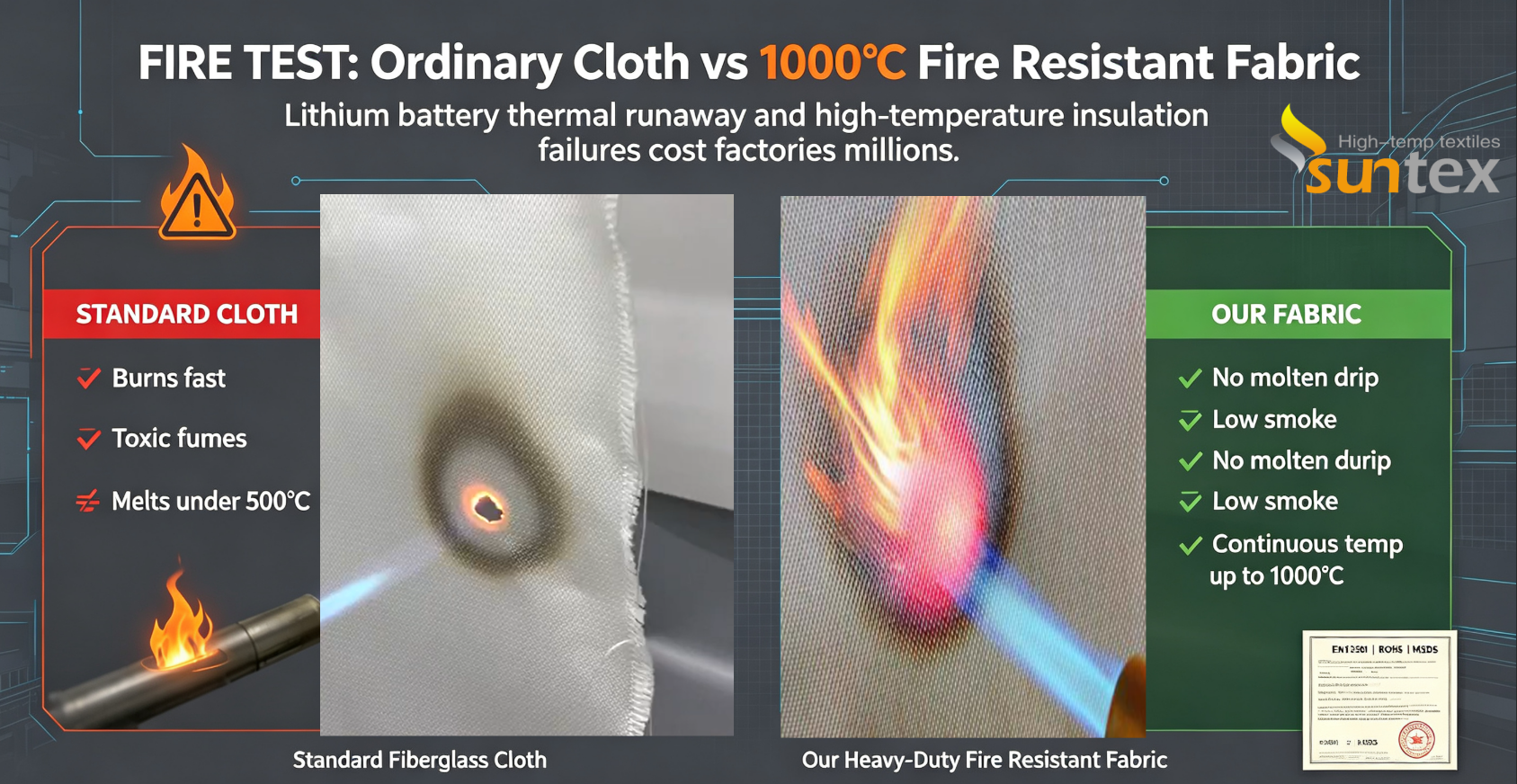
The Hidden Cost of Inferior Thermal Insulation Lithium battery thermal runaway and industrial high-temperature insulation failures frequently trigger factory fires, unplanned shutdowns and massive economic losses. Most of these accidents stem from low-performance standard insulation materials, rather than major equipment faults. Substandard fiberglass cloth fails under high heat, accelerating fire spread and causing costly industrial […]


 English
 Arabic
 Dutch
Dutch French
 German
 Italian
 Polish
 Portuguese
 Russian
 Spanish