

Welcome to a world where heat is no longer a barrier, but an opportunity. High temperature heat resistant fabrics have revolutionized industries across the globe, offering a range of applications that go far beyond simply protecting against extreme heat. From aerospace to automotive, from firefighting to manufacturing, these fabrics are the unsung heroes that enable us to push the boundaries of what is possible. In this article, we will delve into the versatility and applications of these remarkable materials, exploring their unique properties and the innovative ways in which they are being utilized. Join us as we venture beyond the heat and discover the endless possibilities that high temperature heat resistant fabrics bring to the table. Prepare to be amazed by the remarkable feats achieved through their use, and gain a deeper appreciation for the unsung heroes that make it all possible. Let’s dive in and explore the fascinating world of high temperature heat resistant fabrics together!
Understanding the importance of heat resistance
Heat resistance is a critical property that allows fabrics to withstand high temperatures without compromising their structural integrity. It is not just about protecting against heat, but also ensuring that the fabric remains durable and functional under extreme conditions. High temperature heat resistant fabrics are engineered to provide exceptional thermal protection, allowing them to withstand temperatures well above what traditional fabrics can handle.
One of the key factors in heat resistance is the choice of fibers used in the fabric. Fibers such as aramid, fiberglass, and ceramic are commonly used due to their inherent heat resistance properties. These fibers have a high melting point and excellent thermal stability, making them ideal for applications where exposure to extreme heat is a constant challenge.
Another important aspect of heat resistance is the fabric’s ability to dissipate heat. Heat resistant fabrics are designed to have low thermal conductivity, meaning they do not readily transfer heat. This property prevents heat from being conducted through the fabric and reaching the wearer or the surrounding environment. Instead, the fabric acts as a barrier, effectively insulating against high temperatures.
In addition to heat resistance, these fabrics also offer other desirable properties such as high strength, durability, and resistance to chemicals and abrasion. This makes them suitable for a wide range of applications where protection and performance are essential. Now, let’s explore some of the common applications of high temperature heat resistant fabrics.
Common applications of high temperature heat resistant fabrics
High temperature heat resistant fabrics find applications in various industries where exposure to extreme heat is a constant concern. Let’s take a closer look at some of the most common applications of these remarkable materials:
### Industrial uses of heat resistant fabrics
In industrial settings, high temperature heat resistant fabrics play a vital role in ensuring the safety and efficiency of operations. These fabrics are widely used in thermal insulation, gaskets, seals, and expansion joints. They help to protect equipment, machinery, and infrastructure from heat-related damage and maintain optimal working conditions in high-temperature environments.
For example, in the steel and glass manufacturing industries, heat resistant fabrics are used to line furnaces and kilns, providing insulation and protecting against heat loss. This not only improves energy efficiency but also prolongs the lifespan of the equipment. In the oil and gas industry, heat resistant fabrics are utilized in the construction of pipelines and refineries, where they provide insulation and protection against fire hazards.
### Automotive applications of heat resistant fabrics
The automotive industry relies on high temperature heat resistant fabrics for various applications, ranging from engine components to exhaust systems. These fabrics are used in the design and manufacturing of heat shields, insulation blankets, and gaskets, among other things.
In the engine compartment, heat resistant fabrics help to manage heat generated by the engine, preventing it from spreading to other components and causing damage. They also play a crucial role in reducing noise and vibration, thereby enhancing the overall driving experience. In exhaust systems, heat resistant fabrics are utilized to insulate and protect against high temperatures, ensuring optimal performance and safety.
### Aerospace applications of heat resistant fabrics
In the aerospace industry, where extreme temperatures are a constant challenge, high temperature heat resistant fabrics are indispensable. These fabrics are used in the construction of spacecraft, aircraft, and rockets, providing thermal protection, insulation, and fire resistance.
One of the critical applications of heat resistant fabrics in aerospace is thermal protection systems. These systems are designed to protect spacecraft and re-entry vehicles from the intense heat generated during atmospheric re-entry. Heat resistant fabrics, often combined with other materials such as ceramic coatings, form the outer layers of these systems, effectively shielding the spacecraft and its occupants from extreme temperatures.
Protective clothing and personal safety equipment
High temperature heat resistant fabrics are widely used in the manufacturing of protective clothing and personal safety equipment. From firefighters and welders to industrial workers and military personnel, these fabrics provide essential protection against heat, flames, and other hazards.
For firefighters, heat resistant fabrics form the basis of their protective gear, including turnout coats, pants, gloves, and hoods. These fabrics are designed to withstand high temperatures, radiant heat, and flames, allowing firefighters to operate in extremely hazardous conditions with confidence and safety.
Similarly, in industries such as welding and metalwork, heat resistant fabrics are used in the construction of protective clothing, such as aprons, jackets, and sleeves. These garments provide a barrier against sparks, molten metal, and radiant heat, ensuring the safety and well-being of workers.
Innovations and advancements in heat resistant fabric technology
The field of high temperature heat resistant fabrics is continuously evolving, driven by the need for better performance, increased durability, and enhanced safety. Researchers and manufacturers are constantly pushing the boundaries of fabric technology, resulting in exciting innovations and advancements.
One area of innovation is the development of lightweight heat resistant fabrics. Traditionally, heat resistant fabrics were known for their bulkiness and weight, making them less practical for certain applications. However, advancements in fiber technology and fabric construction have led to the creation of lightweight fabrics that offer the same level of heat resistance without sacrificing comfort or mobility.
Another area of focus is the improvement of flame resistance. While heat resistant fabrics are already designed to resist flames, researchers are exploring ways to enhance this property further. Flame retardant coatings and treatments are being developed to provide an additional layer of protection, reducing the risk of ignition and burn injuries.
Furthermore, advancements in fabric manufacturing techniques have allowed for the creation of heat resistant fabrics with custom designs and patterns. This opens up new possibilities for incorporating branding, logos, and other visual elements into protective clothing and equipment, without compromising their performance or safety.
Factors to consider when choosing heat resistant fabrics
When selecting high temperature heat resistant fabrics, several factors should be taken into consideration to ensure the best possible performance and suitability for the intended application.
First and foremost, the fabric’s heat resistance rating should be evaluated. This rating determines the maximum temperature that the fabric can withstand without compromising its integrity. It is essential to choose a fabric that meets or exceeds the specific heat resistance requirements of the application.
The fabric’s durability and resistance to wear, tear, and chemical exposure are also crucial considerations. In industries such as manufacturing and oil and gas, where the fabric may be subjected to harsh conditions, it is vital to choose a fabric that can withstand these challenges without deteriorating or losing its protective properties.
Additionally, factors such as flexibility, breathability, and comfort should not be overlooked, especially when selecting fabrics for protective clothing and equipment. The fabric should allow for ease of movement, proper ventilation, and comfort during extended periods of use.
Lastly, compliance with industry standards and regulations should be a key consideration. High temperature heat resistant fabrics must meet specific performance standards to ensure their suitability and reliability in critical applications. It is essential to choose fabrics that have been tested and certified by reputable organizations.
Conclusion: The future of high temperature heat resistant fabrics
As we have explored in this article, high temperature heat resistant fabrics have become indispensable in a wide range of industries, offering exceptional thermal protection, durability, and performance. From industrial applications to automotive and aerospace uses, these fabrics enable us to push the boundaries of what is possible, while ensuring the safety and well-being of workers and the integrity of equipment.
The future of high temperature heat resistant fabrics is bright, with ongoing advancements in fiber technology, fabric construction, and flame retardant coatings. As the demand for heat resistance continues to grow, we can expect to see even more innovative solutions, lighter fabrics, and enhanced performance.
So, the next time you come across a piece of protective clothing, an insulation blanket, or a thermal protection system, take a moment to appreciate the unsung heroes that make it all possible – high temperature heat resistant fabrics. They may go unnoticed, but their impact is undeniable. They enable us to venture beyond the heat, explore new frontiers, and achieve remarkable feats.
Contact Details
Suntex Composite Industrial Co., Ltd.
Contact Person: Mr. Jason Hu
Tel: +86 132 0712 7986

Send your inquiry directly to us
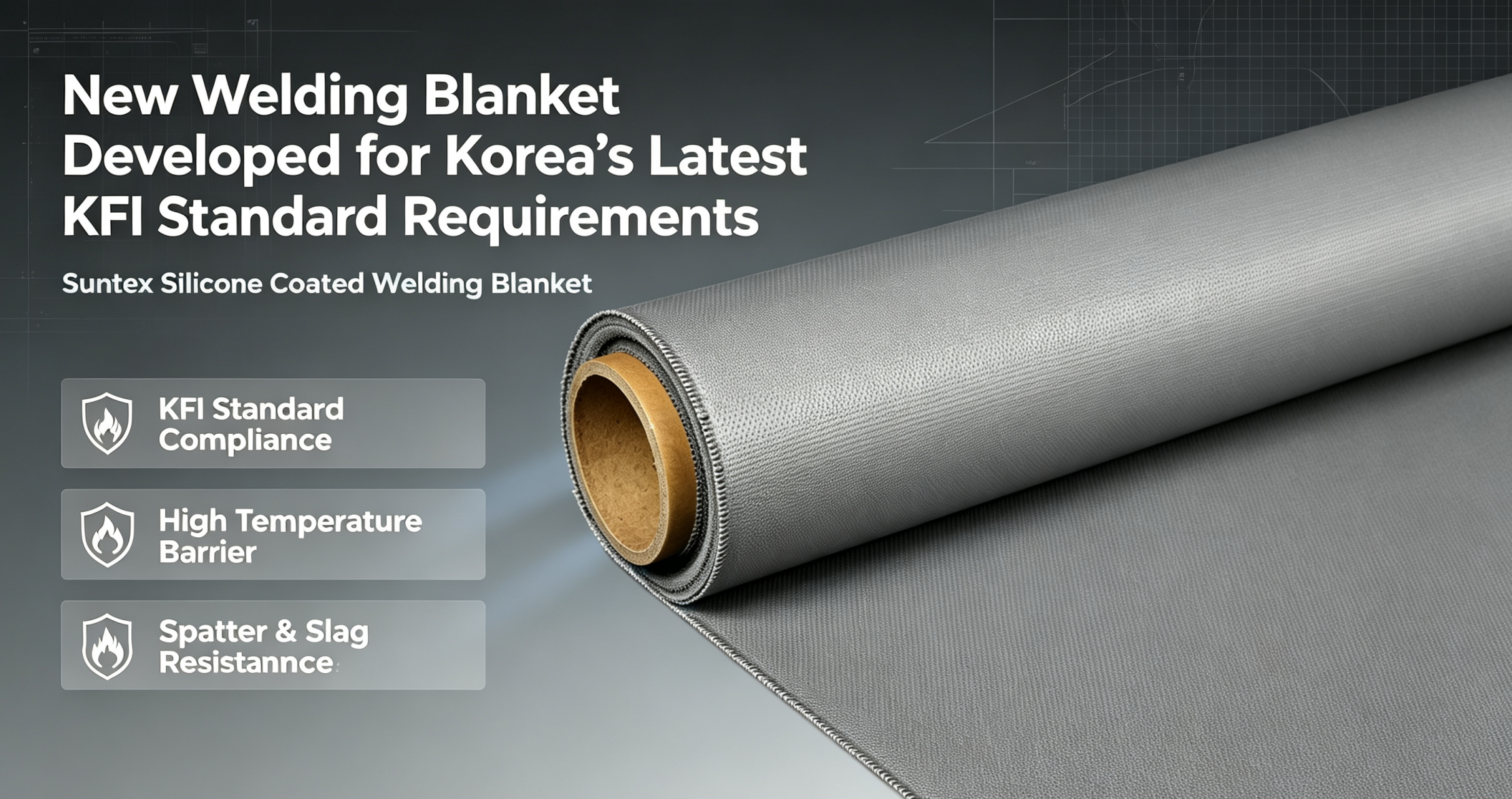
New Welding Blanket Developed for Korea’s Latest KFI Standard Requirements Suntex launches upgraded grey silicone-coated fiberglass welding blankets fully compliant with Korea’s latest KFI fire safety standards for hot work. Made of premium grey silicone coated fiberglass rolls, our blankets deliver reliable protection against welding sparks, molten slag, and high heat for welding, cutting, and […]
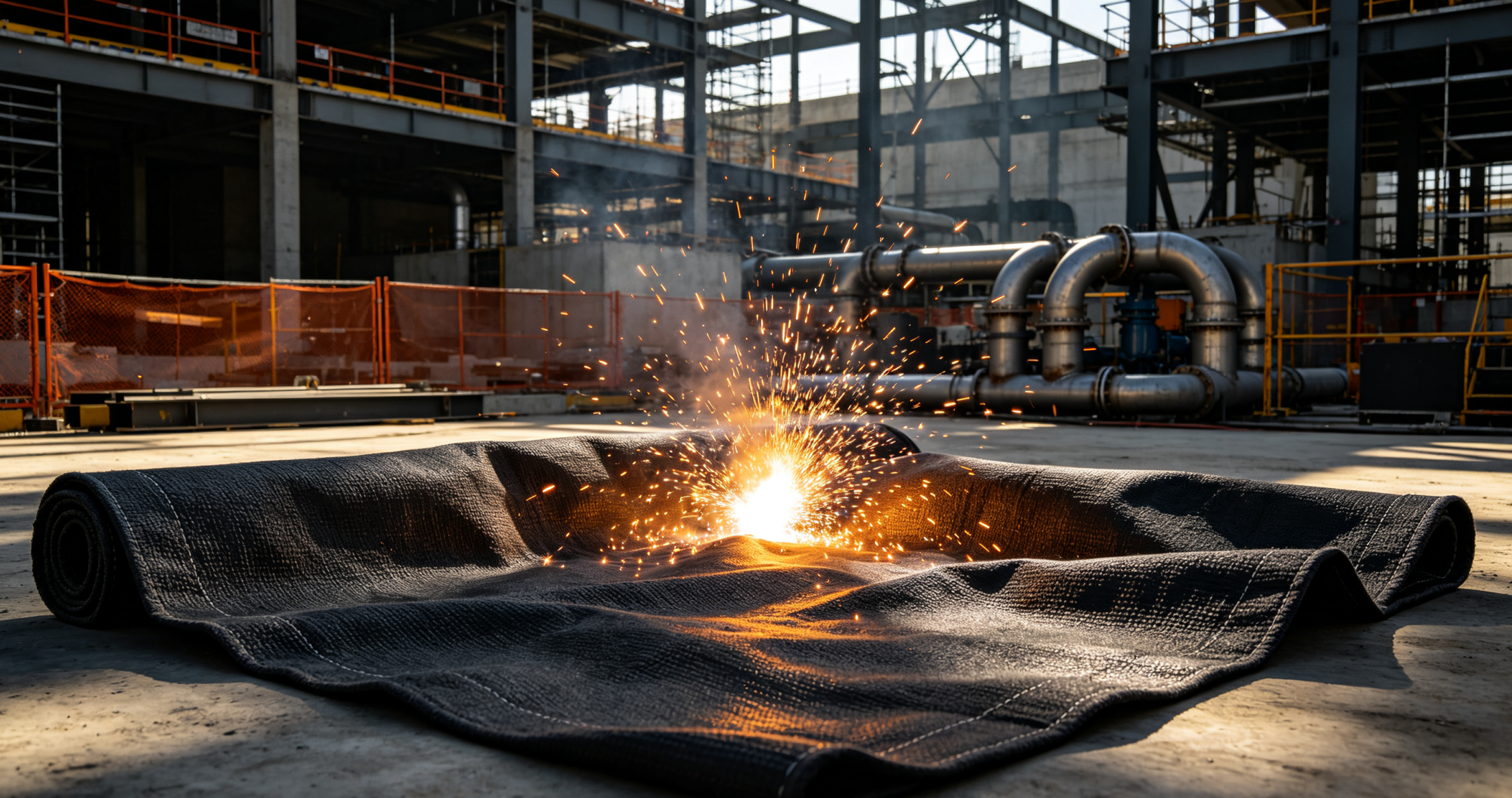
In the high-stakes environment of Japanese automotive manufacturing and precision machining, “good enough” is never enough. When a single stray spark can lead to costly downtime or compromise the integrity of automated assembly lines, the quality of your protective gear is a direct reflection of your operational safety standards. For facilities prioritizing fire prevention and […]
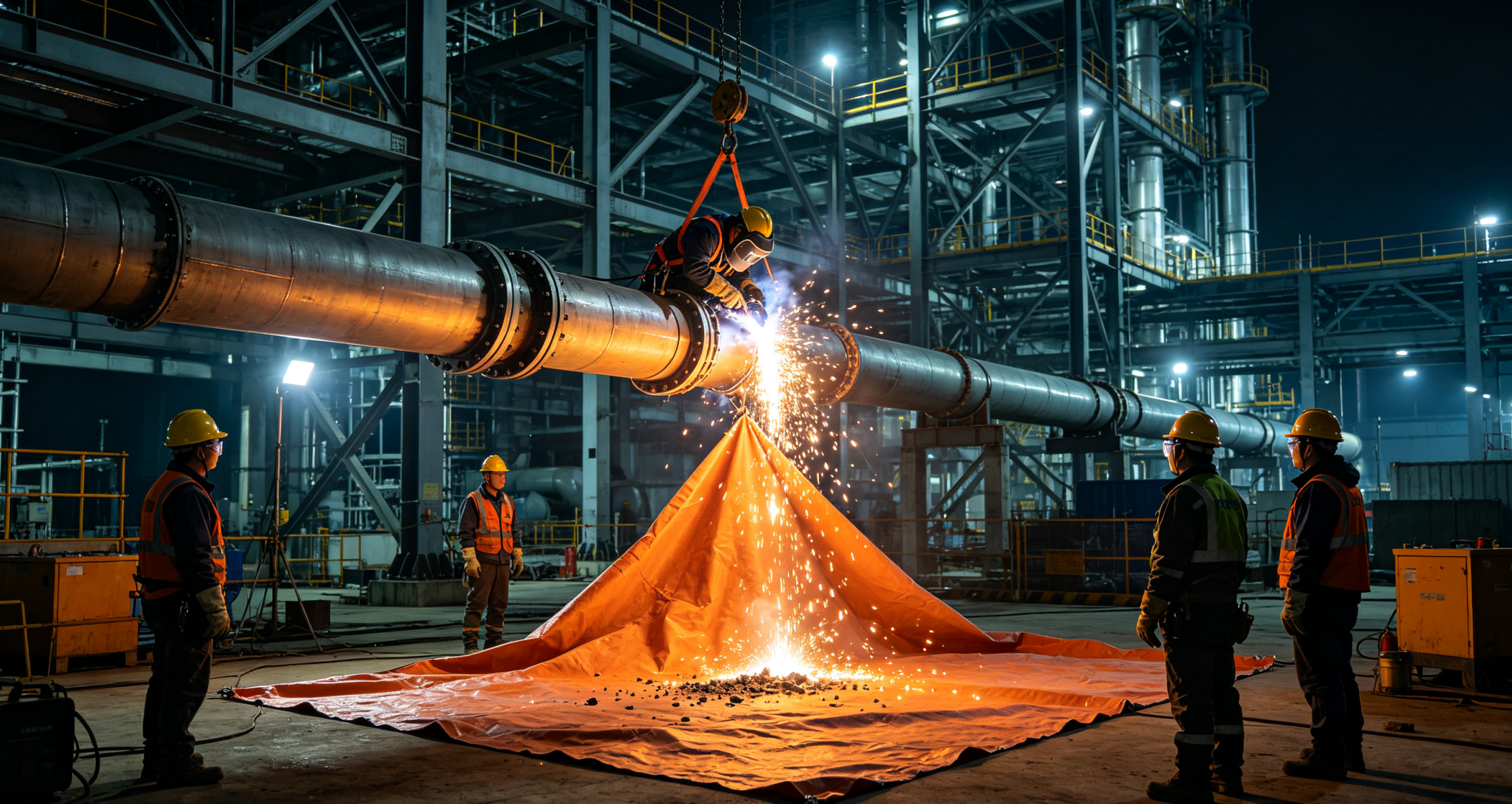
Welding sparks trigger most construction site fires. Even standardized operating procedures carry hidden risks if low-performance flame-retardant fabrics are used. Recent frequent construction fires sound alarms for hot work safety. Most welding-caused blazes stem from inadequate high-temperature slag shielding and substandard fire-resistant materials, rather than improper operation alone. Welding arcs hit over 6,000°C, with flying […]
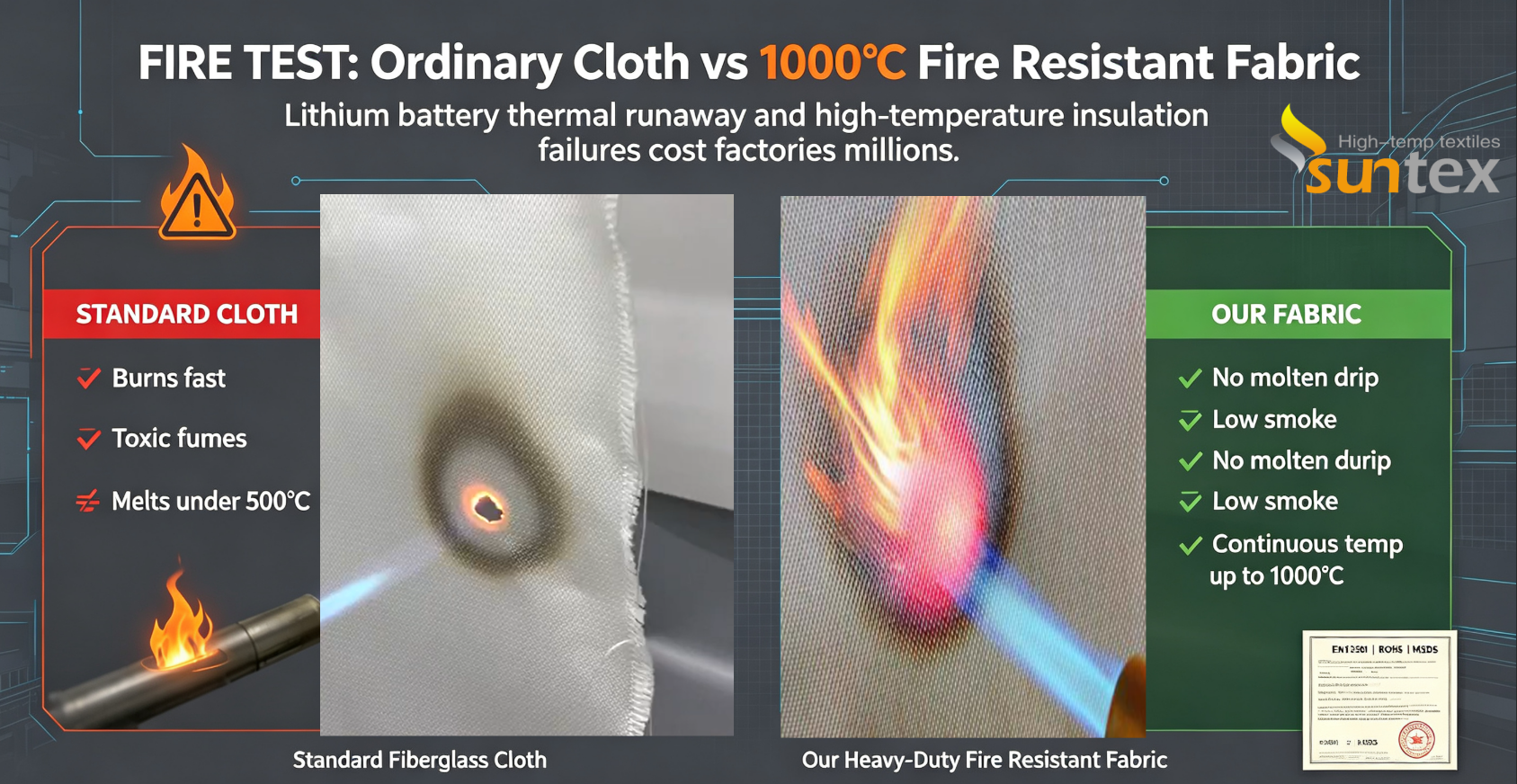
The Hidden Cost of Inferior Thermal Insulation Lithium battery thermal runaway and industrial high-temperature insulation failures frequently trigger factory fires, unplanned shutdowns and massive economic losses. Most of these accidents stem from low-performance standard insulation materials, rather than major equipment faults. Substandard fiberglass cloth fails under high heat, accelerating fire spread and causing costly industrial […]


 English
 Arabic
 Dutch
Dutch French
 German
 Italian
 Polish
 Portuguese
 Russian
 Spanish