

Is There Exaggerated Advertising Misleading Consumers?
Fireproof fabrics are widely used in construction, industrial protection, transportation, and home furnishings due to their flame-retardant properties. However, a common question arises: Can fireproof fabric truly achieve 100% fire resistance?
The answer is that no material is completely “100% fireproof.” Instead, fireproof fabrics are designed to resist ignition, slow down flame spread, and self-extinguish when the fire source is removed. Their performance depends on material composition, manufacturing processes, and compliance with international fire safety standards.
How Does Fireproof Fabric Work?
Fireproof fabrics are treated with flame-retardant chemicals or made from inherently fire-resistant fibers (such as fiberglass, aramid, or modacrylic). When exposed to flames, they:
Do not easily ignite
Slow down combustion
Form a protective char layer to block further burning
Self-extinguish when the flame is removed
Our Fireproof Fabrics Meet Strict International Certifications
To ensure reliability, our fireproof fabrics have passed multiple international safety tests, including:
✅ ISO 9001:2015 certified – Quality management system assurance
✅ China National high-tech enterprises certified – Recognized for advanced fireproof technology
✅ TUV & BV on-site audit – Verified by third-party inspections
✅ EN13501-1 A2 approved – European fire classification standard
✅ NFPA 701 & M0 certified – U.S. and French fire safety compliance
✅ UV EN13758-1 approved – UV resistance for outdoor use
✅ ASTM 84-12 Class A approved – High fire resistance in building materials
✅ EN1869 approved – Compliance with European fire blanket standards
✅ GB8624-A2 approved – China’s highest fireproof material rating
✅ ROHS IEC62321 approved – Free from hazardous substances
Our fabrics are trusted by global industry leaders, including:
China Nuclear Cooperation
Armstrong Flooring
Alstom, GE, Samsung, Marubeni
Lenzing, Promat, Thermal Ceramic Morgan
Conclusion: Is Fireproof Fabric Truly Fireproof?
While no fabric is 100% fireproof, high-quality flame-retardant fabrics significantly reduce fire risks by resisting ignition and slowing flame spread. Our products meet the world’s strictest certifications, ensuring safety and reliability for various applications.
When choosing fireproof fabrics, always check for authentic certifications and avoid exaggerated claims. Trust only tested and verified materials for true fire protection.
Would you like any modifications or additional details for your target audience?
Contact Details
Suntex Composite Industrial Co., Ltd.
Contact Person: Mr. Jason Hu
Tel: +86 132 0712 7986

Send your inquiry directly to us
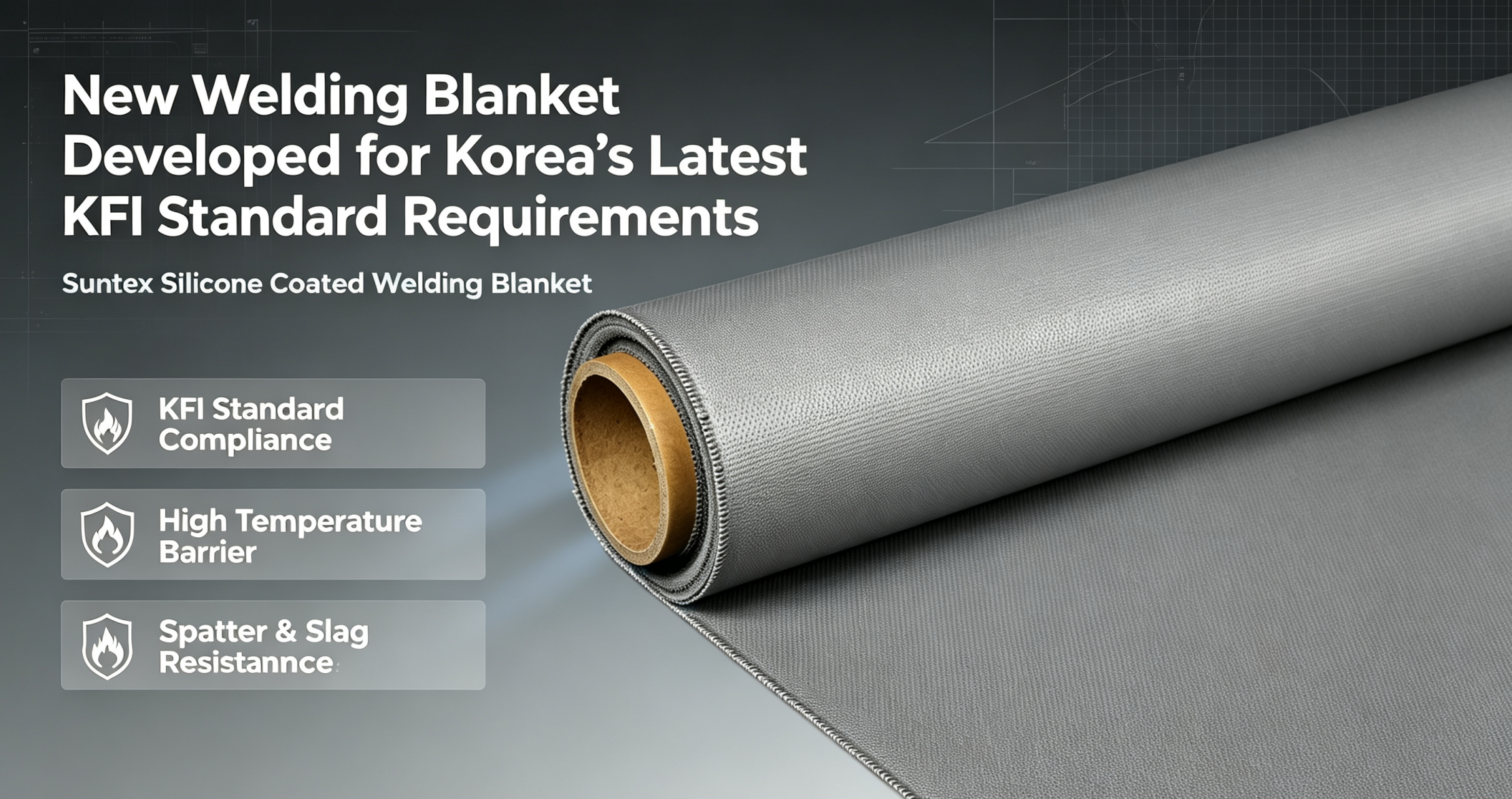
New Welding Blanket Developed for Korea’s Latest KFI Standard Requirements Suntex launches upgraded grey silicone-coated fiberglass welding blankets fully compliant with Korea’s latest KFI fire safety standards for hot work. Made of premium grey silicone coated fiberglass rolls, our blankets deliver reliable protection against welding sparks, molten slag, and high heat for welding, cutting, and […]
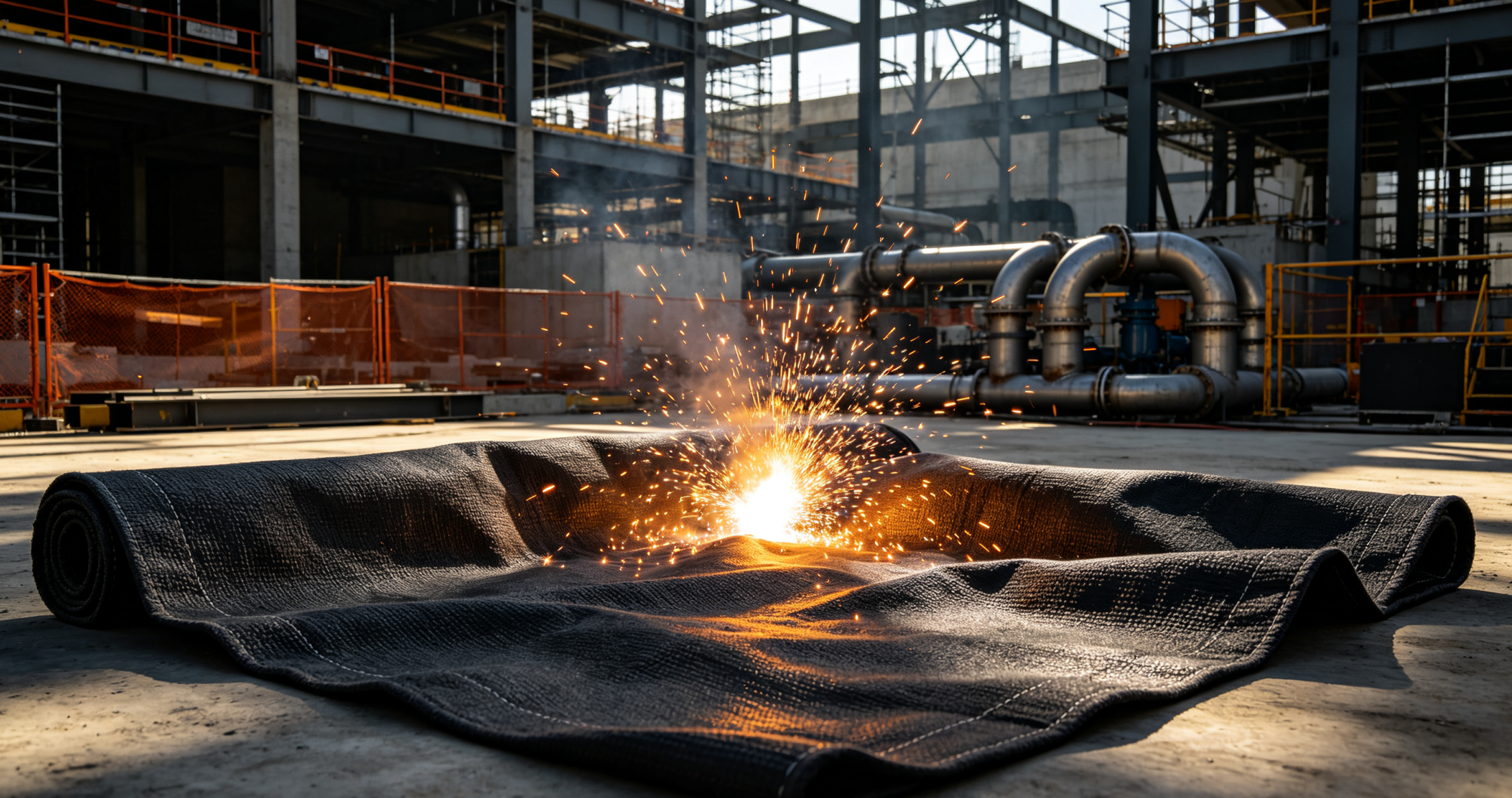
In the high-stakes environment of Japanese automotive manufacturing and precision machining, “good enough” is never enough. When a single stray spark can lead to costly downtime or compromise the integrity of automated assembly lines, the quality of your protective gear is a direct reflection of your operational safety standards. For facilities prioritizing fire prevention and […]
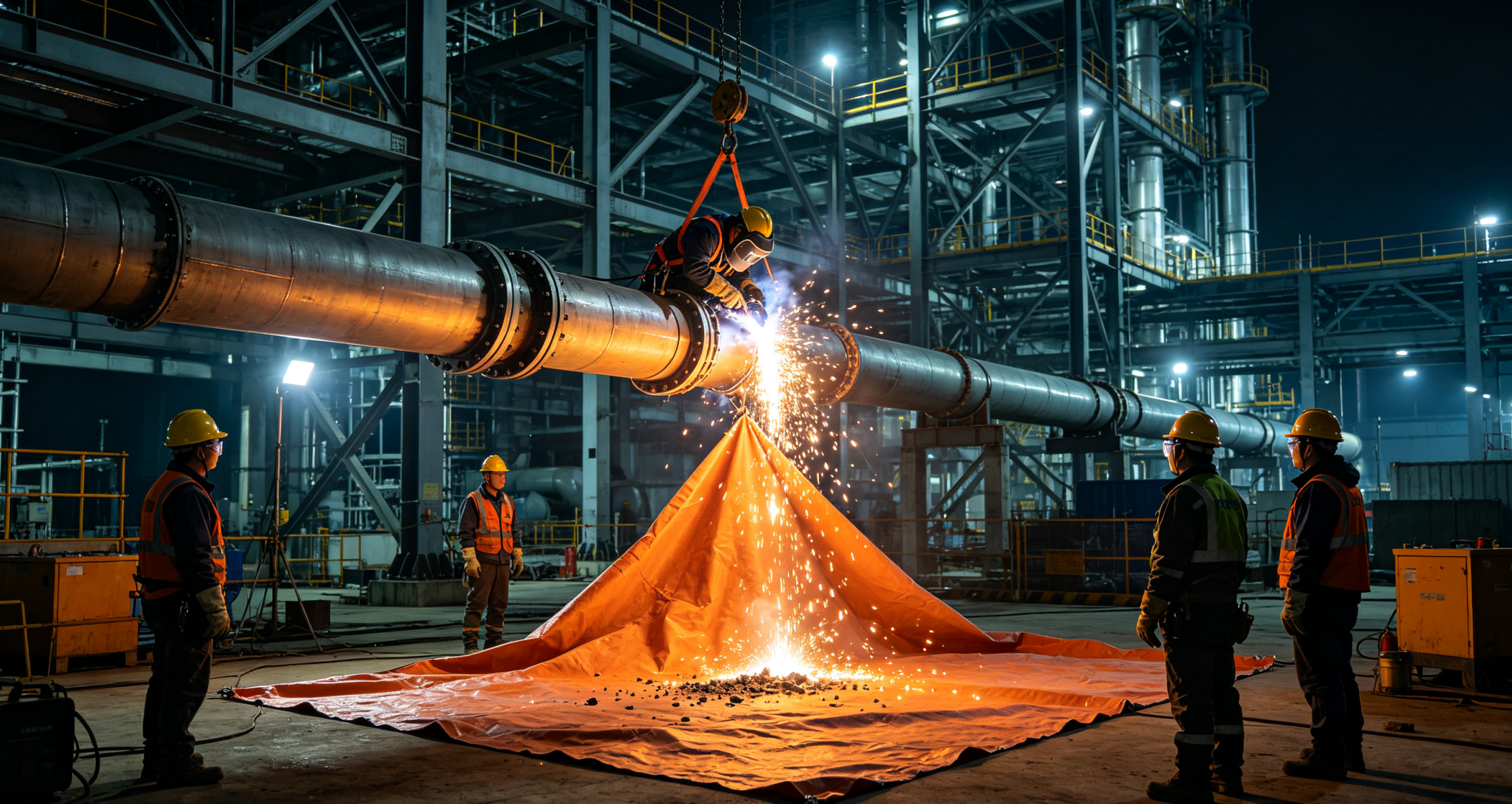
Welding sparks trigger most construction site fires. Even standardized operating procedures carry hidden risks if low-performance flame-retardant fabrics are used. Recent frequent construction fires sound alarms for hot work safety. Most welding-caused blazes stem from inadequate high-temperature slag shielding and substandard fire-resistant materials, rather than improper operation alone. Welding arcs hit over 6,000°C, with flying […]
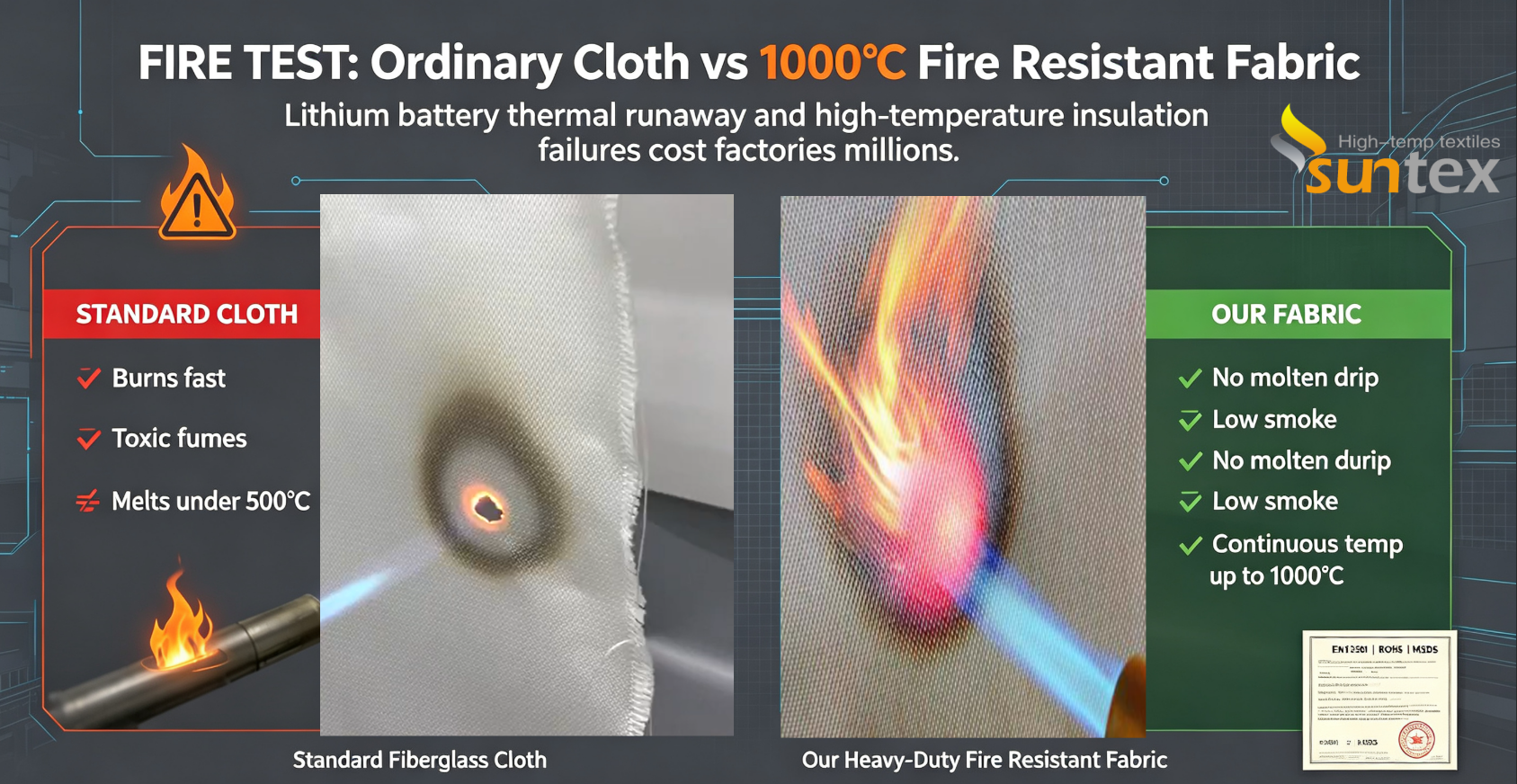
The Hidden Cost of Inferior Thermal Insulation Lithium battery thermal runaway and industrial high-temperature insulation failures frequently trigger factory fires, unplanned shutdowns and massive economic losses. Most of these accidents stem from low-performance standard insulation materials, rather than major equipment faults. Substandard fiberglass cloth fails under high heat, accelerating fire spread and causing costly industrial […]


 English
 Arabic
 Dutch
Dutch French
 German
 Italian
 Polish
 Portuguese
 Russian
 Spanish