

Can You Believe It? Glass Bottles and Cups Are Actually Made from Stone. Fiberglass: The “Invisible Champion” Behind the Upgrade of Plastics. In the global manufacturing wave pursuing “lighter, stronger, and more efficient,” a magical material derived from stone—fiberglass—is creating more legends.
Not only does it “strengthen and transform” plastic products, but its ultra-high cost-performance ratio is also driving innovation in industries like automotive, wind power, and electronics. This year, the global market size of this “invisible champion” is expected to reach a new milestone of $27 billion.

I. The Alchemy of “Turning Stone into Gold”
This seemingly ordinary material hides astonishing energy:
• A single strand of fiberglass, as fine as hair, has three times the tensile strength of steel but weighs only a quarter as much.
• When nylon plastic is blended with 30% fiberglass, heat resistance significantly improves (from 80°C to 180°C), and deformation rate decreases by 60%.

Electric vehicle giants have already reaped the benefits. Using this “plastic + fiberglass” composite material for battery casings makes them 30% lighter than traditional aluminum, effectively giving each EV an “invisible battery” that greatly extends driving range. The wind power sector has witnessed even greater miracles—one out of every three giant wind turbine blades globally uses fiberglass from China’s Jushi Group. With blades reaching 123 meters (about the height of a 40-story building), power generation efficiency has achieved a leap forward.
II. A Money-Saving “Black Tech” Rewrites Industry Rules
Compared to the “noble material” carbon fiber, fiberglass exhibits the traits of an “affordable aristocrat”:
• Price: Only 1/5 that of carbon fiber
• Performance: Retains 80% of the core advantages
This is its secret to sweeping the market: From corrosion-resistant construction materials to 5G base station antenna covers, from fiberglass-reinforced office furniture to mountaineers’ gear boxes, its presence is everywhere. Chinese companies have further reduced costs through “green smart manufacturing.” For example, Jushi Group’s Huaian base employs green electricity production and 100% waste fiber recycling technology, achieving 33% lower carbon emission intensity than the industry average and saving over 1 million tons of mineral resources annually. It is this combination of “technology + scale” that has allowed China to control 60% of the global fiberglass production capacity, making it the rule-setter in the industry.
III. The “Future Is Here” Application Landscape
Fiberglass is breaking into more application fields:
✓ AI server heat sinks (expected annual growth: 15%)
✓ New energy vehicle components (penetration rate expected to exceed 40%)
✓ Fiberglass photovoltaic frame supports (penetration rate expected to exceed 30%)
✓ Wind turbine systems (global demand expected to grow by 25%)
Chinese fiberglass companies have already begun global expansion, establishing overseas production bases in countries like Egypt, the U.S., Brazil, Bahrain, and Thailand. These “overseas strongholds” not only mitigate trade risks but also deeply integrate “Made in China with Wisdom” into the global supply chain.
From everyday items to national megaprojects, this new material derived from stone is quietly changing the world. Fiberglass proves with its strength: True innovation often lies hidden in the most ordinary elements.
Contact Details
Suntex Composite Industrial Co., Ltd.
Contact Person: Mr. Jason Hu
Tel: +86 132 0712 7986

Send your inquiry directly to us
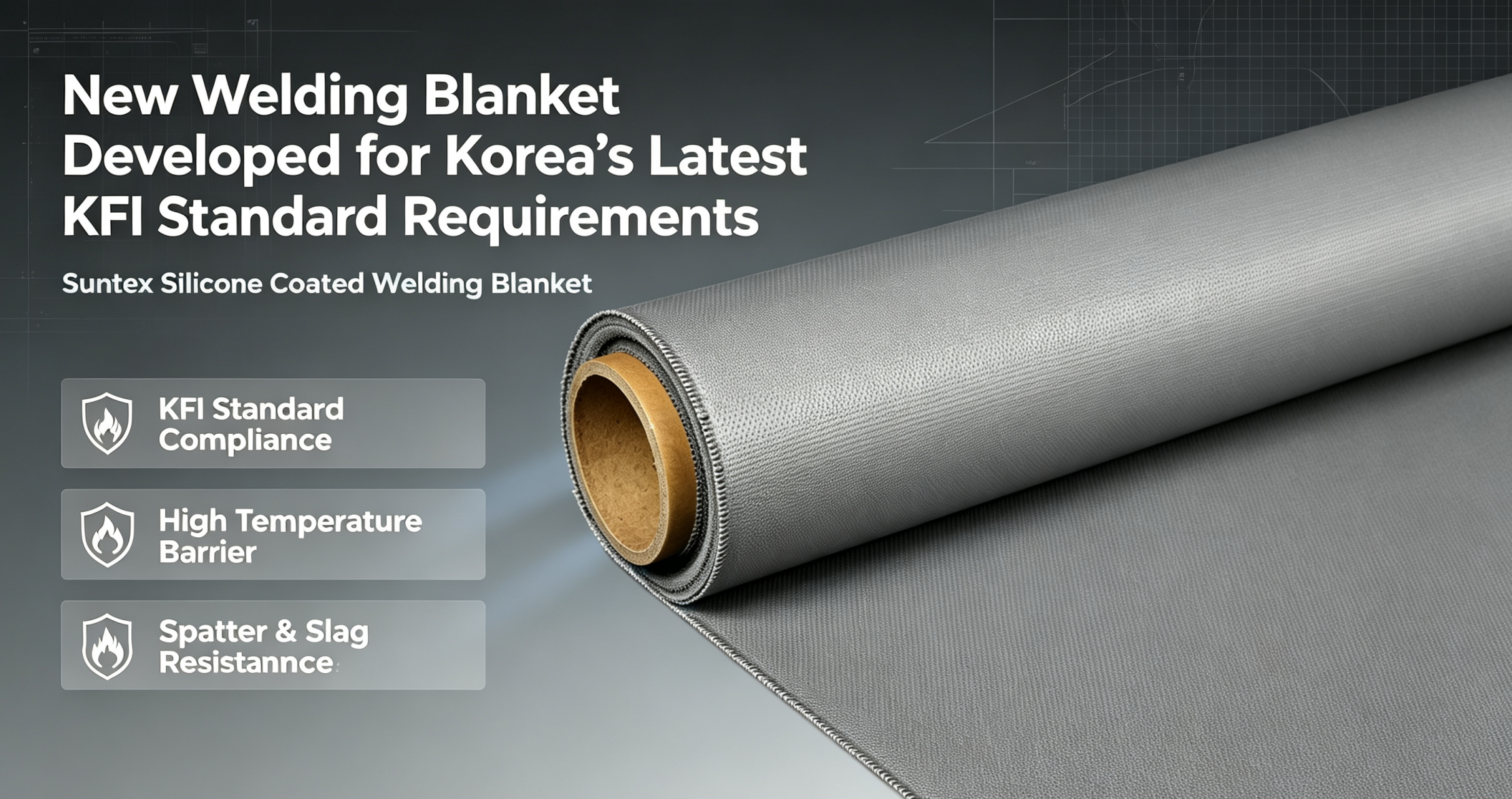
New Welding Blanket Developed for Korea’s Latest KFI Standard Requirements Suntex launches upgraded grey silicone-coated fiberglass welding blankets fully compliant with Korea’s latest KFI fire safety standards for hot work. Made of premium grey silicone coated fiberglass rolls, our blankets deliver reliable protection against welding sparks, molten slag, and high heat for welding, cutting, and […]
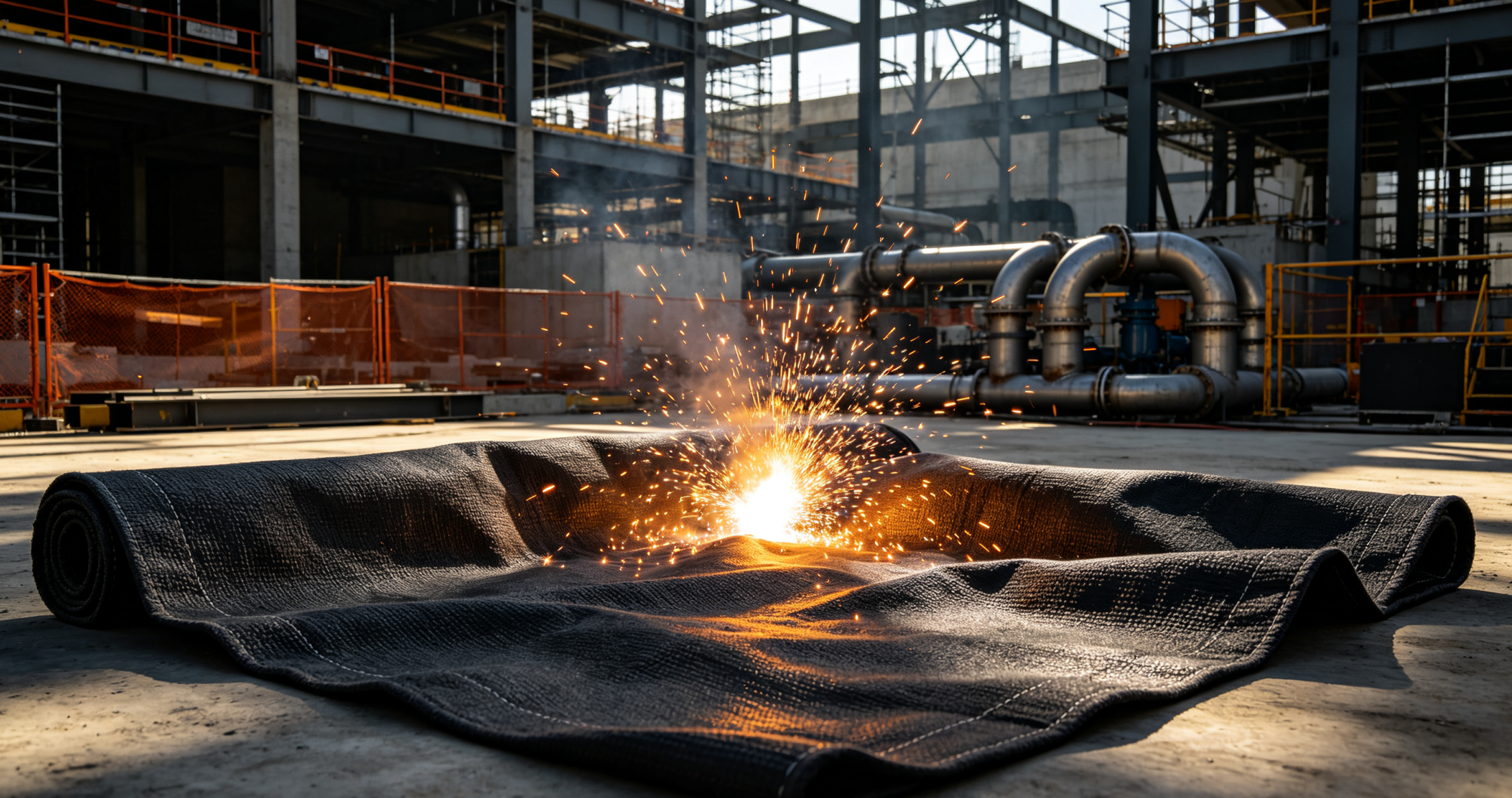
In the high-stakes environment of Japanese automotive manufacturing and precision machining, “good enough” is never enough. When a single stray spark can lead to costly downtime or compromise the integrity of automated assembly lines, the quality of your protective gear is a direct reflection of your operational safety standards. For facilities prioritizing fire prevention and […]
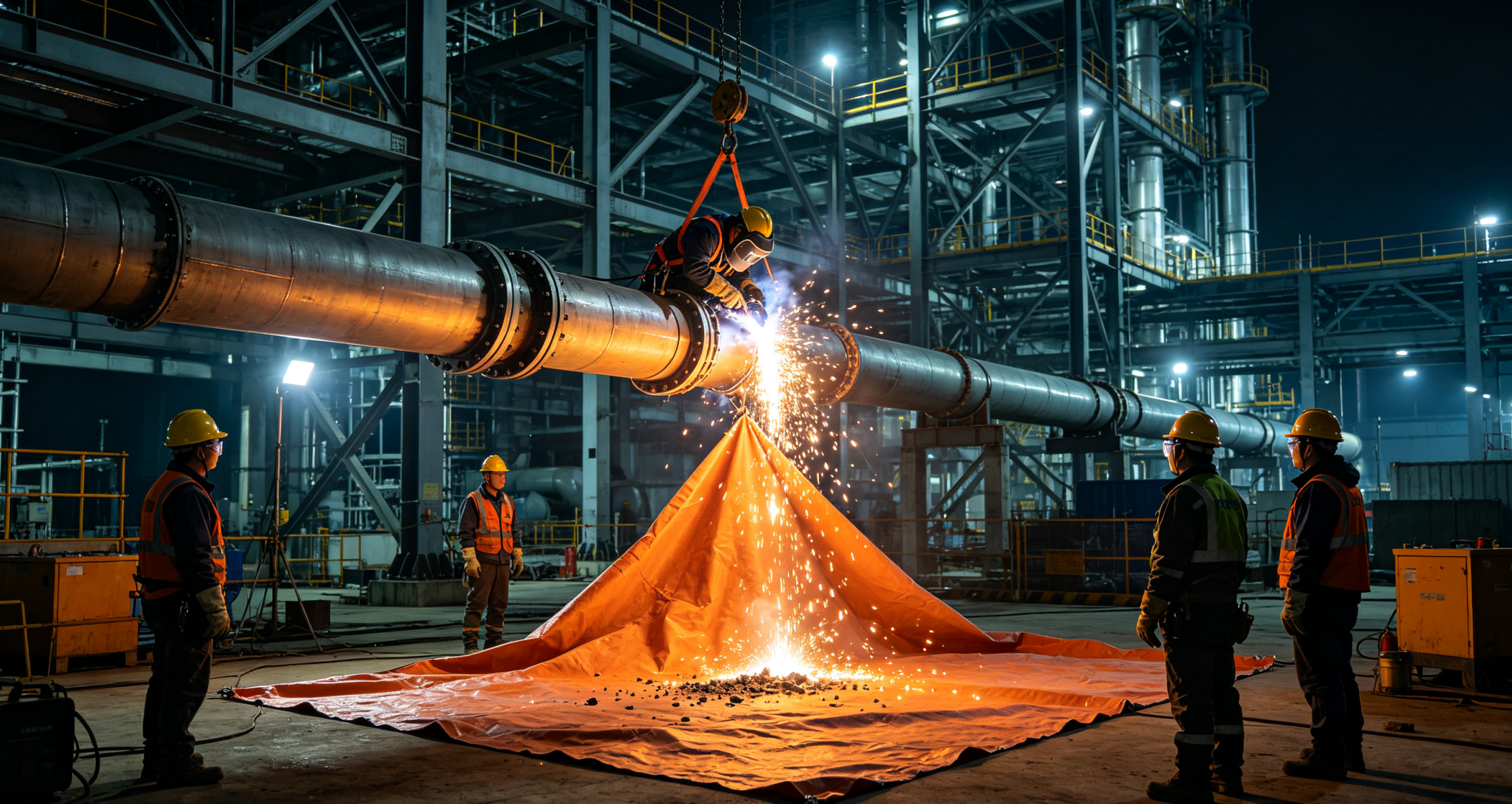
Welding sparks trigger most construction site fires. Even standardized operating procedures carry hidden risks if low-performance flame-retardant fabrics are used. Recent frequent construction fires sound alarms for hot work safety. Most welding-caused blazes stem from inadequate high-temperature slag shielding and substandard fire-resistant materials, rather than improper operation alone. Welding arcs hit over 6,000°C, with flying […]
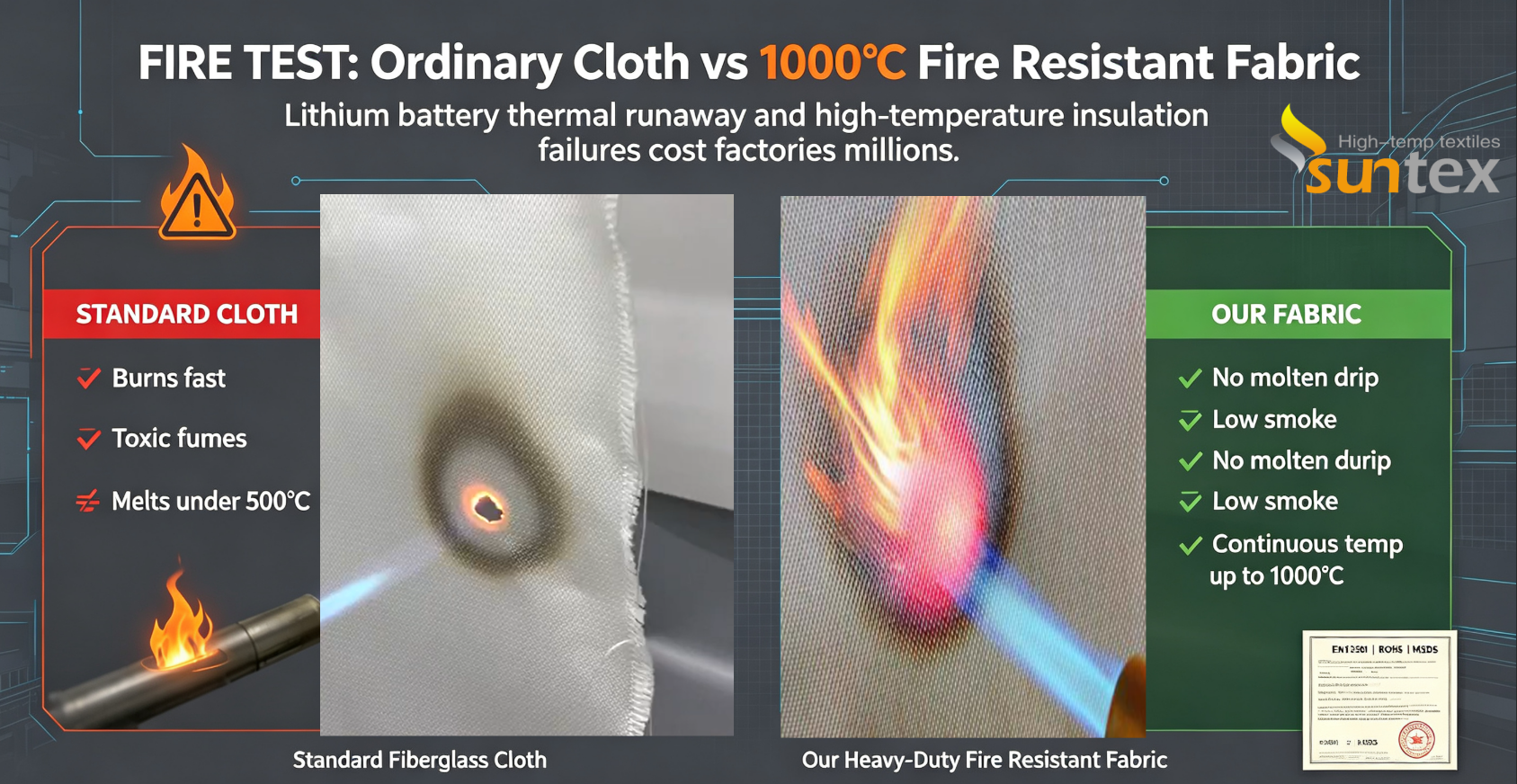
The Hidden Cost of Inferior Thermal Insulation Lithium battery thermal runaway and industrial high-temperature insulation failures frequently trigger factory fires, unplanned shutdowns and massive economic losses. Most of these accidents stem from low-performance standard insulation materials, rather than major equipment faults. Substandard fiberglass cloth fails under high heat, accelerating fire spread and causing costly industrial […]


 English
 Arabic
 Dutch
Dutch French
 German
 Italian
 Polish
 Portuguese
 Russian
 Spanish