

In high-temperature, spark-prone, or fire-risk environments, traditional fireproof materials often struggle to balance heat resistance, lightweight properties, and flexibility. The emergence of carbon alloy high-temperature fireproof fabric has transformed this landscape. By combining the strength of carbon fiber with the heat-reflective properties of alloy coatings, it has become a cutting-edge material for industrial, firefighting, and even household safety applications.

I. Core Materials and Structural Design1. Carbon Fiber Framework: High-Strength, Heat-Resistant Foundation
Carbon fiber serves as the core skeleton of the fireproof fabric, providing:
High-temperature resistance: Withstands temperatures above 1000°C long-term and up to 1500°C briefly (e.g., molten metal splashes).
High strength: 5x the tensile strength of steel at just 1/4 the weight, ideal for dynamic protection (e.g., firefighting suits).
Stability: Releases no toxic fumes at high temperatures, meeting environmental standards.

2. Alloy Coating: The Thermal “Reflective Shield”Using vacuum deposition technology, layers of aluminum, nickel, or stainless steel alloy are bonded to the carbon fiber:
Heat reflection: Reflects over 90% of infrared radiation, minimizing heat transfer.
Oxidation and corrosion resistance: Resists acids, alkalis, salt spray, and industrial exhaust, extending service life.

3. Multi-Layer Composite Structure
Typical layer design
Outer layer: Alloy reflective coating (deflects radiant heat)
Middle layer: Carbon fiber mesh (absorbs mechanical impact)
Inner layer: Ceramic fiber/silicone coating (blocks residual heat)
II. Five Major Applications
1. Industrial Sector
High-temperature equipment protection: Wraps pipelines in smelting furnaces or chemical reactors to reduce heat loss.
Welding operations: Blocks spark splatter, protecting workers and sensitive equipment.
2. Firefighting & Emergency Response
Firefighter suits: Lightweight design enhances mobility while resisting extreme heat.
Emergency blankets: Essential for homes/public spaces to smother flames.
3. Aerospace
Engine insulation: Used in rocket nozzles and aircraft engine bays, reducing weight by 30%.
4. Civilian Use
Kitchen safety: Smothers oil fires or acts as a stovetop flame barrier.
Laboratories: Shields against high-temperature instruments.
5. Power & New Energy
Battery fire isolation: Delays thermal runaway in EV battery packs.
III. Why Choose Carbon Alloy Fireproof Fabric?
Cost-effective: Higher upfront cost but lasts 10+ years, lowering long-term expenses.
Versatile: Covers industrial, household, and specialized needs.
IV. Future Trends
As aerospace and green energy industries grow, this fabric is evolving toward ultra-thin (<0.5 mm) and smart (integrated temperature sensors) designs—poised to become the “invisible armor” of safety technology.
>> Did You Know? SpaceX’s 2023 Starship test used carbon alloy fireproof materials to withstand 1600°C during atmospheric re-entry!
Contact Details
Suntex Composite Industrial Co., Ltd.
Contact Person: Mr. Jason Hu
Tel: +86 132 0712 7986

Send your inquiry directly to us
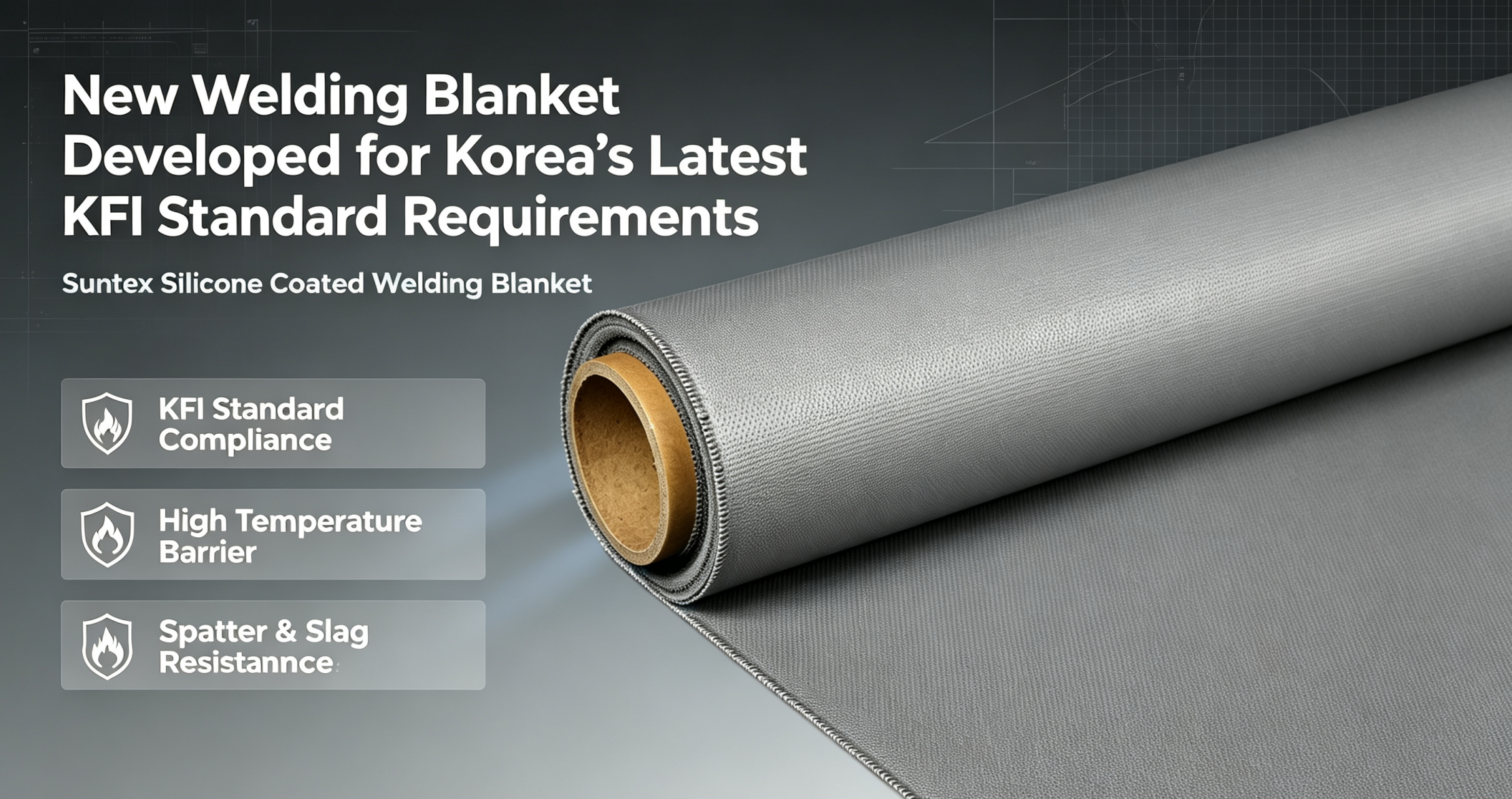
New Welding Blanket Developed for Korea’s Latest KFI Standard Requirements Suntex launches upgraded grey silicone-coated fiberglass welding blankets fully compliant with Korea’s latest KFI fire safety standards for hot work. Made of premium grey silicone coated fiberglass rolls, our blankets deliver reliable protection against welding sparks, molten slag, and high heat for welding, cutting, and […]
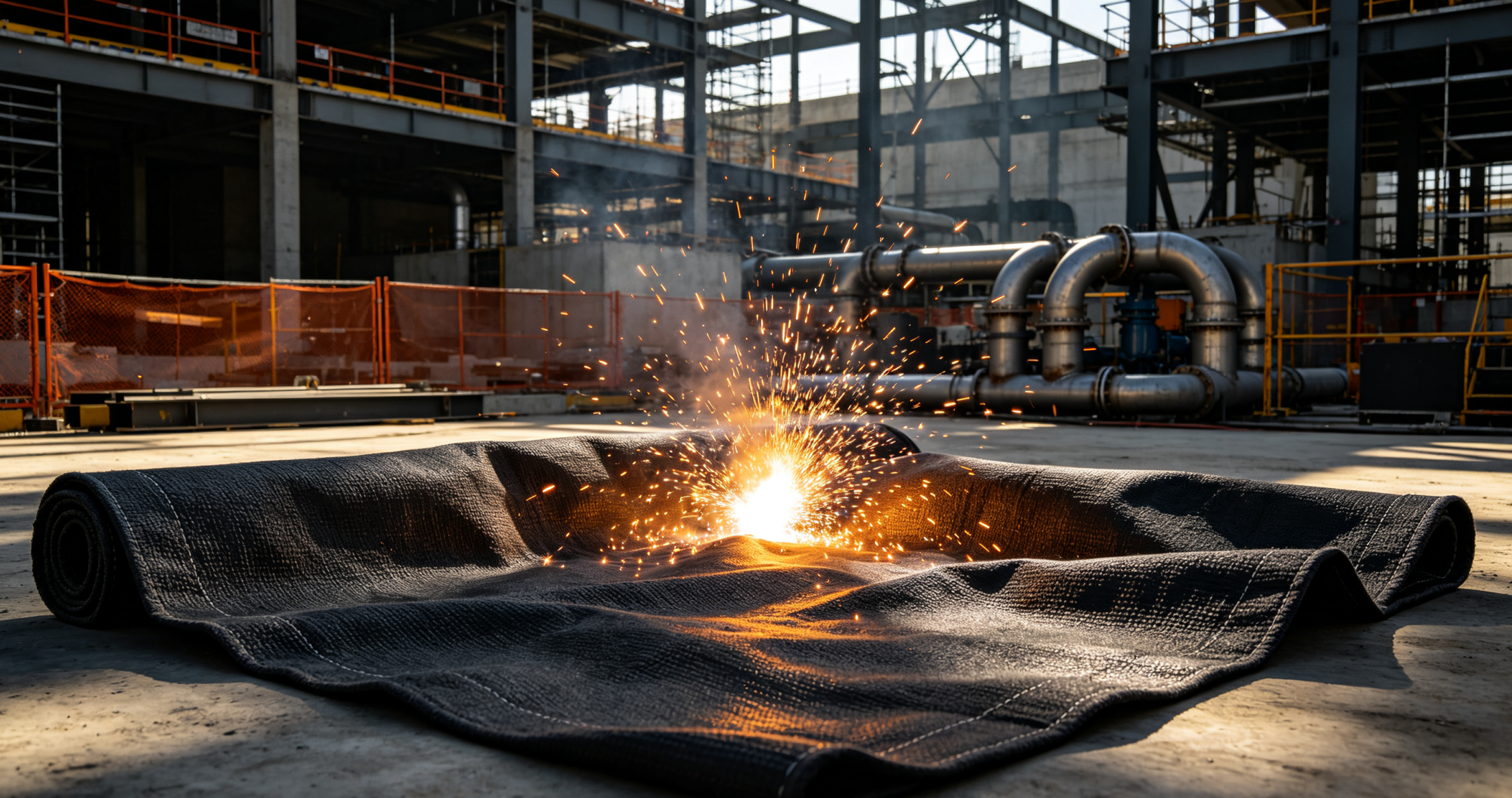
In the high-stakes environment of Japanese automotive manufacturing and precision machining, “good enough” is never enough. When a single stray spark can lead to costly downtime or compromise the integrity of automated assembly lines, the quality of your protective gear is a direct reflection of your operational safety standards. For facilities prioritizing fire prevention and […]
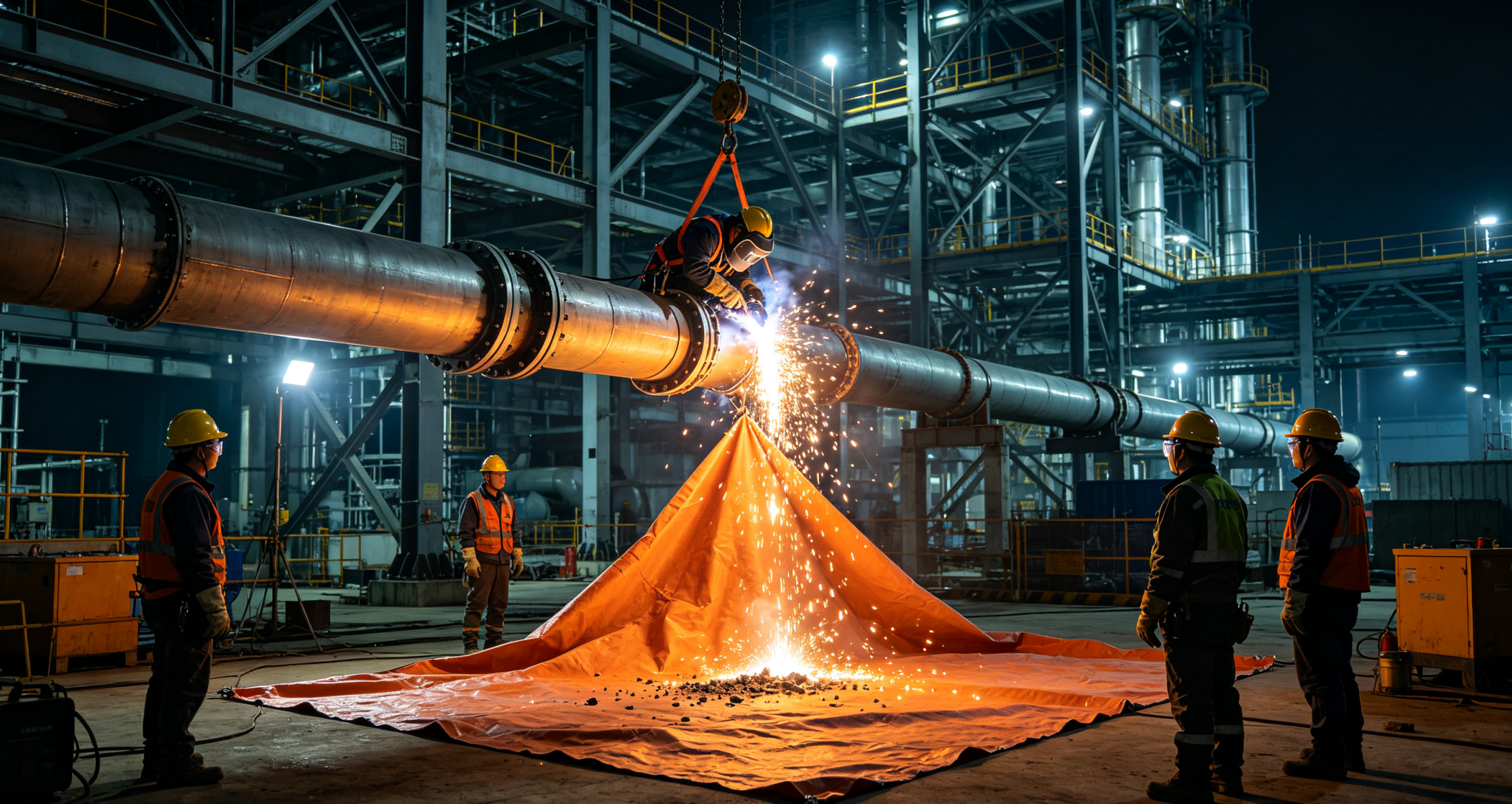
Welding sparks trigger most construction site fires. Even standardized operating procedures carry hidden risks if low-performance flame-retardant fabrics are used. Recent frequent construction fires sound alarms for hot work safety. Most welding-caused blazes stem from inadequate high-temperature slag shielding and substandard fire-resistant materials, rather than improper operation alone. Welding arcs hit over 6,000°C, with flying […]
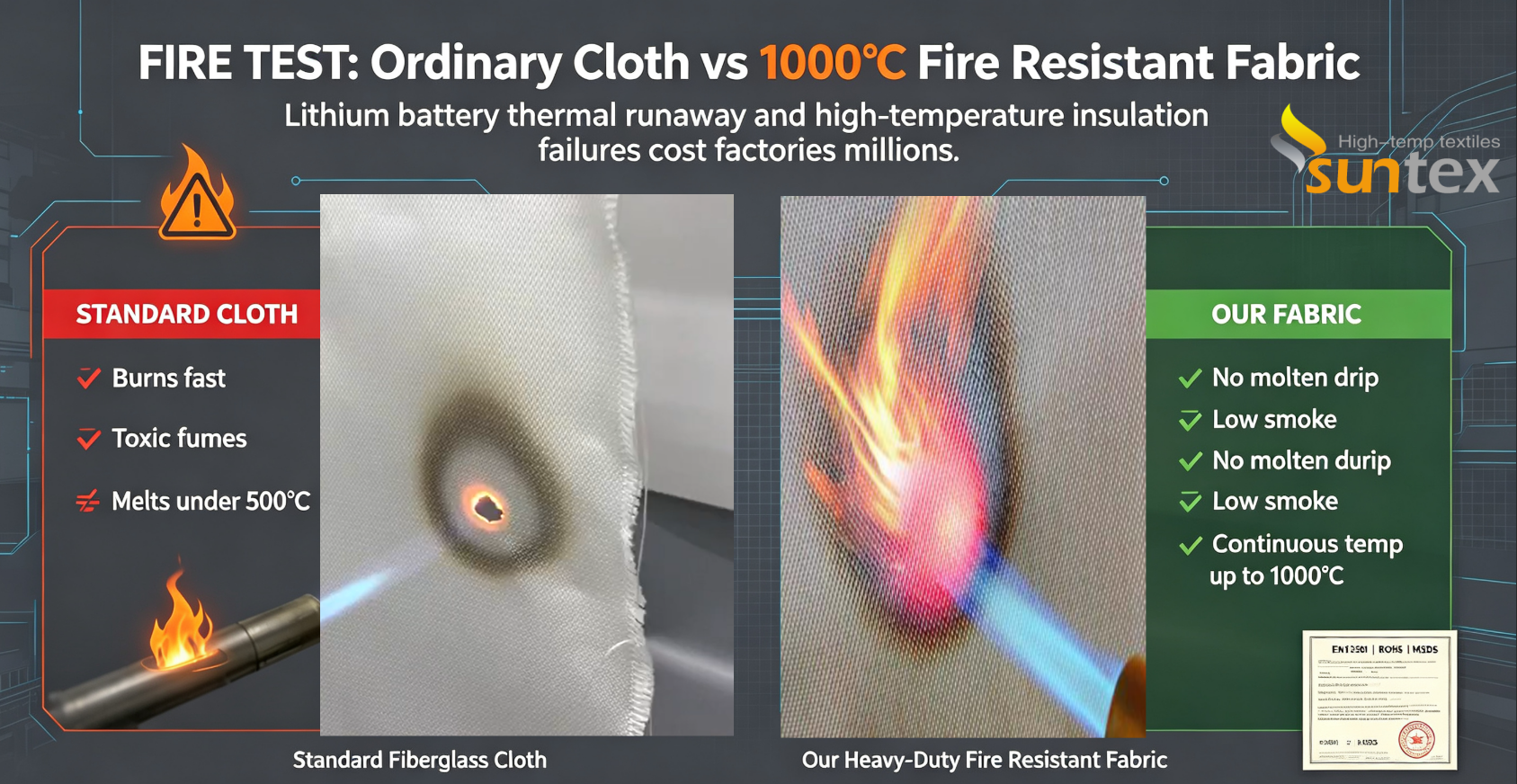
The Hidden Cost of Inferior Thermal Insulation Lithium battery thermal runaway and industrial high-temperature insulation failures frequently trigger factory fires, unplanned shutdowns and massive economic losses. Most of these accidents stem from low-performance standard insulation materials, rather than major equipment faults. Substandard fiberglass cloth fails under high heat, accelerating fire spread and causing costly industrial […]


 English
 Arabic
 Dutch
Dutch French
 German
 Italian
 Polish
 Portuguese
 Russian
 Spanish