

Why Fishing Rods Use Carbon Fiber While Bathtubs Use Fiberglass: The Material Science of “Good Enough”
Ever wonder why high-performance fishing rods are almost always made from carbon fiber, yet your bathtub is almost certainly made from fiberglass? They’re both “fiber-reinforced composites,” so why not swap them? The answer is a perfect lesson in engineering trade-offs: selecting the right material isn’t about finding the “best” one, but the most appropriate one for the job.

Let’s meet our two contenders:
Carbon Fiber: The Precision Athlete
Think of carbon fiber as the high-strung, elite athlete of materials. Its key superpowers are an exceptionally high stiffness-to-weight and strength-to-weight ratio (specific modulus and specific strength). It’s incredibly light and rigid. This translates directly to what anglers need:
Sensitivity: To feel the faintest nibble.
Rebound/Power: To efficiently transfer energy from your hands to the hook during a cast or hook set.
Fatigue Resistance: To withstand thousands of flexes without degrading.

Yes, it’s expensive, somewhat brittle against sharp impacts, and conductive. But for a high-value, performance-critical tool like a fishing rod, its unparalleled “light-and-stiff” properties justify the cost. Manufacturing methods like prepreg rolling allow precise control over the fiber alignment, optimizing the rod’s bending curve for specific fishing styles.
Fiberglass: The Durable Workhorse
Fiberglass, on the other hand, is the reliable, cost-effective workhorse. Its advantages lie in low cost, good toughness, impact resistance, excellent corrosion resistance, and superb manufacturability. For a bathtub, the requirements are different:
Sufficient Strength & Rigidity: It must hold a person and water without flexing unduly.
Corrosion & Chemical Resistance: To withstand decades of hot water, soaps, and shampoos.
Ease of Forming: Bathtubs have complex, smooth curves. Processes like hand lay-up or spray-up with fiberglass mats are perfectly suited for this. They require relatively low investment in tooling and are ideal for large, non-structural parts.
Thermal Insulation: It stays warm to the touch better than metal.
The Engineering Verdict: Performance vs. Practicality
Fishing Rods are driven by PERFORMANCE. The premium price of carbon fiber is accepted because it delivers a tangible, superior user experience that glass fiber cannot match. It’s a case of “cost no object” for peak function.

Bathtubs are driven by COST & ADEQUACY. A bathtub doesn’t need aerospace-grade stiffness. Fiberglass provides more than enough strength, durability, and chemical resistance at the lowest possible cost. It’s the ultimate example of “good enough” engineering – meeting all specifications without over-engineering.
What if we swapped them?
A fiberglass fishing rod would be heavy, soft, and unresponsive—a frustrating experience. A carbon fiber bathtub would be astronomically expensive, unnecessarily stiff, and surprisingly fragile against dropped shampoo bottles. It would be a spectacular case of performance overkill and financial waste.
The Takeaway:
This contrast beautifully illustrates a core principle of design: The right material is the one that optimally balances performance requirements, manufacturability, and cost for the specific application. Carbon fiber reigns where every gram and every bit of stiffness counts. Fiberglass dominates where value, durability, and ease of shaping complex forms are king. It’s not that one is better than the other—it’s that each is perfectly chosen for its battlefield.
Contact Details
Suntex Composite Industrial Co., Ltd.
Contact Person: Mr. Jason Hu
Tel: +86 132 0712 7986

Send your inquiry directly to us
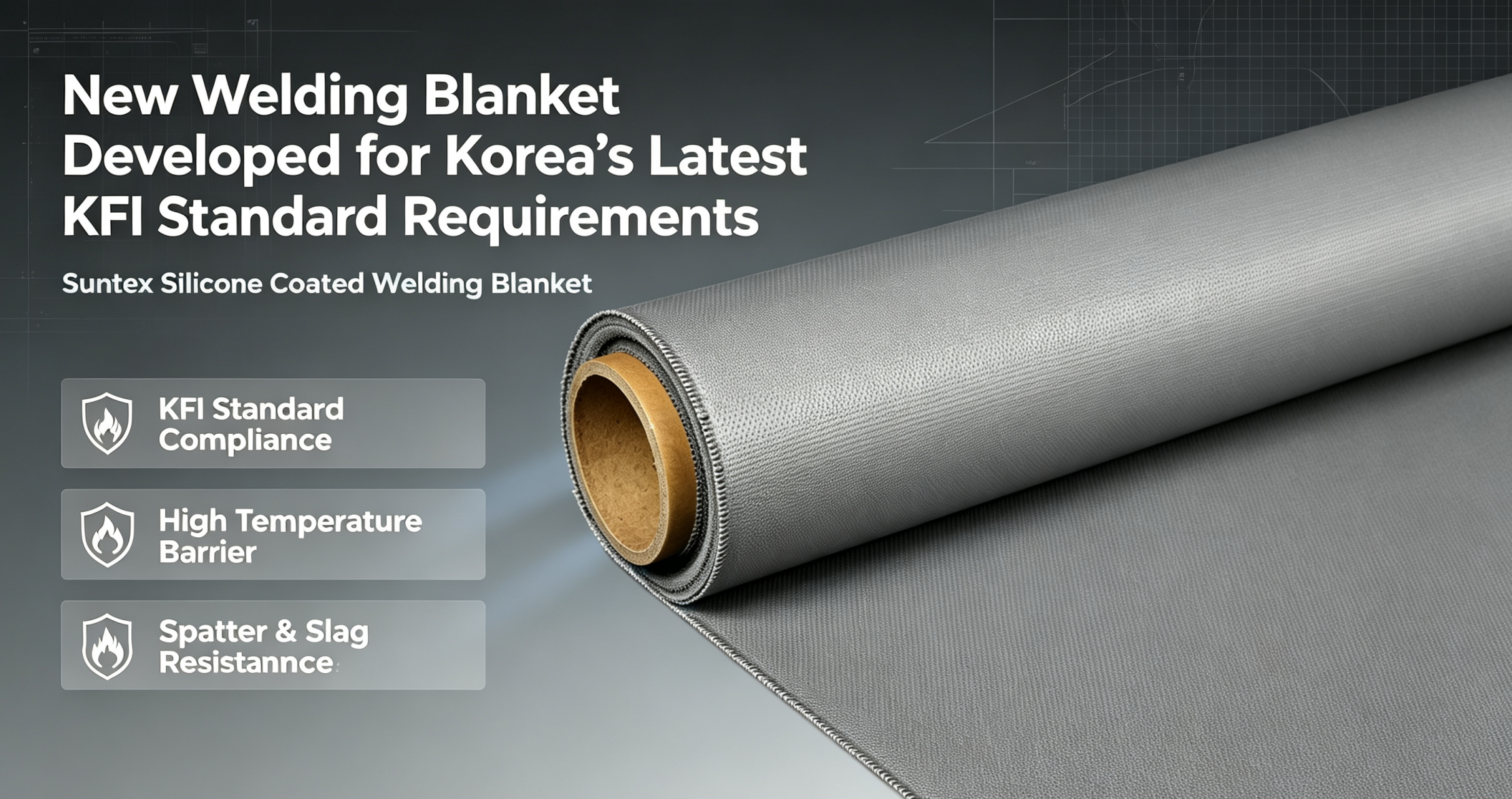
New Welding Blanket Developed for Korea’s Latest KFI Standard Requirements Suntex launches upgraded grey silicone-coated fiberglass welding blankets fully compliant with Korea’s latest KFI fire safety standards for hot work. Made of premium grey silicone coated fiberglass rolls, our blankets deliver reliable protection against welding sparks, molten slag, and high heat for welding, cutting, and […]
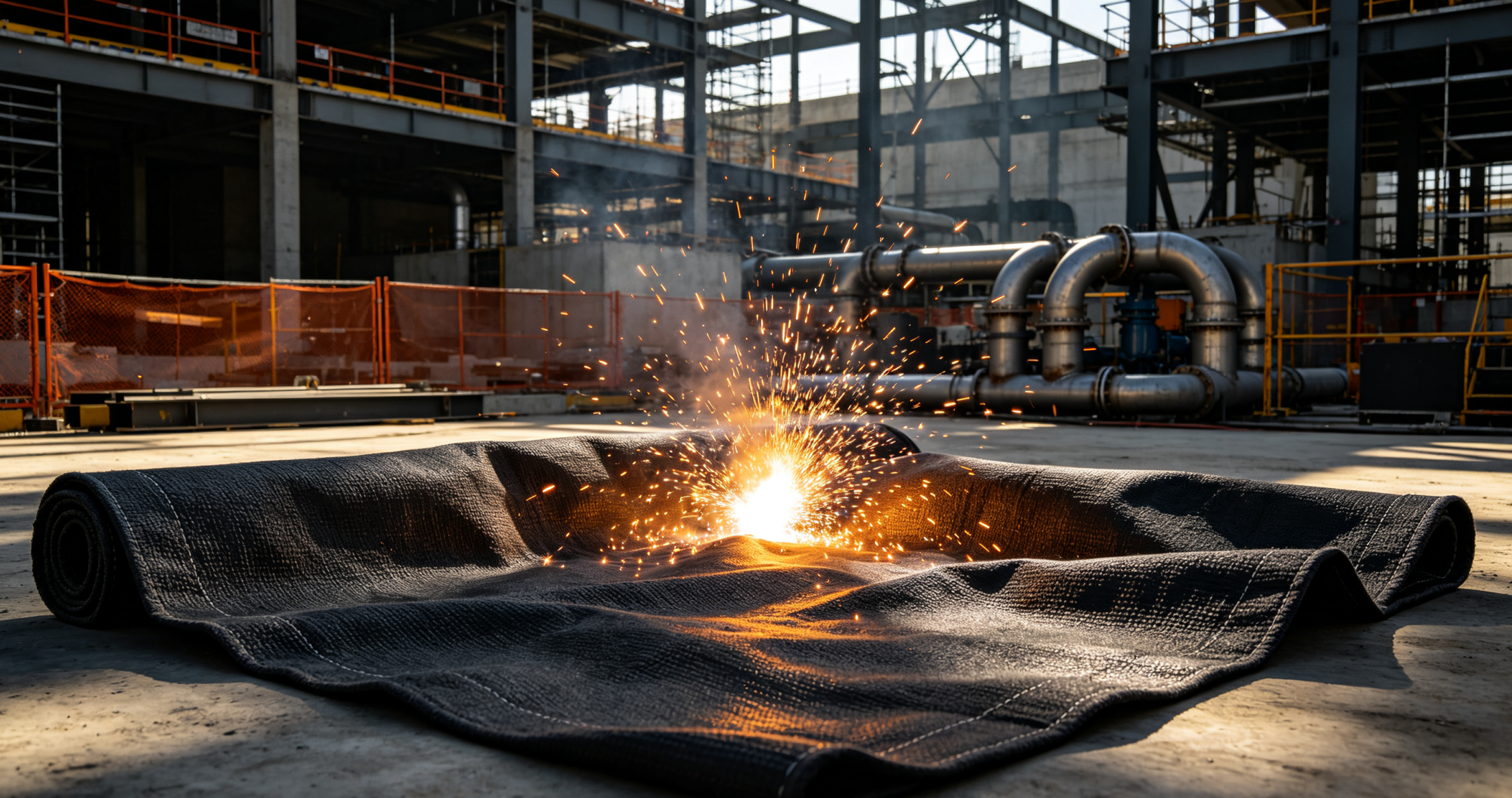
In the high-stakes environment of Japanese automotive manufacturing and precision machining, “good enough” is never enough. When a single stray spark can lead to costly downtime or compromise the integrity of automated assembly lines, the quality of your protective gear is a direct reflection of your operational safety standards. For facilities prioritizing fire prevention and […]
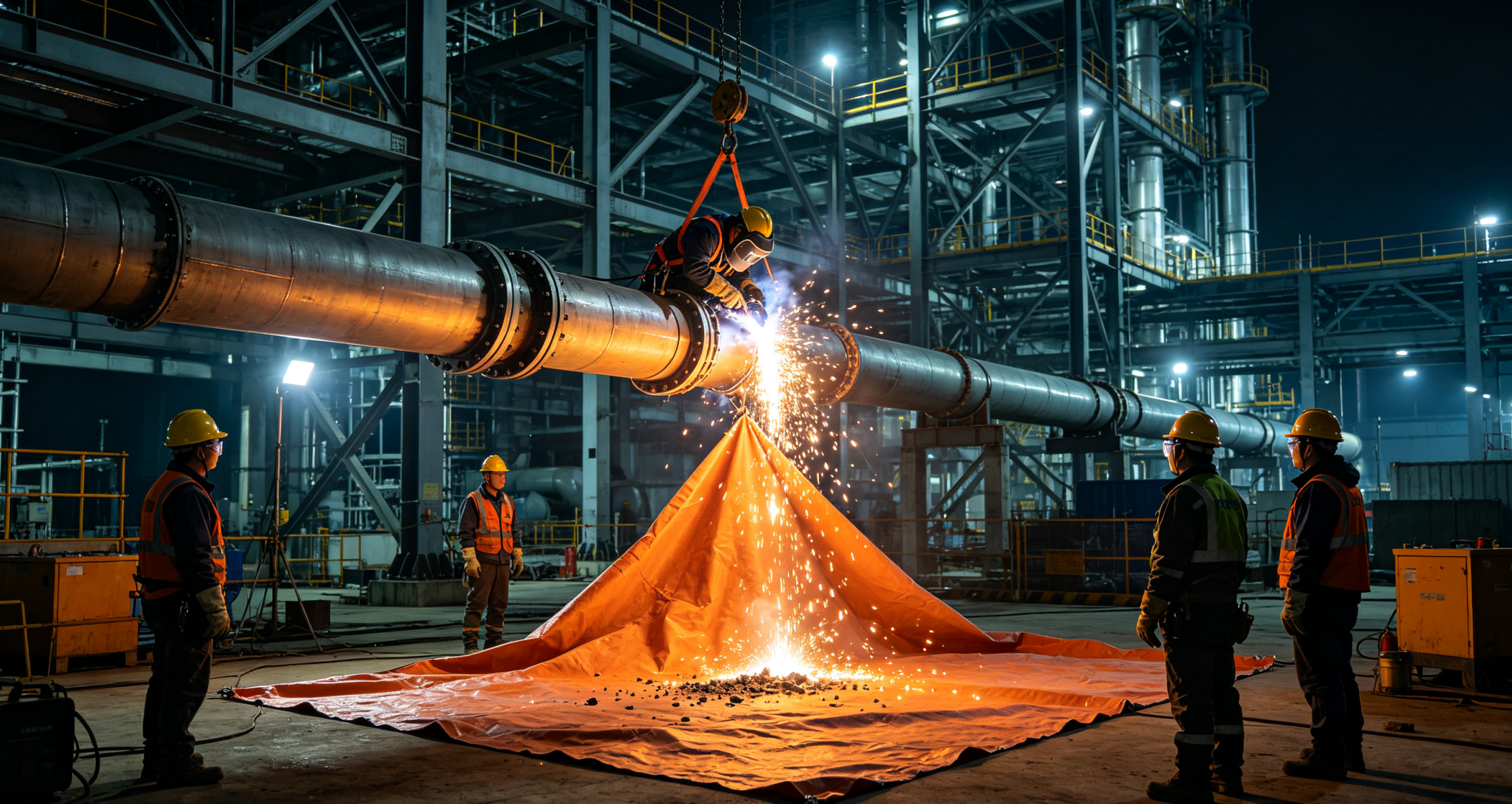
Welding sparks trigger most construction site fires. Even standardized operating procedures carry hidden risks if low-performance flame-retardant fabrics are used. Recent frequent construction fires sound alarms for hot work safety. Most welding-caused blazes stem from inadequate high-temperature slag shielding and substandard fire-resistant materials, rather than improper operation alone. Welding arcs hit over 6,000°C, with flying […]
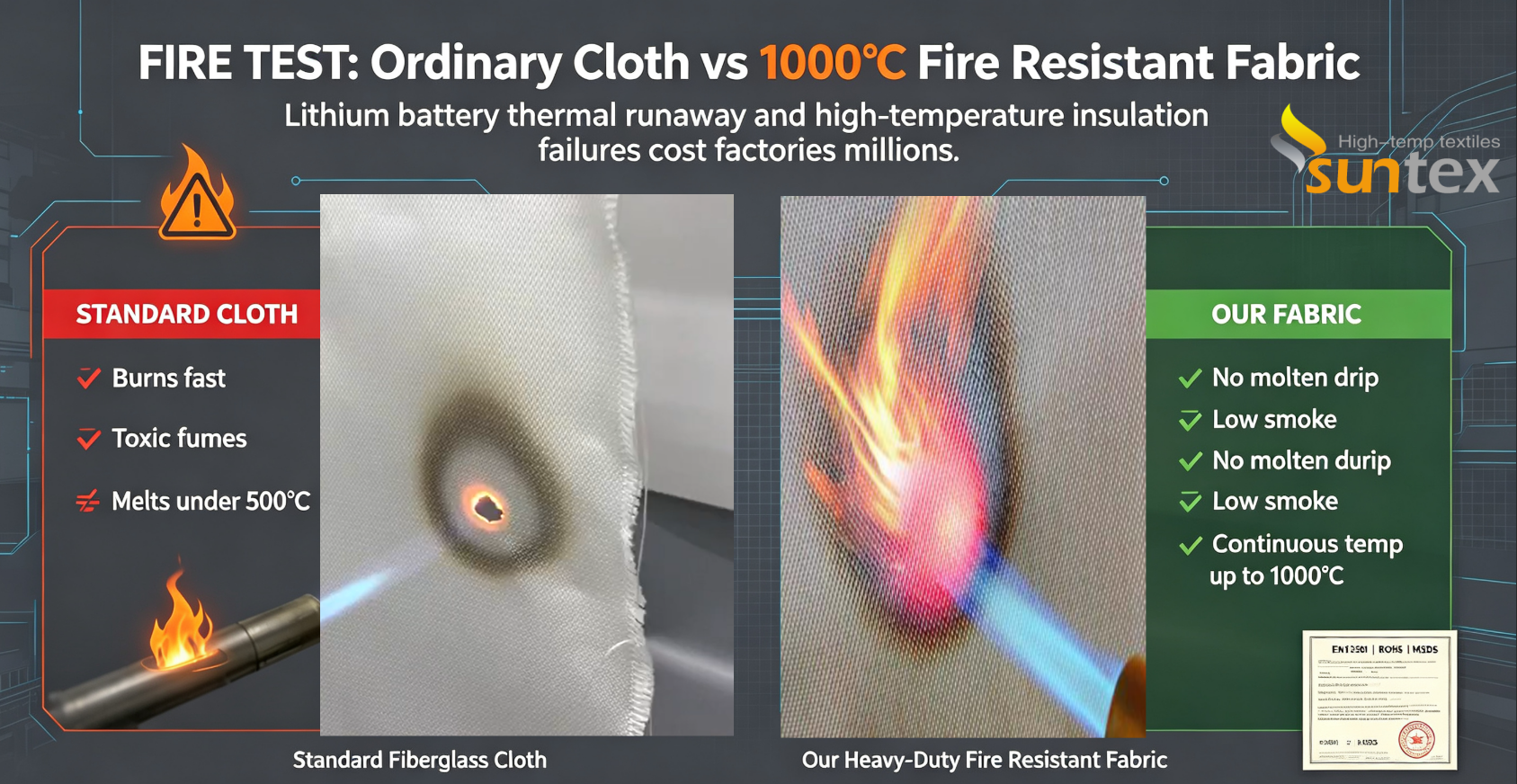
The Hidden Cost of Inferior Thermal Insulation Lithium battery thermal runaway and industrial high-temperature insulation failures frequently trigger factory fires, unplanned shutdowns and massive economic losses. Most of these accidents stem from low-performance standard insulation materials, rather than major equipment faults. Substandard fiberglass cloth fails under high heat, accelerating fire spread and causing costly industrial […]


 English
 Arabic
 Dutch
Dutch French
 German
 Italian
 Polish
 Portuguese
 Russian
 Spanish