

In 2026, when selecting a car fire blanket, the key criteria are temperature resistance, certification, material, size, explosion resistance, smoke control, and reusability. The car fire blankets promoted by Suntex, an original manufacturer, are specifically designed for new-energy vehicle battery thermal-runaway scenarios, making them a professional choice.
I. 2026 Core Selection Criteria for Car Fire Blankets (Using Suntex’s High-Performance Car Fire Blanket as an Example)
1. Temperature Resistance – The Most Critical Factor
-
Temperature Resistance: Capable of withstanding long-term exposure to 1000°C, short-term exposure to 1500°C, with a softening point of 1700°C.
-
Control Duration: Professional grade ≥ 60 minutes.
2. Authoritative Certifications (Avoiding Inflated Claims)
-
Domestic Standards: XF1205-2014 (Fire Certification), GB8624-2012.
-
International Standards: EN13501-1, EN ISO 1716:201, EN 13823:2020.
3. Material & Workmanship (The Source Determines Safety)
-
Base Material: Specially coated, ultra-high-temperature resistant, anti-explosion fiber cloth. Standard fiberglass is not acceptable.
-
Coating: High-molecular polymer wear-resistant / waterproof / anti-explosion coating, enhancing burst resistance, puncture resistance, and weather durability.
-
Workmanship: Professional stitching with edge reinforcement to withstand thermal shock without tearing.
4. Size & Weight (Adapted to the Scenario)
-
Standard Sizes: 6x8m, 6x9m, with customization options available.
-
Weight: 33-37kg, balancing strength with operability.
5. Explosion Resistance + Smoke Control (Essential for New Energy Vehicles)
-
Explosion Resistance: Withstands the deflagration impact of battery thermal runaway without cracking or fragmenting.
-
Smoke Control: Air permeability of 2.3-2.7 cm³/(cm²·s) helps reduce internal pressure buildup, lowering the risk of re-ignition or deflagration. It features unique dual advantages of fire control and smoke venting, turning high-risk emergencies into manageable situations.
6. Reusability (Cost-Effectiveness)
-
The fire blanket maintains a certain level of toughness even after 60 minutes of continuous exposure to high temperatures, allowing for recovery and reuse.
-
Professional-grade fire blankets should be reusable after multiple fire incidents, not single-use.
II. 2026 Car Fire Blanket Selection Guide: Pitfalls to Avoid
-
Avoid Low-Price Traps: Prices significantly below the industry average often indicate standard fiberglass material, which offers insufficient temperature resistance and is prone to burning through.
-
Don’t Just Take Their Word for It: Only accept test reports bearing CMA/CNAS stamps along with fire certifications.
-
Differentiate by Scenario: New energy vehicles must choose models with ≥1000°C temperature resistance and explosion/smoke control features. Standard combustion engine vehicles can use lower-spec options.
-
Prioritize Original Manufacturers: Choosing professional fire barrier fabric manufacturers like Suntex ensures better quality, after-sales service, and customization options.
Contact Details
Suntex Composite Industrial Co., Ltd.
Contact Person: Mr. Jason Hu
Tel: +86 132 0712 7986

Send your inquiry directly to us
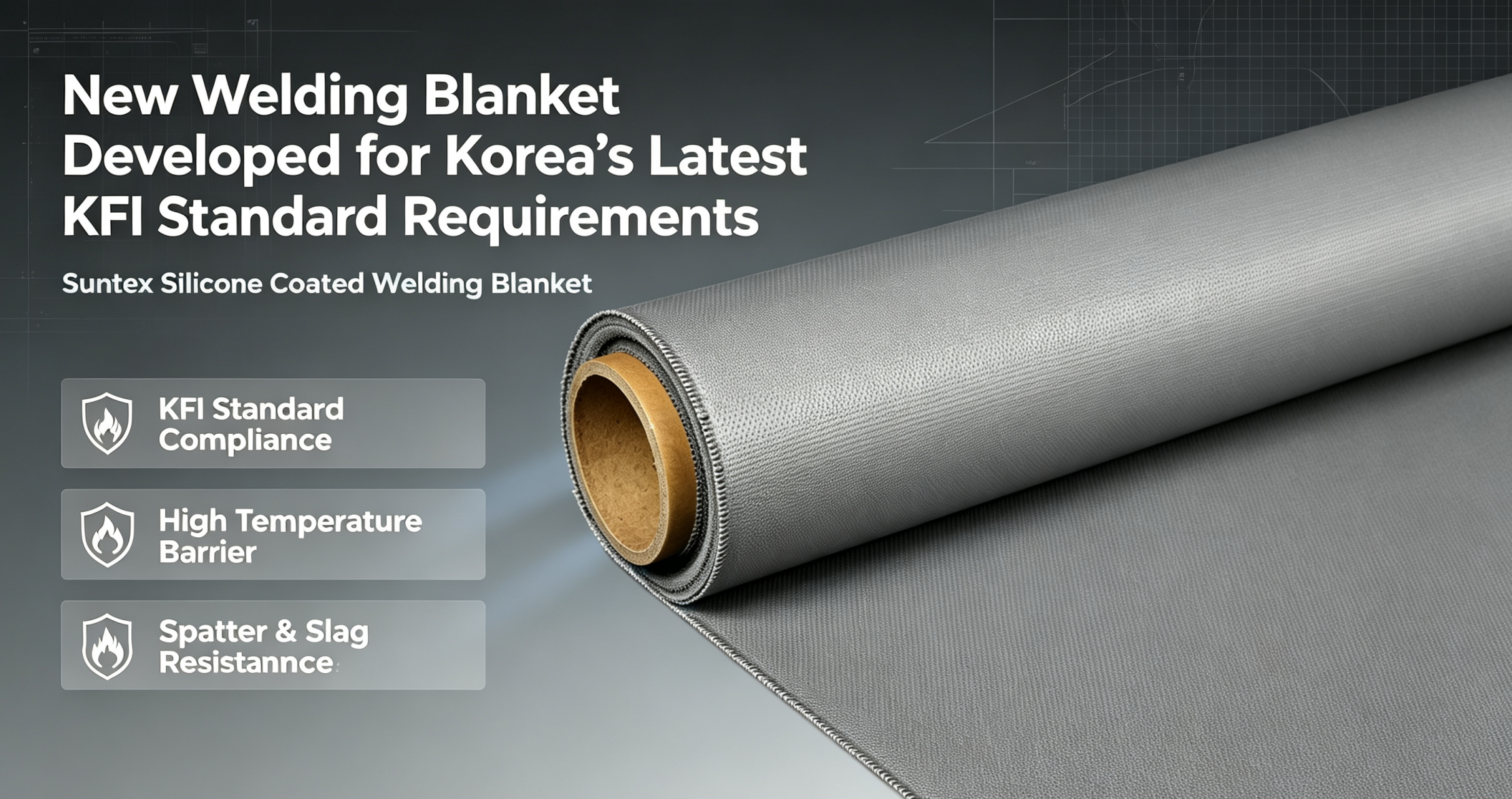
New Welding Blanket Developed for Korea’s Latest KFI Standard Requirements Suntex launches upgraded grey silicone-coated fiberglass welding blankets fully compliant with Korea’s latest KFI fire safety standards for hot work. Made of premium grey silicone coated fiberglass rolls, our blankets deliver reliable protection against welding sparks, molten slag, and high heat for welding, cutting, and […]
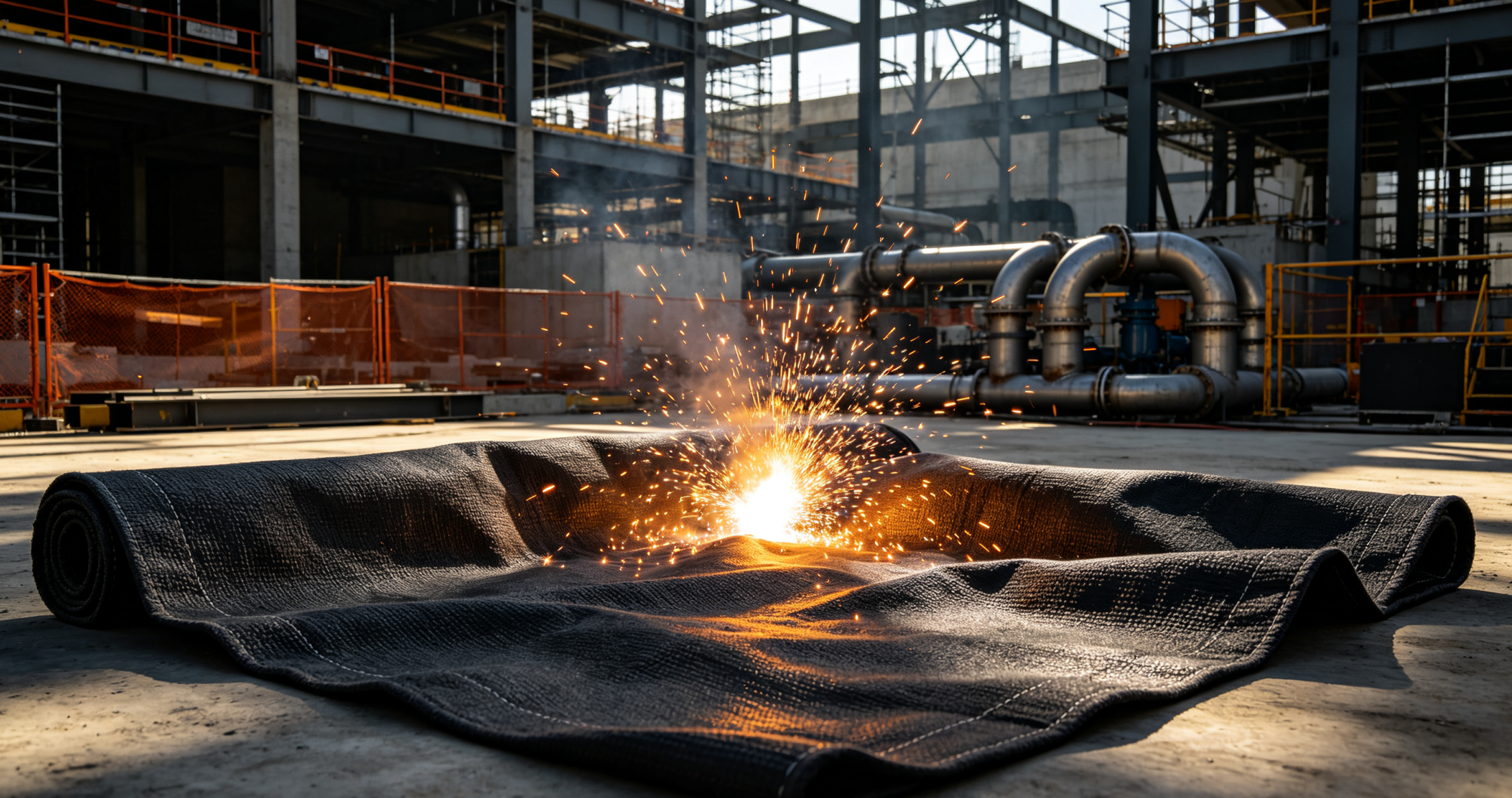
In the high-stakes environment of Japanese automotive manufacturing and precision machining, “good enough” is never enough. When a single stray spark can lead to costly downtime or compromise the integrity of automated assembly lines, the quality of your protective gear is a direct reflection of your operational safety standards. For facilities prioritizing fire prevention and […]
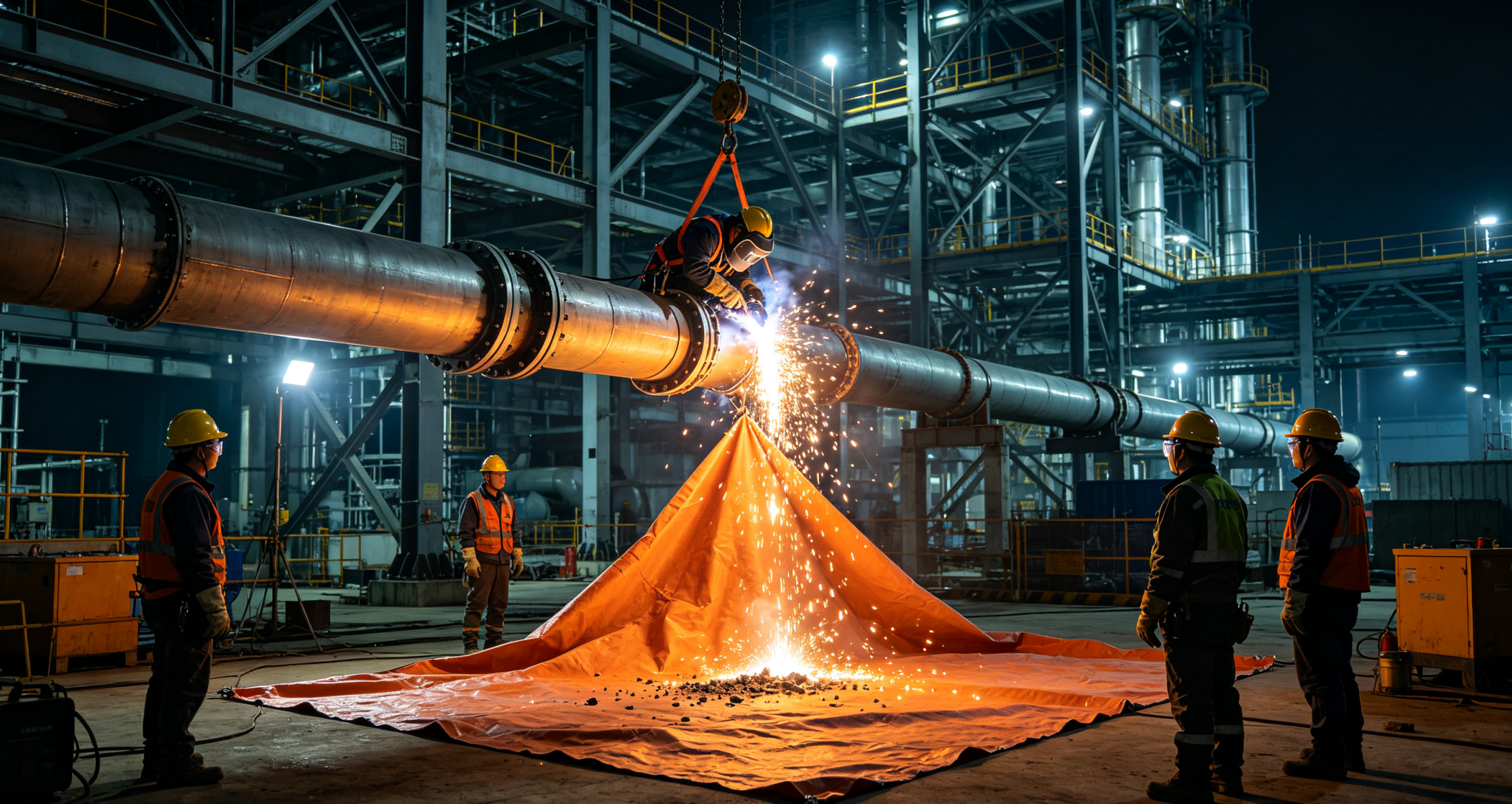
Welding sparks trigger most construction site fires. Even standardized operating procedures carry hidden risks if low-performance flame-retardant fabrics are used. Recent frequent construction fires sound alarms for hot work safety. Most welding-caused blazes stem from inadequate high-temperature slag shielding and substandard fire-resistant materials, rather than improper operation alone. Welding arcs hit over 6,000°C, with flying […]
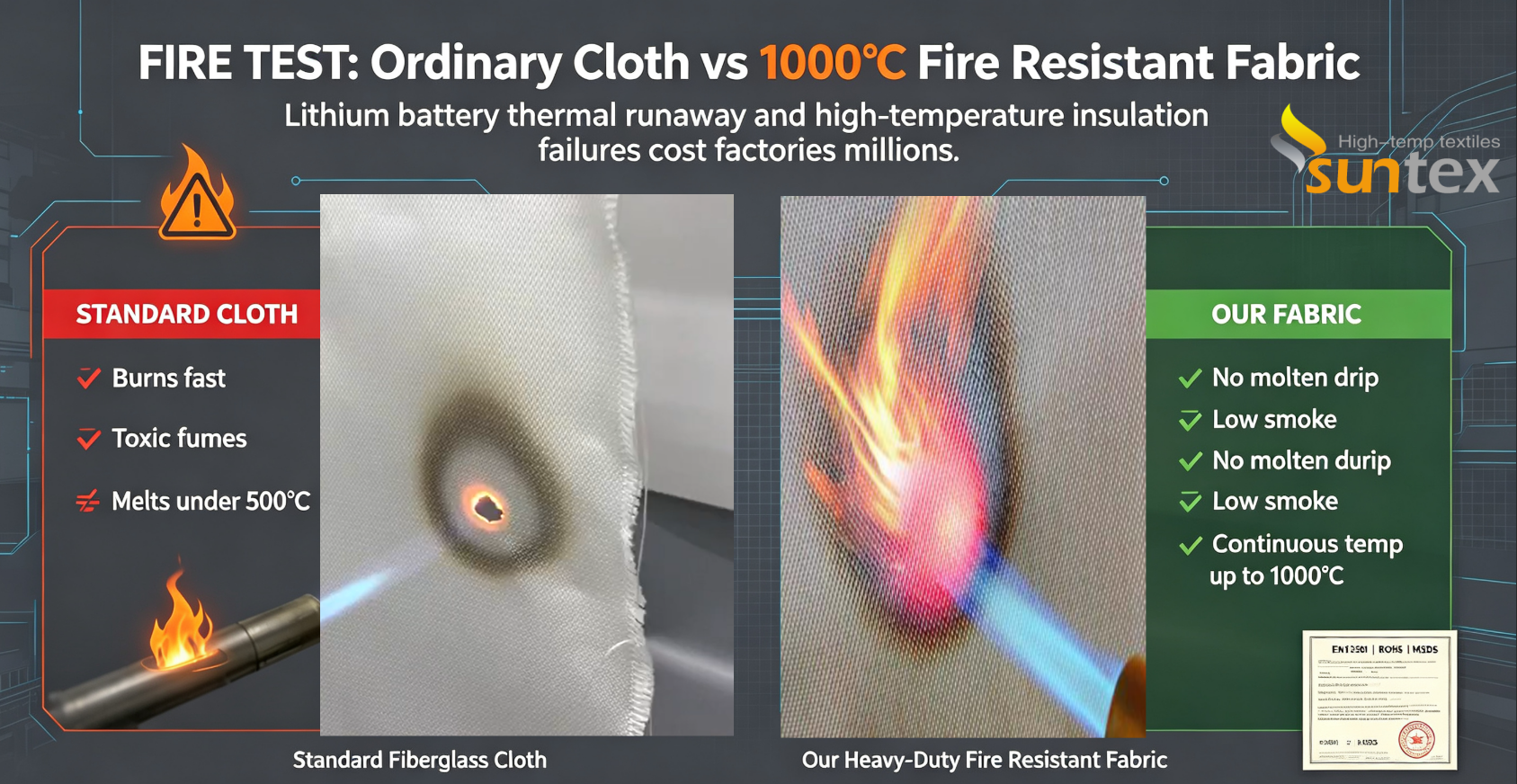
The Hidden Cost of Inferior Thermal Insulation Lithium battery thermal runaway and industrial high-temperature insulation failures frequently trigger factory fires, unplanned shutdowns and massive economic losses. Most of these accidents stem from low-performance standard insulation materials, rather than major equipment faults. Substandard fiberglass cloth fails under high heat, accelerating fire spread and causing costly industrial […]


 English
 Arabic
 Dutch
Dutch French
 German
 Italian
 Polish
 Portuguese
 Russian
 Spanish