

Choosing the Right High Temperature Fabric: A Comprehensive Guide for Buyers
In a world where heat and extreme temperatures are a constant challenge, finding the right high temperature fabric is paramount. Whether you’re in the aerospace, automotive, or industrial sector, selecting the right fabric can mean the difference between success and failure. But with so many options available, navigating the market can be overwhelming. That’s why we’ve created this comprehensive guide to help buyers make informed decisions. From understanding the different types of high temperature fabrics to knowing the key factors to consider before making a purchase, this guide covers it all. We dive into the importance of heat resistance, durability, flexibility, and other crucial aspects that can impact the performance and longevity of your fabric. So, if you’re ready to choose the right high temperature fabric that will withstand the harshest conditions and meet your specific requirements, let’s dive in and explore the world of high temperature fabrics together!
Understanding high temperature fabrics
High temperature fabrics are specially designed materials that can withstand extreme heat and provide protection in various industries and applications. These fabrics are engineered to resist melting, burning, or degrading under high temperatures, making them ideal for environments where heat is a constant factor. Understanding the characteristics and properties of high temperature fabrics is essential for selecting the right one for your specific needs.
High temperature fabrics are typically made from a variety of materials, including fiberglass, aramid fibers, ceramic fibers, and silica. Each material has unique properties that make it suitable for specific applications. For example, fiberglass is known for its excellent thermal insulation properties and resistance to chemical corrosion. Aramid fibers, on the other hand, offer exceptional heat resistance and strength, making them ideal for protective clothing and aerospace applications.
When choosing a high temperature fabric, it’s important to consider the specific requirements of your application. Factors such as temperature range, duration of exposure, mechanical stress, and chemical exposure should all be taken into account. Additionally, understanding the different types of high temperature fabrics available can help you make an informed decision.br/>br/>
Factors to consider when choosing high temperature fabrics
Choosing the right high temperature fabric requires careful consideration of several key factors. These factors can vary depending on the specific application and industry, but some common considerations include:
1. **Heat resistance**: The fabric should have a high tolerance for heat and be able to withstand the temperature range it will be exposed to without melting or degrading.
2. **Durability**: High temperature fabrics should be durable and able to withstand repeated exposure to extreme heat without losing their protective properties.
3. **Flexibility**: The fabric should be flexible enough to allow for ease of movement and comfort, especially in applications where protective clothing is involved.
4. **Chemical resistance**: Depending on the industry and application, the fabric may need to be resistant to various chemicals or corrosive substances.
5. **Weight and thickness**: The weight and thickness of the fabric can impact its performance and comfort. It’s important to find a balance between protection and comfort.
6. **Cost**: The cost of the fabric is an important consideration, especially for large-scale applications. Balancing cost with quality and performance is crucial.
Considering these factors will help you narrow down your options and choose the high temperature fabric that best suits your needs. Now that we’ve covered the key factors to consider, let’s explore the different types of high temperature fabrics available in the market.
Types of high temperature fabrics
High temperature fabrics come in a variety of types, each with its own unique properties and applications. Some of the most common types of high temperature fabrics include:
1. **Fiberglass fabrics**: Fiberglass fabrics are made from woven glass fibers and are known for their excellent thermal insulation properties. They can withstand high temperatures and offer good resistance to chemical corrosion.
2. **Aramid fabrics**: Aramid fabrics, such as Nomex and Kevlar, are known for their exceptional heat resistance and strength. They are commonly used in protective clothing, automotive, and aerospace applications.
3. **Ceramic fabrics**: Ceramic fabrics are made from ceramic fibers and offer excellent resistance to high temperatures and thermal shock. They are commonly used in applications where extreme heat resistance is required, such as in furnaces and fire protection.
4. **Silica fabrics**: Silica fabrics are made from amorphous silica fibers and offer good resistance to high temperatures and thermal shock. They are commonly used in applications where heat insulation and fire resistance are required.
These are just a few examples of the types of high temperature fabrics available in the market. Each type has its own unique properties and advantages, so it’s important to choose the one that best suits your specific needs. Now that we have a better understanding of the different types of high temperature fabrics, let’s move on to discussing the key properties you should look for in a high temperature fabric.
Key properties of high temperature fabrics
When choosing a high temperature fabric, there are several key properties that you should consider. These properties can directly impact the performance and longevity of the fabric in your specific application. Here are some of the key properties to look for:
1. **Heat resistance**: The fabric should have a high tolerance for heat and be able to withstand the temperature range it will be exposed to without melting or degrading.
2. **Flame resistance**: High temperature fabrics should be flame resistant to prevent the spread of fire and provide protection in case of a fire-related incident.
3. **Thermal conductivity**: The fabric’s ability to conduct heat should be minimized to prevent the transfer of heat to the wearer or surrounding materials.
4. **Flexibility**: The fabric should be flexible enough to allow for ease of movement and comfort, especially in applications where protective clothing is involved.
5. **Abrasion resistance**: The fabric should be able to withstand mechanical stress and abrasion without losing its protective properties.
6. **Chemical resistance**: Depending on the industry and application, the fabric may need to be resistant to various chemicals or corrosive substances.
7. **Weight and thickness**: The weight and thickness of the fabric can impact its performance and comfort. Finding the right balance is important.
8. **Moisture resistance**: In certain applications, the fabric may need to be resistant to moisture or have moisture-wicking properties to keep the wearer dry and comfortable.br/>br/>
Considering these key properties will help you choose a high temperature fabric that meets your specific requirements and provides optimal protection in your application. Now that we’ve covered the key properties, let’s explore some of the common applications of high temperature fabrics.
Applications of high temperature fabrics
High temperature fabrics find applications in various industries and sectors where heat and extreme temperatures are a constant challenge. Some common applications of high temperature fabrics include:
1. **Aerospace**: High temperature fabrics are used in the aerospace industry for thermal insulation, fire protection, and heat shielding in aircraft engines, spacecraft, and other components.
2. **Automotive**: High temperature fabrics are used in the automotive industry for heat shielding, insulation, and protection of various components, such as exhaust systems and engine compartments.
3. **Industrial**: High temperature fabrics are used in industrial applications for insulation, protective clothing, welding blankets, and fire-resistant barriers.
4. **Fire protection**: High temperature fabrics are used in fire protection applications, such as fire curtains, fire blankets, and fire-resistant clothing.
5. **Energy and power generation**: High temperature fabrics are used in energy and power generation applications, such as insulation for boilers, turbines, and exhaust systems.
6. **Furnaces and kilns**: High temperature fabrics are used in furnaces and kilns for insulation, heat shielding, and protection against thermal shock.
7. **Home appliances**: High temperature fabrics are used in home appliances, such as ovens and grills, for heat insulation and protection.
These are just a few examples of the numerous applications of high temperature fabrics. The specific requirements and demands of each industry determine the type of high temperature fabric used. Now that we have explored the applications, let’s take a look at some popular brands and manufacturers of high temperature fabrics.
Popular brands and manufacturers of high temperature fabrics
When it comes to high temperature fabrics, there are several reputable brands and manufacturers that offer top-quality products. These brands and manufacturers have extensive experience and expertise in producing high temperature fabrics that meet industry standards and customer requirements. Some popular brands and manufacturers of high temperature fabrics include:
1. **DuPont**: DuPont is a well-known brand that offers a wide range of high temperature fabrics, including Nomex and Kevlar, which are widely used in protective clothing and aerospace applications.
2. **3M**: 3M is another trusted brand that offers high temperature fabrics, such as their Thinsulate insulation, which provides excellent heat resistance and thermal control.
3. **Morgan Advanced Materials**: Morgan Advanced Materials is a global leader in advanced materials and offers high temperature fabrics for various industries, including aerospace, automotive, and industrial applications.
4. **Saint-Gobain**: Saint-Gobain is a leading manufacturer of high temperature fabrics, including their Pyroflex range, which provides exceptional heat resistance and thermal insulation.
5. **Herculite**: Herculite is a trusted manufacturer of high temperature fabrics, such as their Sure-Chek line, which offers heat resistance, durability, and chemical resistance for various applications.
These are just a few examples of the popular brands and manufacturers in the high temperature fabric industry. It’s always recommended to research and evaluate different brands based on your specific requirements and budget. Now that we have covered the brands and manufacturers, let’s discuss how to test the quality of high temperature fabrics.
How to test the quality of high temperature fabrics
Testing the quality of high temperature fabrics is crucial to ensure that they meet the required standards and offer the desired level of protection. There are several tests that can be conducted to assess the quality and performance of high temperature fabrics. Some common tests include:
1. **Heat resistance test**: This test determines the fabric’s ability to withstand high temperatures without melting, degrading, or igniting.
2. **Flame resistance test**: This test assesses the fabric’s ability to resist flames and prevent the spread of fire.
3. **Thermal conductivity test**: This test measures the fabric’s ability to conduct heat and determines its insulating properties.
4. **Flexibility test**: This test evaluates the fabric’s flexibility and determines its suitability for applications where movement and comfort are important.
5. **Abrasion resistance test**: This test assesses the fabric’s ability to withstand mechanical stress and abrasion without losing its protective properties.
6. **Chemical resistance test**: This test determines the fabric’s resistance to various chemicals or corrosive substances.
7. **Moisture resistance test**: This test evaluates the fabric’s resistance to moisture or its moisture-wicking properties.
Conducting these tests will help you determine the quality and performance of high temperature fabrics and ensure that they meet your specific requirements. Now that we know how to test the quality, let’s move on to some tips for buying high temperature fabrics.
Tips for buying high temperature fabrics
When buying high temperature fabrics, it’s important to consider several factors to ensure that you make the right choice. Here are some tips to help you make an informed decision:
1. **Research and evaluate**: Take the time to research and evaluate different types of high temperature fabrics, their properties, and their suitability for your specific application.
2. **Consider your requirements**: Identify your specific requirements, including temperature range, duration of exposure, mechanical stress, and chemical exposure, and choose a fabric that meets those requirements.
3. **Consult experts**: If you’re unsure about which fabric to choose, consult experts or professionals in the industry who can provide guidance and recommendations based on their experience.
4. **Request samples**: Request samples of high temperature fabrics from different manufacturers to evaluate their quality, performance, and suitability for your application.
5. **Consider cost and budget**: Consider the cost of the fabric and its long-term value in terms of performance and durability. Balancing cost with quality and performance is important.
6. **Read reviews and testimonials**: Read reviews and testimonials from other users or customers who have used the fabric to get a better understanding of its performance and suitability.
7. **Check certifications and standards**: Ensure that the fabric meets industry certifications and standards for quality and performance.
Following these tips will help you make an informed decision and choose the right high temperature fabric for your specific needs. Now that we have covered the tips, let’s discuss the maintenance and care of high temperature fabrics.
Proper maintenance and care are essential to ensure the longevity and performance of high temperature fabrics. Here are some tips for maintaining and caring for your high temperature fabric:
1. **Follow manufacturer guidelines**: Read and follow the manufacturer’s guidelines for cleaning, washing, and storing the fabric. These guidelines are specific to each fabric and will ensure that you maintain its protective properties.
2. **Regular inspection**: Regularly inspect the fabric for any signs of wear, tear, or damage. This will help you identify any issues early on and take appropriate action.
3. **Clean as recommended**: Clean the fabric as recommended by the manufacturer using appropriate cleaning agents and methods. Avoid using harsh chemicals or abrasive materials that can damage the fabric.
4. **Store properly**: When not in use, store the fabric in a cool, dry place away from direct sunlight and moisture. This will help prevent any degradation or damage to the fabric.
5. **Replace when necessary**: If the fabric shows signs of significant wear or damage, consider replacing it to ensure optimal performance and protection.
By following these maintenance and care tips, you can ensure that your high temperature fabric remains in good condition and continues to provide the necessary protection in your application. Now that we have covered the maintenance and care, let’s conclude our comprehensive guide on choosing the right high temperature fabric.
Choosing the right high temperature fabric is essential for industries and applications where heat and extreme temperatures are a constant challenge. By understanding the different types of high temperature fabrics, considering the key factors in the selection process, and evaluating the properties and applications, buyers can make informed decisions. Testing the quality of high temperature fabrics, considering popular brands
Contact Details
Suntex Composite Industrial Co., Ltd.
Contact Person: Mr. Jason Hu
Tel: +86 132 0712 7986

Send your inquiry directly to us
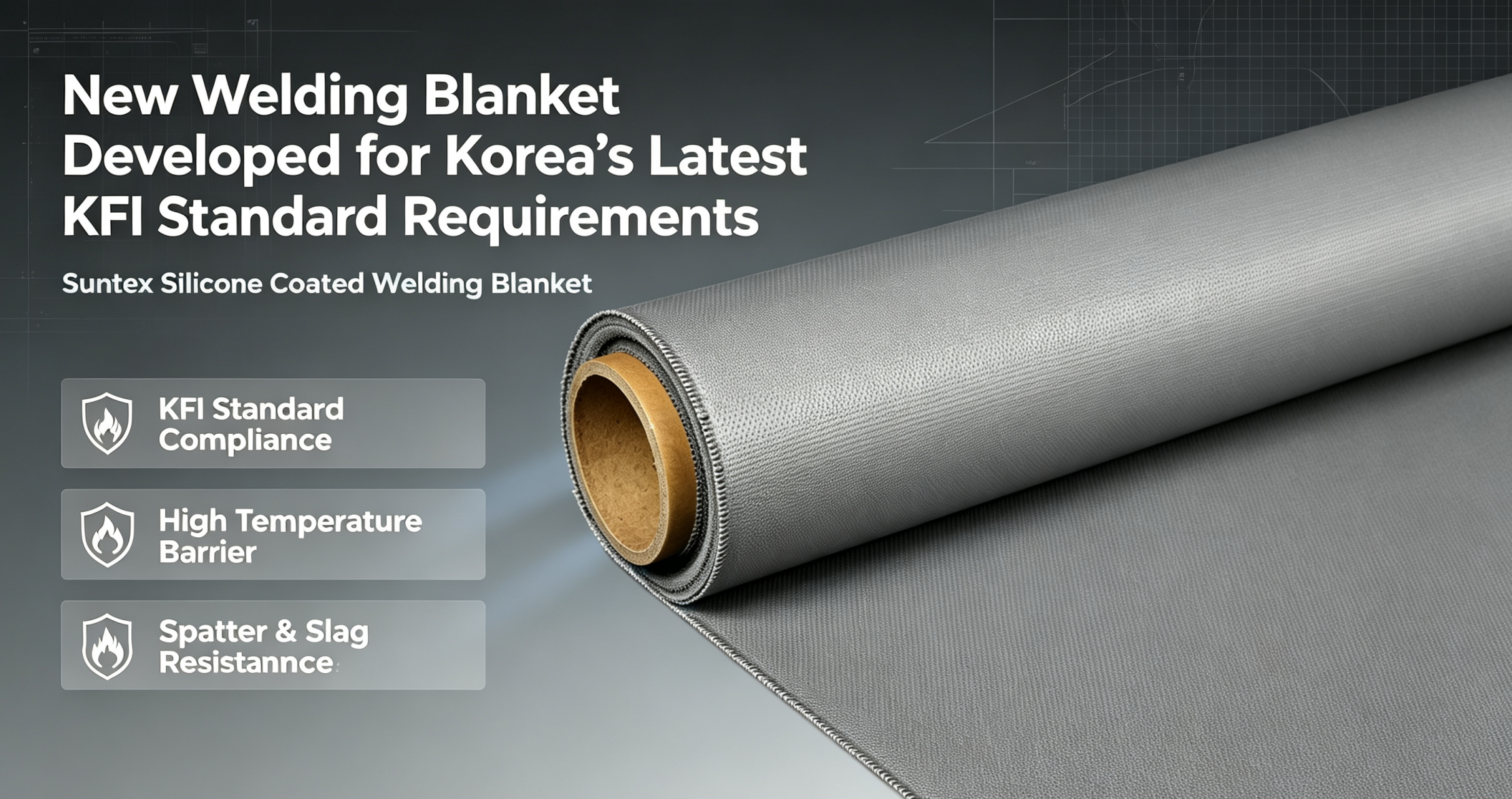
New Welding Blanket Developed for Korea’s Latest KFI Standard Requirements Suntex launches upgraded grey silicone-coated fiberglass welding blankets fully compliant with Korea’s latest KFI fire safety standards for hot work. Made of premium grey silicone coated fiberglass rolls, our blankets deliver reliable protection against welding sparks, molten slag, and high heat for welding, cutting, and […]
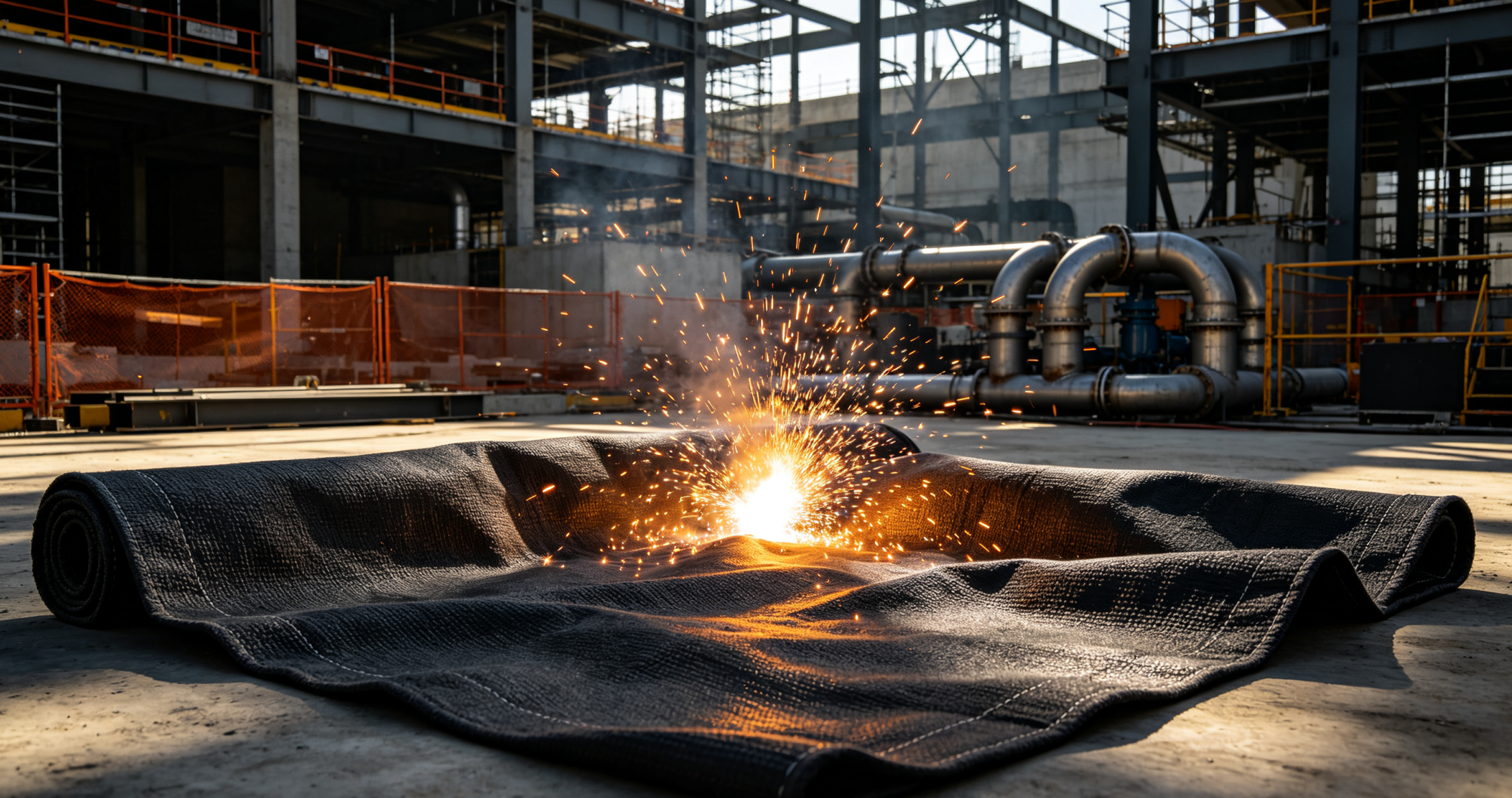
In the high-stakes environment of Japanese automotive manufacturing and precision machining, “good enough” is never enough. When a single stray spark can lead to costly downtime or compromise the integrity of automated assembly lines, the quality of your protective gear is a direct reflection of your operational safety standards. For facilities prioritizing fire prevention and […]
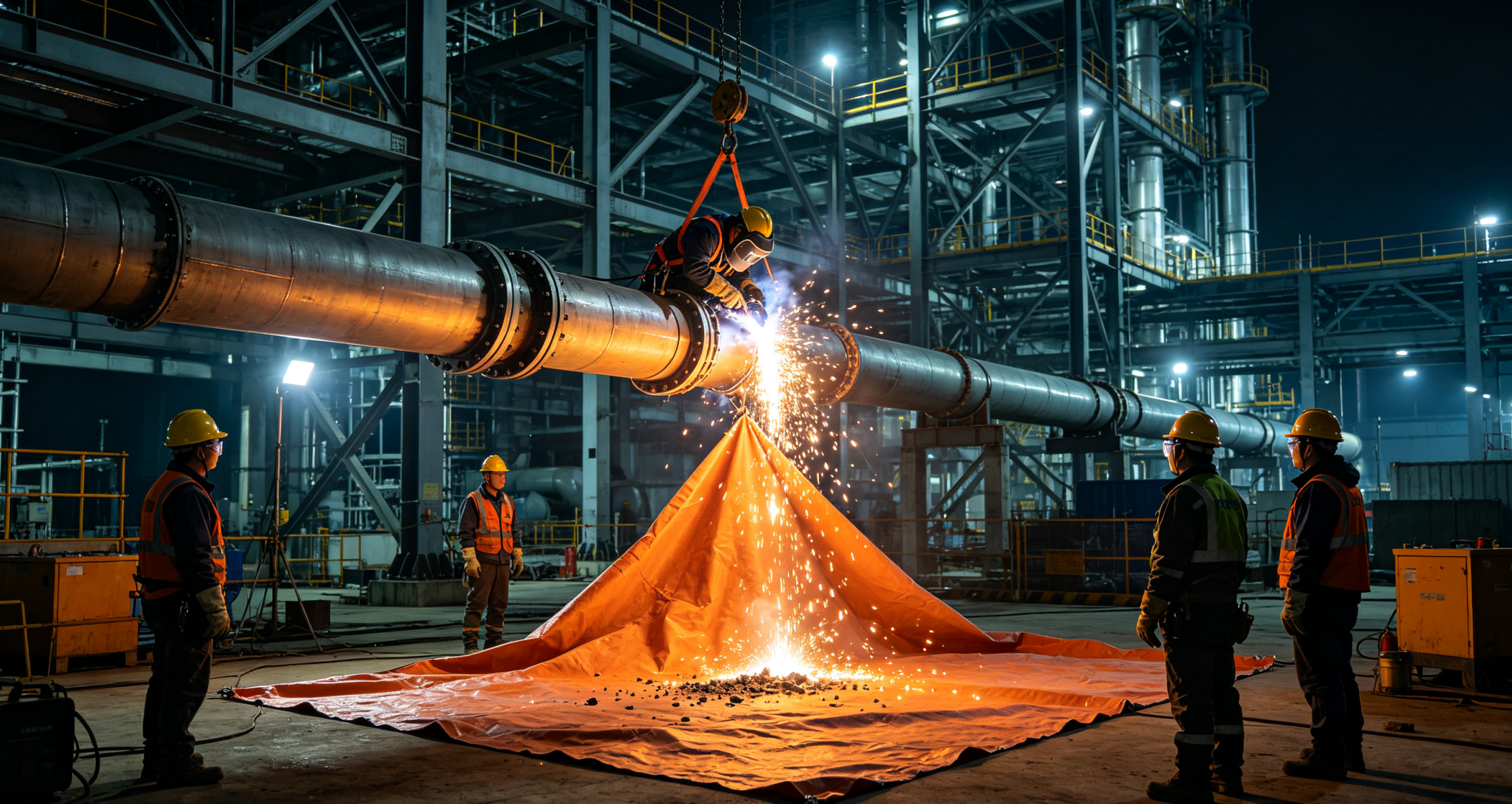
Welding sparks trigger most construction site fires. Even standardized operating procedures carry hidden risks if low-performance flame-retardant fabrics are used. Recent frequent construction fires sound alarms for hot work safety. Most welding-caused blazes stem from inadequate high-temperature slag shielding and substandard fire-resistant materials, rather than improper operation alone. Welding arcs hit over 6,000°C, with flying […]
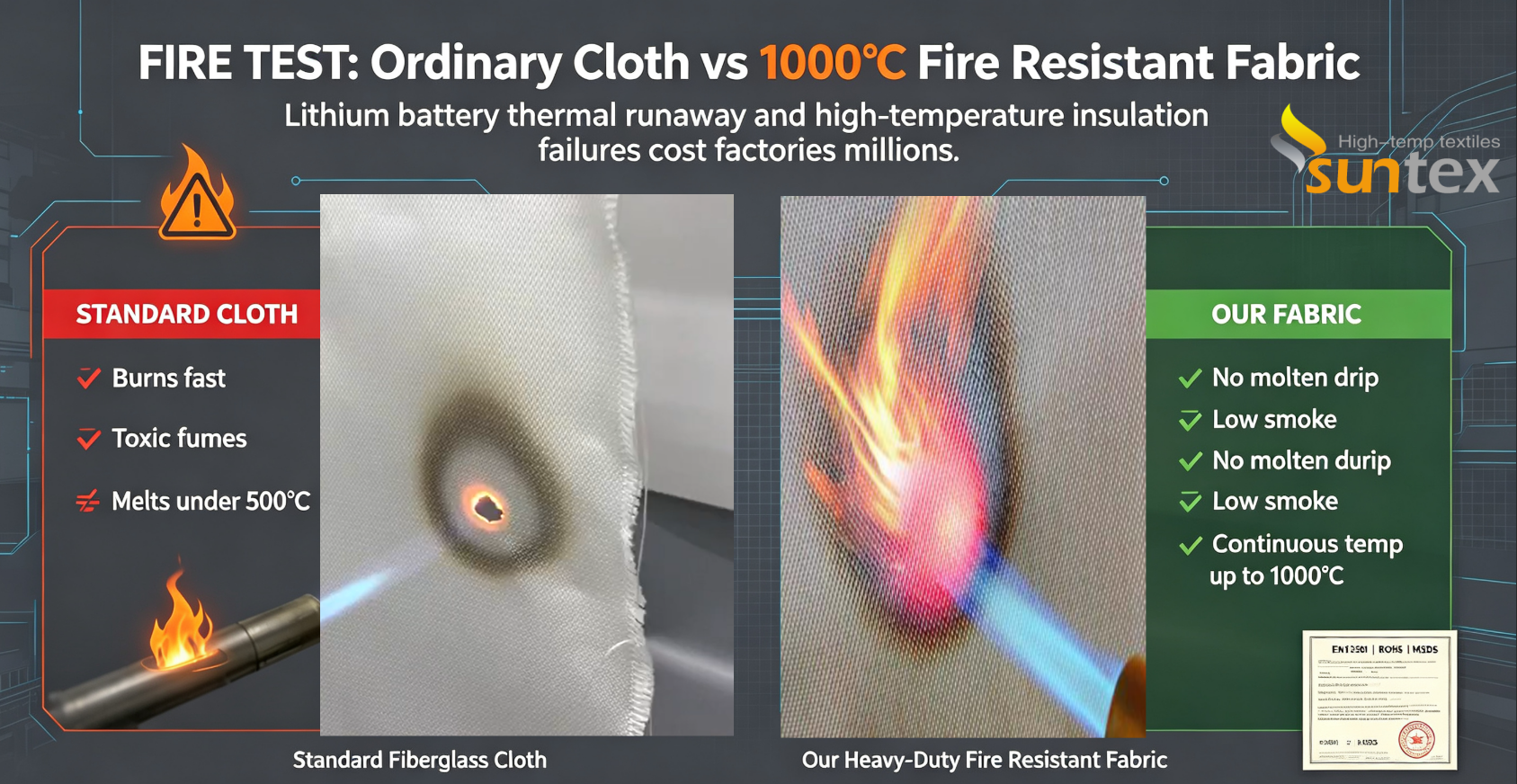
The Hidden Cost of Inferior Thermal Insulation Lithium battery thermal runaway and industrial high-temperature insulation failures frequently trigger factory fires, unplanned shutdowns and massive economic losses. Most of these accidents stem from low-performance standard insulation materials, rather than major equipment faults. Substandard fiberglass cloth fails under high heat, accelerating fire spread and causing costly industrial […]


 English
 Arabic
 Dutch
Dutch French
 German
 Italian
 Polish
 Portuguese
 Russian
 Spanish