

What is Coated Fiberglass Fabric?
Coated fiberglass fabric is a versatile material that finds applications in various industries. It is made by applying a protective coating to a base of woven fiberglass fabric. The coating enhances the fabric’s properties, making it more durable, resistant to heat, chemicals, and abrasion. The base fabric provides strength and stability, while the coating adds the desired properties for specific applications. The coated fiberglass fabric is known for its high strength-to-weight ratio, excellent thermal insulation, and resistance to fire. It is widely used in industries such as aerospace, automotive, construction, and manufacturing.br/>br/>
Coated fiberglass fabric comes in different forms, such as sheets, tapes, ropes, and curtains, making it suitable for a wide range of applications. The choice of coating depends on the specific requirements of the application. Let’s explore the advantages of using coated fiberglass fabric in the next section.
Advantages of Using Coated Fiberglass Fabric
Coated fiberglass fabric offers numerous advantages over other materials, making it a popular choice in various industries. Here are some key benefits of using coated fiberglass fabric:
1. **Heat Resistance**: One of the primary advantages of coated fiberglass fabric is its exceptional heat resistance. The fabric can withstand high temperatures without degrading, making it suitable for applications where thermal insulation is required. It acts as a barrier, preventing heat transfer and protecting the underlying materials.
2. **Chemical Resistance**: Coated fiberglass fabric can be designed to resist a wide range of chemicals, including acids, alkalis, solvents, and oils. This resistance makes it ideal for applications where exposure to corrosive substances is common.
3. **Abrasion Resistance**: The protective coating on the fiberglass fabric enhances its resistance to abrasion. This makes it suitable for applications that involve friction or contact with rough surfaces, such as conveyor belts, expansion joints, and gaskets.
4. **Electrical Insulation**: Coated fiberglass fabric has excellent electrical insulation properties. It can withstand high voltage and prevent electrical current from passing through, making it suitable for applications in the electrical and electronics industries.
5. **Fire Resistance**: Fiberglass fabric is inherently fire-resistant, and the coating further enhances its fire resistance properties. It does not burn easily and can withstand exposure to flames, sparks, and high temperatures, making it ideal for applications where fire safety is a concern.
6. **Lightweight and Flexible**: Despite its impressive strength and durability, coated fiberglass fabric is lightweight and flexible. This makes it easy to handle, install, and shape as per the requirements of the application.
Now that we understand the advantages of using coated fiberglass fabric, let’s explore the different types of coatings available in the next section.

Different Types of Coatings for Fiberglass Fabric
There are several types of coatings available for fiberglass fabric, each offering unique properties and benefits. The choice of coating depends on the specific requirements of the application. Here are some commonly used coatings:
1. **Silicone**: Silicone-coated fiberglass fabric is known for its excellent heat resistance and flexibility. It can withstand extreme temperatures, ranging from -70°C to 260°C (-94°F to 500°F), making it suitable for applications in high-temperature environments. Silicone coatings also provide good release properties, making them ideal for applications such as baking sheets and release liners.
2. **PTFE (Polytetrafluoroethylene)**: PTFE-coated fiberglass fabric is widely used in applications that require high chemical resistance and low friction. It is non-stick and can withstand temperatures up to 260°C (500°F). PTFE coatings find applications in industries such as food processing, packaging, and conveyor systems.
3. **PU (Polyurethane)**: Polyurethane-coated fiberglass fabric offers excellent abrasion resistance and durability. It provides a protective barrier against moisture, chemicals, and UV radiation. PU coatings are commonly used in applications such as protective clothing, tents, and flexible ducting.br/>
4. **Acrylic**: Acrylic-coated fiberglass fabric is known for its excellent weather resistance and UV stability. It is resistant to mildew and provides good dimensional stability. Acrylic coatings find applications in outdoor structures, awnings, and marine applications.
5. **Neoprene**: Neoprene-coated fiberglass fabric offers excellent resistance to oils, chemicals, and weathering. It is commonly used in applications such as expansion joints, bellows, and gaskets.
Understanding the specific requirements of your application is crucial when choosing the right coating for your coated fiberglass fabric. In the next section, we’ll discuss the factors you should consider to make an informed decision.

Understanding the Application Requirements
To choose the right coating for your coated fiberglass fabric, it’s essential to understand the specific requirements of your application. Here are some factors to consider:
1. **Temperature Range**: Determine the temperature range the coated fiberglass fabric will be exposed to. Some coatings perform better at high temperatures, while others are more suitable for low-temperature applications.
2. **Chemical Exposure**: Identify the chemicals the coated fiberglass fabric will come into contact with. Different coatings have varying levels of chemical resistance, so it’s important to choose one that can withstand the specific chemicals involved.
3. **Abrasion and Wear**: Consider the level of abrasion and wear the coated fiberglass fabric will experience. Some coatings offer better resistance to abrasion, making them suitable for applications with high friction or contact with rough surfaces.
4. **Flexibility and Bendability**: Evaluate the flexibility and bendability requirements of your application. Some coatings provide more flexibility than others, allowing the fabric to conform to complex shapes and contours.
5. **Environmental Factors**: Take into account any environmental factors such as moisture, UV exposure, and outdoor conditions. Certain coatings offer better protection against these factors, ensuring the longevity of the fabric.
6. **Regulatory Compliance**: If your application requires compliance with specific regulations or standards, ensure that the chosen coating meets the necessary requirements.
Considering these factors will help you narrow down the options and choose the most suitable coating for your coated fiberglass fabric. In the next section, we’ll discuss some common coatings and their applications.

Common Coatings for Specific Applications
Different applications require different coatings to ensure optimal performance and durability. Here are some common coatings and their applications:
1. **Silicone**: Silicone coatings are commonly used in applications such as insulation blankets, removable insulation covers, and welding curtains. The high heat resistance and flexibility of silicone-coated fiberglass fabric make it ideal for these applications.
2. **PTFE**: PTFE coatings find applications in industries such as food processing, packaging, and conveyor systems. The non-stick properties and high chemical resistance of PTFE-coated fiberglass fabric make it suitable for these applications.
3. **PU**: Polyurethane coatings are commonly used in applications that require durability and resistance to abrasion. These include protective clothing, tents, flexible ducting, and conveyor belts.
4. **Acrylic**: Acrylic coatings find applications in outdoor structures, awnings, marine applications, and automotive parts. The weather resistance and UV stability of acrylic-coated fiberglass fabric make it suitable for these applications.
5. **Neoprene**: Neoprene coatings are commonly used in applications that require resistance to oils, chemicals, and weathering. These include expansion joints, bellows, gaskets, and seals.
Understanding the specific applications where these coatings excel will help you make an informed decision when choosing the right coating for your coated fiberglass fabric. In the next section, we’ll compare the performance of different coatings.
Comparing the Performance of Different Coatings
To determine the best coating for your coated fiberglass fabric, it’s important to compare the performance of different coatings. Here are some factors to consider:
1. **Temperature Resistance**: Evaluate the temperature range each coating can withstand. Choose a coating that can handle the highest temperature your application requires.
2. **Chemical Resistance**: Consider the chemical resistance of each coating and ensure it can withstand the specific chemicals your application will encounter.
3. **Abrasion Resistance**: Compare the abrasion resistance of different coatings and choose one that can withstand the level of wear your application will experience.
4. **Flexibility and Bendability**: Assess the flexibility and bendability of each coating and choose one that can meet the requirements of your application.
5. **Longevity**: Consider the durability and expected lifespan of each coating. Choose a coating that offers long-lasting performance.
6. **Cost-effectiveness**: Evaluate the cost-effectiveness of different coatings, considering factors such as initial cost, maintenance requirements, and replacement frequency.
Comparing these factors will help you make an informed decision and select the coating that best suits your specific application. In the next section, we’ll provide expert tips on how to choose the right coating.
Selecting the Right Coating for Your Specific Application
Choosing the right coating for your coated fiberglass fabric can be a complex decision. Here are some expert tips to help you make the best choice:
1. **Consult a Specialist**: If you’re unsure about which coating to choose, consult a specialist who has experience with coated fiberglass fabric. They can assess your application requirements and recommend the most suitable coating.
2. **Consider Performance Trade-offs**: Understand that no single coating can excel in all properties. Consider the trade-offs between different coatings and prioritize the properties that are most important for your application.
3. **Test and Prototype**: If feasible, conduct tests and create prototypes using different coatings to evaluate their performance in your specific application. This will provide valuable insights before making a final decision.
4. **Consider Long-Term Costs**: While initial cost is important, also consider the long-term costs associated with maintenance, replacement, and performance. Choosing a high-quality coating may be more cost-effective in the long run.
5. **Review Case Studies**: Look for case studies or success stories of applications similar to yours that have used a particular coating. This can provide valuable insights and help you make an informed decision.
By following these tips, you can ensure that you choose the right coating for your coated fiberglass fabric and optimize the performance and longevity of your application. In the next section, we’ll discuss the maintenance and care required for coated fiberglass fabric.

Maintenance and Care for Coated Fiberglass Fabric
To ensure the longevity and performance of your coated fiberglass fabric, proper maintenance and care are essential. Here are some tips:
1. **Regular Inspection**: Inspect the coated fabric regularly for any signs of damage, wear, or degradation. Address any issues promptly to prevent further damage.
2. **Cleaning**: Follow the manufacturer’s guidelines for cleaning the coated fabric. Use mild detergents or cleaners and avoid abrasive materials that can damage the coating.
3. **Storage**: Store the coated fabric in a clean, dry, and well-ventilated area to prevent moisture buildup and mold growth.
4. **Avoid Sharp Objects**: Avoid contact with sharp objects or rough surfaces that can puncture or damage the coated fabric.
5. **Handle with Care**: Handle the coated fabric with care to avoid unnecessary stress or strain that can weaken the fabric or coating.
6. **Follow Usage Guidelines**: Adhere to the recommended usage guidelines provided by the manufacturer to ensure optimal performance and longevity.
By following these maintenance and care tips, you can extend the lifespan of your coated fiberglass fabric and maximize its performance over time. In the next section, we’ll conclude this ultimate guide.
Conclusion
Choosing the right coating for your coated fiberglass fabric is crucial to ensure optimal performance and longevity. By understanding the specific requirements of your application, considering factors such as temperature range, chemical resistance, and abrasion resistance, and comparing the performance of different coatings, you can make an informed decision. Consulting a specialist, conducting tests and prototypes, and reviewing case studies can provide valuable insights. Additionally, proper maintenance and care are essential to maximize the lifespan of your coated fiberglass fabric. By following the expert tips and guidelines provided in this ultimate guide, you can confidently select the right coating and ensure the success of your application. So, go ahead and make the best choice for your coated fiberglass fabric!



Contact Details
Suntex Composite Industrial Co., Ltd.
Contact Person: Mr. Jason Hu
Tel: +86 132 0712 7986

Send your inquiry directly to us
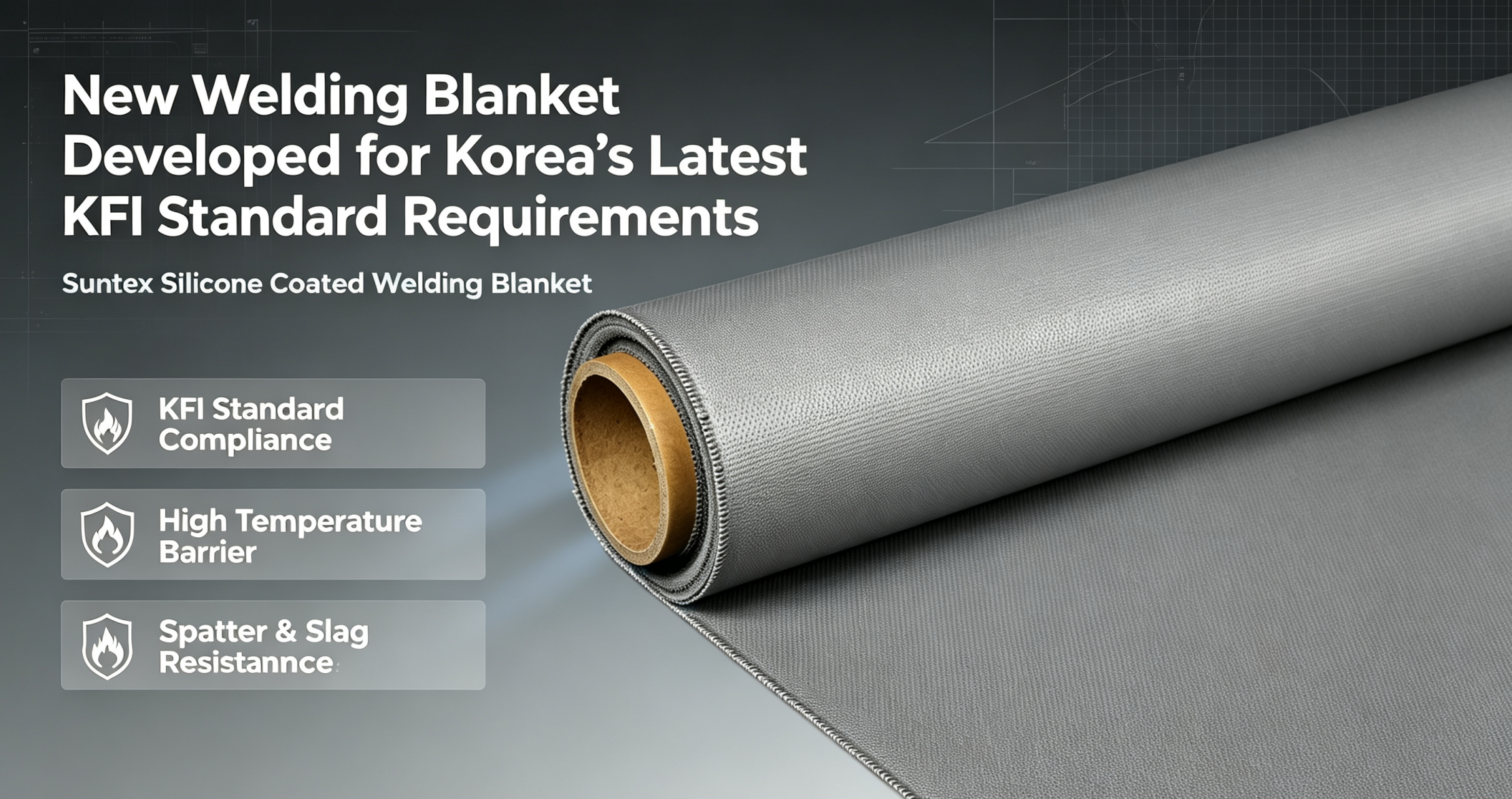
New Welding Blanket Developed for Korea’s Latest KFI Standard Requirements Suntex launches upgraded grey silicone-coated fiberglass welding blankets fully compliant with Korea’s latest KFI fire safety standards for hot work. Made of premium grey silicone coated fiberglass rolls, our blankets deliver reliable protection against welding sparks, molten slag, and high heat for welding, cutting, and […]
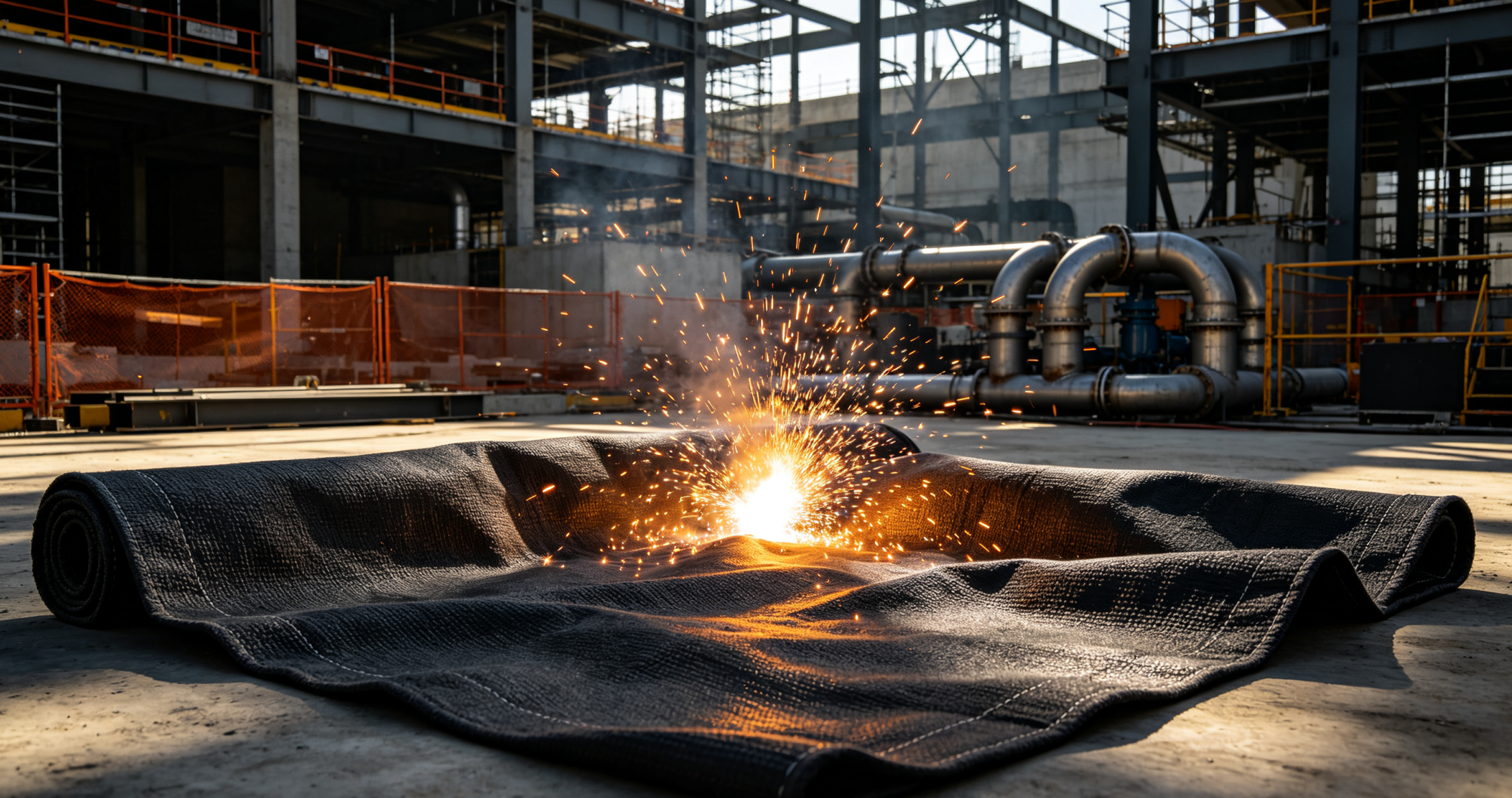
In the high-stakes environment of Japanese automotive manufacturing and precision machining, “good enough” is never enough. When a single stray spark can lead to costly downtime or compromise the integrity of automated assembly lines, the quality of your protective gear is a direct reflection of your operational safety standards. For facilities prioritizing fire prevention and […]

Welding sparks trigger most construction site fires. Even standardized operating procedures carry hidden risks if low-performance flame-retardant fabrics are used. Recent frequent construction fires sound alarms for hot work safety. Most welding-caused blazes stem from inadequate high-temperature slag shielding and substandard fire-resistant materials, rather than improper operation alone. Welding arcs hit over 6,000°C, with flying […]
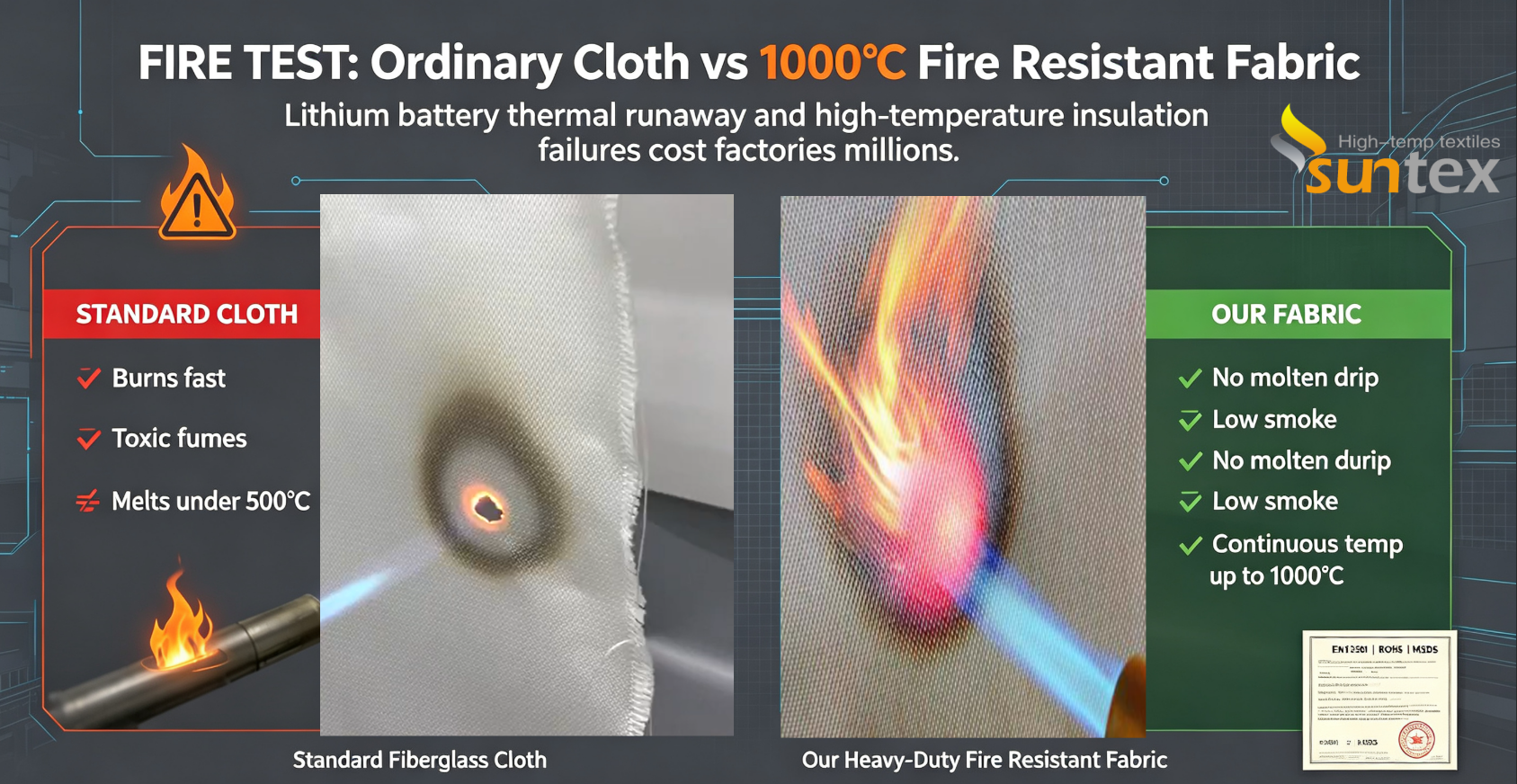
The Hidden Cost of Inferior Thermal Insulation Lithium battery thermal runaway and industrial high-temperature insulation failures frequently trigger factory fires, unplanned shutdowns and massive economic losses. Most of these accidents stem from low-performance standard insulation materials, rather than major equipment faults. Substandard fiberglass cloth fails under high heat, accelerating fire spread and causing costly industrial […]


 English
 Arabic
 Dutch
Dutch French
 German
 Italian
 Polish
 Portuguese
 Russian
 Spanish