

In today’s rapidly advancing technological era, a type of “magic material” is quietly transforming our lives—making cars lighter, airplanes stronger, smartphones thinner, and even driving the renewable energy revolution. This material is none other than composite materials. Unlike single-substance materials, composites are engineered by combining two or more materials, integrating their advantages and even achieving a “1+1>2” synergistic effect. From aerospace to everyday applications, composite materials are writing a new chapter in human technological progress.

1. Plant Fiber Composites: The Rising Star of Green Technology

With growing environmental awareness, plant fiber composites have emerged as an industry favorite due to their renewable and biodegradable properties.
Features: Made from natural fibers like bamboo, and straw, they offer lightweight, wear-resistant, and soundproof qualities.
Applications:
Automotive: Used in dashboards, door panels, and seats to reduce plastic usage and lower carbon emissions.
Packaging: Replaces single-use plastics, driving the green packaging revolution.
Future Outlook: As carbon neutrality goals advance, plant fiber composites may become a cornerstone of the “zero-carbon economy.”
2. Carbon Fiber Composites: The King of High-End Manufacturing

If there’s one material that perfectly balances “light as a feather, strong as steel,” it’s carbon fiber composites.
Features: Weighing just 1/4 of steel but 5 times stronger, with exceptional heat and corrosion resistance.
Applications:
Aerospace: Aircraft fuselages and satellite components reduce weight while improving fuel efficiency.
Automotive: Supercar bodies and EV battery enclosures enhance safety and range.
Sports Equipment: Golf clubs and bicycle frames help athletes push limits.
Industry Trend: As costs decline, carbon fiber is transitioning from a “luxury” to mainstream use, potentially entering appliances and construction.
3. Glass Fiber Composites: The Industrial All-Rounder
From construction to electronics, glass fiber composites are ubiquitous due to their versatility.
Features: Insulating, heat-resistant, corrosion-proof, and more affordable than carbon fiber.
Applications:
Construction: Wall reinforcements and fireproof materials enhance building safety.
Electronics: Circuit board substrates ensure device reliability.
Chemical Industry: Pipes and storage tanks resist acid/alkali corrosion.
Innovation Spotlight: China’s SUNTEX Factory (Jiangsu) has developed advanced products by coating silicone rubber, creating waterproof, weather-resistant solutions for high-speed rail and 5G infrastructure.
4. Ceramic Composites: The Ultimate Solution for Extreme Environments
Where traditional materials fail under high heat, pressure, or corrosion, ceramic composites excel.
Features: Withstands temperatures above 1500°C and rivals diamond in hardness.
Applications:
Aerospace/Defense: Rocket nozzles and armor plating.
Energy: Nuclear reactor liners and gas turbine blades.
Breakthrough: Nano-enhanced versions now offer improved toughness, paving the way for medical uses like artificial joints.
5. Epoxy Resin Composites: The Unsung Hero of Bonding
As the “glue” of composites, epoxy resins underpin countless high-tech products.
Features: Superior adhesion, aging resistance, and insulation.
Applications:
Renewable Energy: Wind turbine blades endure extreme weather.
Electronics: Protects delicate chips in devices.
Market Potential: Demand will surge with the growth of wind and solar power.
The Future Is Here
From carbon-reducing plant fibers to industry-disrupting carbon fibers, composites are reshaping global industries. The market is projected to exceed $150 billion by 2030, with China playing a pivotal role—boosting carbon fiber localization and producing 70%+ of the world’s glass fiber.
As technology evolves, composites will become lighter, stronger, and smarter, unlocking endless possibilities for space exploration and a greener planet.
What everyday products have you noticed using composites? Share in the comments!
Contact Details
Suntex Composite Industrial Co., Ltd.
Contact Person: Mr. Jason Hu
Tel: +86 132 0712 7986

Send your inquiry directly to us
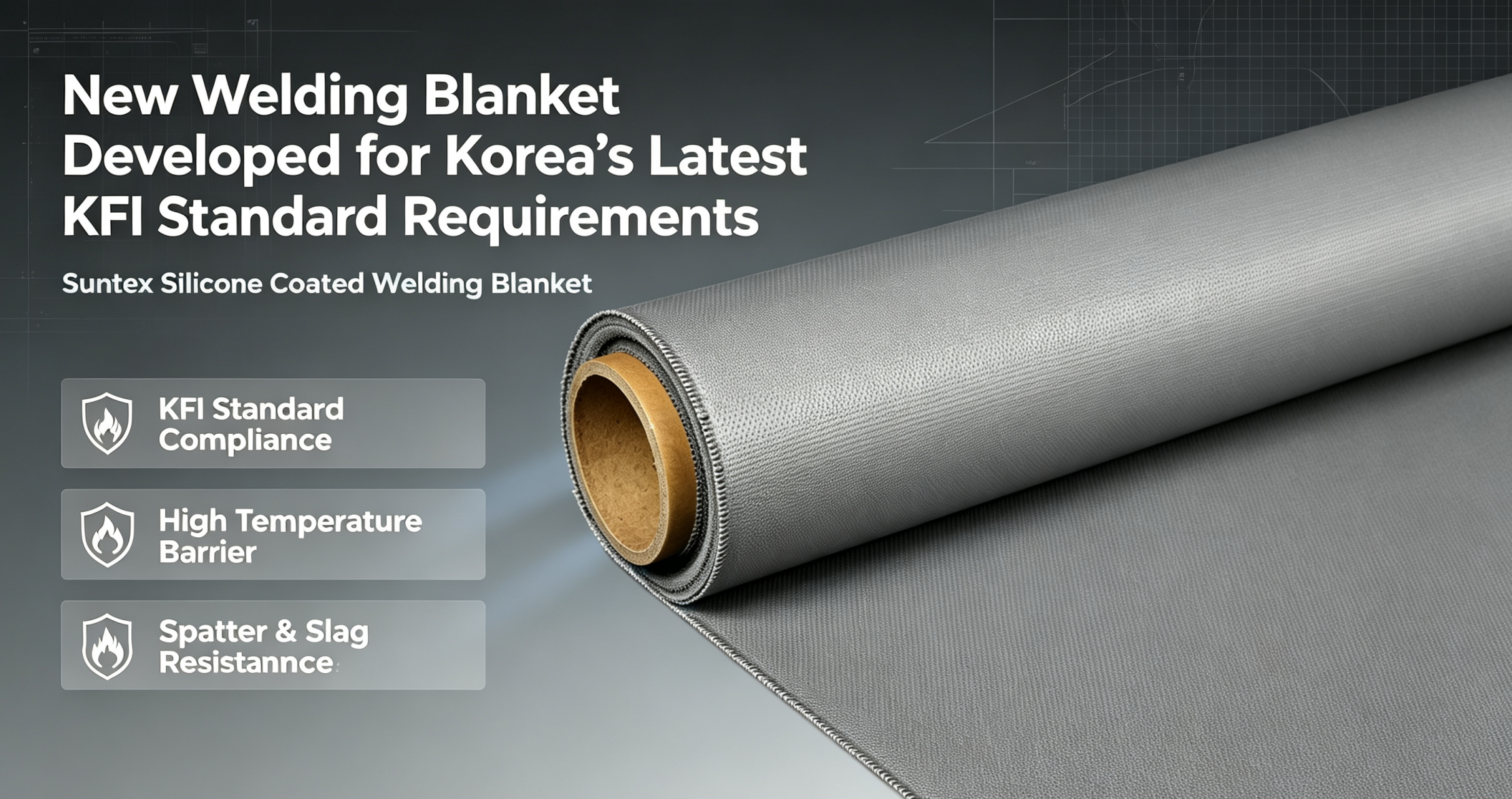
New Welding Blanket Developed for Korea’s Latest KFI Standard Requirements Suntex launches upgraded grey silicone-coated fiberglass welding blankets fully compliant with Korea’s latest KFI fire safety standards for hot work. Made of premium grey silicone coated fiberglass rolls, our blankets deliver reliable protection against welding sparks, molten slag, and high heat for welding, cutting, and […]
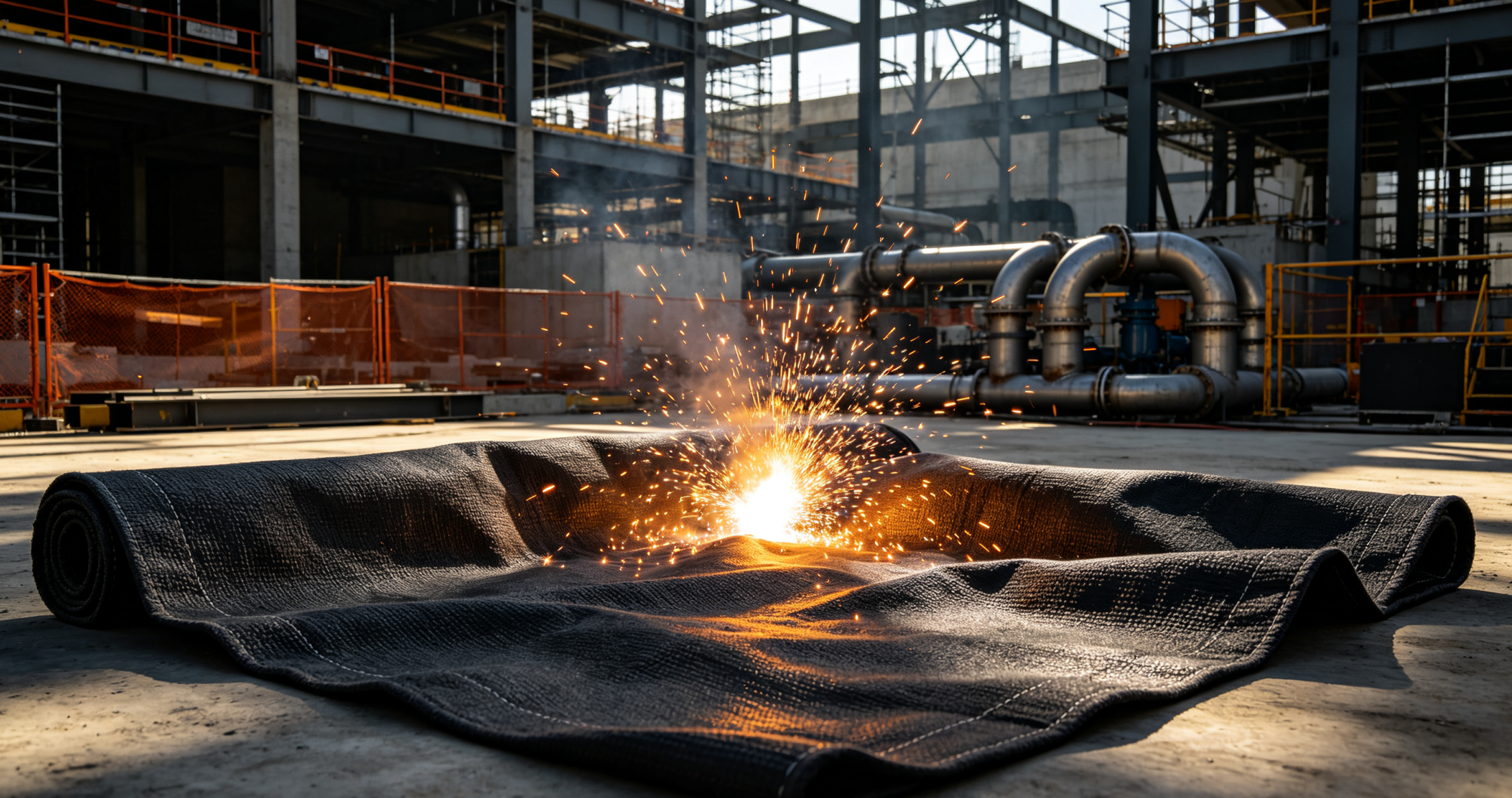
In the high-stakes environment of Japanese automotive manufacturing and precision machining, “good enough” is never enough. When a single stray spark can lead to costly downtime or compromise the integrity of automated assembly lines, the quality of your protective gear is a direct reflection of your operational safety standards. For facilities prioritizing fire prevention and […]
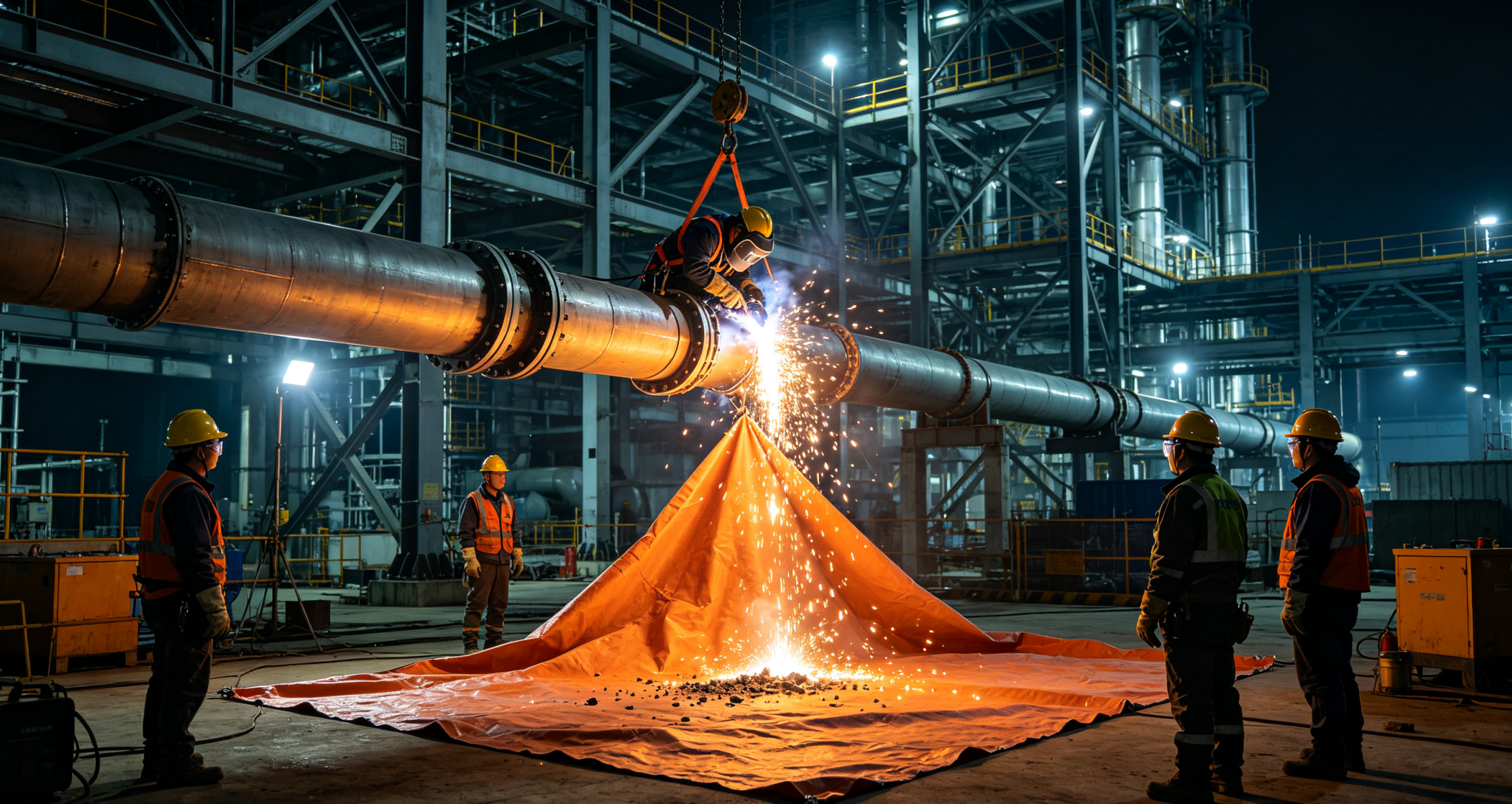
Welding sparks trigger most construction site fires. Even standardized operating procedures carry hidden risks if low-performance flame-retardant fabrics are used. Recent frequent construction fires sound alarms for hot work safety. Most welding-caused blazes stem from inadequate high-temperature slag shielding and substandard fire-resistant materials, rather than improper operation alone. Welding arcs hit over 6,000°C, with flying […]
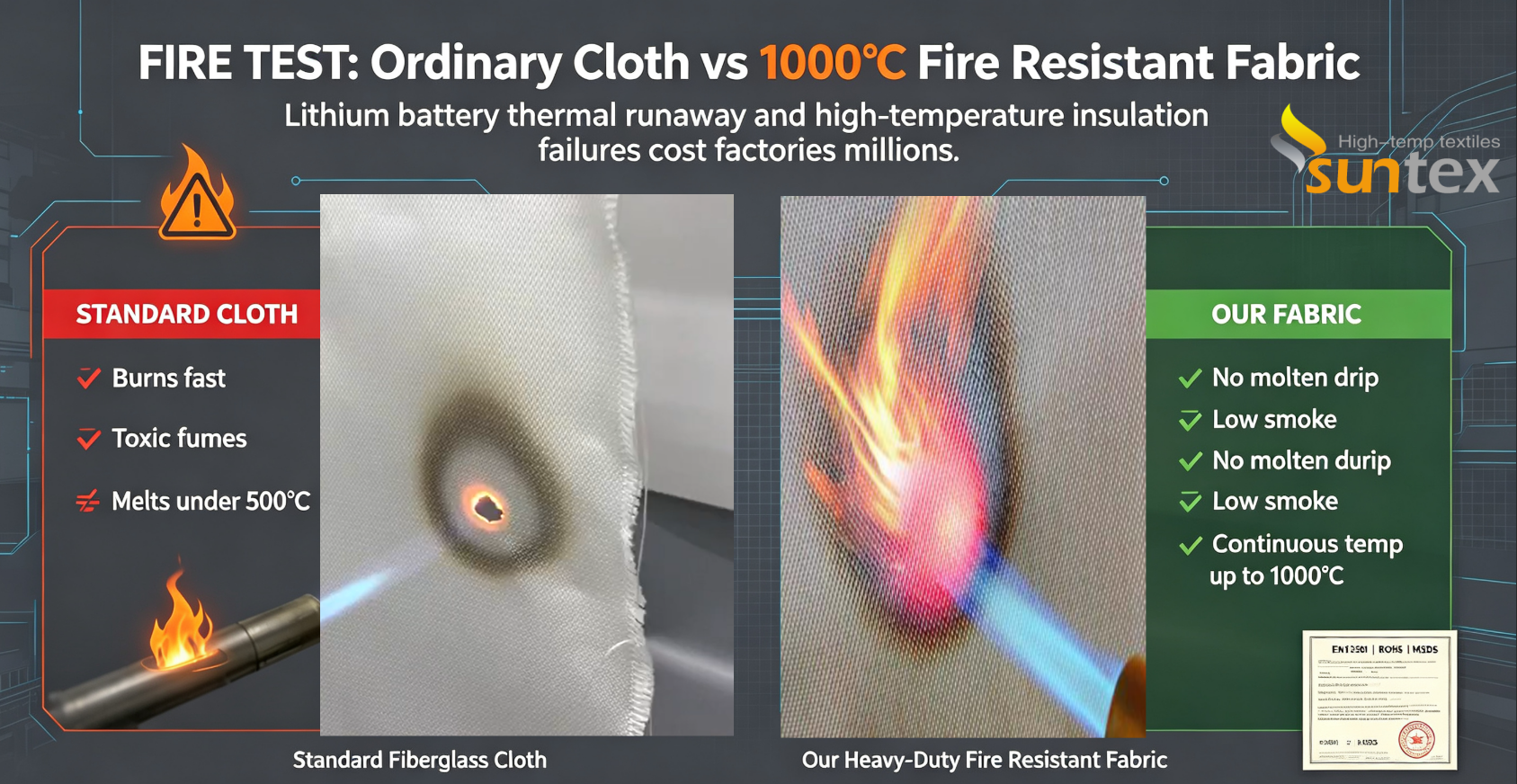
The Hidden Cost of Inferior Thermal Insulation Lithium battery thermal runaway and industrial high-temperature insulation failures frequently trigger factory fires, unplanned shutdowns and massive economic losses. Most of these accidents stem from low-performance standard insulation materials, rather than major equipment faults. Substandard fiberglass cloth fails under high heat, accelerating fire spread and causing costly industrial […]


 English
 Arabic
 Dutch
Dutch French
 German
 Italian
 Polish
 Portuguese
 Russian
 Spanish