Which is more effective, a fire blanket or a fire extinguisher, when it comes to lithium battery fires in electric vehicles?

In the case of lithium battery fires, fire blankets and fire extinguishers each have distinct characteristics, making it difficult to simply declare one stronger than the other. Here is an analysis based on practical tests:
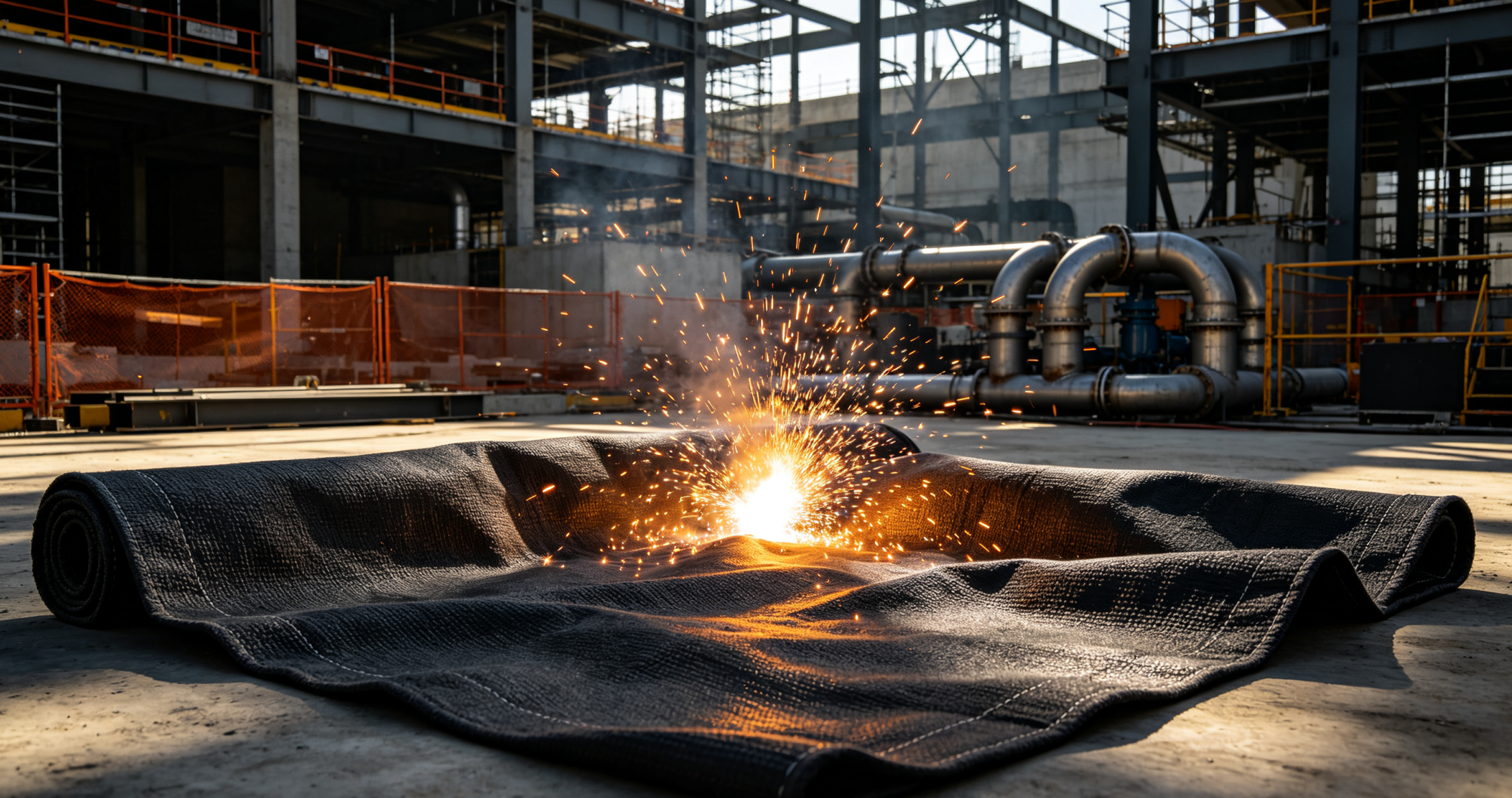
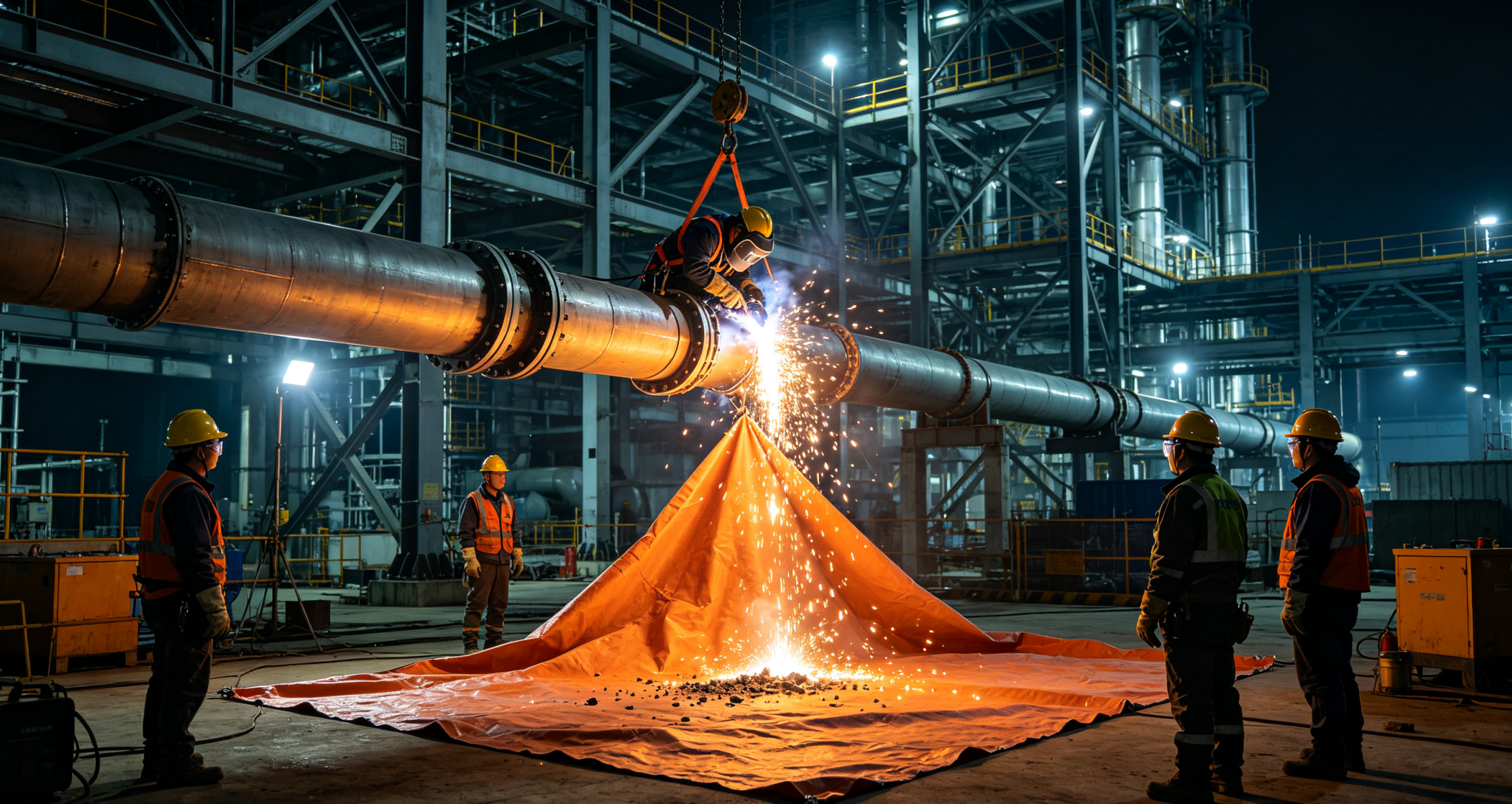
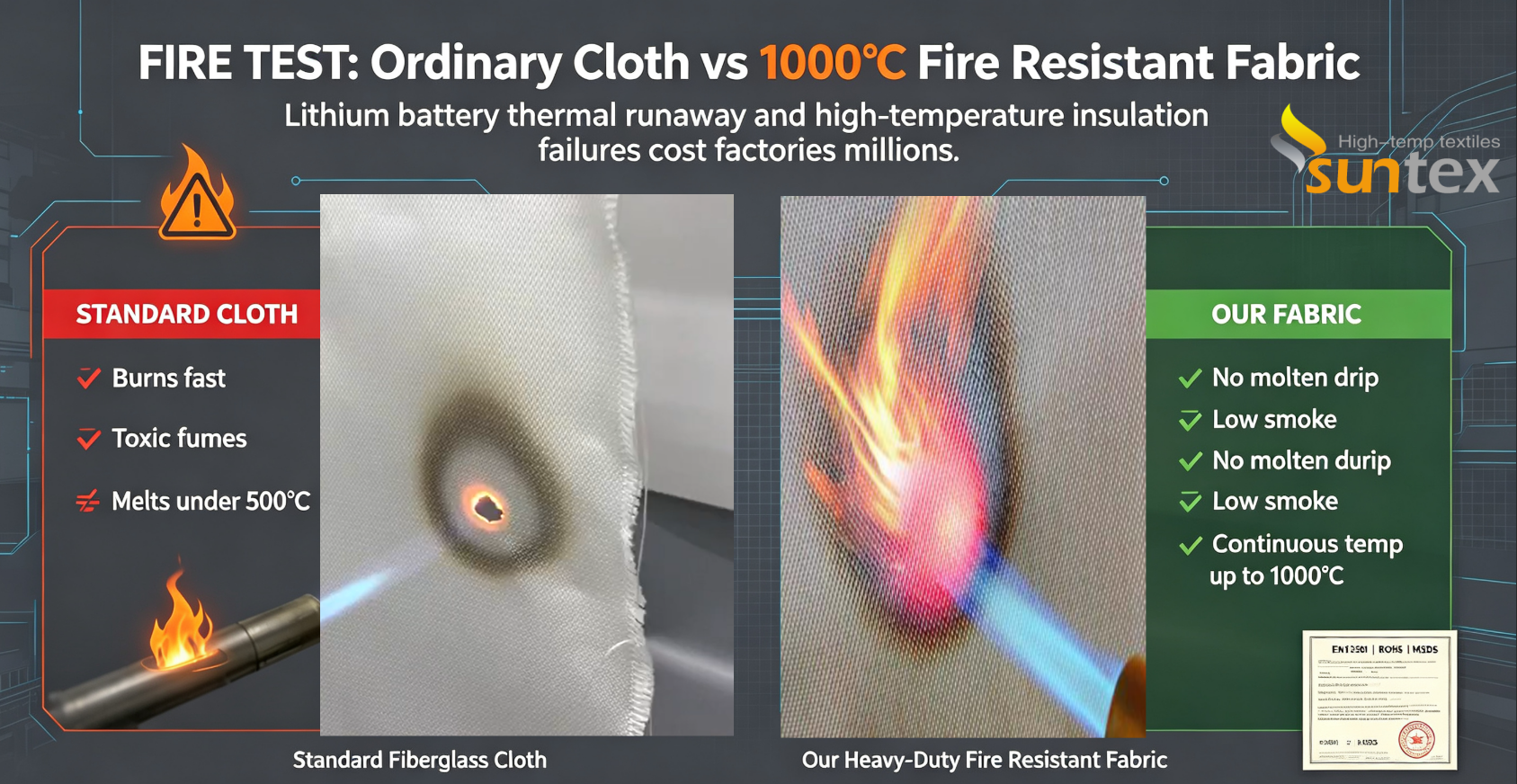
Fire blankets are effective in controlling fires and can prevent flame spread for at least 60 minutes. When covering a fire, they significantly reduce the temperature in the surrounding area, protecting adjacent equipment and personnel. They also offer some smoke emission control, as they allow partial release of combustible gases produced during battery thermal runaway about 10 minutes after covering. This greatly reduces the risk of gas accumulation and explosion. Even after 60 minutes of exposure to high temperatures, fire blankets retain a certain degree of flexibility and can be reused multiple times.
Dry powder fire extinguishers can quickly extinguish open flames but are ineffective against the internal thermal runaway of lithium batteries, often leading to re-ignition. Tests show that a large amount of dry powder is required to temporarily control the fire, and lithium batteries may re-ignite multiple times.
Water-based fire extinguishers form a water film that isolates oxygen while cooling the battery, offering better resistance to re-ignition compared to dry powder extinguishers. They can penetrate the battery surface, reducing the affected area, but they cannot fully stop the internal chemical reactions of lithium batteries, necessitating repeated spraying.
Some specialized lithium battery fire extinguishers can penetrate the battery interior, suppress chemical reactions, and carry a lower risk of re-ignition. However, such products are not yet widely available and require proper use to achieve their intended effect.
-
If the goal is to control fire spread and protect the surrounding environment, fire blankets are more effective, as they can quickly isolate the fire source and minimize secondary hazards.
-
If the goal is to extinguish open flames and reduce the risk of re-ignition, water-based or specialized lithium battery fire extinguishers are more suitable, but continuous operation is necessary.
For internal thermal runaway in lithium batteries, no single tool can completely resolve the issue. Comprehensive measures, including extensive water cooling and professional firefighting equipment, are required.
In practical use, prioritize personal safety, stay away from the fire source, and call for emergency assistance immediately. If conditions permit, consider using a fire blanket to control the fire first, then follow up with a fire extinguisher or water for further suppression.
Contact Details
Suntex Composite Industrial Co., Ltd.
Contact Person: Mr. Jason Hu
Tel: +86 132 0712 7986

Send your inquiry directly to us
Related Posts
Why do inferior silicone fiberglass fire-resistant fabrics on the market crack, delaminate, or break down within 6 months? Low-grade alternatives come with false temperature resistance ratings, are prone to silicone coating peeling, and glass filament shedding. Many carry unverified Class A2 fire certificates, alongside weak resistance to oil, acid, and outdoor weather, plus rough, defective […]
2026 Global Fiberglass Industry Analysis: Sustained Price Inflation Becomes Industry Norm, Strategic Forward Procurement Imperative As a specialized manufacturer of fire-retardant fiberglass fabrics, we issue this official forward-looking market advisory for all long-term strategic partners. Driven by tightening global supply fundamentals, continual industry-wide price hikes are projected for 2026. We recommend that downstream stakeholders optimize […]
The fiberglass price uptrend has officially emerged in 2026. This is not a short-term fluctuation, but a long-term upward cycle driven by reshaped industry supply and demand fundamentals, with continued price growth expected. The overall industry environment is tightening, and rising raw material costs will become a sustained trend for downstream manufacturers. The price increase […]