

Unlike the radical ejection solution, fire blanket technology adopts a “suppression” strategy. It creates a fire-resistant barrier around the battery pack, preventing oxygen from entering and suppressing the spread of flames.
The advantages of this solution are clear:
No secondary risks: It does not create new hazards.
Mature technology: It has been validated through multiple tests.
Cost-effective: Easy to promote and adopt across the industry.
Serves the core goal: Buys valuable time for occupant escape and fire rescue operations.

Industry Consensus: Safety Cannot Rely on “Idealized” Solutions Alone
Currently, the global automotive industry has reached a consensus: fire blanket coverage is a more realistic, safer, and more responsible mainstream safety technology. It directly addresses the core safety need of “buying time for escape” without requiring solutions to complex ethical and social problems.
Meanwhile, battery ejection remains a bold concept, still in the conceptual or extremely niche stage, with a long road ahead before large-scale commercial application.

Future Outlook: Gradual Progress and Breakthroughs in Safety Technology
Although fire blanket technology currently dominates the mainstream, this does not mean the automotive industry has stopped exploring more advanced safety solutions. In the future, we may see further upgrades to fire blanket technology, or we may witness the application of battery ejection technology after overcoming its numerous obstacles.
However, regardless of the path, the evolution of safety technology must be based on reliability and the absence of衍生 risks. This is the only responsible attitude toward consumers and the public.
What are your thoughts on electric vehicle safety technology? Feel free to share your opinions in the comments below!
Contact Details
Suntex Composite Industrial Co., Ltd.
Contact Person: Mr. Jason Hu
Tel: +86 132 0712 7986

Send your inquiry directly to us
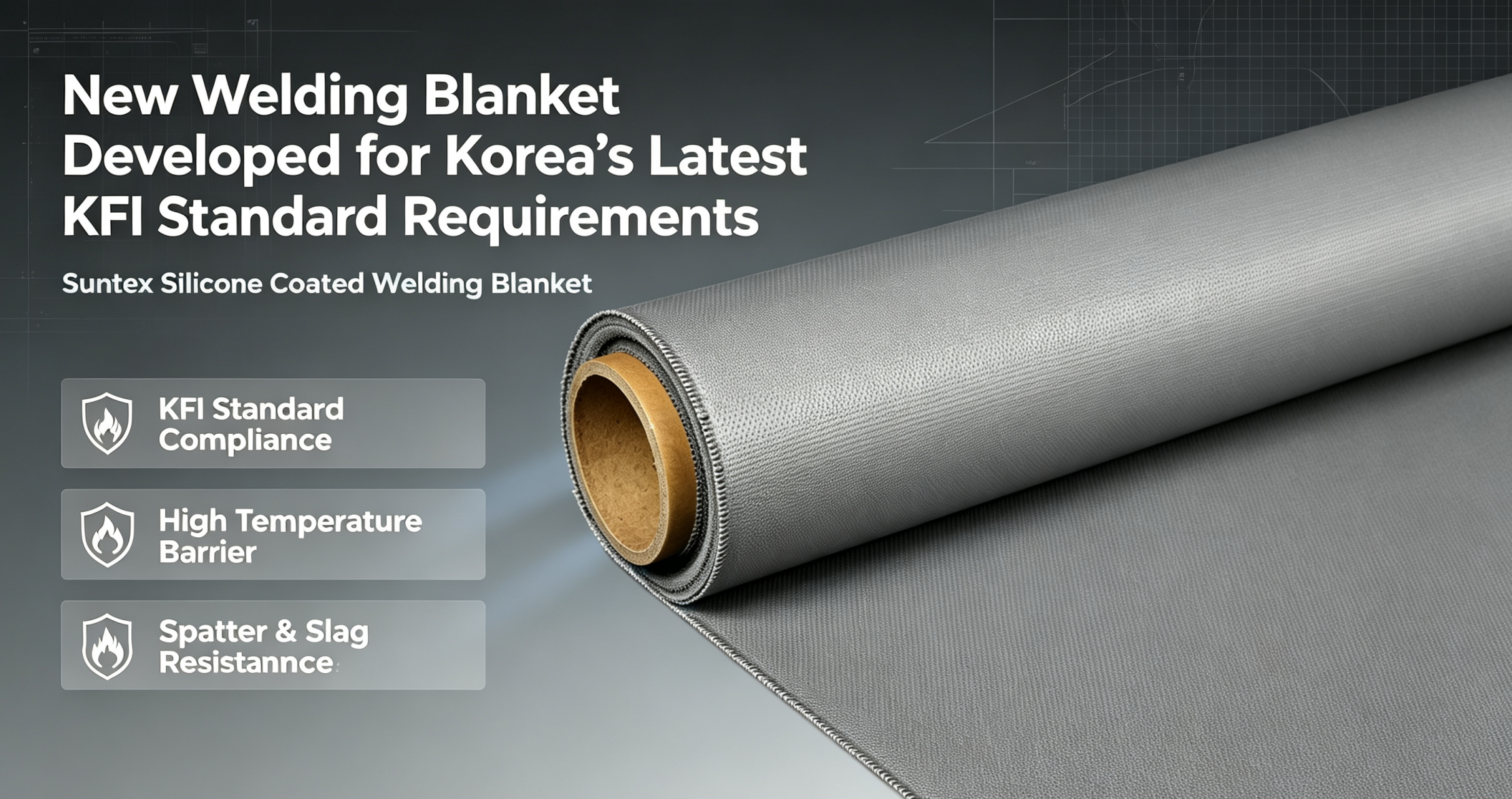
New Welding Blanket Developed for Korea’s Latest KFI Standard Requirements Suntex launches upgraded grey silicone-coated fiberglass welding blankets fully compliant with Korea’s latest KFI fire safety standards for hot work. Made of premium grey silicone coated fiberglass rolls, our blankets deliver reliable protection against welding sparks, molten slag, and high heat for welding, cutting, and […]
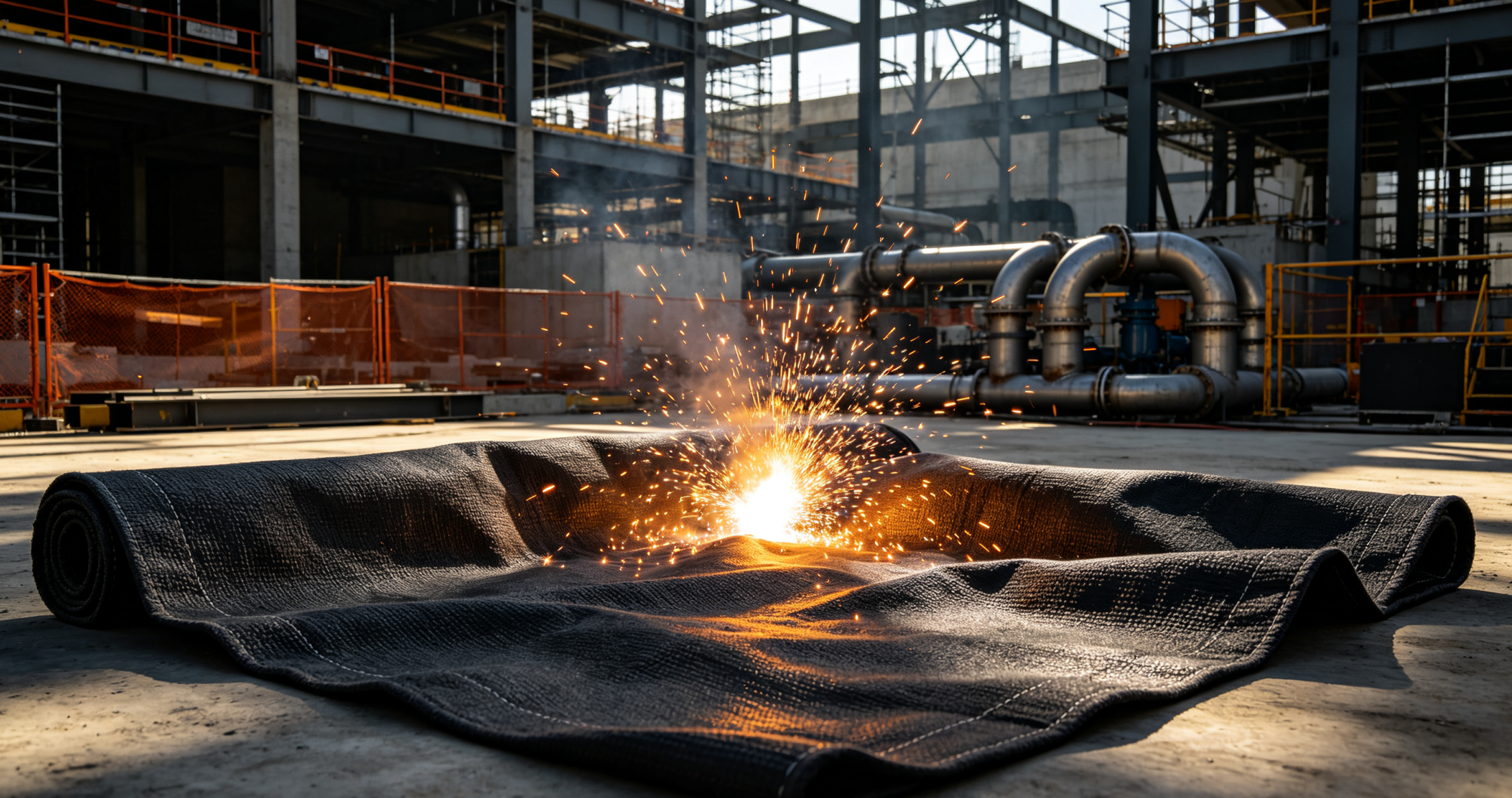
In the high-stakes environment of Japanese automotive manufacturing and precision machining, “good enough” is never enough. When a single stray spark can lead to costly downtime or compromise the integrity of automated assembly lines, the quality of your protective gear is a direct reflection of your operational safety standards. For facilities prioritizing fire prevention and […]
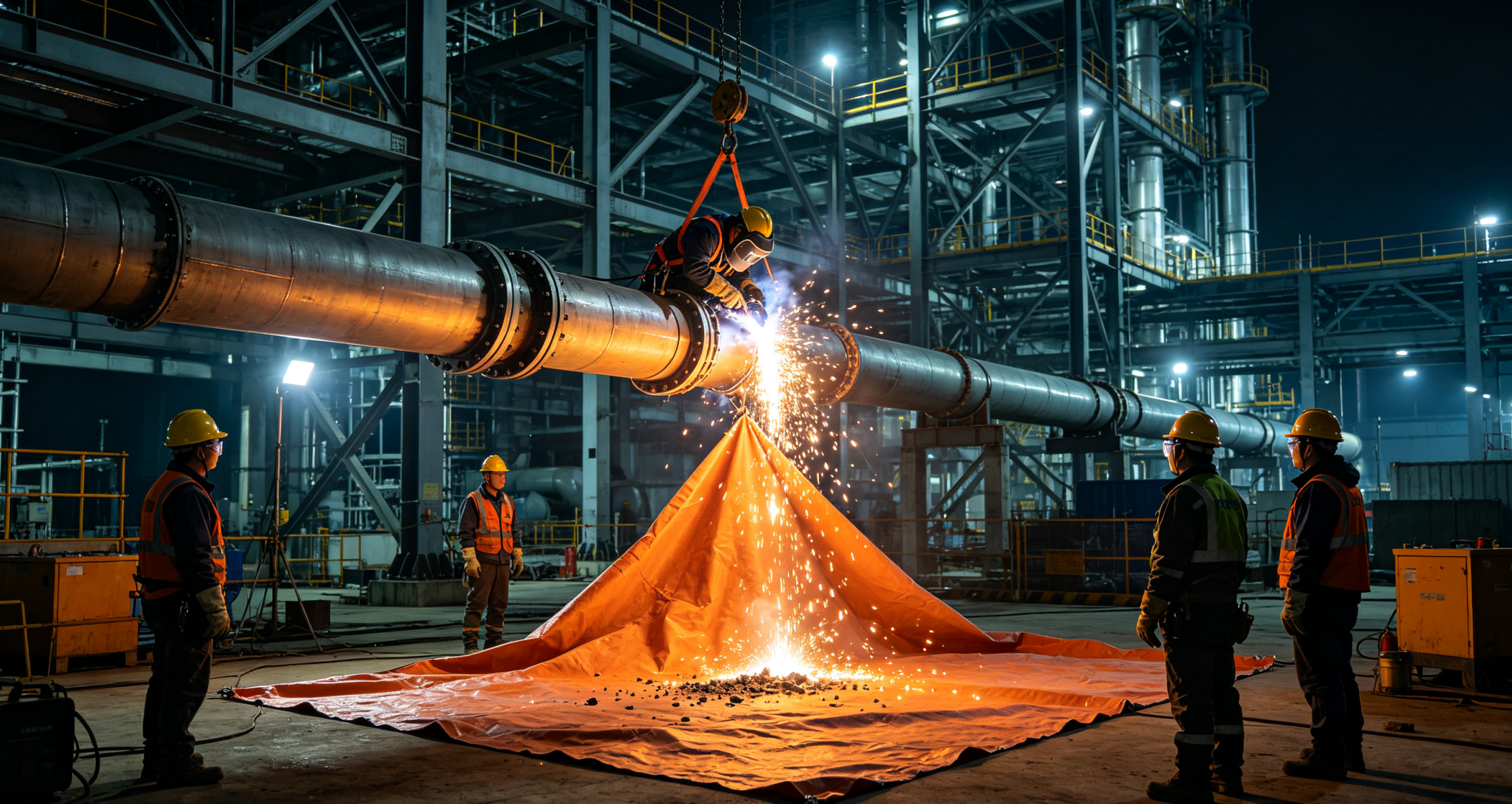
Welding sparks trigger most construction site fires. Even standardized operating procedures carry hidden risks if low-performance flame-retardant fabrics are used. Recent frequent construction fires sound alarms for hot work safety. Most welding-caused blazes stem from inadequate high-temperature slag shielding and substandard fire-resistant materials, rather than improper operation alone. Welding arcs hit over 6,000°C, with flying […]
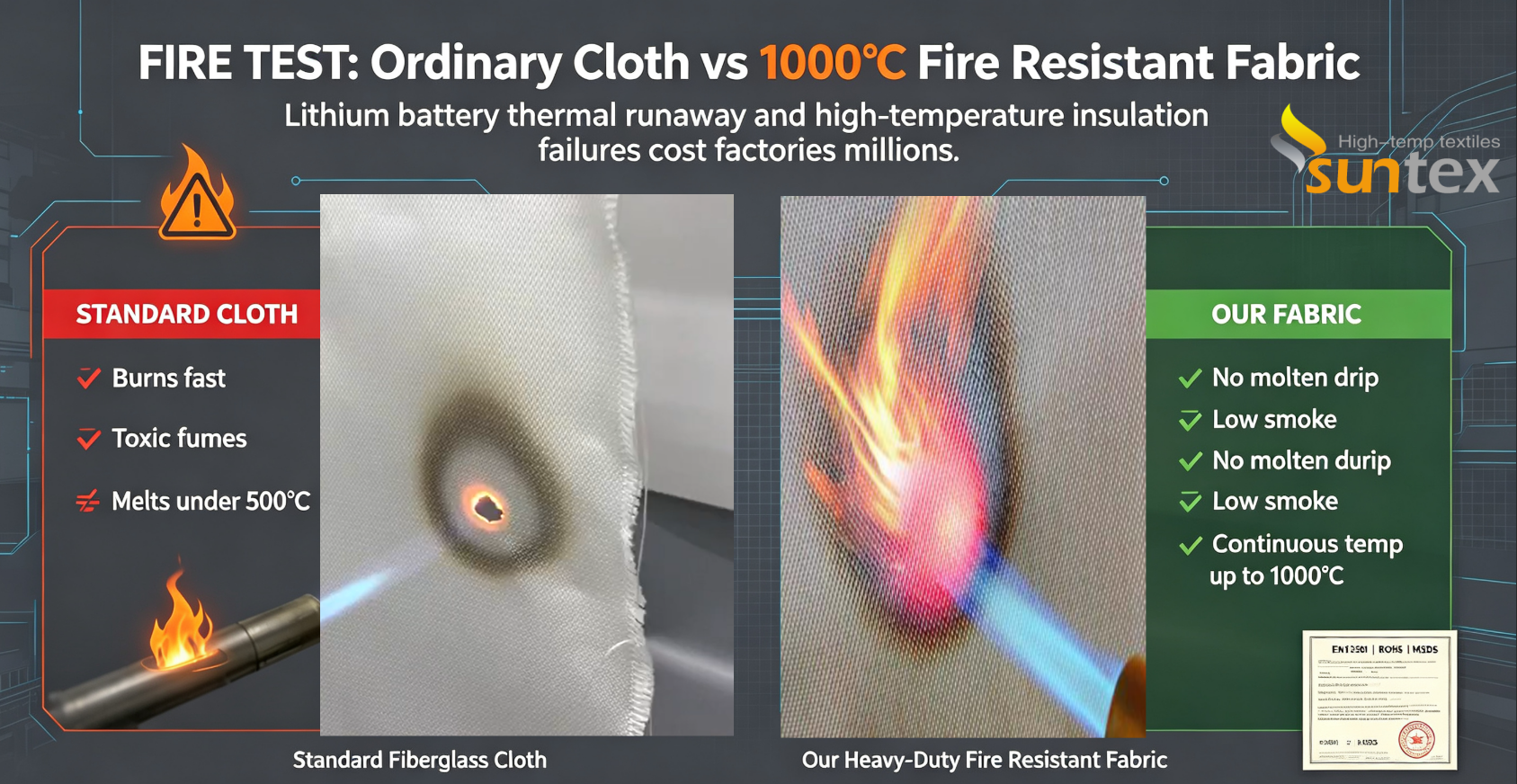
The Hidden Cost of Inferior Thermal Insulation Lithium battery thermal runaway and industrial high-temperature insulation failures frequently trigger factory fires, unplanned shutdowns and massive economic losses. Most of these accidents stem from low-performance standard insulation materials, rather than major equipment faults. Substandard fiberglass cloth fails under high heat, accelerating fire spread and causing costly industrial […]


 English
 Arabic
 Dutch
Dutch French
 German
 Italian
 Polish
 Portuguese
 Russian
 Spanish