

In recent years, spontaneous combustion incidents involving electric bikes (e-bikes) have been frequently reported, with sudden explosions occurring in hallways, elevators, and even inside homes. Why do e-bikes catch fire so violently? What common practices create these hazards? And what should you do if a fire breaks out? This article breaks it all down—knowledge that could save lives!
1. Why Do E-Bikes Catch Fire? The Three Major Culprits
-
Low-Quality Batteries
-
Non-original or refurbished batteries have unstable internal structures, making them prone to short circuits and fires.
-
Case Study: A 2023 residential fire investigation revealed that 80% of burned e-bikes used uncertified batteries.
-
-
Modified Circuits
-
Unauthorized upgrades, such as high-power motors or altered chargers, cause overheating due to circuit overload.
-
Expert Warning: Modified e-bikes can burn out of control in under 30 seconds, leaving no time to escape!
-
-
Improper Charging Habits
-
Overcharging (beyond 8 hours), using makeshift extension cords, or mismatched chargers can trigger thermal runaway.
-
Lab Data: Continuing to charge a fully charged e-bike battery for just one extra hour can raise temperatures by 60°C!
-
2. Daily Safety Guidelines
✅ While Charging
-
Use only the original charger and avoid overnight charging.
-
Charge in well-ventilated areas, away from flammable materials.
✅ When Parking
-
Never park in hallways, elevators, or indoors! Use designated outdoor charging stations.
-
Avoid prolonged exposure to sun or rain, which accelerates battery degradation.
✅ While Riding
-
If you notice abnormal heat, strange smells, or smoke, power off immediately and dismount.
3. Emergency Response: “3 Don’ts & 1 Do”
-
Don’t Use Water: Lithium battery fires react violently with water—use a dry powder fire extinguisher instead.
-
Don’t Approach: Toxic fumes are released during combustion—evacuate and call emergency services.
-
Don’t Risk Your Life: Flames spread rapidly—never re-enter to retrieve belongings.
-
Do Escape Quickly: Cover your mouth and nose, stay low, and flee the scene.
4. Regulations & Compliance
-
Many cities have banned e-bikes from indoor spaces, with fines up to ¥10,000 for violations.
-
Purchasing Tip: Always check for 3C certification and inspect batteries regularly.
A single moment of carelessness can lead to lifelong regret! Share this with family and friends—don’t let your e-bike become a ticking time bomb.Have you witnessed an e-bike fire? Are there enough charging facilities in your neighborhood? Share your thoughts in the comments!
Contact Details
Suntex Composite Industrial Co., Ltd.
Contact Person: Mr. Jason Hu
Tel: +86 132 0712 7986

Send your inquiry directly to us
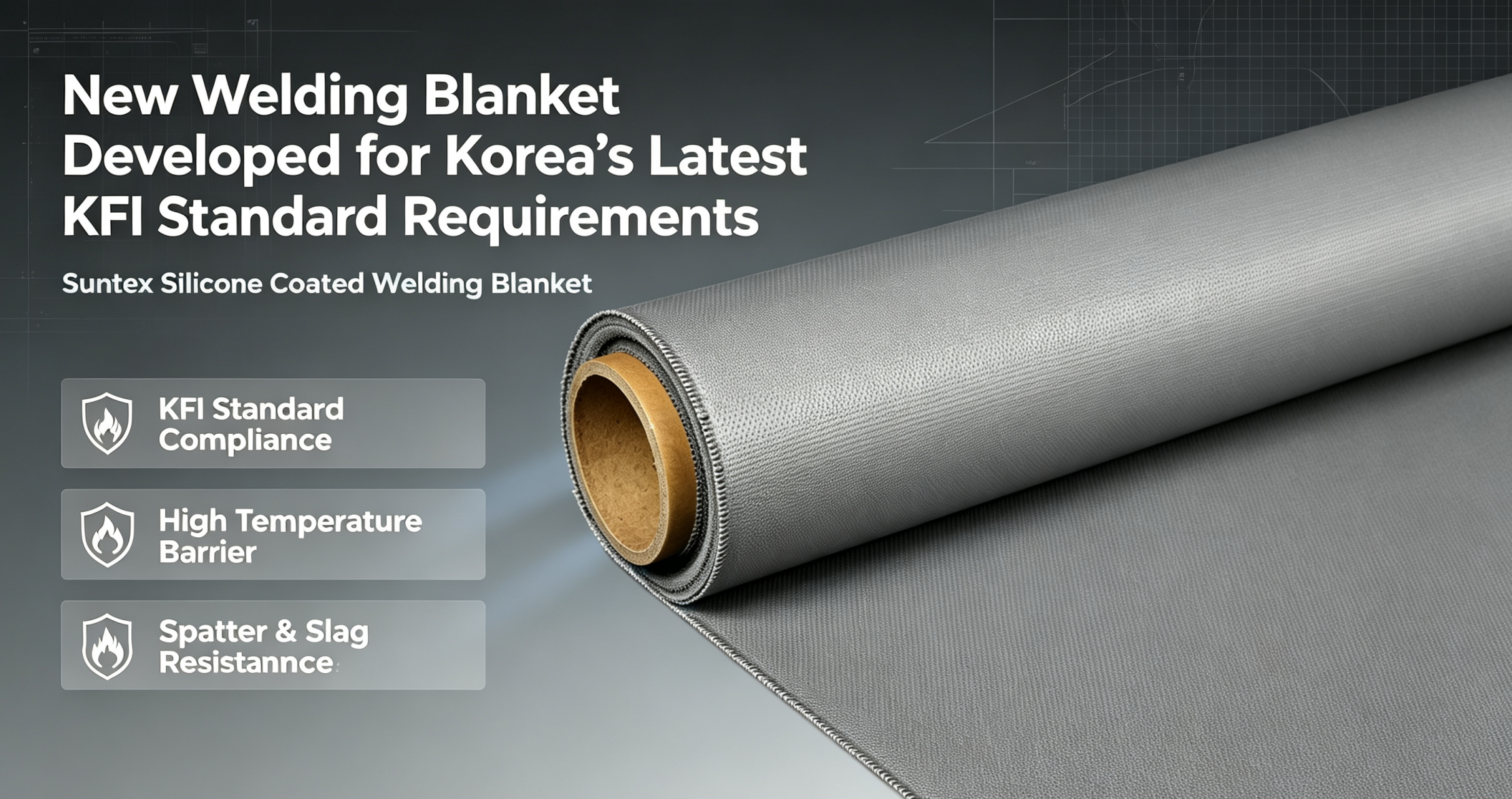
New Welding Blanket Developed for Korea’s Latest KFI Standard Requirements Suntex launches upgraded grey silicone-coated fiberglass welding blankets fully compliant with Korea’s latest KFI fire safety standards for hot work. Made of premium grey silicone coated fiberglass rolls, our blankets deliver reliable protection against welding sparks, molten slag, and high heat for welding, cutting, and […]
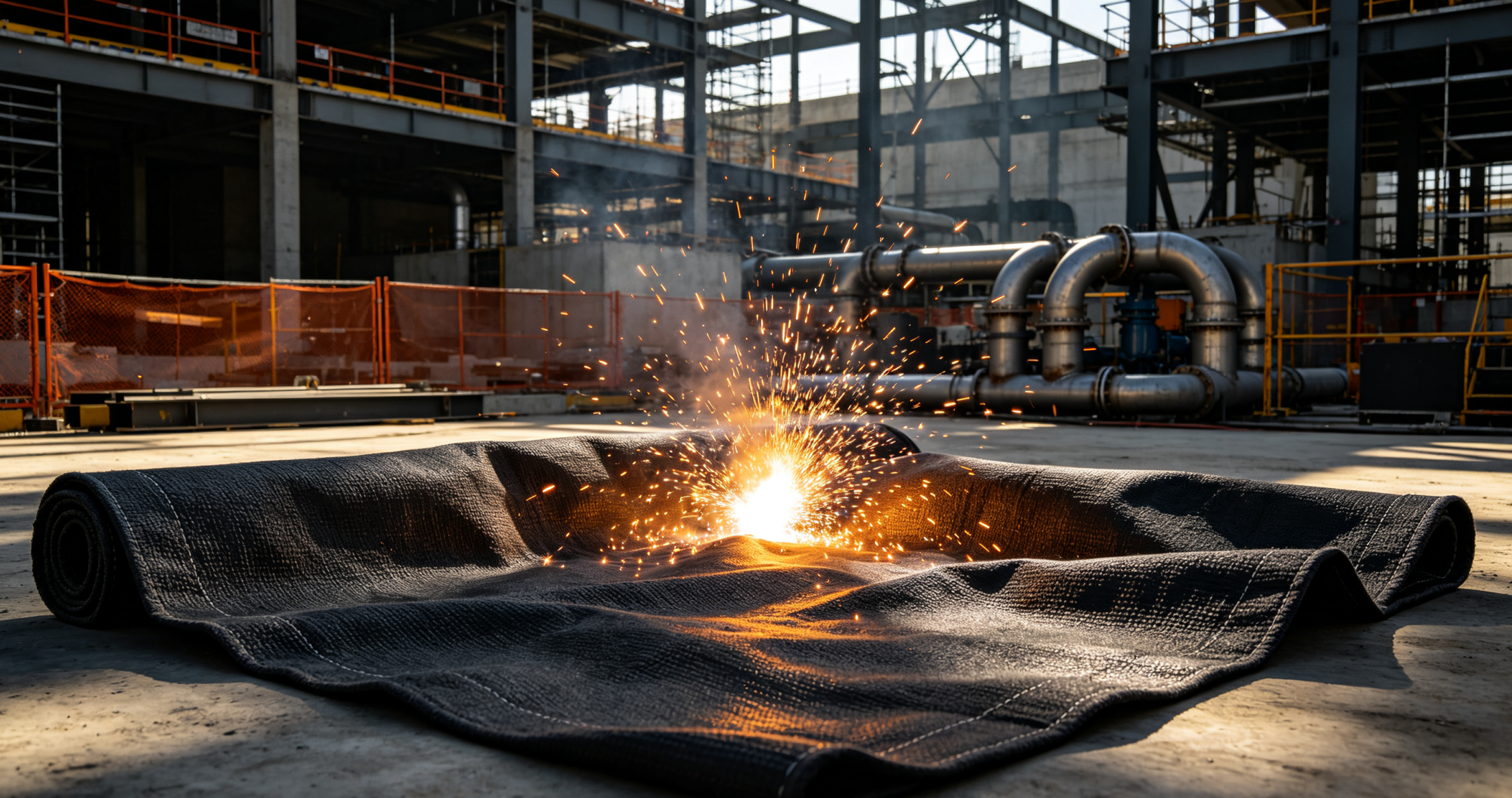
In the high-stakes environment of Japanese automotive manufacturing and precision machining, “good enough” is never enough. When a single stray spark can lead to costly downtime or compromise the integrity of automated assembly lines, the quality of your protective gear is a direct reflection of your operational safety standards. For facilities prioritizing fire prevention and […]
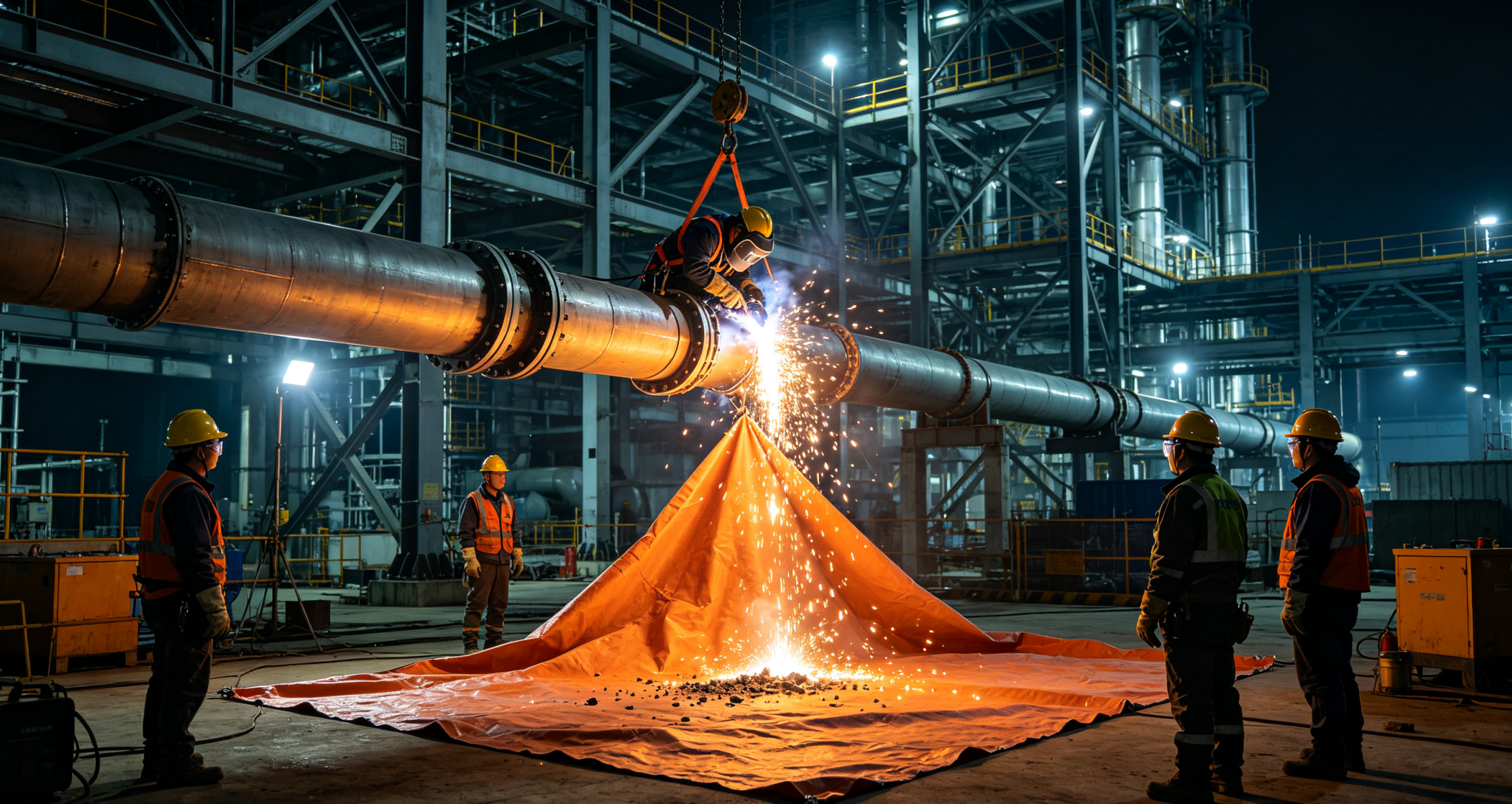
Welding sparks trigger most construction site fires. Even standardized operating procedures carry hidden risks if low-performance flame-retardant fabrics are used. Recent frequent construction fires sound alarms for hot work safety. Most welding-caused blazes stem from inadequate high-temperature slag shielding and substandard fire-resistant materials, rather than improper operation alone. Welding arcs hit over 6,000°C, with flying […]
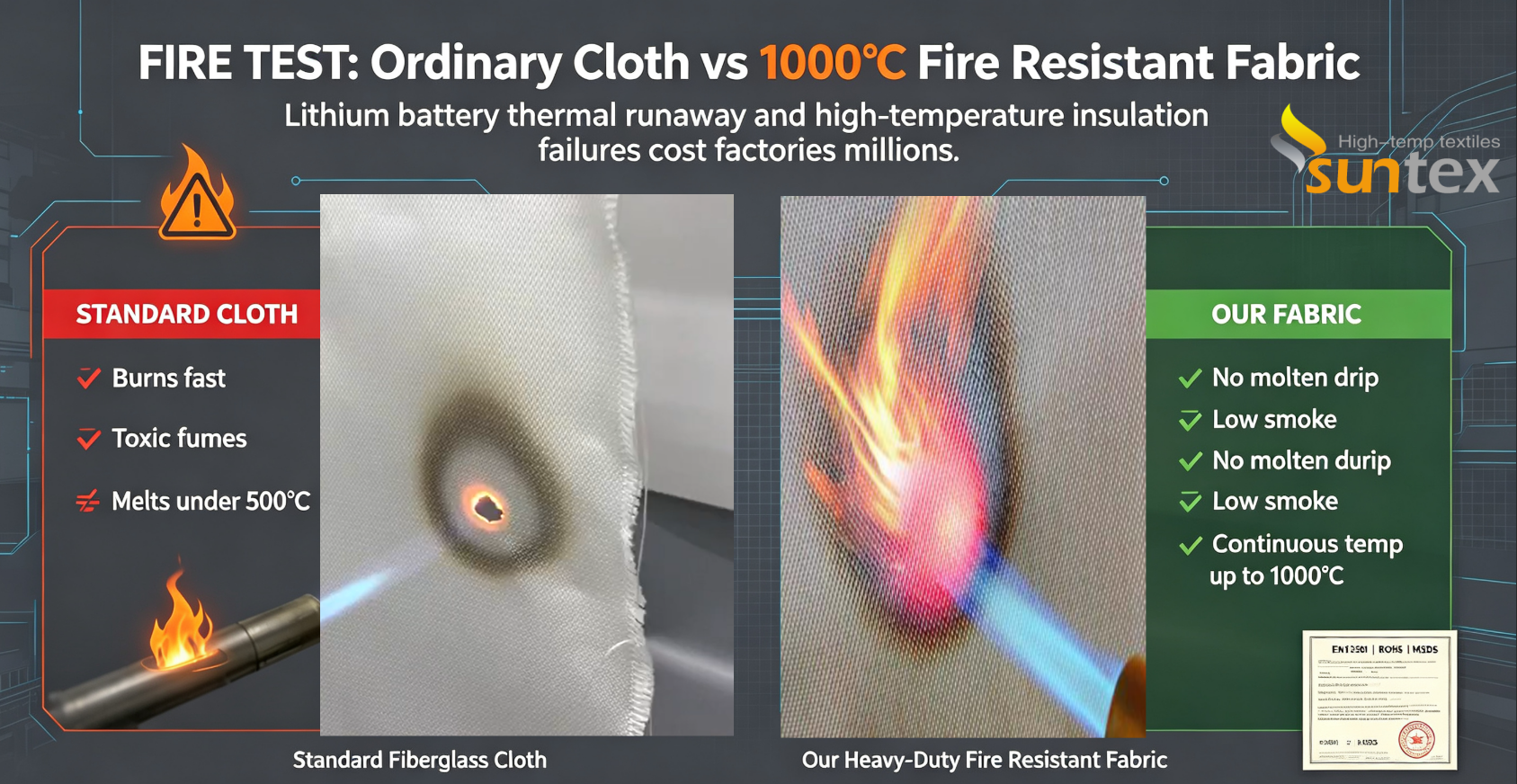
The Hidden Cost of Inferior Thermal Insulation Lithium battery thermal runaway and industrial high-temperature insulation failures frequently trigger factory fires, unplanned shutdowns and massive economic losses. Most of these accidents stem from low-performance standard insulation materials, rather than major equipment faults. Substandard fiberglass cloth fails under high heat, accelerating fire spread and causing costly industrial […]


 English
 Arabic
 Dutch
Dutch French
 German
 Italian
 Polish
 Portuguese
 Russian
 Spanish