

Under the scorching heat of ship decks, in the harsh acidic environments of chemical plants, and even amid the extreme temperature fluctuations of spacecraft, one material remains “unshakable”—fiberglass fireproof cloth. This seemingly lightweight yet astonishingly strong composite material—what kind of “black tech” does it hide? Why has it become the “invisible guardian” of industries like military and new energy?
I. 8 Mind-Blowing Properties: From -196°C to 300°C Extreme Tests
“Impervious to Fire and Water” Protective Power
Specially coated fiberglass fireproof cloth resists corrosion from aqua regia, strong acids, alkalis, and even organic solvents, while achieving a flame-retardant rating of 94V0 (self-extinguishing upon flame removal). This makes it the preferred lining material for explosion-proof equipment in chemical plants.
“Stalwart” in Extreme Temperatures
Its mechanical strength shows almost no degradation from cryogenic conditions (-196°C) to high-temperature environments (300°C). For instance, this property is utilized in the insulation layers of spacecraft fuel tanks.
Light as a Feather, Strong as Steel
At equivalent strength, it weighs only 1/5 as much as steel but surpasses traditional metals in tensile strength. It is commonly found in wind turbine blades and lightweight automotive components.
II. The Hidden “Metamorphosis”: From Architectural Curves to Sports Car Streamlines
The Balance of “Flexibility” and “Rigidity”
The twill weaving process grants it exceptional moldability, allowing it to conform to complex molds. The curved dome of a stadium in Shanghai, for example, was covered using its flexible properties.
The Secret to Vibration Damping and Noise Reduction
High-speed train bodies made with fiberglass fireproof prepreg can absorb over 80% of vibration energy, enhancing ride comfort.
III. Ten Major Application Fields: A Cross-Industry Champion from Military to Everyday Use
-
Defense & Military: Missile nose cones, armored vehicle blast-proof layers
-
New Energy: Wind turbine blade reinforcement, lithium battery fire barriers
-
Architectural Landmarks: Fireproof curtains for skyscrapers
-
Consumer Electronics: 5G base station antenna radomes (leveraging its light transmission and anti-static properties)
Contact Details
Suntex Composite Industrial Co., Ltd.
Contact Person: Mr. Jason Hu
Tel: +86 132 0712 7986

Send your inquiry directly to us
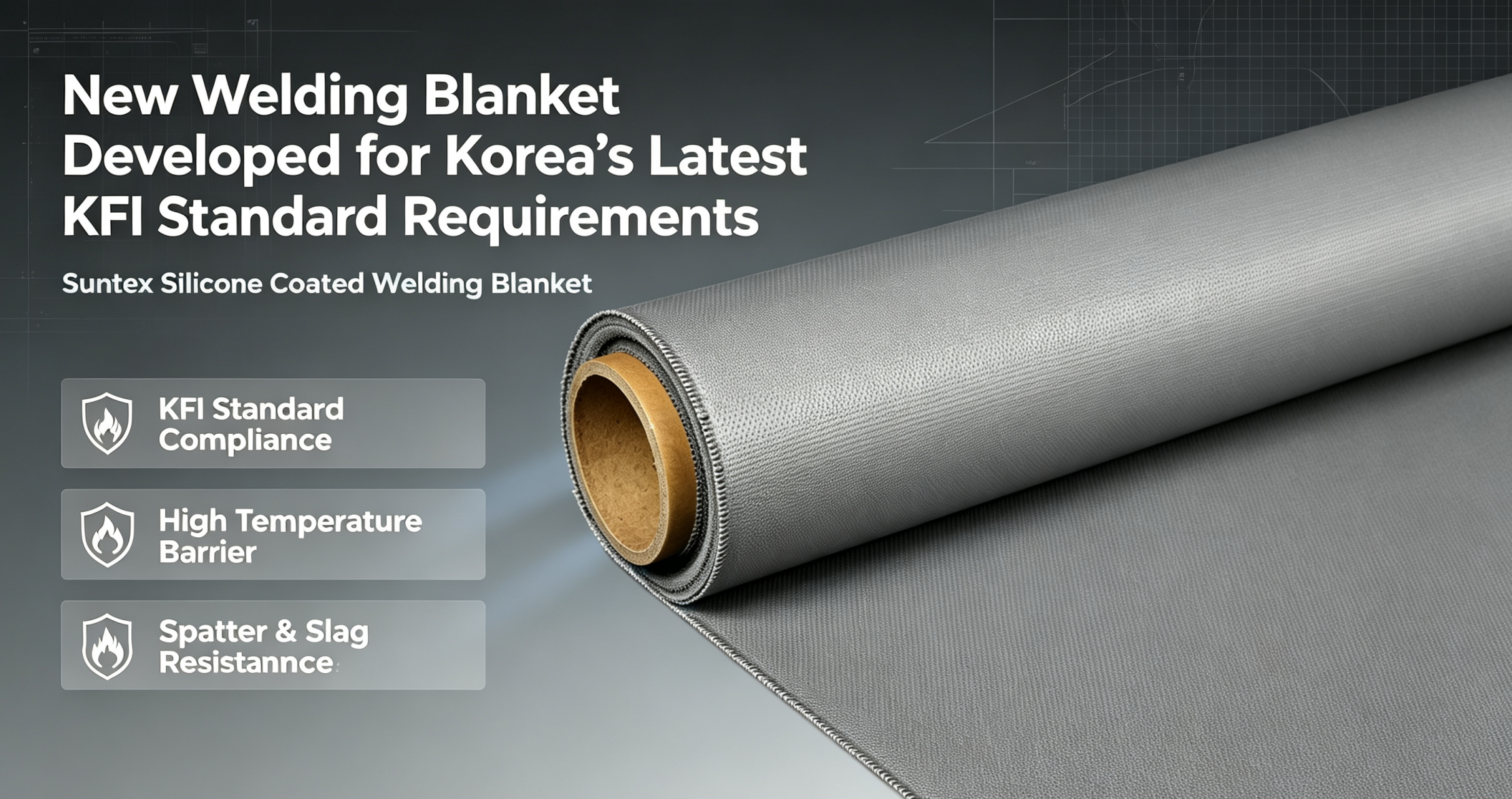
New Welding Blanket Developed for Korea’s Latest KFI Standard Requirements Suntex launches upgraded grey silicone-coated fiberglass welding blankets fully compliant with Korea’s latest KFI fire safety standards for hot work. Made of premium grey silicone coated fiberglass rolls, our blankets deliver reliable protection against welding sparks, molten slag, and high heat for welding, cutting, and […]
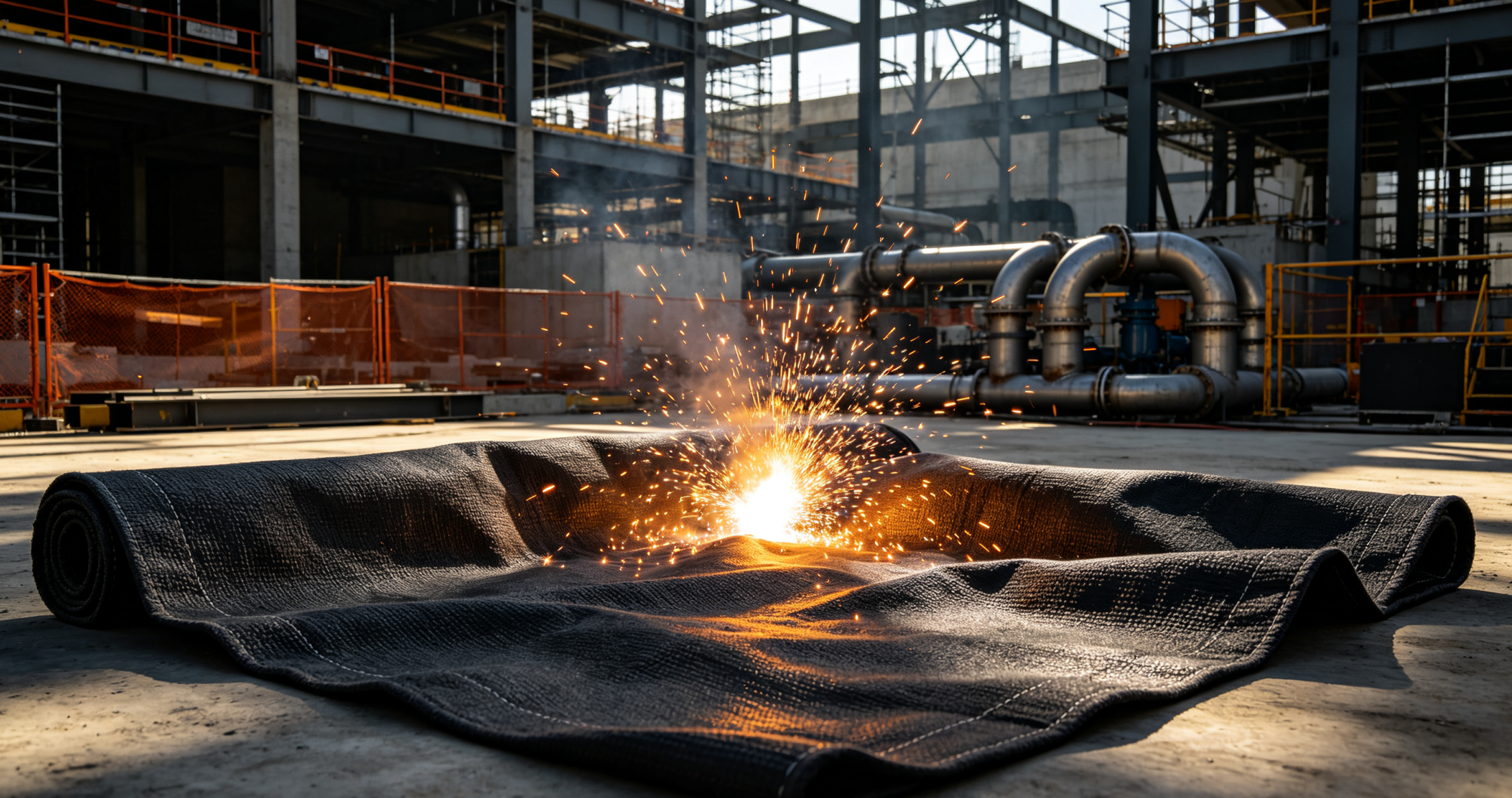
In the high-stakes environment of Japanese automotive manufacturing and precision machining, “good enough” is never enough. When a single stray spark can lead to costly downtime or compromise the integrity of automated assembly lines, the quality of your protective gear is a direct reflection of your operational safety standards. For facilities prioritizing fire prevention and […]
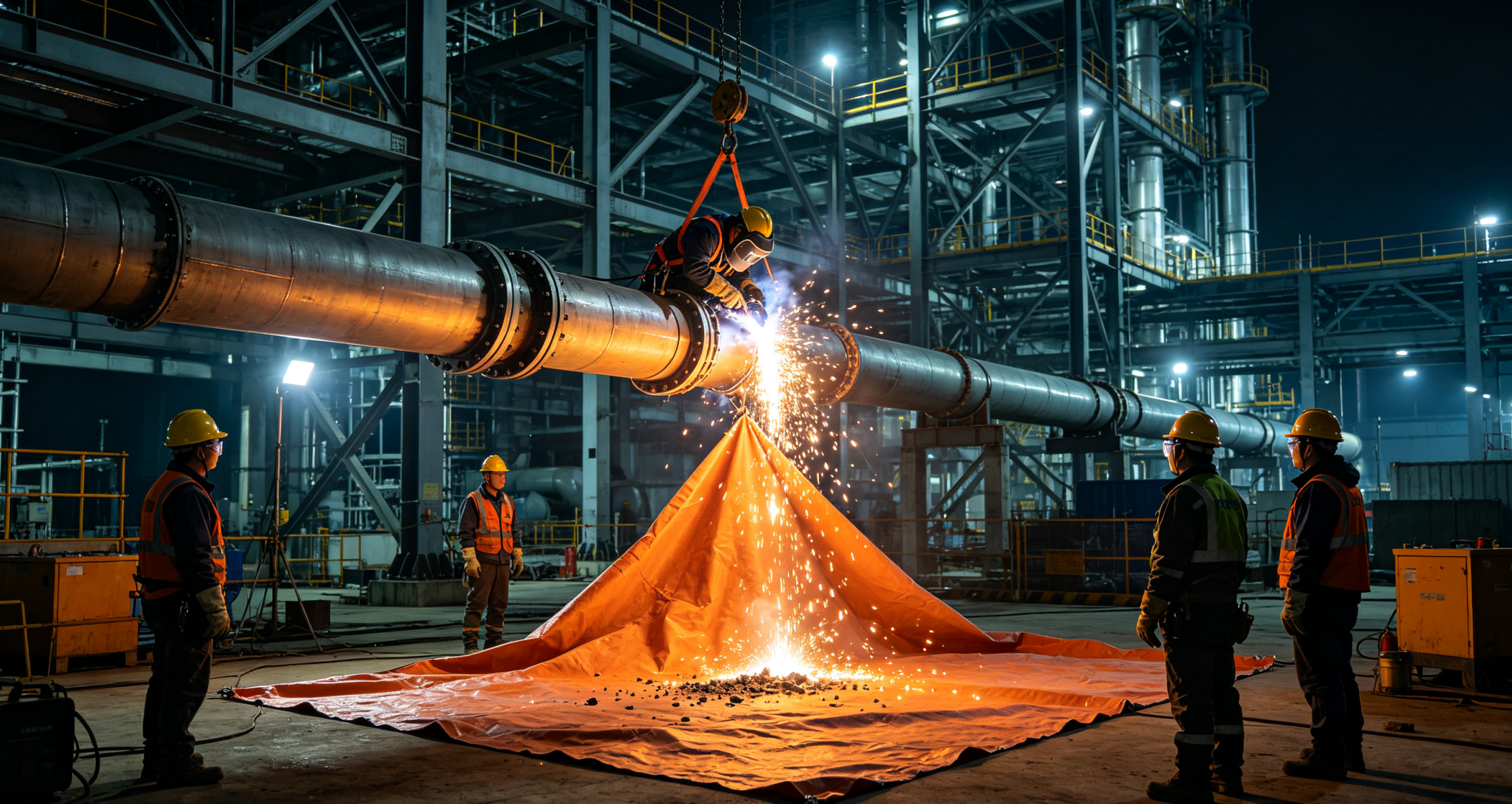
Welding sparks trigger most construction site fires. Even standardized operating procedures carry hidden risks if low-performance flame-retardant fabrics are used. Recent frequent construction fires sound alarms for hot work safety. Most welding-caused blazes stem from inadequate high-temperature slag shielding and substandard fire-resistant materials, rather than improper operation alone. Welding arcs hit over 6,000°C, with flying […]
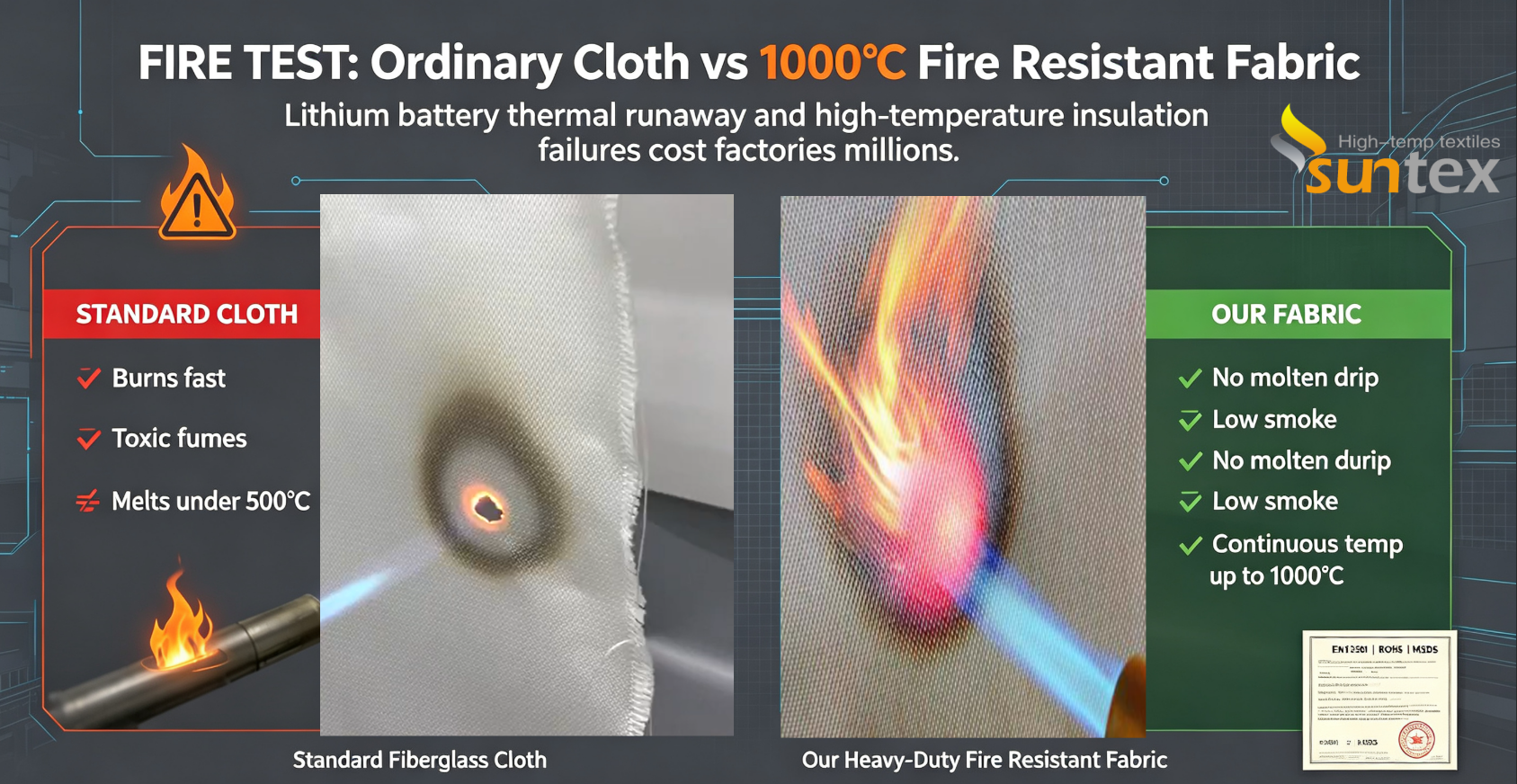
The Hidden Cost of Inferior Thermal Insulation Lithium battery thermal runaway and industrial high-temperature insulation failures frequently trigger factory fires, unplanned shutdowns and massive economic losses. Most of these accidents stem from low-performance standard insulation materials, rather than major equipment faults. Substandard fiberglass cloth fails under high heat, accelerating fire spread and causing costly industrial […]


 English
 Arabic
 Dutch
Dutch French
 German
 Italian
 Polish
 Portuguese
 Russian
 Spanish