

Fiberglass cloth and carbon fiber cloth are two commonly used high-performance reinforcement materials widely applied in the composite materials field. Their differences are mainly reflected in the following aspects:
-
Material Composition
-
Fiberglass Cloth: Primarily composed of silicon dioxide (glass), made by drawing molten glass into fibers. It is an inorganic non-metallic material.
-
Carbon Fiber Cloth: Made from polyacrylonitrile (PAN) or pitch-based precursor fibers through high-temperature carbonization. Its main component is carbon (over 90%), making it an organic polymer-derived material.
-
-
Mechanical Properties
-
Strength and Modulus:
-
Carbon fiber cloth has significantly higher strength and modulus than fiberglass (carbon fiber tensile strength: 3000–7000 MPa; fiberglass: 1000–3000 MPa).
-
Carbon fiber is lighter, making it suitable for high-load applications (e.g., aerospace, racing cars).
-
-
Toughness:
-
Fiberglass has better ductility and impact resistance, making it less prone to brittle fracture.
-
Carbon fiber is harder but more brittle and may fracture under extreme loads.
-
-
-
Weight
-
Carbon fiber cloth has a lower density (~1.5–1.8 g/cm³) compared to fiberglass (~2.4–2.6 g/cm³), making it ideal for weight-sensitive applications.
-
-
Temperature Resistance
-
Fiberglass Cloth: Withstands temperatures of about 500–600°C (high-temperature variants can exceed 1000°C).
-
Carbon Fiber Cloth: Can endure up to 2000°C in inert environments but begins to oxidize and degrade above 400°C in air.

-
-
Electrical and Electromagnetic Properties
-
Carbon Fiber Cloth: Highly conductive, suitable for electromagnetic shielding or conductive composites, but may interfere with electronic devices.
-
Fiberglass Cloth: Excellent insulation properties, making it ideal for electrical insulation (e.g., PCB substrates).
-
-
Cost
-
Fiberglass Cloth: Low-cost (about 1/10 the price of carbon fiber) with high cost-performance.

-
Carbon Fiber Cloth: Expensive due to high production costs, typically used in high-end applications.
-
-
Chemical Stability
-
Fiberglass Cloth: Resistant to acids and alkalis but may corrode under prolonged exposure to strong acids/bases.
-
Carbon Fiber Cloth: More chemically resistant but prone to oxidation (requires protective coatings).
-
-
Typical Applications
-
Fiberglass Cloth:
Building reinforcement (e.g., GFRP), ship hulls, pipelines, insulation materials, automotive parts. -
Carbon Fiber Cloth:
Aerospace structures, high-performance racing cars, sports equipment (golf clubs, bicycles), precision instruments, military devices.
-
-
Processing and Handling
-
Fiberglass Cloth: Easy to cut, conforms well to complex surfaces, and has good resin wettability.
-
Carbon Fiber Cloth: Harder to process, requiring specialized tools (e.g., diamond cutters), with slightly poorer resin wettability.
-
Selection Summary:
-
Choose Fiberglass Cloth: For budget constraints, electrical insulation, impact resistance, or high-temperature (non-oxidizing) environments.
-
Choose Carbon Fiber Cloth: For extreme lightweighting, high strength/stiffness, or applications requiring conductivity/EM shielding.
Contact Details
Suntex Composite Industrial Co., Ltd.
Contact Person: Mr. Jason Hu
Tel: +86 132 0712 7986

Send your inquiry directly to us
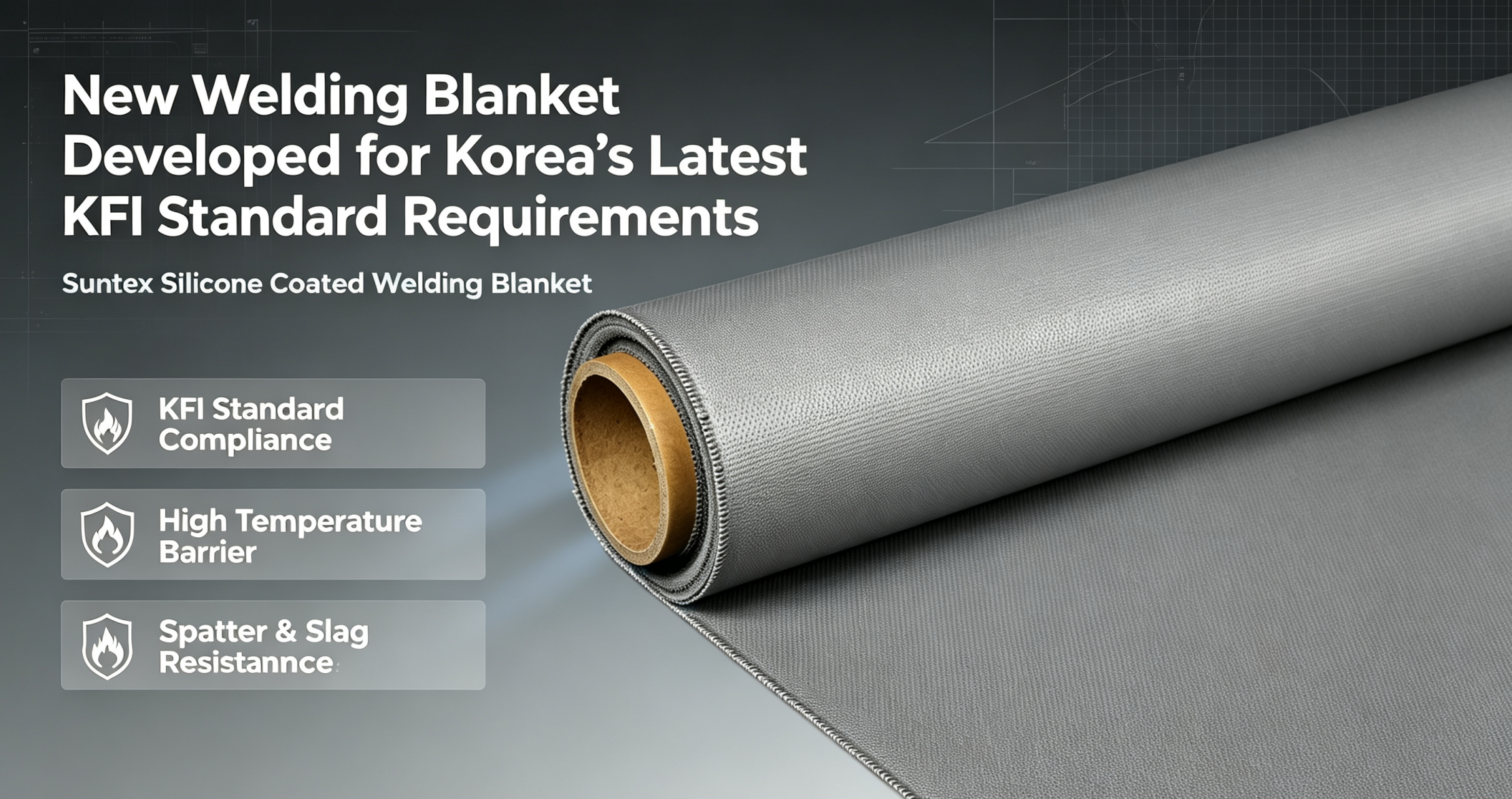
New Welding Blanket Developed for Korea’s Latest KFI Standard Requirements Suntex launches upgraded grey silicone-coated fiberglass welding blankets fully compliant with Korea’s latest KFI fire safety standards for hot work. Made of premium grey silicone coated fiberglass rolls, our blankets deliver reliable protection against welding sparks, molten slag, and high heat for welding, cutting, and […]
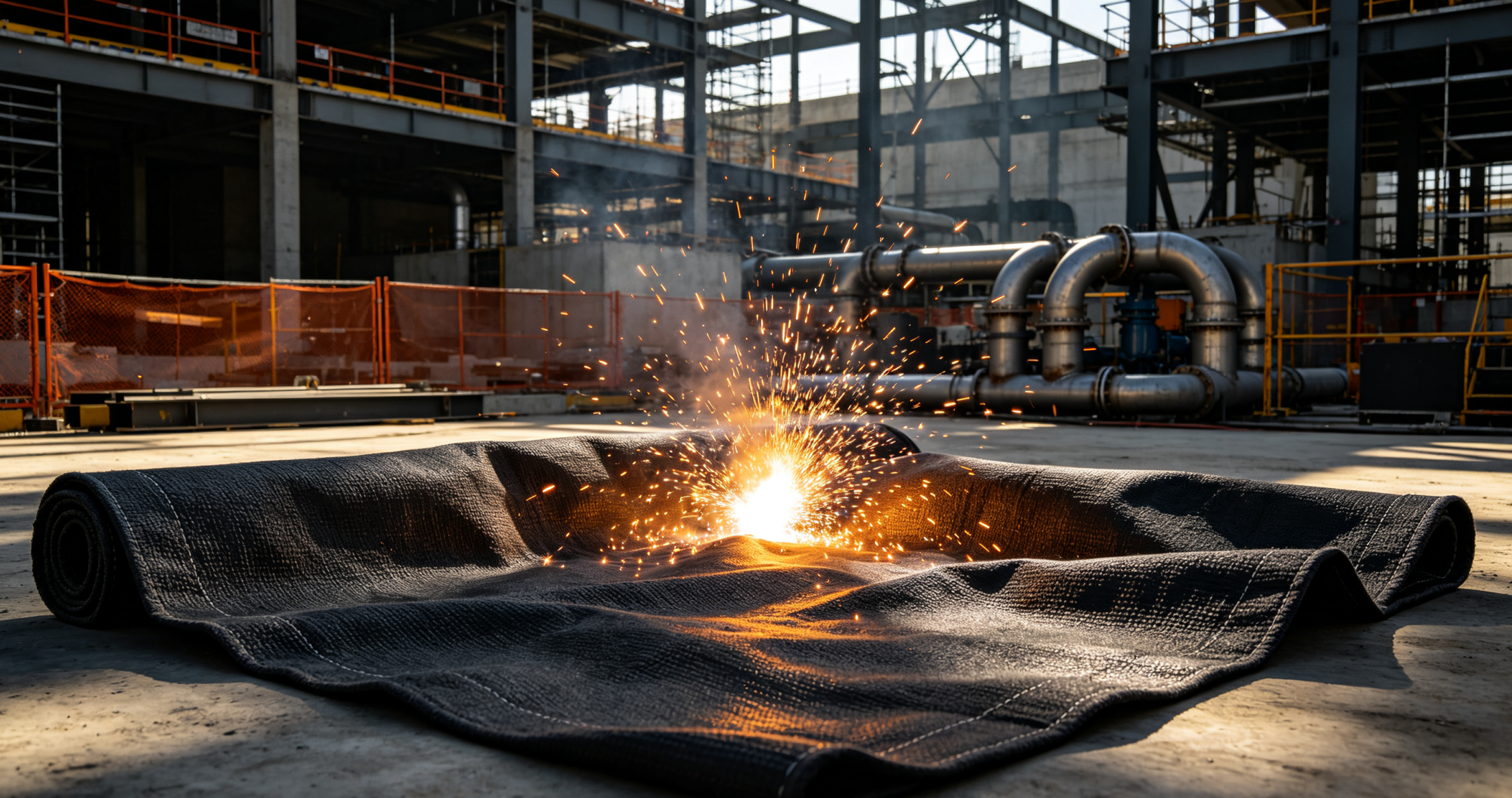
In the high-stakes environment of Japanese automotive manufacturing and precision machining, “good enough” is never enough. When a single stray spark can lead to costly downtime or compromise the integrity of automated assembly lines, the quality of your protective gear is a direct reflection of your operational safety standards. For facilities prioritizing fire prevention and […]
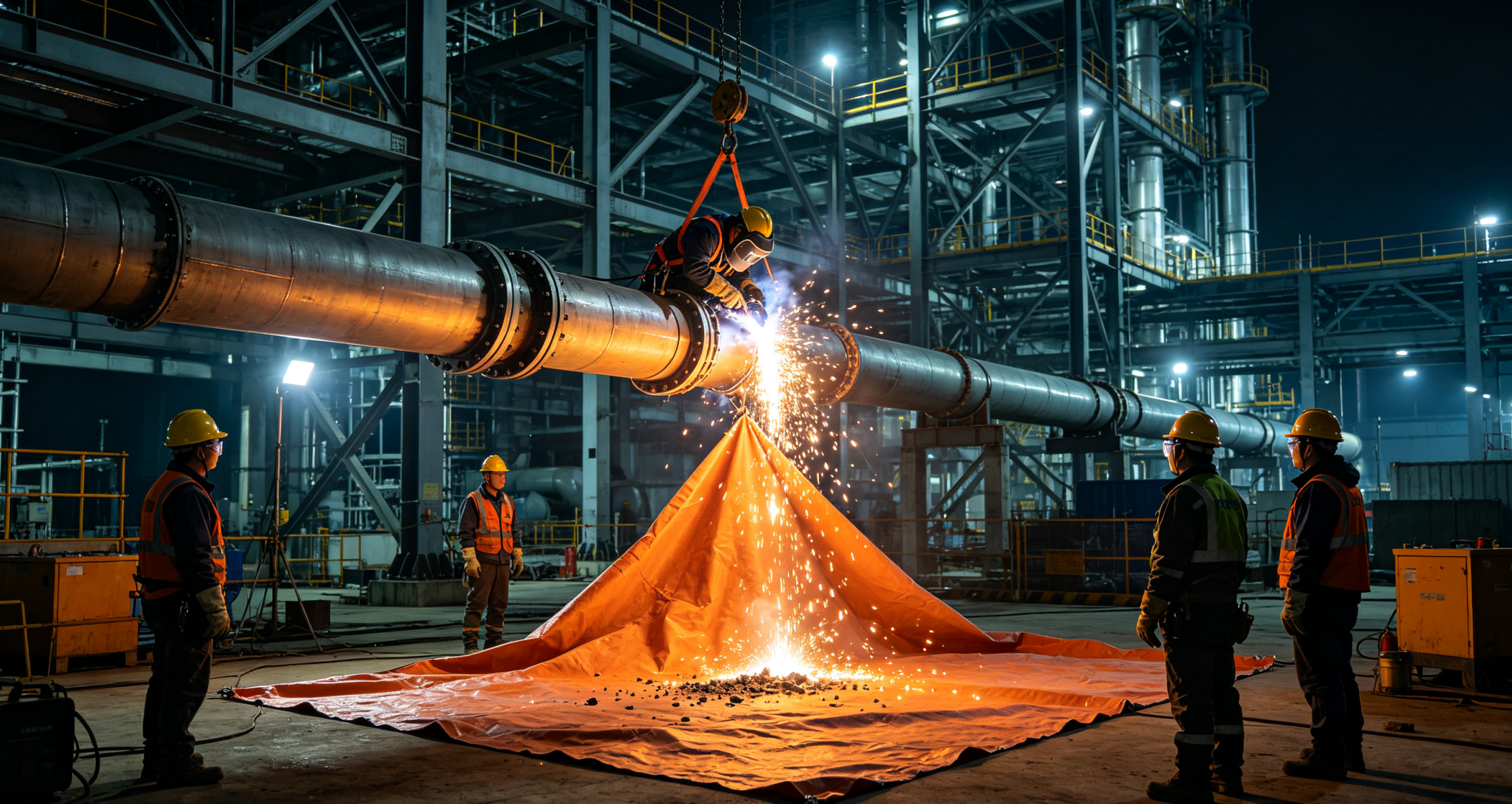
Welding sparks trigger most construction site fires. Even standardized operating procedures carry hidden risks if low-performance flame-retardant fabrics are used. Recent frequent construction fires sound alarms for hot work safety. Most welding-caused blazes stem from inadequate high-temperature slag shielding and substandard fire-resistant materials, rather than improper operation alone. Welding arcs hit over 6,000°C, with flying […]
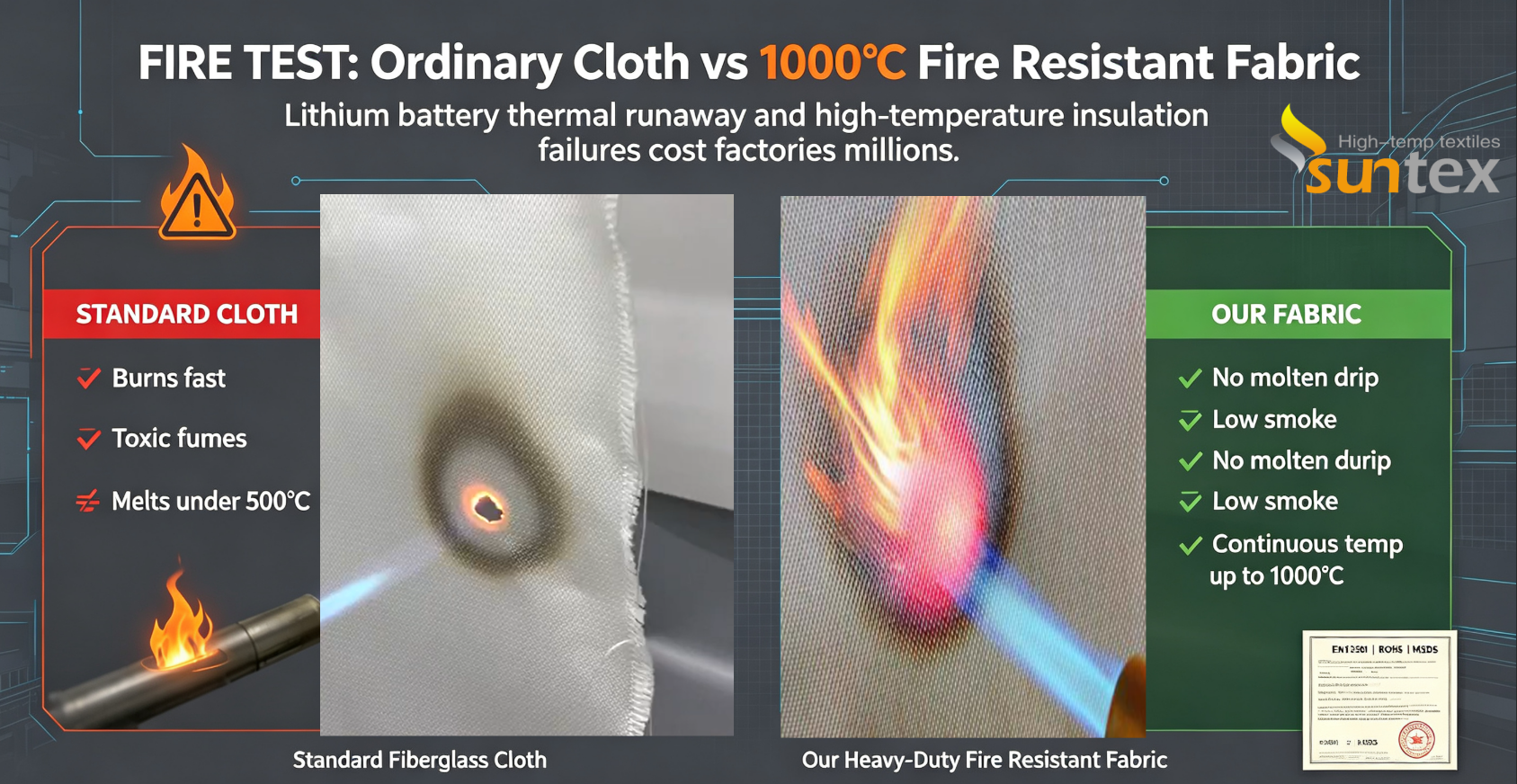
The Hidden Cost of Inferior Thermal Insulation Lithium battery thermal runaway and industrial high-temperature insulation failures frequently trigger factory fires, unplanned shutdowns and massive economic losses. Most of these accidents stem from low-performance standard insulation materials, rather than major equipment faults. Substandard fiberglass cloth fails under high heat, accelerating fire spread and causing costly industrial […]


 English
 Arabic
 Dutch
Dutch French
 German
 Italian
 Polish
 Portuguese
 Russian
 Spanish