

Fire-Resistant Rolling Doors and Smoke Barrier Curtains: The “Invisible Firefighters” in Buildings That Save Lives in Critical Moments!
Have you ever wondered what would happen if a fire broke out in large spaces like shopping malls, factories, or office buildings? Would the flames spread rapidly? In fact, hidden at the tops of these buildings or in passageways are two “invisible firefighters”—fire-resistant rolling doors and smoke barrier curtains. Usually inconspicuous, they spring into action during a fire, buying precious time for evacuation!
Fire-Resistant Rolling Door: The “Steel Line of Defense” Against Flames
The fire-resistant rolling door acts as a fire “barrier” in large spaces. During a fire, it automatically descends to form a fire wall, blocking the spread of flames and high temperatures. Its secret lies in the fire-resistant curtain fabric:
Ultra-Durable Material: Woven from ultra-long glass fibers + high-silica fibers reinforced with stainless steel wires—each fiber is “bound” with steel wire, ensuring strength even under extreme heat.
Exceptional Heat Resistance: Coated with a low-smoke layer that prevents toxic fumes, it withstands high temperatures (typically over 3 hours of fire resistance) without adding danger during evacuation.
Flexible Alternative: Some fire curtains use silicone-coated fabric, balancing flexibility and fire resistance.
Smoke Barrier Curtain: The “Ceiling” That Blocks Toxic Smoke
In fires, deadly smoke—not flames—is often the biggest killer! Smoke barrier curtains hang below ceilings, acting like a “smoke shield” that drops vertically to block horizontal smoke spread:
Dual Protection: Made of glass fiber + silicone/polyurethane coating, they resist fire and smoke, repel oil and water, and are easy to clean.
Thin Yet Tough: Just 0.5–0.9mm thick, they withstand high heat and corrosion, come in colors like gray, red, or white, and adapt to various building layouts.
Why Are They So Crucial?
Fire Compartmentation: Rolling doors divide spaces into isolated zones, preventing flames from crossing.
Smoke Control: Barrier curtains stop toxic smoke from flooding hallways and stairwells, keeping escape routes clear.
Pro Tip: Next time you’re in a mall, look up at the ceiling edges or passageways—you might spot these “lifesaving devices”!
Follow me for more life-saving safety knowledge!
Contact Details
Suntex Composite Industrial Co., Ltd.
Contact Person: Mr. Jason Hu
Tel: +86 132 0712 7986

Send your inquiry directly to us
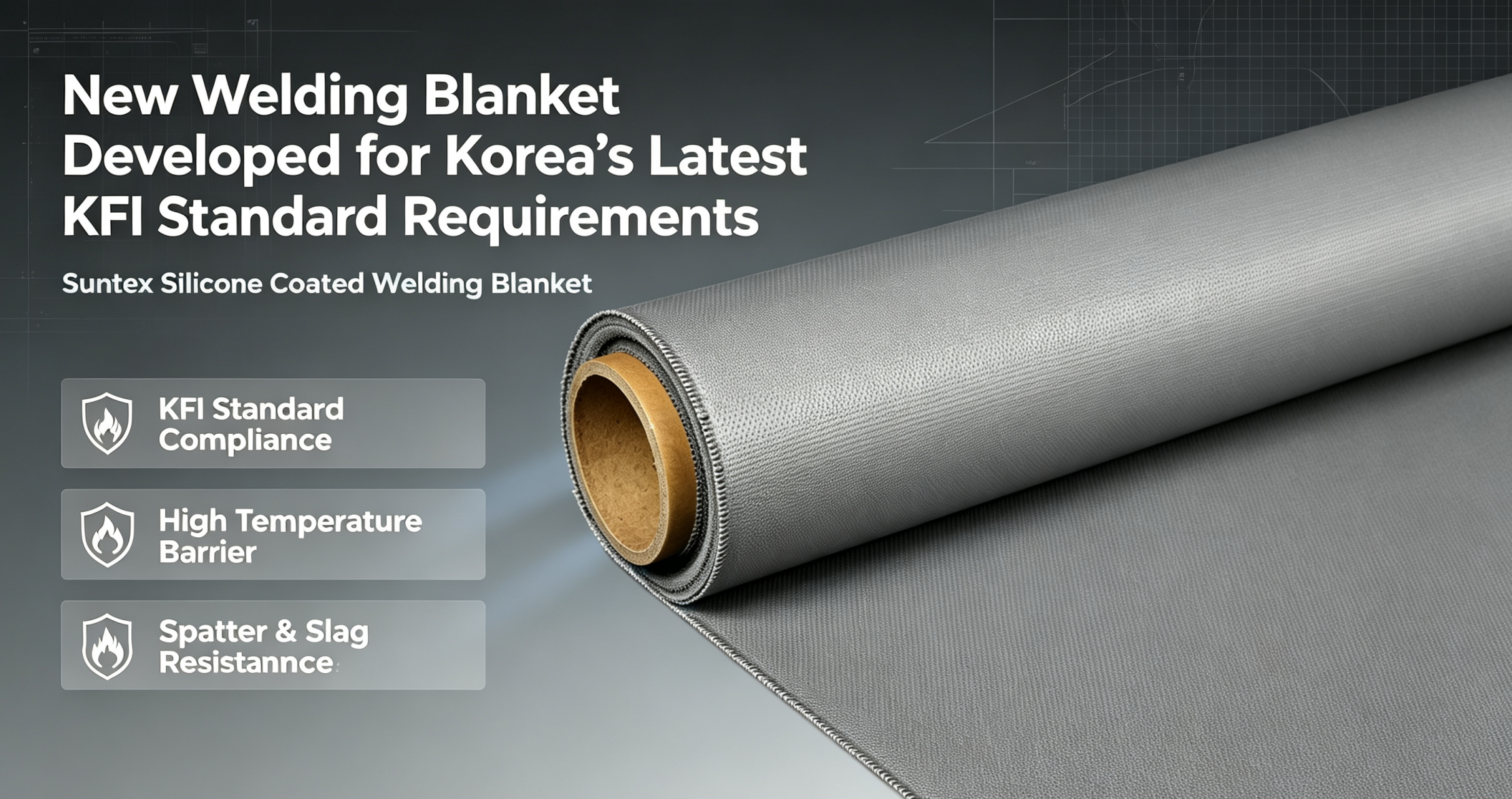
New Welding Blanket Developed for Korea’s Latest KFI Standard Requirements Suntex launches upgraded grey silicone-coated fiberglass welding blankets fully compliant with Korea’s latest KFI fire safety standards for hot work. Made of premium grey silicone coated fiberglass rolls, our blankets deliver reliable protection against welding sparks, molten slag, and high heat for welding, cutting, and […]
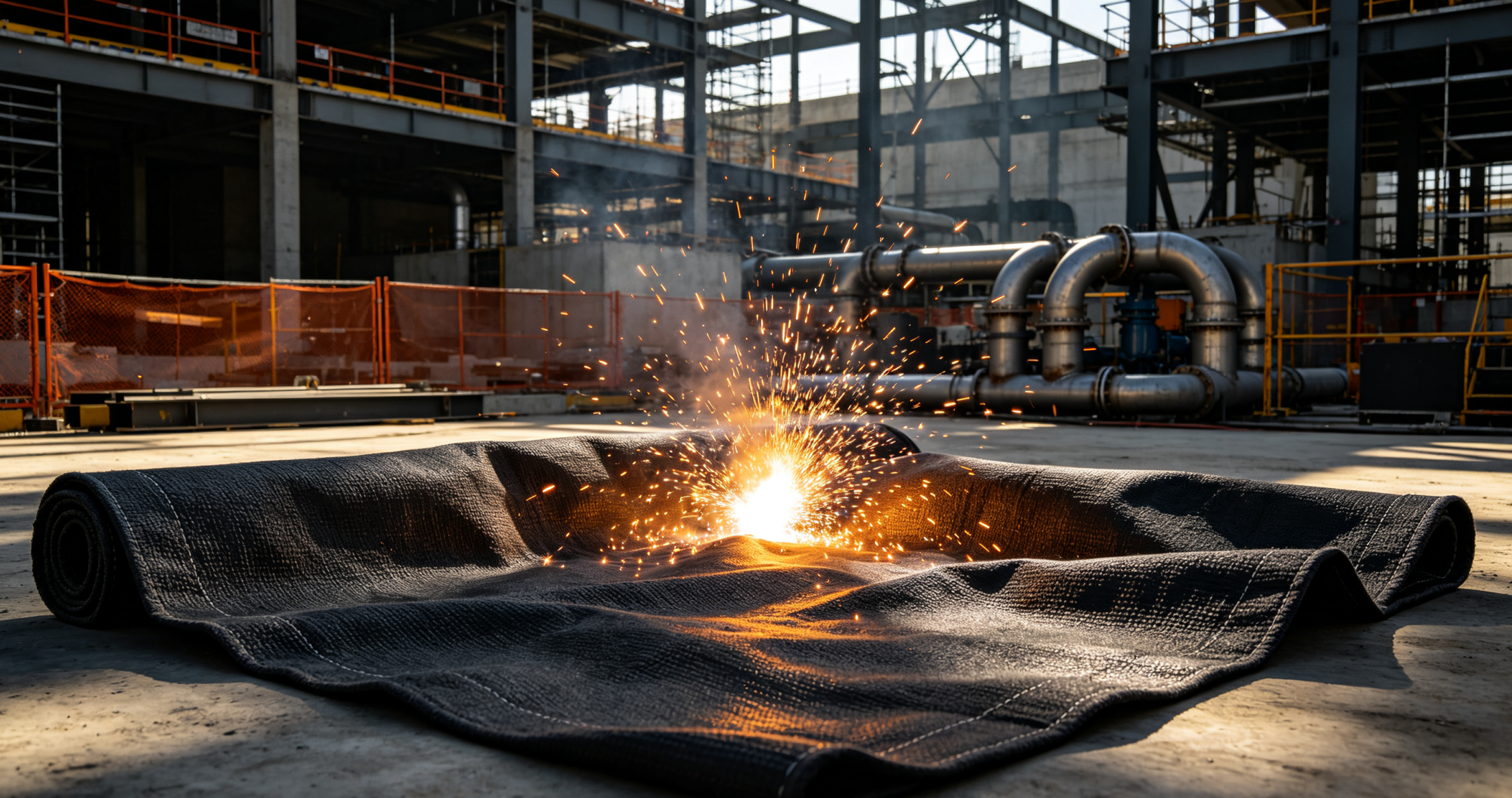
In the high-stakes environment of Japanese automotive manufacturing and precision machining, “good enough” is never enough. When a single stray spark can lead to costly downtime or compromise the integrity of automated assembly lines, the quality of your protective gear is a direct reflection of your operational safety standards. For facilities prioritizing fire prevention and […]
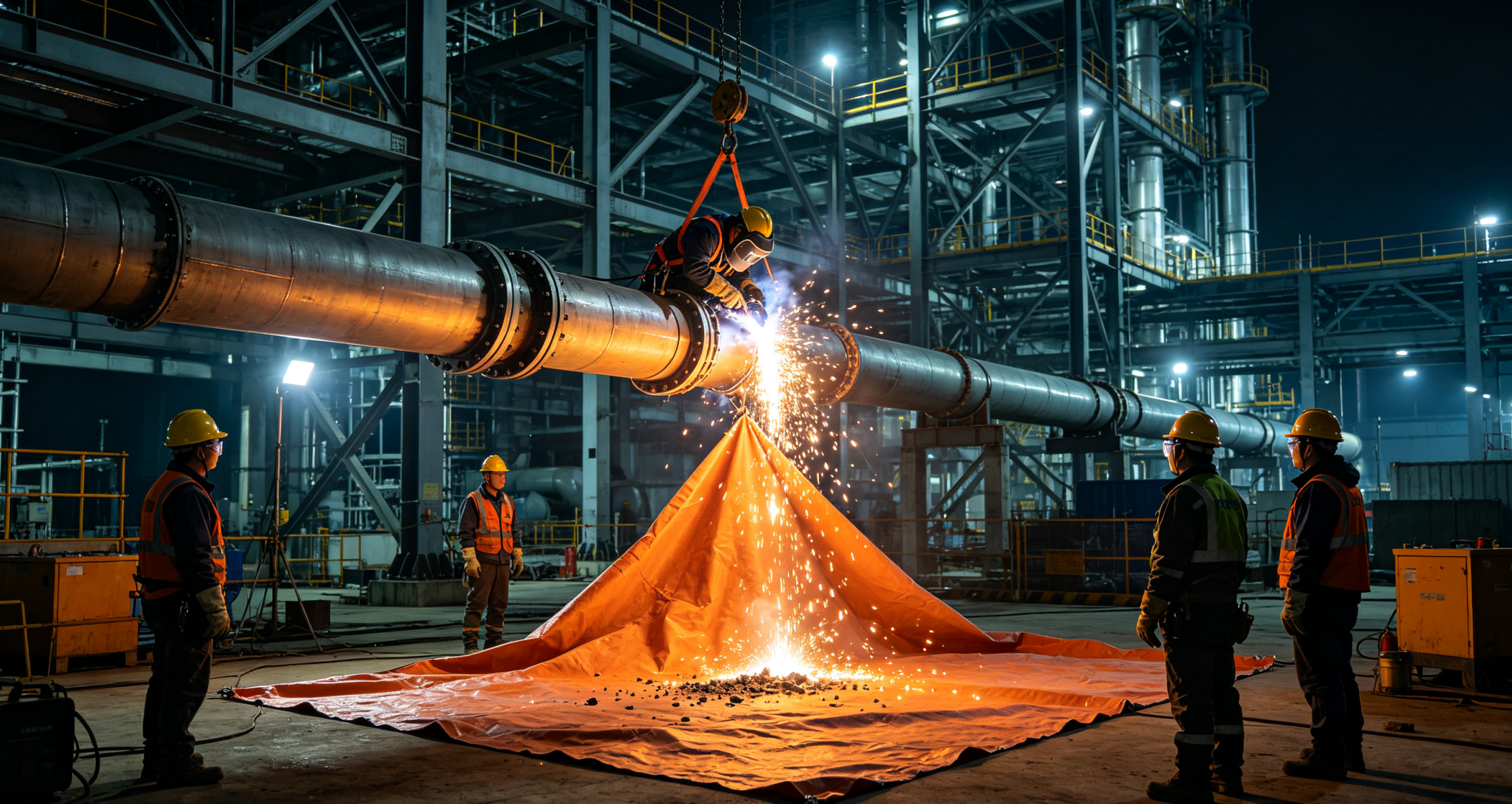
Welding sparks trigger most construction site fires. Even standardized operating procedures carry hidden risks if low-performance flame-retardant fabrics are used. Recent frequent construction fires sound alarms for hot work safety. Most welding-caused blazes stem from inadequate high-temperature slag shielding and substandard fire-resistant materials, rather than improper operation alone. Welding arcs hit over 6,000°C, with flying […]
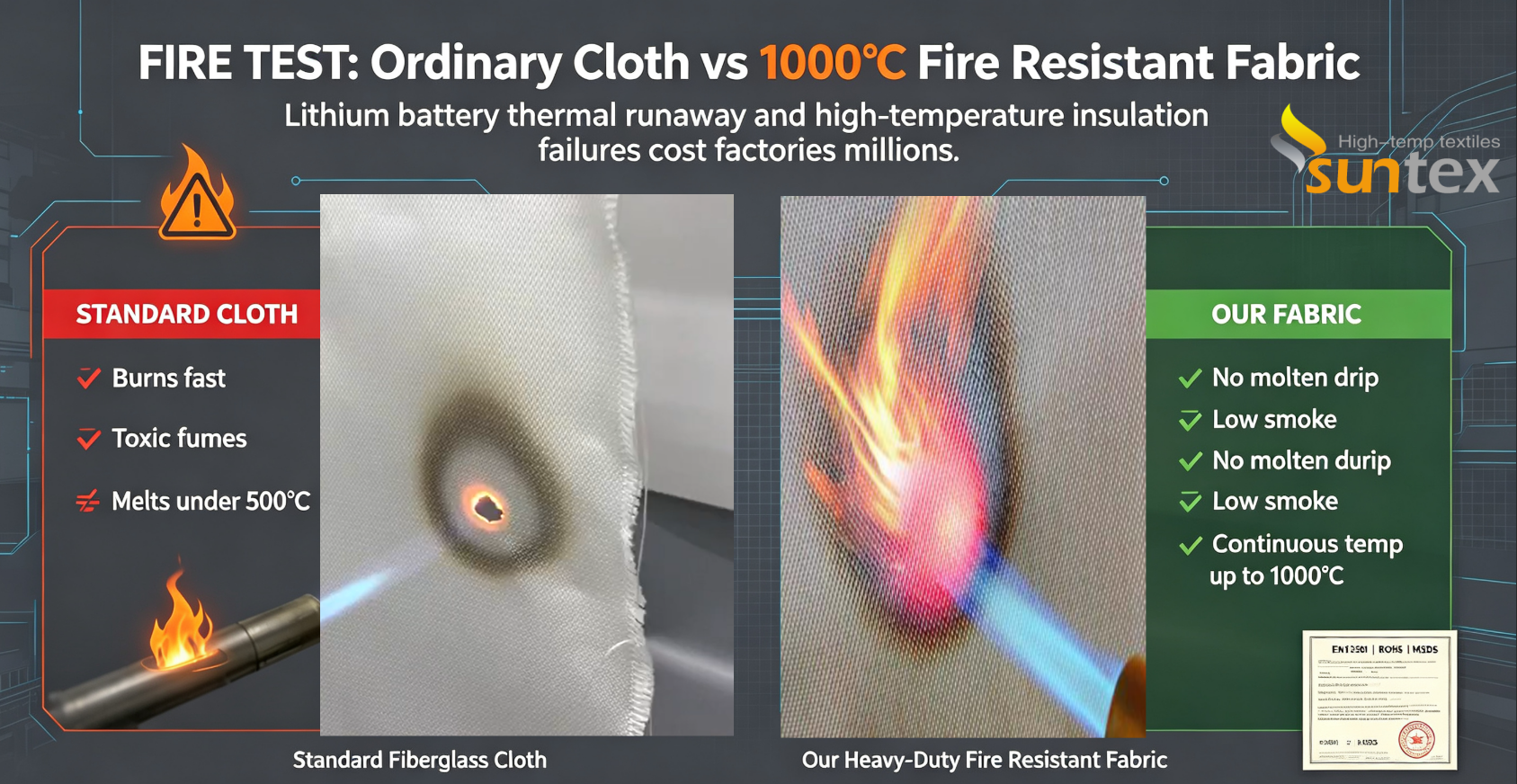
The Hidden Cost of Inferior Thermal Insulation Lithium battery thermal runaway and industrial high-temperature insulation failures frequently trigger factory fires, unplanned shutdowns and massive economic losses. Most of these accidents stem from low-performance standard insulation materials, rather than major equipment faults. Substandard fiberglass cloth fails under high heat, accelerating fire spread and causing costly industrial […]


 English
 Arabic
 Dutch
Dutch French
 German
 Italian
 Polish
 Portuguese
 Russian
 Spanish