

In modern architecture, fire safety is critical, especially in large spaces like shopping malls and industrial facilities, where flames and toxic smoke can become deadly threats in the event of a fire. Fireproof smoke curtain fabric, as a core material for fire barriers, plays a vital role in blocking fire spread and isolating hazardous smoke, buying precious time for evacuation. Today, we take a closer look at this “invisible firefighter” – its materials, technological advantages, and how SUNTEX leverages innovative manufacturing to produce high-performance fireproof fabrics.

Fireproof Smoke Curtain Fabric: The “Lifesaving Barrier” in Fires
Fireproof smoke curtain fabric is primarily used in two types of fire protection systems:
Fireproof Roll-Up Doors: Installed in large buildings to create fire-resistant partitions, automatically deploying in case of fire.
Smoke Barriers (Draft Curtains): Suspended from ceilings to prevent smoke from spreading horizontally, ensuring clear evacuation routes.
These materials must meet stringent requirements, including fire resistance, high-temperature endurance, structural stability, and low smoke toxicity, which ordinary fabrics cannot fulfill.

Core Technology: SUNTEX’s High-Performance Materials
SUNTEX, a leader in fireproof materials, has developed two advanced types of fireproof fabrics:
1. Fireproof Roll-Up Door Fabric – Steel-Reinforced
Material Composition: Ultra-long glass fiber + high-silica fiber + stainless steel wire composite braiding.
Key Innovation: Each fiber strand is intertwined with stainless steel wire, ensuring structural integrity even under extreme heat (preventing melting or failure).
Surface Treatment: Low-smoke polymer coating minimizes toxic fumes during combustion.
2. Smoke Barrier Fabric – Lightweight & Multi-Functional
Base Material: Inorganic fireproof glass fiber, coated with silicone or polyurethane.

Advantages:
Available in thicknesses (0.5mm–0.9mm) for diverse applications.
Triple functionality: smoke-blocking, fireproofing, and heat insulation.
Resistant to chemicals, water, and oil, with easy maintenance.

3. Why Is This a “Cutting-Edge” Fire Safety Solution?
High-Temperature Resistance: Glass fiber + stainless steel withstands over 1000°C, far exceeding conventional materials.
Structural Stability: No softening or breaking in flames, ensuring partition integrity.
Eco-Safe: Low-smoke coating reduces toxic emissions, meeting modern environmental standards.
4. Applications: From Malls to Factories, Full Coverage Protection
Shopping Centers: Fireproof roll-up doors separate stores from walkways; smoke barriers protect atriums.
Industrial Plants: Isolate fire-prone zones to prevent spread.
Underground Parking: Blocks smoke from vehicle fires.

5. Industry Trends: The Shift Toward Smarter, Lighter Fireproof Materials
As fire safety regulations tighten globally, fireproof materials are evolving toward lightweight designs, smart technology integration, and extended durability. Companies like SUNTEX, through advanced composite manufacturing, are driving the high-end market for fire safety solutions.
Though often unnoticed, fireproof smoke curtain fabric serves as the “last line of defense” in fire emergencies. With technological innovation, SUNTEX ensures this critical material delivers both strength and safety. In the future, we may see even smarter solutions—such as “self-alerting” or “self-repairing” fire barriers—further revolutionizing fire protection.
Have you noticed these fireproof installations in your local malls or offices? Share your observations in the comments!
Contact Details
Suntex Composite Industrial Co., Ltd.
Contact Person: Mr. Jason Hu
Tel: +86 132 0712 7986

Send your inquiry directly to us
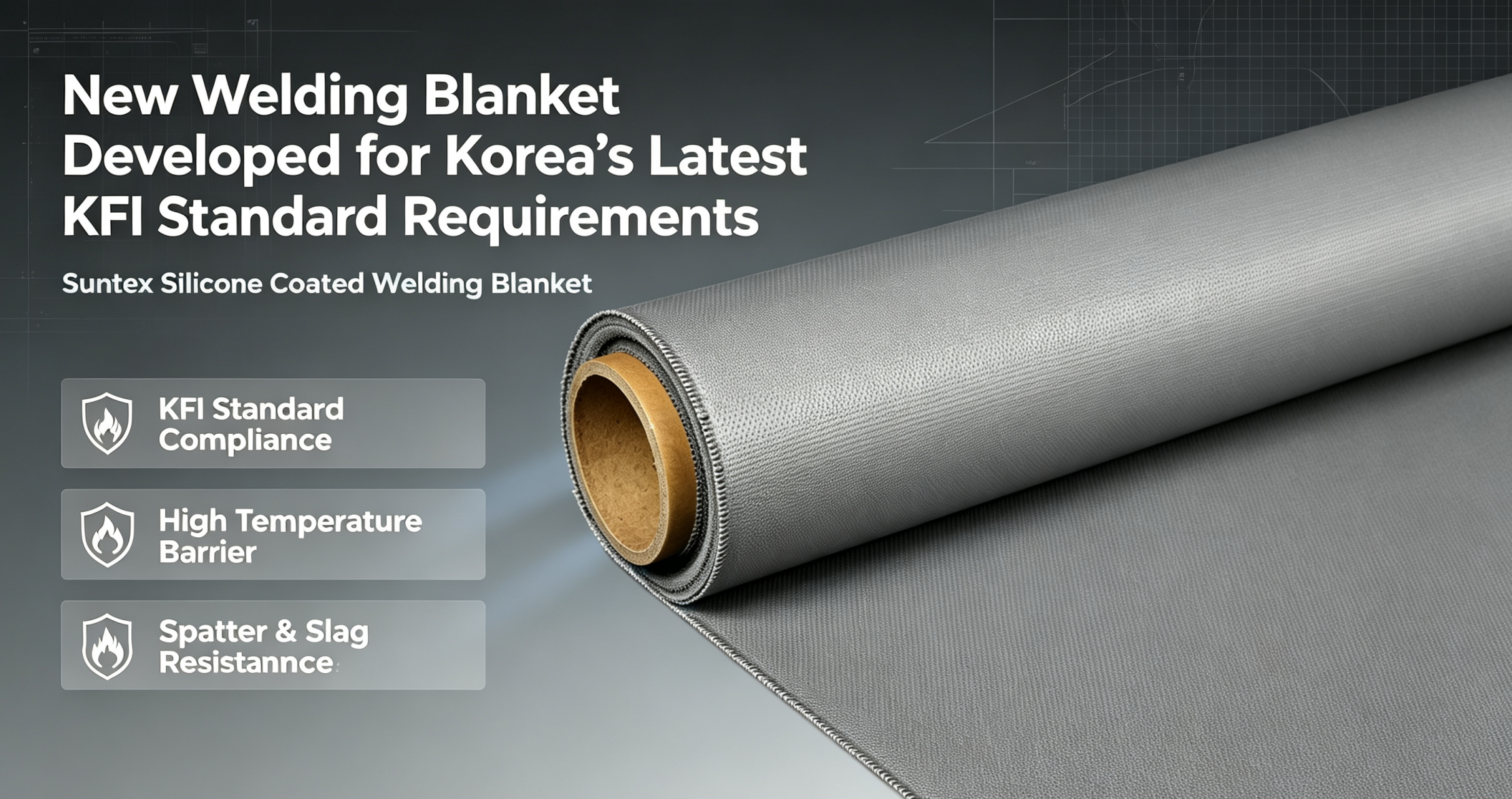
New Welding Blanket Developed for Korea’s Latest KFI Standard Requirements Suntex launches upgraded grey silicone-coated fiberglass welding blankets fully compliant with Korea’s latest KFI fire safety standards for hot work. Made of premium grey silicone coated fiberglass rolls, our blankets deliver reliable protection against welding sparks, molten slag, and high heat for welding, cutting, and […]
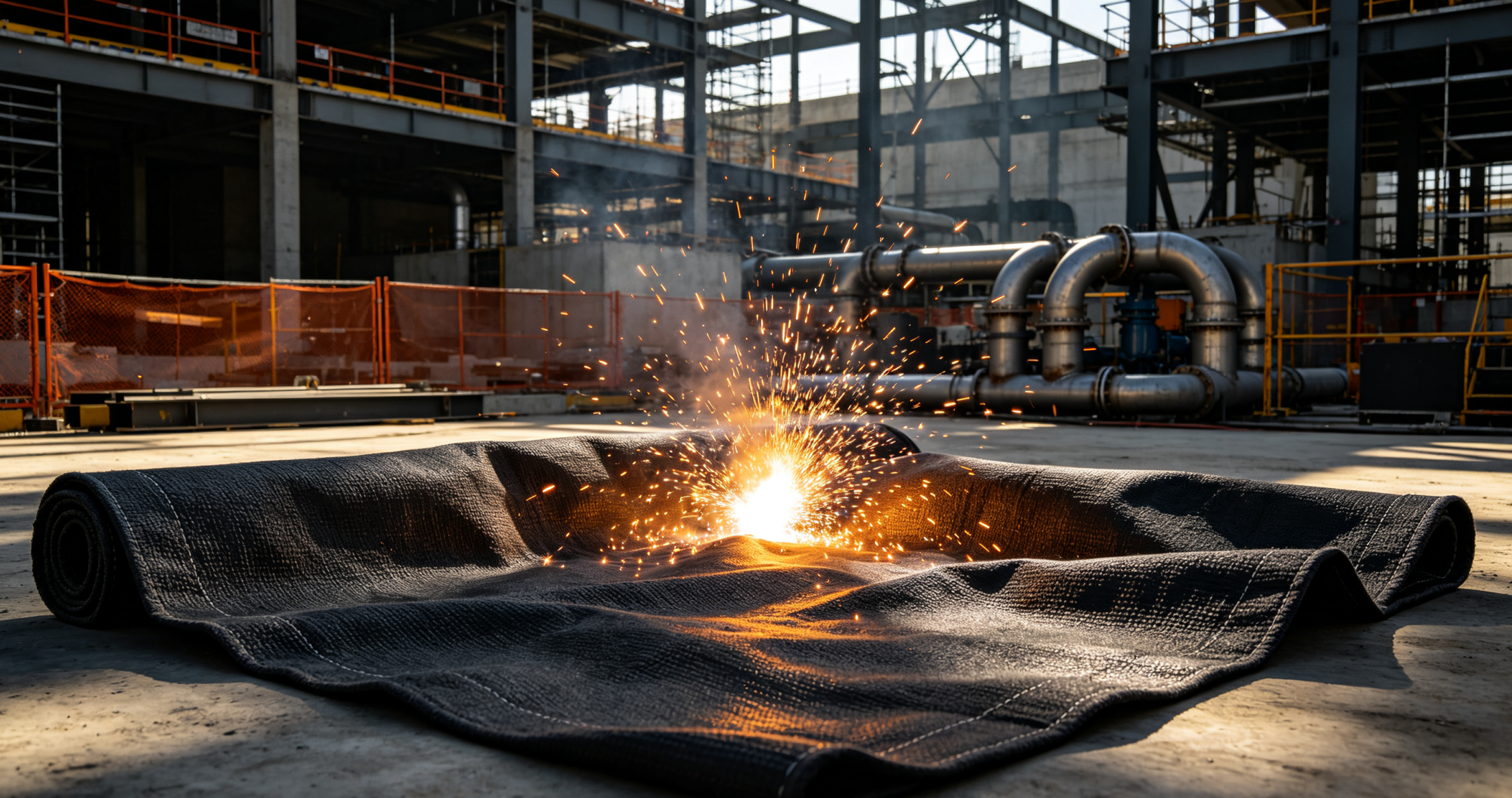
In the high-stakes environment of Japanese automotive manufacturing and precision machining, “good enough” is never enough. When a single stray spark can lead to costly downtime or compromise the integrity of automated assembly lines, the quality of your protective gear is a direct reflection of your operational safety standards. For facilities prioritizing fire prevention and […]
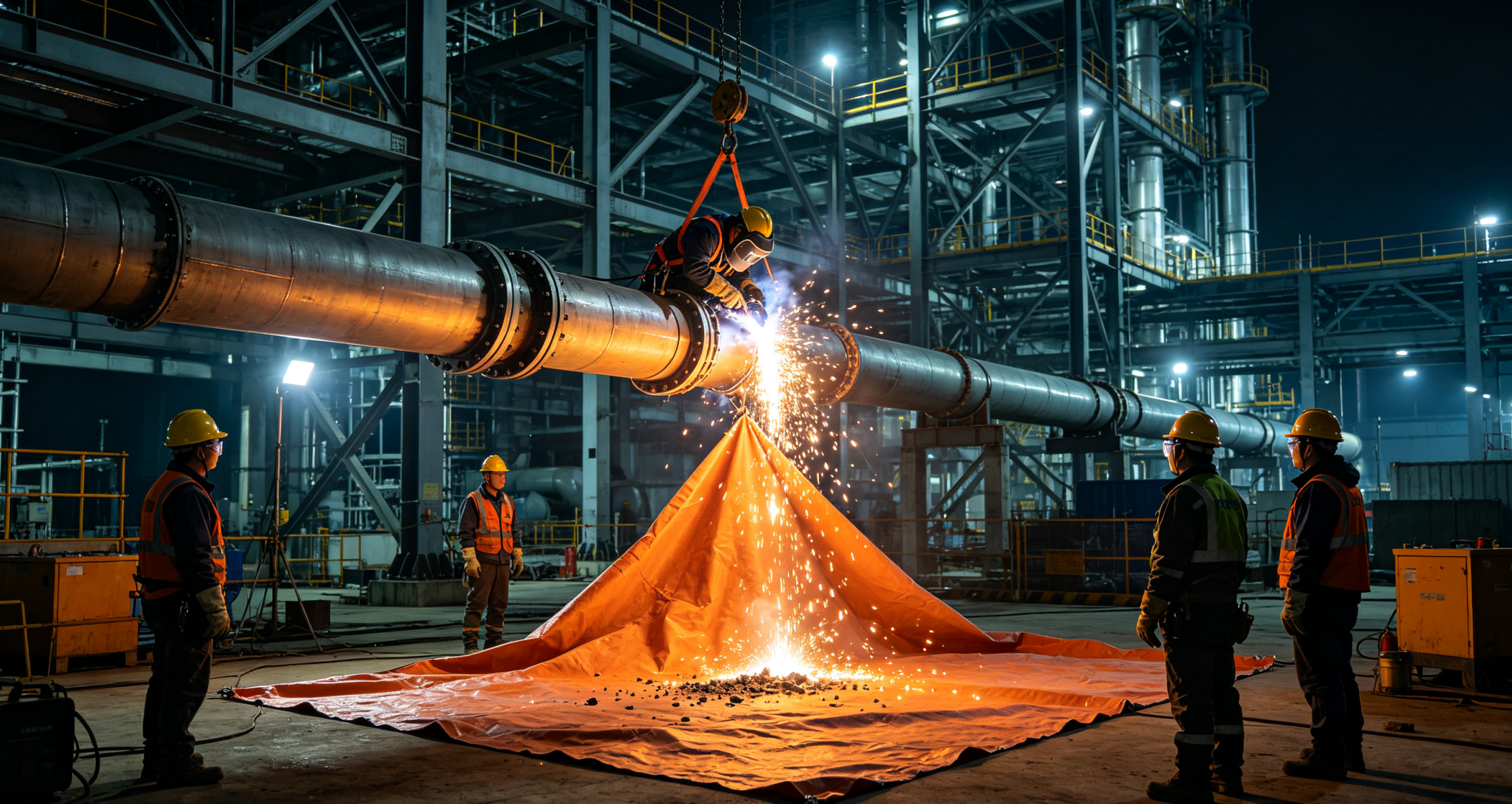
Welding sparks trigger most construction site fires. Even standardized operating procedures carry hidden risks if low-performance flame-retardant fabrics are used. Recent frequent construction fires sound alarms for hot work safety. Most welding-caused blazes stem from inadequate high-temperature slag shielding and substandard fire-resistant materials, rather than improper operation alone. Welding arcs hit over 6,000°C, with flying […]
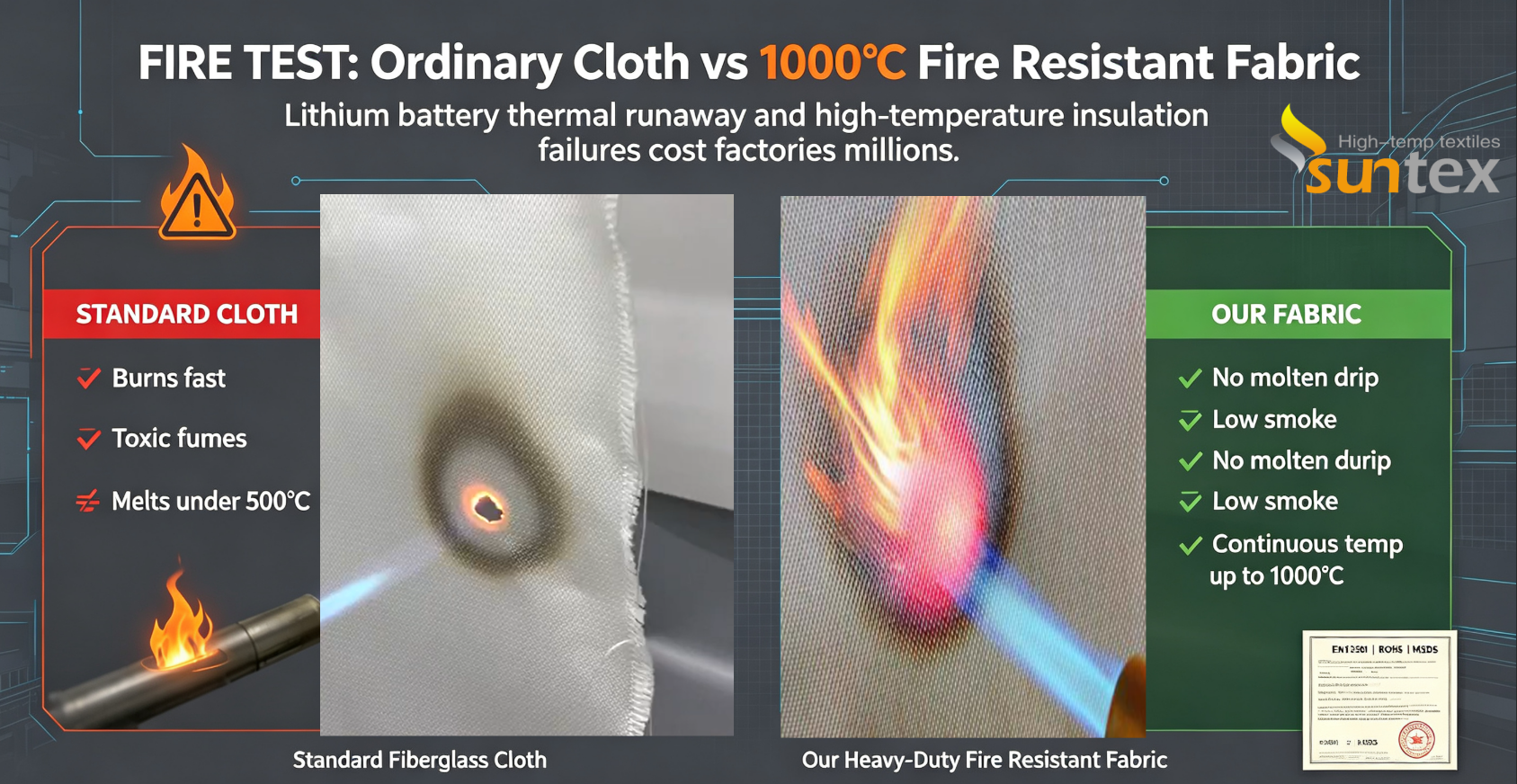
The Hidden Cost of Inferior Thermal Insulation Lithium battery thermal runaway and industrial high-temperature insulation failures frequently trigger factory fires, unplanned shutdowns and massive economic losses. Most of these accidents stem from low-performance standard insulation materials, rather than major equipment faults. Substandard fiberglass cloth fails under high heat, accelerating fire spread and causing costly industrial […]


 English
 Arabic
 Dutch
Dutch French
 German
 Italian
 Polish
 Portuguese
 Russian
 Spanish