

Four Key Composite Materials: The ‘Invisible Champions’ Powering the Modern Technology Revolution
In today’s era of rapid technological advancement, materials science plays a pivotal role. Composite materials, with their unique combination of properties, have become core materials in aerospace, automotive, electronics, and even defense industries. This article delves into four critical composite materials—carbon fiber composites, glass fiber composites, epoxy resin-based composites, and ceramic matrix composites—exploring their characteristics, advantages, and wide-ranging applications.
1. Carbon Fiber Composites: The Lightweight and High-Strength ‘Black Gold’
Properties:
Exceptional Strength: Carbon fiber is 5–7 times stronger than steel, with a diameter of just 5–7 micrometers, yet boasts remarkable load-bearing capacity.
Ultra-Low Density: Less than a quarter the density of steel, significantly reducing structural weight.
Superior Mechanical Performance: Resistant to fatigue and creep, ideal for dynamic load environments.
Applications:
Aerospace: Aircraft fuselages, satellite components—e.g., the Boeing 787 extensively uses carbon fiber for weight reduction and efficiency.
Automotive Industry: Supercars (e.g., Bugatti) and lightweight designs for new energy vehicles.
Sports Equipment: High-end bicycles, golf clubs, tennis rackets, etc.
Future Trends: As costs decline, carbon fiber is gradually expanding into civilian applications like wind turbine blades and structural reinforcement in construction.
2. Glass Fiber Composites: The Economical and Versatile ‘All-Rounder’

Properties:
Insulation and Corrosion Resistance: Non-conductive and resistant to acids/alkalis, suitable for chemical and electronics industries.
High Heat Resistance: Can withstand temperatures above 300°C long-term.
Low Cost: Abundant raw materials and mature production processes.
Applications:
Construction: Reinforced concrete, waterproof roofing.
Transportation: Ship hulls, automotive bumpers.
Electronics: Circuit board substrates, insulating casings.
Advantage: For large-scale applications, glass fiber is the cost-effective choice.
3. Epoxy Resin-Based Composites: The ‘Custom Architect’ for Complex Structures

Properties:
Process Flexibility: Curing speed and properties can be adjusted with different hardeners.
Strong Adhesion: Bonds tightly with reinforcing fibers to form high-strength structures.
Environmental Durability: Resists UV radiation and moisture.
Applications:
Wind Energy: Core matrix material for ultra-long wind turbine blades.
Electronics Encapsulation: Chip protective layers, precision instrument housings.
Defense Equipment: Drone airframes, missile components.
Innovation: Nano-modified epoxy resins can further enhance heat resistance and mechanical strength.
4. Ceramic Matrix Composites: The ‘Ultimate Armor’ for Extreme Environments

Properties:
High-Temperature Resistance: Withstands temperatures exceeding 1500°C (e.g., rocket engine nozzles).
Exceptional Hardness and Stiffness: Far surpasses metals in wear resistance.
Fiber-Toughened: Compensates for ceramic brittleness using fibers like silicon carbide.
Applications:
Aerospace: Thermal protection systems for spacecraft, turbine blades.
Defense: Armored vehicles, hypersonic missile nose cones.
Energy: Radiation-resistant components in nuclear reactors.
Breakthroughs: 3D printing is enabling low-cost manufacturing of complex ceramic parts.
From spacecraft soaring through the skies to everyday electronics, composite materials are quietly reshaping our world. In the future, with advancements in nanotechnology and AI-driven design, the performance boundaries of these materials will continue to expand. Mastering composites means holding the key to the next industrial revolution.
Contact Details
Suntex Composite Industrial Co., Ltd.
Contact Person: Mr. Jason Hu
Tel: +86 132 0712 7986

Send your inquiry directly to us
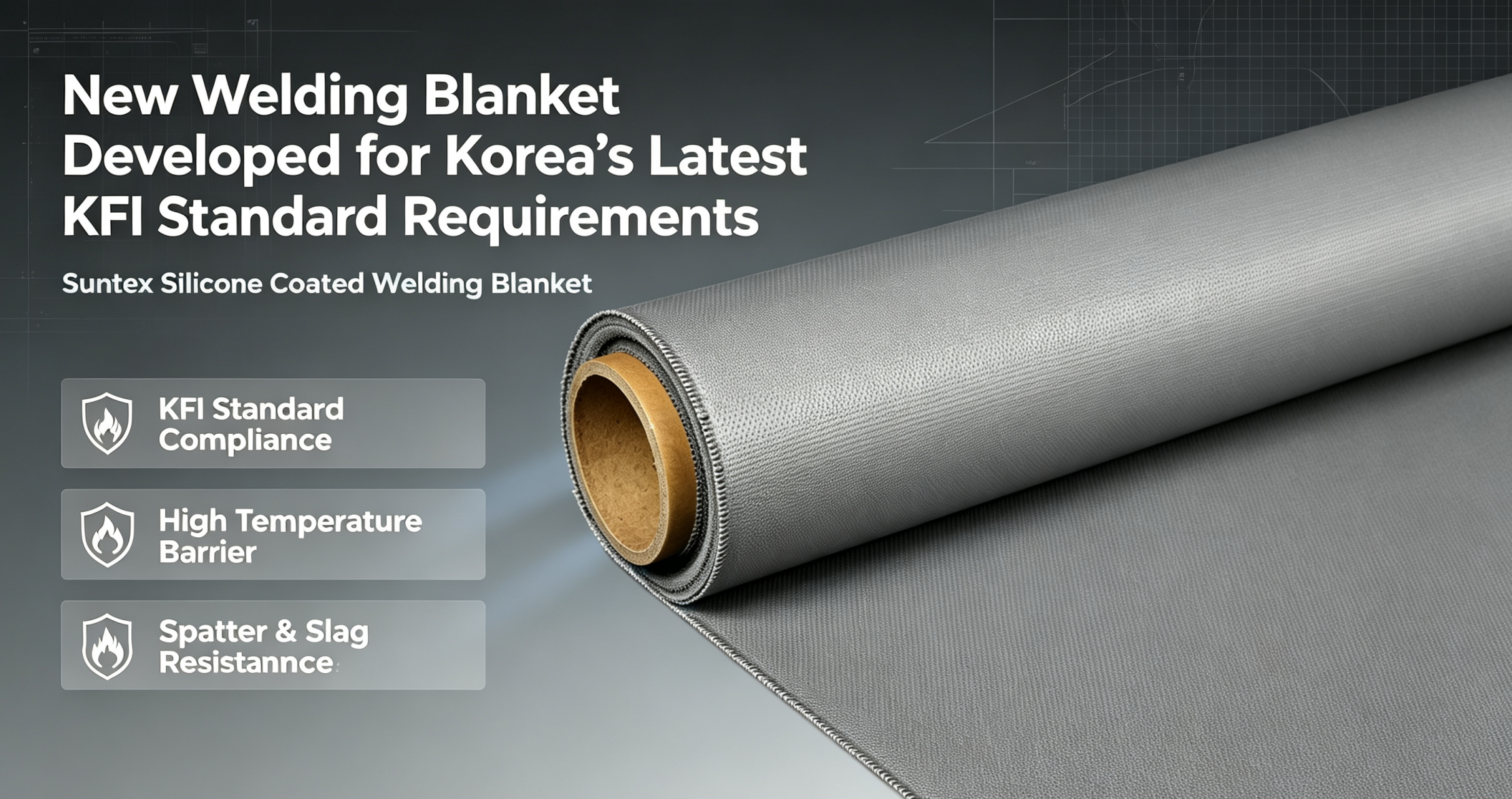
New Welding Blanket Developed for Korea’s Latest KFI Standard Requirements Suntex launches upgraded grey silicone-coated fiberglass welding blankets fully compliant with Korea’s latest KFI fire safety standards for hot work. Made of premium grey silicone coated fiberglass rolls, our blankets deliver reliable protection against welding sparks, molten slag, and high heat for welding, cutting, and […]
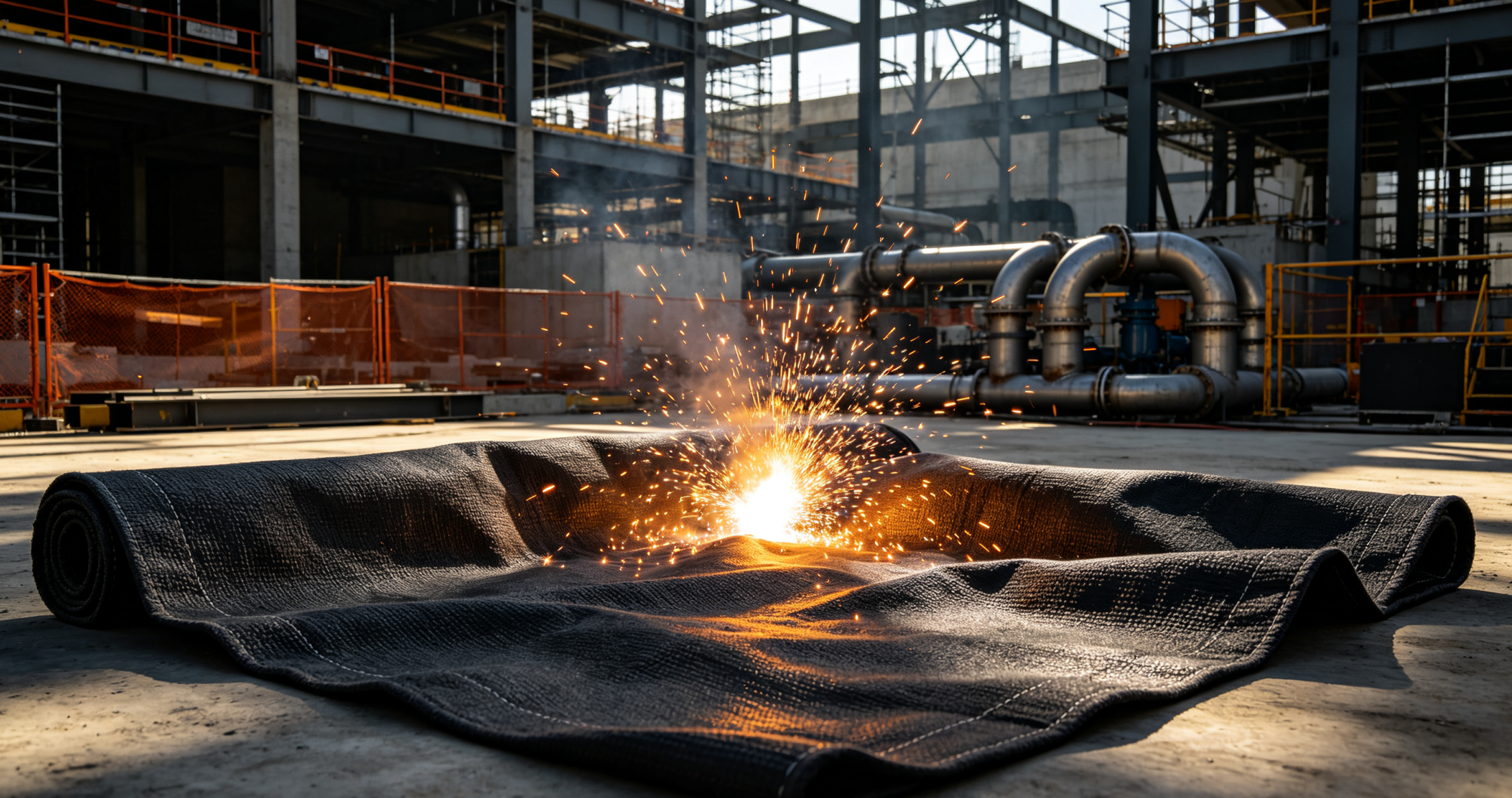
In the high-stakes environment of Japanese automotive manufacturing and precision machining, “good enough” is never enough. When a single stray spark can lead to costly downtime or compromise the integrity of automated assembly lines, the quality of your protective gear is a direct reflection of your operational safety standards. For facilities prioritizing fire prevention and […]
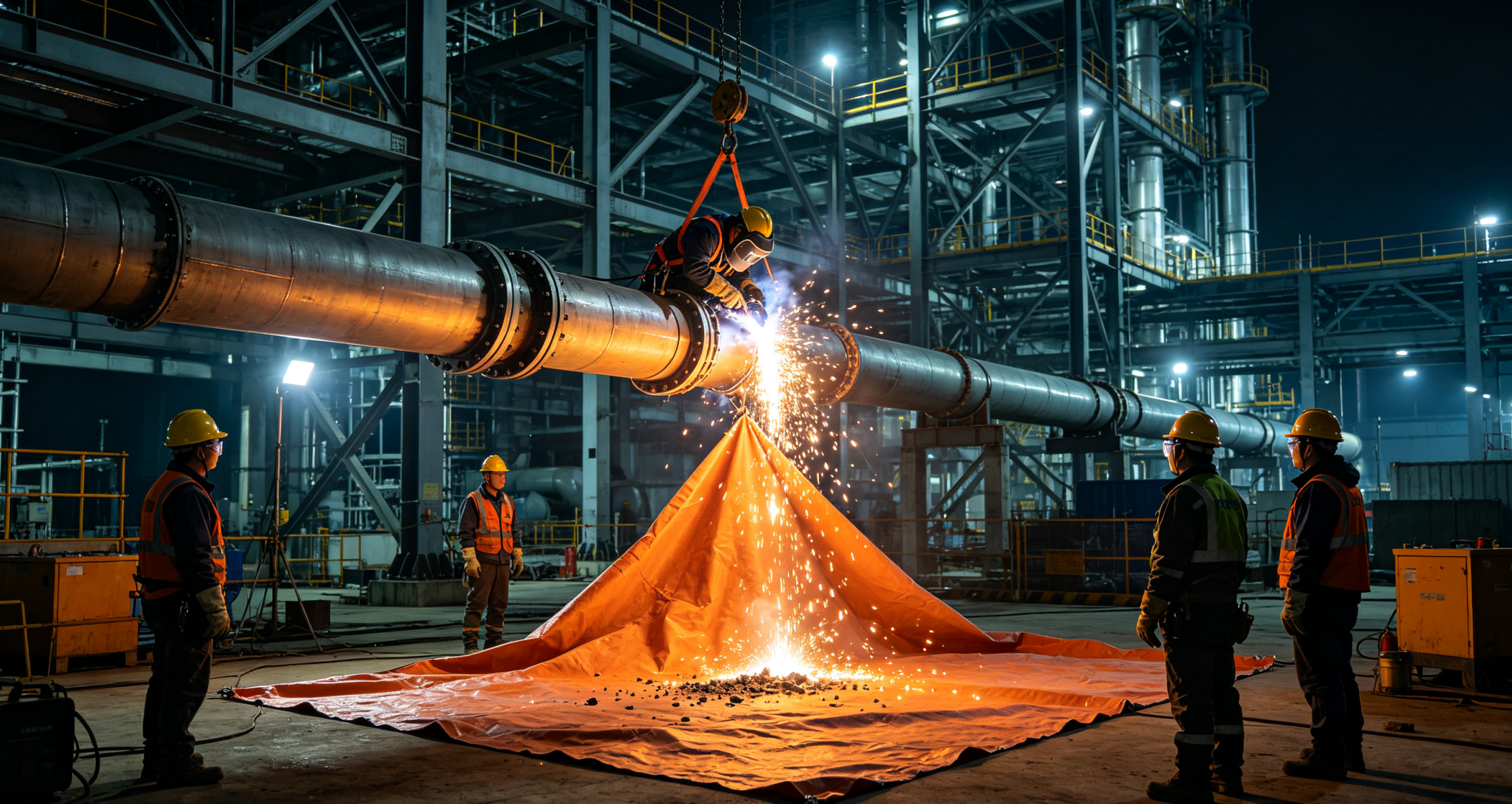
Welding sparks trigger most construction site fires. Even standardized operating procedures carry hidden risks if low-performance flame-retardant fabrics are used. Recent frequent construction fires sound alarms for hot work safety. Most welding-caused blazes stem from inadequate high-temperature slag shielding and substandard fire-resistant materials, rather than improper operation alone. Welding arcs hit over 6,000°C, with flying […]
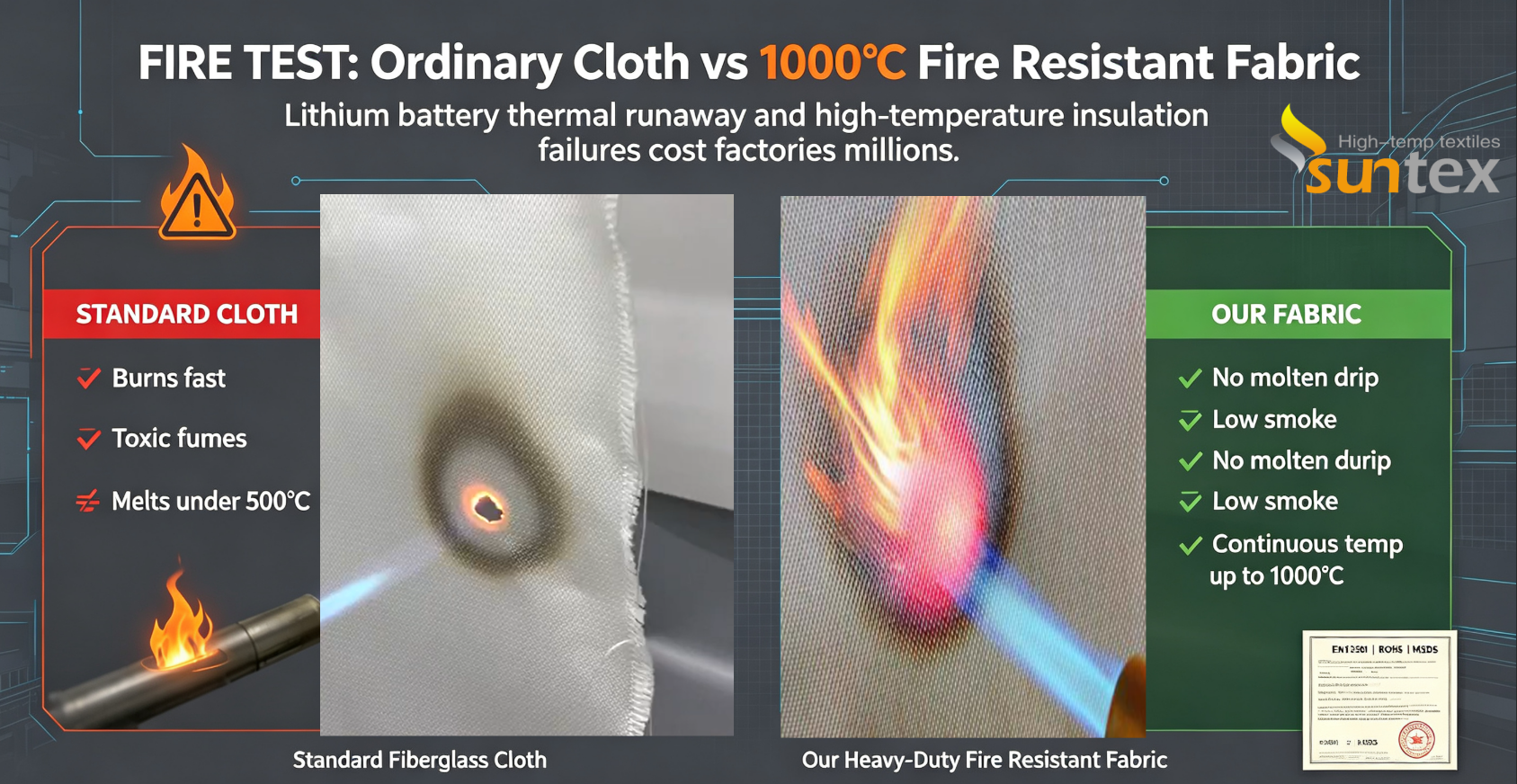
The Hidden Cost of Inferior Thermal Insulation Lithium battery thermal runaway and industrial high-temperature insulation failures frequently trigger factory fires, unplanned shutdowns and massive economic losses. Most of these accidents stem from low-performance standard insulation materials, rather than major equipment faults. Substandard fiberglass cloth fails under high heat, accelerating fire spread and causing costly industrial […]


 English
 Arabic
 Dutch
Dutch French
 German
 Italian
 Polish
 Portuguese
 Russian
 Spanish