

Hidden Hazards in Your Home: The Invisible Danger of Fiberglass Products
You might not realize it, but some seemingly harmless household items are actually made of fiberglass—a material that, when damaged, can cause serious harm. These nearly invisible fibers can pierce your skin, irritate your eyes, and even enter your lungs when inhaled. One internet user shared: “After washing a baking mat, my hands felt like they were pricked by thousands of needles. I scratched until my skin nearly broke before realizing it was fiberglass!”

These “invisible hazards” have quietly made their way into kitchens, bathrooms, children’s rooms, and even dining tables. Today, we’ll uncover which everyday items may secretly contain fiberglass and how to protect yourself.
What Is Fiberglass?
Fiberglass is an inorganic, non-metallic material made by melting glass and drawing it into thin fibers. It’s widely used in construction, aerospace, and automotive industries due to its high strength, lightweight, and heat resistance. However, it has a critical weakness: it’s brittle. When broken, it releases microscopic shards (as thin as 3 micrometers—almost invisible to the naked eye) that can easily embed in skin or be inhaled.
The World Health Organization (WHO) warns that fibers smaller than 3 micrometers can penetrate deep into the lungs, causing respiratory damage.

Common Symptoms of Fiberglass Exposure:
Skin: Redness, itching, and a stinging sensation (like tiny needle pricks).
Eyes: Irritation, dryness, and a gritty feeling (as if sand got in).
Respiratory: Coughing, throat irritation, and difficulty breathing.
Worse for asthma/allergy sufferers: Symptoms may intensify.
The real problem? These fibers are nearly impossible to remove once lodged in the skin—they’re like “invisible landmines.”
7 Common Household Items That May Contain Fiberglass
1. Alloy Chopsticks

Many “unbreakable” chopsticks have a fiberglass core. If they warp from heat or wear down, the fibers can pierce lips or fingers, posing ingestion risks.
✅ Safer alternative: Stainless steel, ceramic, or natural wood chopsticks.
2. Baking Mats / Parchment Paper

Some non-stick baking mats use fiberglass + Teflon coating. If cut or washed improperly, exposed fibers can stick into hands.
✅ Safer alternative: Food-grade silicone mats or cotton baking cloths.
3. Silicone Rolling Mats
Often reinforced with fiberglass mesh, these mats can shed fibers into dough if damaged—meaning you might accidentally eat them (fiberglass isn’t digestible!).
✅ Safer alternative: 100% silicone or natural-material mats.
4. Soft Tape Measures

The flexible outer layer often hides a fiberglass skeleton. If broken, fibers can poke through and irritate skin.
⚠️ Warning: Keep away from kids—some parents report children getting rashes after playing with damaged tape measures.
5. Children’s Toys
Some lightweight, “unbreakable” toys use fiberglass in frames or wheels. If cracked, fibers can harm a child’s skin or respiratory system.
✅ Tip: Look for “fiberglass-free” or pure plastic labels.
6. Tent / Mosquito Net Poles
Fiberglass poles are common due to their flexibility—but if snapped, they release sharp fibers.
✅ Safer alternative: Aluminum or steel frames.
7. Umbrellas
Many umbrella ribs or tips contain fiberglass. When repairing or handling broken parts, fibers can stab hands.
⚠️ Watch out: Some sellers hide this detail—always ask about materials before buying.
How to Protect Yourself
Wear gloves & a mask when handling damaged fiberglass items.
Avoid mouth contact with chipped alloy chopsticks.
Check children’s toys and tools for wear and tear.
Replace old/damaged items, especially kitchenware.
If You’re Exposed:
Don’t scratch or dig at fibers—this pushes them deeper.

Use tape to gently lift surface fibers.
Wash the area and apply anti-inflammatory cream.

See a doctor if irritation persists.

While fiberglass is useful in industry, it doesn’t belong in everyday household items. The real danger lies in what we can’t see—so stay alert and choose safer alternatives whenever possible!
Contact Details
Suntex Composite Industrial Co., Ltd.
Contact Person: Mr. Jason Hu
Tel: +86 132 0712 7986

Send your inquiry directly to us
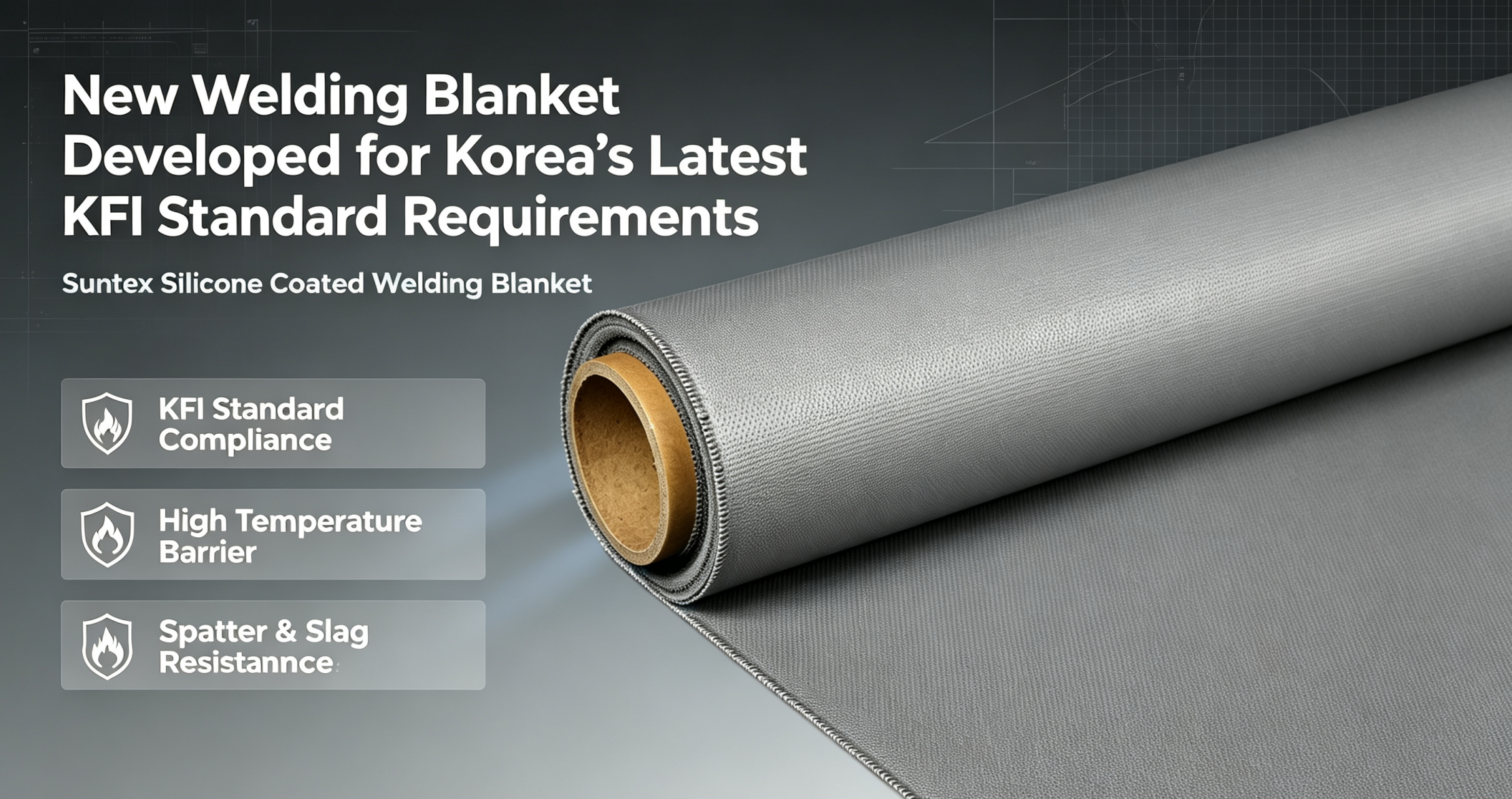
New Welding Blanket Developed for Korea’s Latest KFI Standard Requirements Suntex launches upgraded grey silicone-coated fiberglass welding blankets fully compliant with Korea’s latest KFI fire safety standards for hot work. Made of premium grey silicone coated fiberglass rolls, our blankets deliver reliable protection against welding sparks, molten slag, and high heat for welding, cutting, and […]
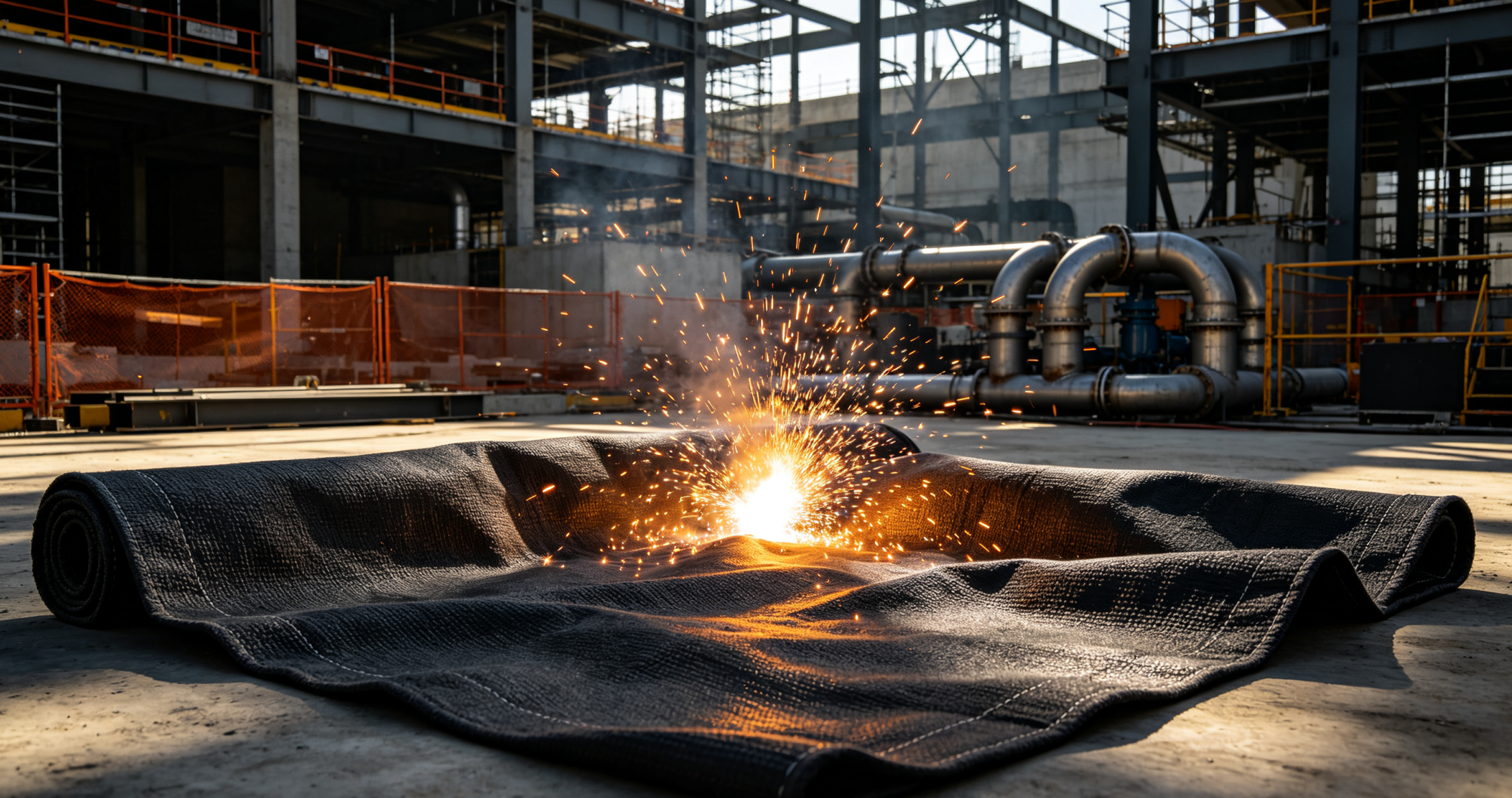
In the high-stakes environment of Japanese automotive manufacturing and precision machining, “good enough” is never enough. When a single stray spark can lead to costly downtime or compromise the integrity of automated assembly lines, the quality of your protective gear is a direct reflection of your operational safety standards. For facilities prioritizing fire prevention and […]
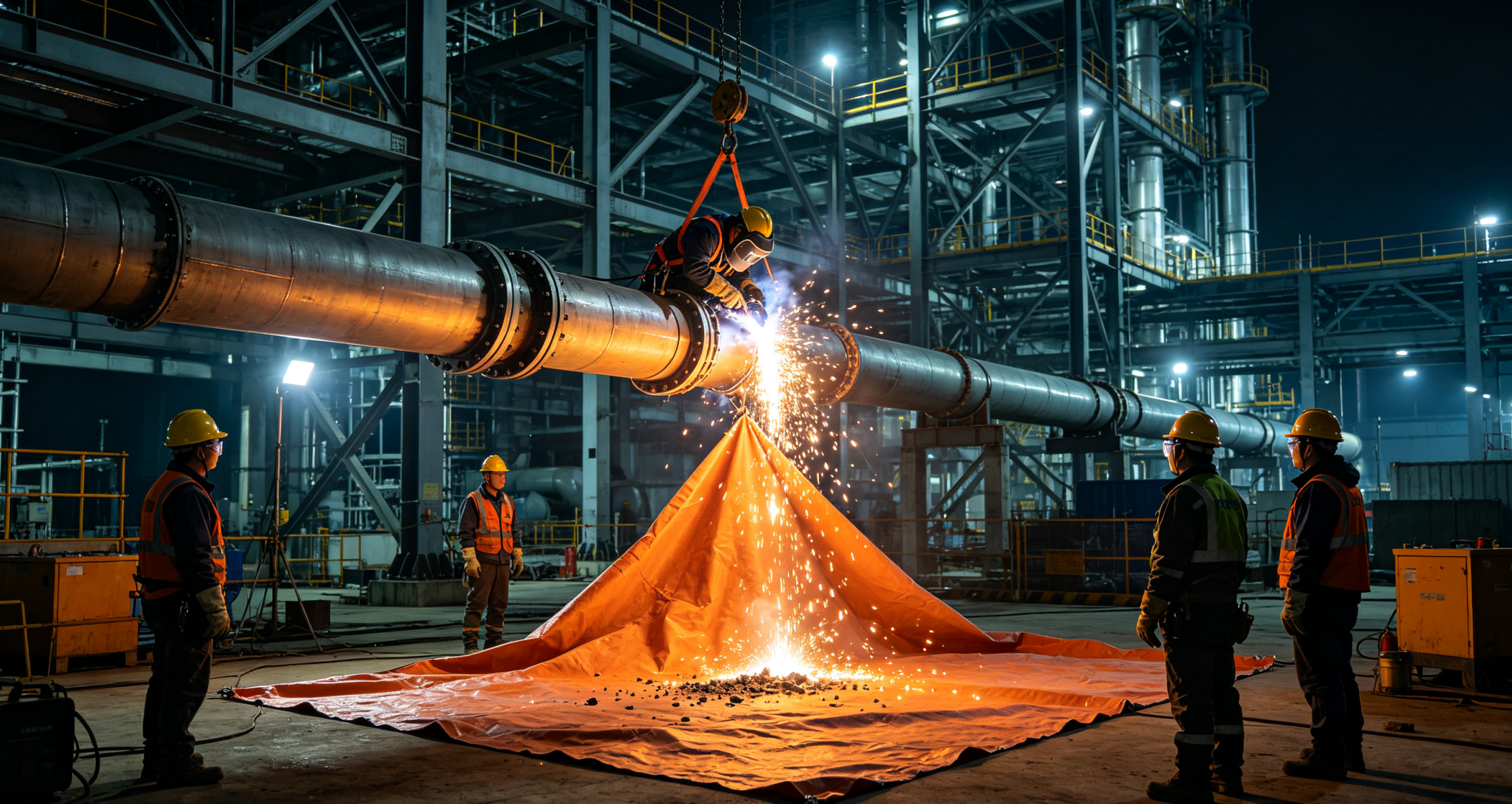
Welding sparks trigger most construction site fires. Even standardized operating procedures carry hidden risks if low-performance flame-retardant fabrics are used. Recent frequent construction fires sound alarms for hot work safety. Most welding-caused blazes stem from inadequate high-temperature slag shielding and substandard fire-resistant materials, rather than improper operation alone. Welding arcs hit over 6,000°C, with flying […]
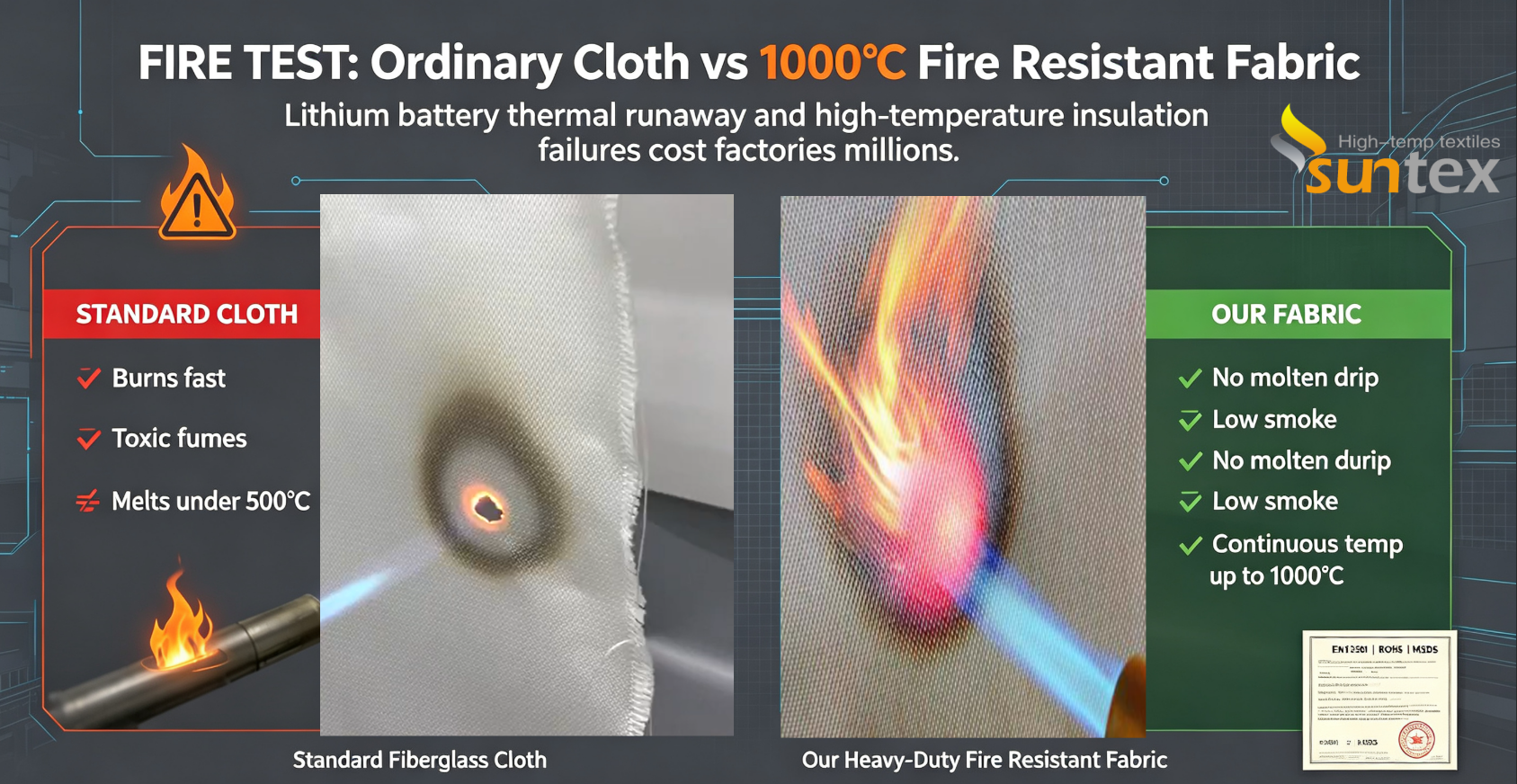
The Hidden Cost of Inferior Thermal Insulation Lithium battery thermal runaway and industrial high-temperature insulation failures frequently trigger factory fires, unplanned shutdowns and massive economic losses. Most of these accidents stem from low-performance standard insulation materials, rather than major equipment faults. Substandard fiberglass cloth fails under high heat, accelerating fire spread and causing costly industrial […]


 English
 Arabic
 Dutch
Dutch French
 German
 Italian
 Polish
 Portuguese
 Russian
 Spanish