

Beyond Protocol: A Real-World Case for Fire Blankets in Asset Protection

We’ve all sat through the safety seminars. We’ve reviewed the protocols, stocked the extinguishers, and run the drills. But sometimes, it takes a real-world incident—a worst-case scenario narrowly avoided—to truly validate a safety strategy.
Recently, we witnessed exactly that. What could have been a catastrophic, chain-reaction fire was swiftly and decisively contained. The result? A potential disaster was concluded with damage limited to a single vehicle.
This wasn’t luck. It was preparation.

The key to this successful outcome was the rapid deployment of a SUNTEX Automotive Fire Blanket. This incident serves as a powerful, real-world case study in moving from theoretical safety to practical, proven protection.
From Concept to Action: “Controlling Fire with a Blanket”
The phrase “controlling fire with a blanket” might sound simplistic, but this event proves it’s a highly effective emergency response strategy. While traditional methods like fire extinguishers are crucial, they can struggle against fast-growing, intense Class B (flammable liquid) fires common in vehicles and machinery.
A fire blanket works by smothering the flames, instantly cutting off the oxygen supply and containing the blaze at its source. This prevents the terrifying spread that can lead to massive asset loss and business disruption.
Key Takeaways for Every Safety Manager, Fleet Operator, and Facility Head
This near-miss incident offers critical lessons for any organization responsible for people, assets, and operations:

✅ Speed & Efficiency: In a fire, every second counts. SUNTEX blankets are engineered for rapid response. They can be deployed in moments by trained personnel, smothering fires in their critical early stages before they have a chance to escalate.
✅ Asset Protection: This is the ultimate bottom-line benefit. A single blanket directly prevented a minor incident from spiraling into a major loss. The financial equation is clear: the minimal cost of proactive equipment pales in comparison to the potential loss of multiple vehicles, machinery, or facility damage.
✅ Safety First: Above all, this technology provides a crucial first line of defense for your team. It creates a safer environment for personnel to act before emergency services arrive, protecting lives and preventing injury.
Proactive Prevention is Your Best Investment

The most important message from this event is this: Don’t wait for an incident to prove your safety protocols. Waiting for a fire to test your readiness is a gamble with unacceptable stakes.
Proactive prevention—equipping your teams with the right tools and training—is not an expense; it’s one of the smartest investments you can make in the continuity and resilience of your business.
Is your current emergency preparedness equipped for a moment like this?
We encourage you to review your protocols. Does your strategy include a layered approach to fire safety? Are your teams equipped to respond with speed and effectiveness to a rapidly escalating incident?
Learn from what didn’t happen here. Let’s commit to building safer workplaces, one proactive measure at a time.
#FireSafety #WorkplaceSafety #FleetSafety #RiskManagement #EmergencyResponse #SUNTEX #FireProtection #AssetProtection #SafetyFirst #Innovation #CaseStudy
Contact Details
Suntex Composite Industrial Co., Ltd.
Contact Person: Mr. Jason Hu
Tel: +86 132 0712 7986

Send your inquiry directly to us
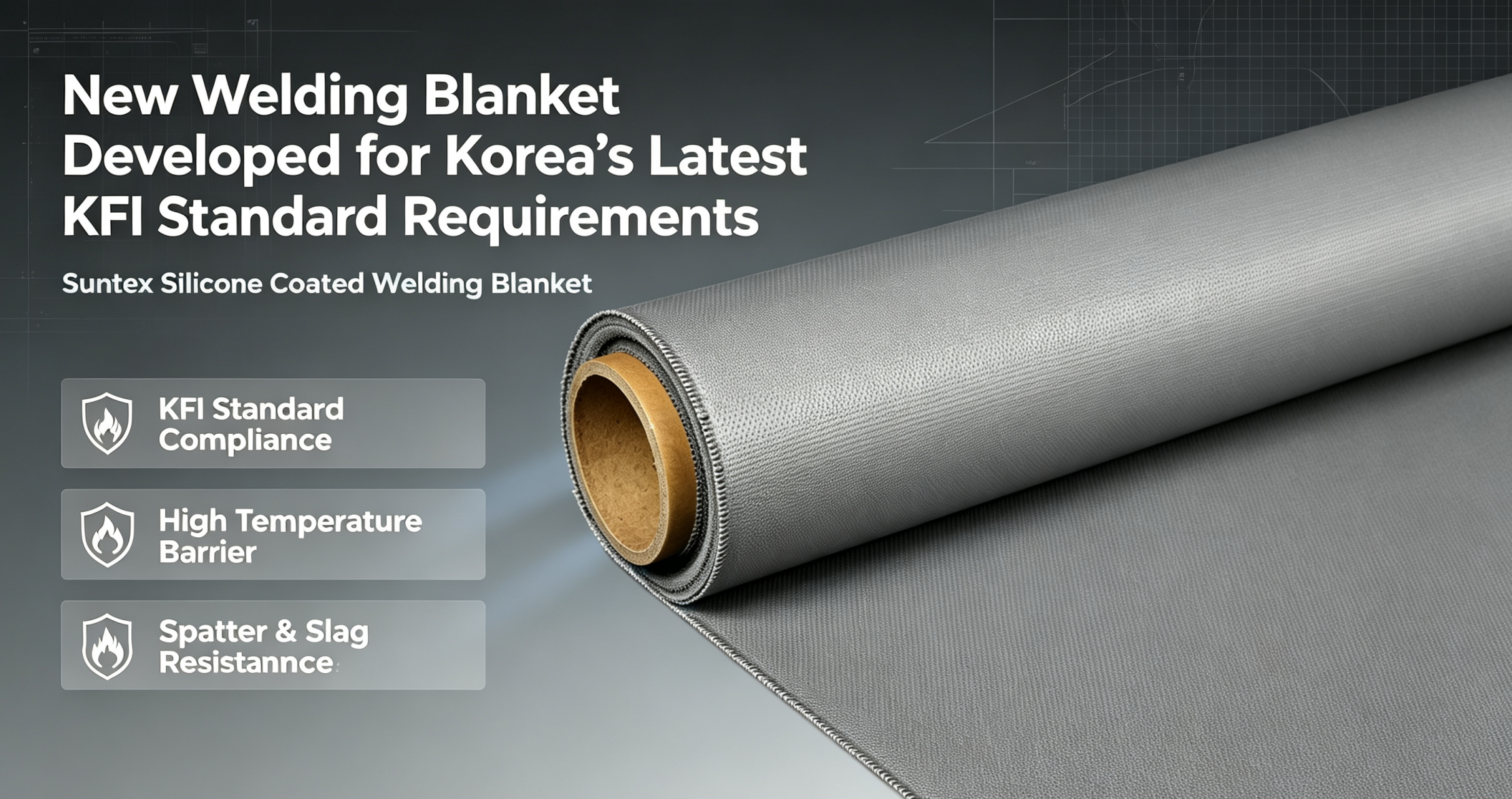
New Welding Blanket Developed for Korea’s Latest KFI Standard Requirements Suntex launches upgraded grey silicone-coated fiberglass welding blankets fully compliant with Korea’s latest KFI fire safety standards for hot work. Made of premium grey silicone coated fiberglass rolls, our blankets deliver reliable protection against welding sparks, molten slag, and high heat for welding, cutting, and […]
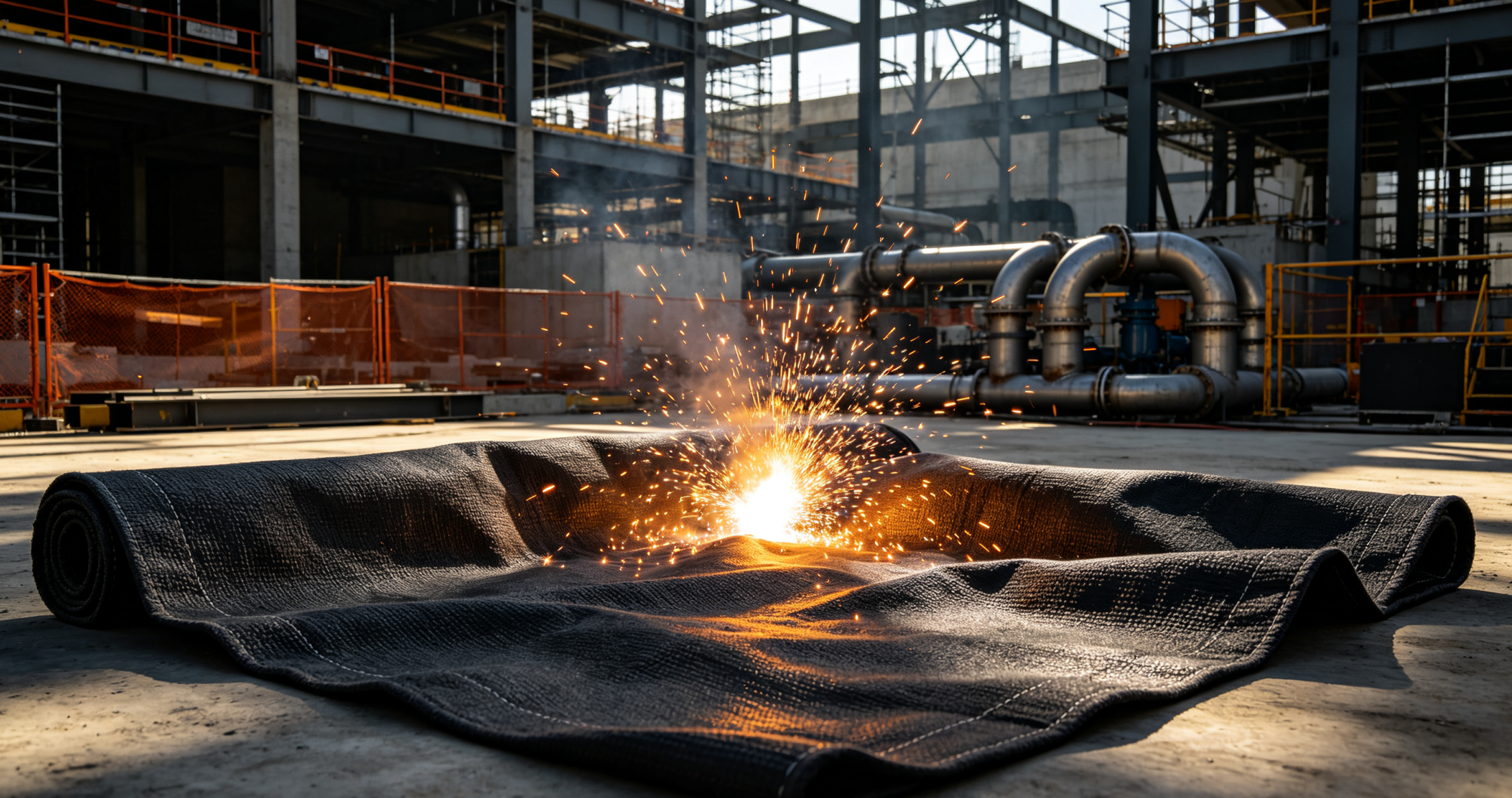
In the high-stakes environment of Japanese automotive manufacturing and precision machining, “good enough” is never enough. When a single stray spark can lead to costly downtime or compromise the integrity of automated assembly lines, the quality of your protective gear is a direct reflection of your operational safety standards. For facilities prioritizing fire prevention and […]
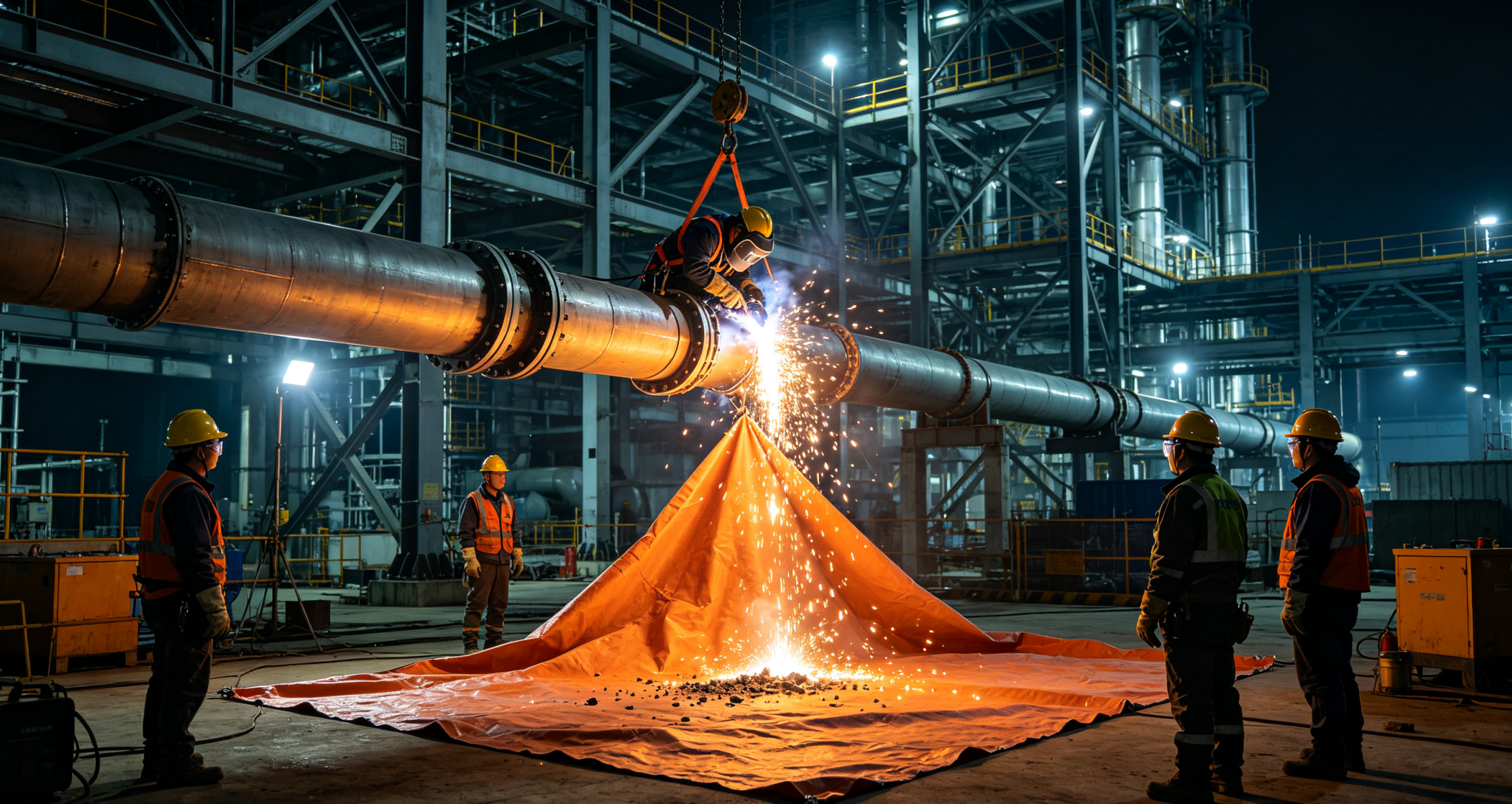
Welding sparks trigger most construction site fires. Even standardized operating procedures carry hidden risks if low-performance flame-retardant fabrics are used. Recent frequent construction fires sound alarms for hot work safety. Most welding-caused blazes stem from inadequate high-temperature slag shielding and substandard fire-resistant materials, rather than improper operation alone. Welding arcs hit over 6,000°C, with flying […]
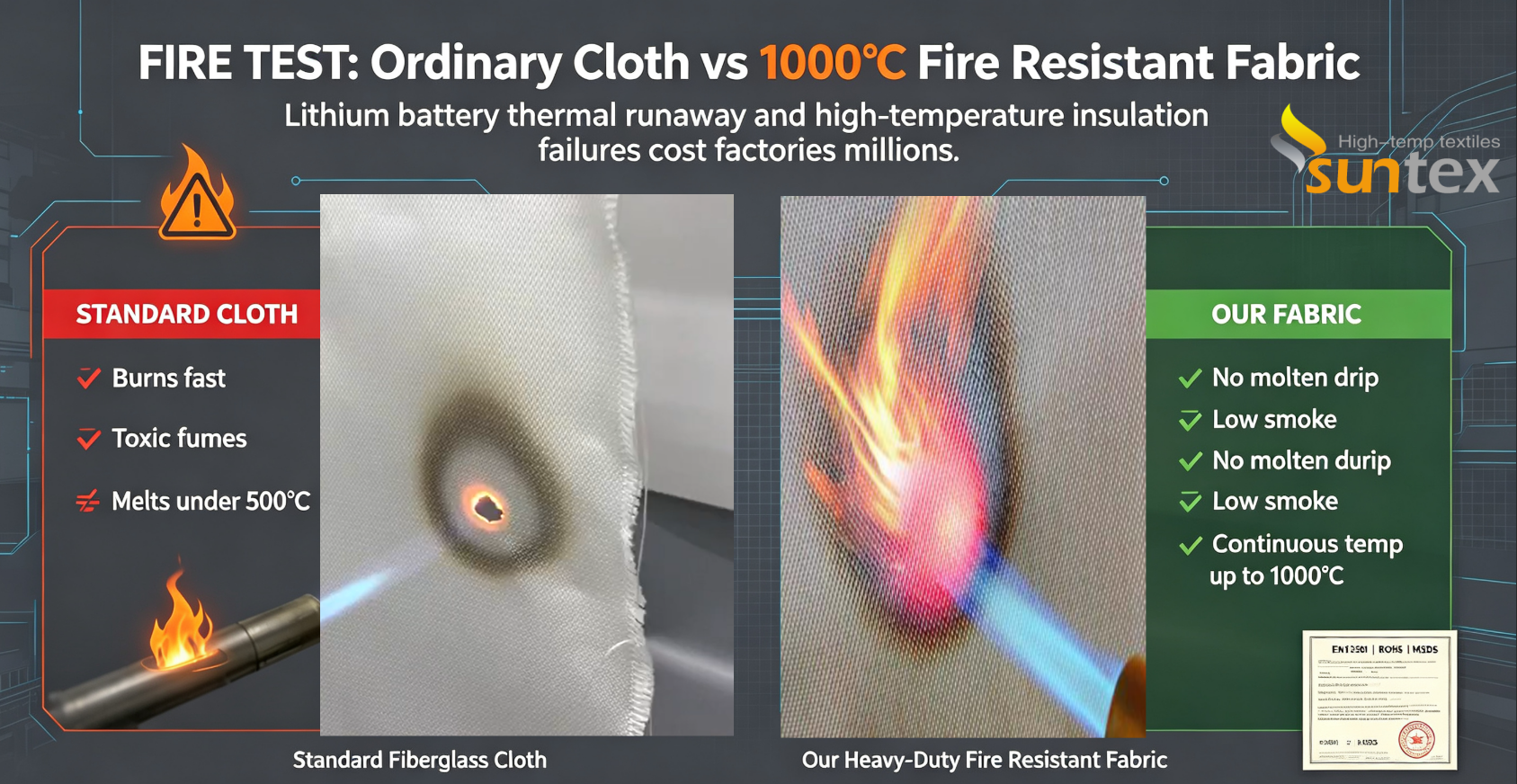
The Hidden Cost of Inferior Thermal Insulation Lithium battery thermal runaway and industrial high-temperature insulation failures frequently trigger factory fires, unplanned shutdowns and massive economic losses. Most of these accidents stem from low-performance standard insulation materials, rather than major equipment faults. Substandard fiberglass cloth fails under high heat, accelerating fire spread and causing costly industrial […]


 English
 Arabic
 Dutch
Dutch French
 German
 Italian
 Polish
 Portuguese
 Russian
 Spanish