

In recent years, frequent incidents of new energy vehicle (NEV) fires have left many owners grappling with “safety anxiety.” Online debates rage over whether “car fire blankets are just a fig leaf for automakers,” but is that really the case? Today, we’ll take the automotive fire blanket produced by a factory in Zhenjiang, Jiangsu, China, as an example, using test data and technical analysis to reveal its true effectiveness!

Once a new energy vehicle catches fire, it can erupt into flames within seconds, with temperatures exceeding 1,000°C instantly, accompanied by toxic smoke and explosion risks. Traditional firefighting methods are almost useless against battery thermal runaway, while fire hoses may worsen short circuits, leading to secondary explosions.

The Tested Performance of Automotive Fire Blankets:
Withstands NEV flames for over 60 minutes—far surpassing ordinary fire-resistant materials.
Blocks high temperatures and suppresses thick smoke, preventing flames from spreading to nearby vehicles or buildings.
Reusable, with explosion-resistant fiber coatings ensuring long-term protection.
It’s not designed to “extinguish fires” but to “control them”—buying critical time for firefighters and minimizing chain-reaction disasters!
Why Is This Fire Blanket Stronger Than Others?

1️⃣ Material Upgrades:
Developed in collaboration with top Chinese universities, using aerospace-grade high-temperature-resistant fibers + special explosion-proof coatings.
High-performance versions can withstand 1,500°C for short periods.
2️⃣ Rigorous Testing:
Validated through cell, battery pack, and whole-vehicle combustion tests, covering various fire scenarios.
Complies with stringent certifications like EU EN13501-1 and China’s GB8624-2012 standards.
3️⃣ Wide Application Scenarios:
Charging stations: Cover burning vehicles to protect surrounding infrastructure.
Ferries/underground garages: Prevent chain-reaction fires.
Vehicle warehouses: Avoid catastrophic “domino effect” losses.
Addressing Controversy: Is the Fire Blanket a “Cop-Out” or a “Necessary Safeguard”?

Some argue: “Asking owners to buy fire blankets implies NEVs are inherently unsafe.”
But the reality is: Safety is a systematic effort. Fire blankets are “passive protection,” complementing—not conflicting with—automakers’ efforts to improve battery safety. Just as “airbags” don’t replace a car’s steel frame, no one calls them a gimmick.

A More Practical Consideration:
Current battery technology cannot 100% prevent thermal runaway.
If a fire blanket can reduce 90% of potential losses, isn’t it worth equipping? The answer is obvious.

Prevention Is True “Technological Equity.”
Automotive fire blankets may not be a cure-all, but until NEV safety technology matures, they remain a pragmatic way to mitigate risks. Instead of debating “whether to use them,” perhaps we should ask: When disaster strikes, are we truly prepared?

What do you think? Share your thoughts in the comments!
Contact Details
Suntex Composite Industrial Co., Ltd.
Contact Person: Mr. Jason Hu
Tel: +86 132 0712 7986

Send your inquiry directly to us
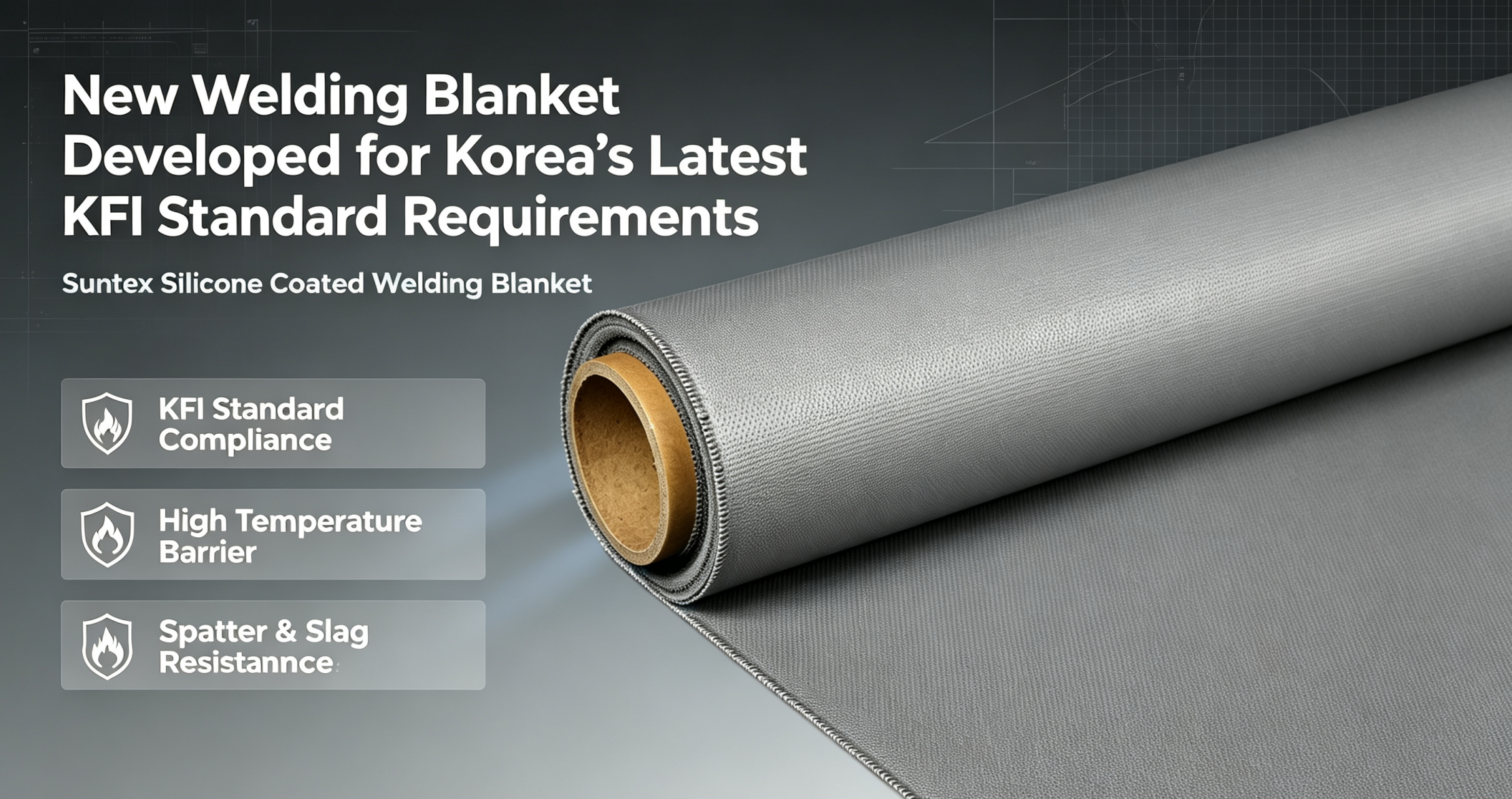
New Welding Blanket Developed for Korea’s Latest KFI Standard Requirements Suntex launches upgraded grey silicone-coated fiberglass welding blankets fully compliant with Korea’s latest KFI fire safety standards for hot work. Made of premium grey silicone coated fiberglass rolls, our blankets deliver reliable protection against welding sparks, molten slag, and high heat for welding, cutting, and […]
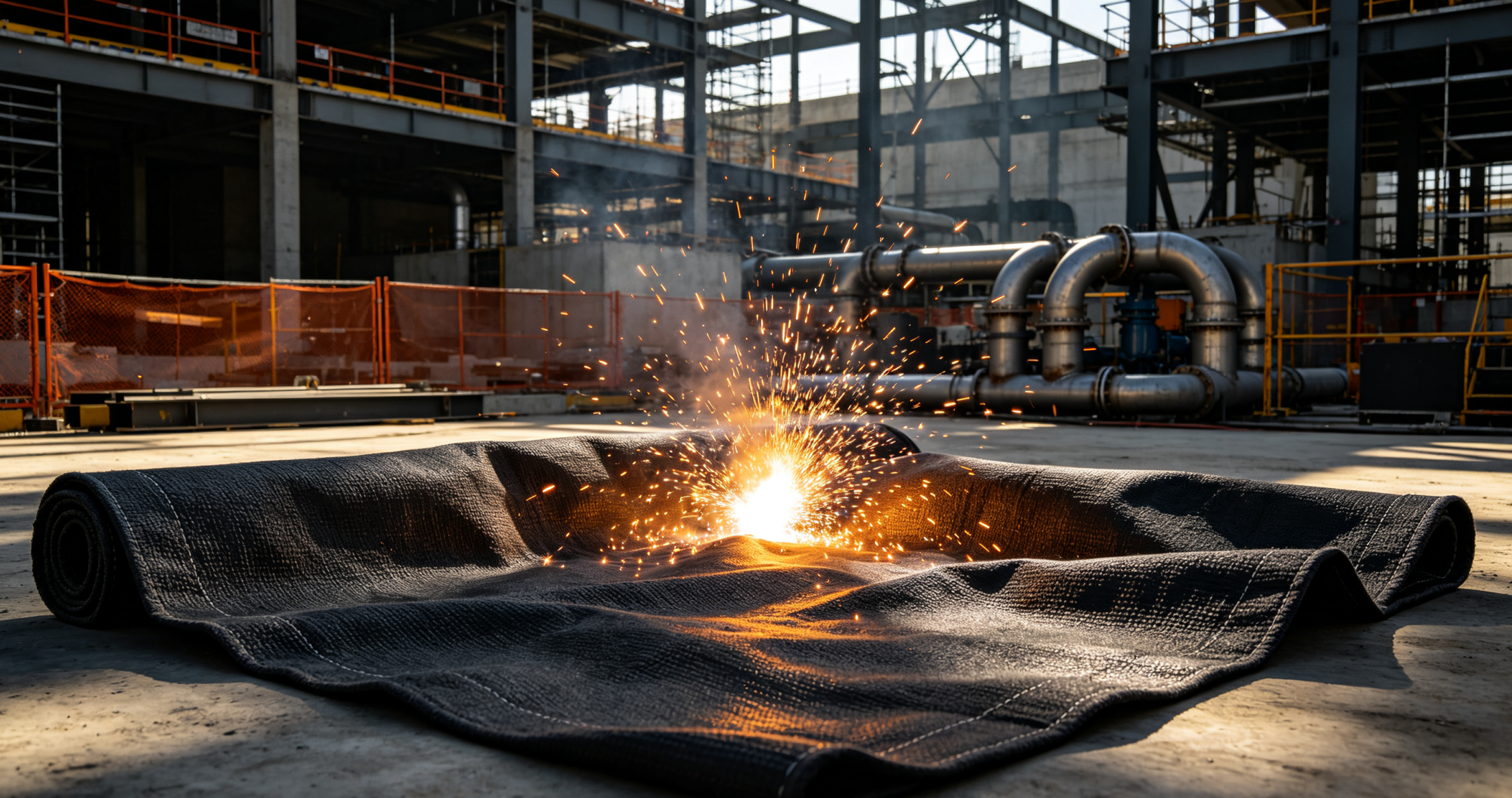
In the high-stakes environment of Japanese automotive manufacturing and precision machining, “good enough” is never enough. When a single stray spark can lead to costly downtime or compromise the integrity of automated assembly lines, the quality of your protective gear is a direct reflection of your operational safety standards. For facilities prioritizing fire prevention and […]
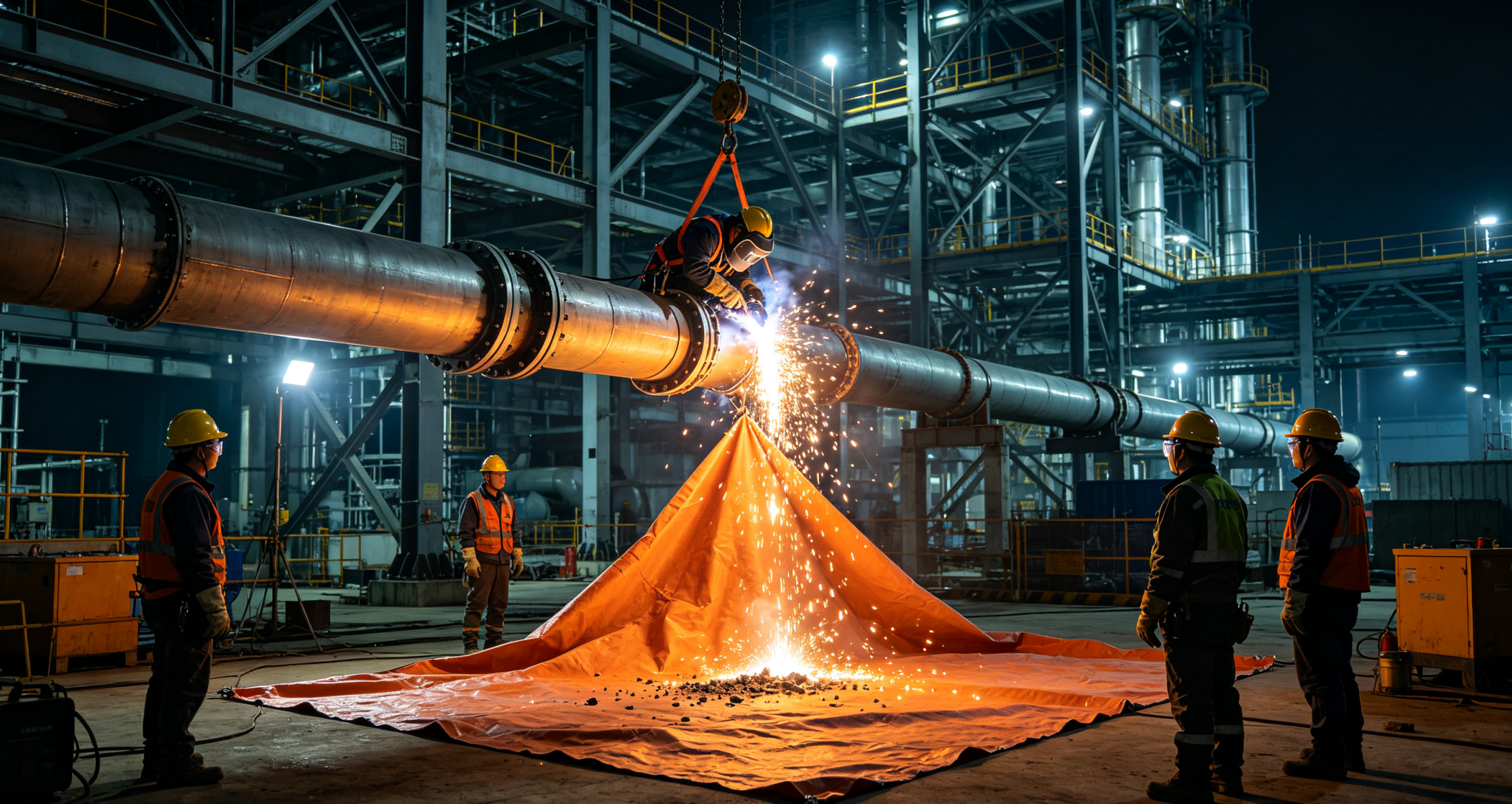
Welding sparks trigger most construction site fires. Even standardized operating procedures carry hidden risks if low-performance flame-retardant fabrics are used. Recent frequent construction fires sound alarms for hot work safety. Most welding-caused blazes stem from inadequate high-temperature slag shielding and substandard fire-resistant materials, rather than improper operation alone. Welding arcs hit over 6,000°C, with flying […]
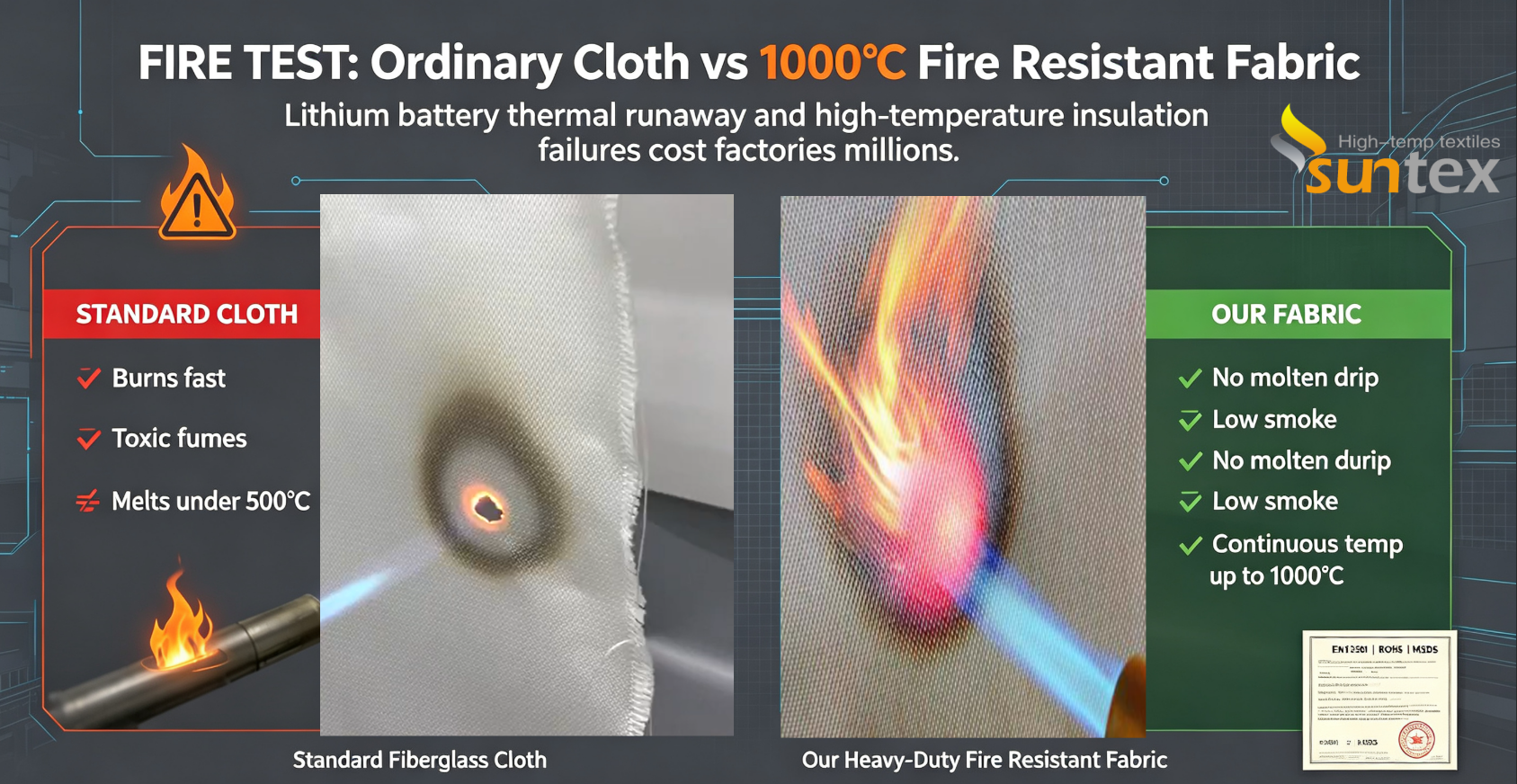
The Hidden Cost of Inferior Thermal Insulation Lithium battery thermal runaway and industrial high-temperature insulation failures frequently trigger factory fires, unplanned shutdowns and massive economic losses. Most of these accidents stem from low-performance standard insulation materials, rather than major equipment faults. Substandard fiberglass cloth fails under high heat, accelerating fire spread and causing costly industrial […]


 English
 Arabic
 Dutch
Dutch French
 German
 Italian
 Polish
 Portuguese
 Russian
 Spanish