

As the adoption of electric vehicles (EVs) accelerates globally, so does the need to address their unique safety challenges, particularly the risk of battery fires. For first responders, tackling a blazing EV isn’t just about extinguishing flames; the real threats are far more complex and dangerous.

The Six Major Dangers of an EV Battery Fire:
Thermal Runaway and Explosion Risk: The core danger is “thermal runaway” within the lithium-ion battery pack. This self-sustaining chemical reaction releases extreme heat and flammable, toxic gases, such as carbon monoxide. Even if visible flames are out, the battery can reignite or explode without warning.
Toxic Gas Emission: Burning batteries releases a dense cocktail of poisonous and corrosive fumes. Inhaling these gases, especially in confined spaces like underground garages, can cause rapid asphyxiation, severe respiratory damage, or death.
High-Voltage Electrocution Hazard: A damaged vehicle’s high-voltage system (300V-800V) can remain live or retain residual charge, posing a severe electrocution risk to rescue personnel and occupants.
Rapid Fire Spread: Fire can propagate between battery modules like dominoes, causing the entire vehicle to be engulfed in minutes. Extinguishing it requires vast amounts of water applied continuously for hours—a task that far exceeds the capabilities of conventional fire extinguishers.
Persistent Re-ignition Risk: The internal chemical reaction can smolder for hours or even days, leading to repeated re-ignitions long after the initial fire is suppressed. This creates ongoing hazards during transport, storage, and disposal.
Environmental Contamination: Post-fire residues, including leaked electrolyte and heavy metals, can seep into soil and groundwater, causing significant chemical pollution that requires specialized cleanup.
Traditional fire blankets and methods often fail against these intense, multi-faceted threats, leaving firefighters vulnerable during critical close-range operations.
Suntex Vehicle Fire Containment Blanket: A Next-Generation Safety Shield
Faced with these challenges, the Suntex Vehicle Fire Containment Blanket emerges as a purpose-engineered, tactical solution. It’s more than a blanket; it’s a mobile safety barrier designed to isolate, cool, ventilate, and suppress.
Key Features and Benefits:

Active Fume Extraction & Explosion Mitigation: The Suntex blanket is engineered to begin actively venting flammable gases approximately 10 minutes after deployment. This critical feature reduces gas accumulation underneath, significantly lowering the probability of an explosion and creating a safer environment for firefighters to work.
Extreme Heat Resistance & Long-Duration Protection: Constructed from aerospace-grade, high-temperature resistant fabric with a specialized coating, it withstands temperatures exceeding 1000°C continuously (1500°C short-term, with a softening point of 1700°C). It provides a reliable 60-minute safety zone, allowing crews to perform tasks like extraction, cooling, and dismantling without the need for risky re-covering.

Electrical Insulation & Rapid Deployment: The blanket itself is an insulating barrier, offering extra protection against high-voltage electrocution risks. Designed for two-person operation, it can be deployed quickly over a vehicle to contain flames and prevent the “domino effect” from spreading to adjacent properties.
Re-ignition Suppression & Environmental Protection: Sealing the vehicle and limiting oxygen supply helps stabilize the battery pack’s environment, delaying thermal runaway and reducing re-ignition potential. Certain professional models also include leak-proof layers, collection channels, or absorbent materials to capture hazardous battery fluids and fire runoff, minimizing soil and water contamination.
Cost-Effective & Reusable: Unlike single-use consumables, the durable Suntex blanket remains pliable and functional after exposure to extreme heat, making it a highly cost-effective solution over its lifespan.
Proven Performance You Can Trust
The Suntex blanket isn’t just theoretically sound; its performance is rigorously validated. It holds multiple international certifications, including ISO 9001:2015, China’s Fire Product Certification (XF1205-2014), and meets European standards EN 13501-1, EN ISO 1716:2018, and EN 13823:2020.

This certification is backed by real-world evidence. Since 2019, Suntex blankets have been trusted across Europe and have undergone extensive live vehicle fire testing in collaboration with top-tier Chinese fire brigades and leading universities. We provide comprehensive test videos, certification reports, and support practical training exercises.
In the high-stakes scenario of an EV fire, having the right tool is paramount. The Suntex Fire Blanket represents a significant technological.
Contact Details
Suntex Composite Industrial Co., Ltd.
Contact Person: Mr. Jason Hu
Tel: +86 132 0712 7986

Send your inquiry directly to us
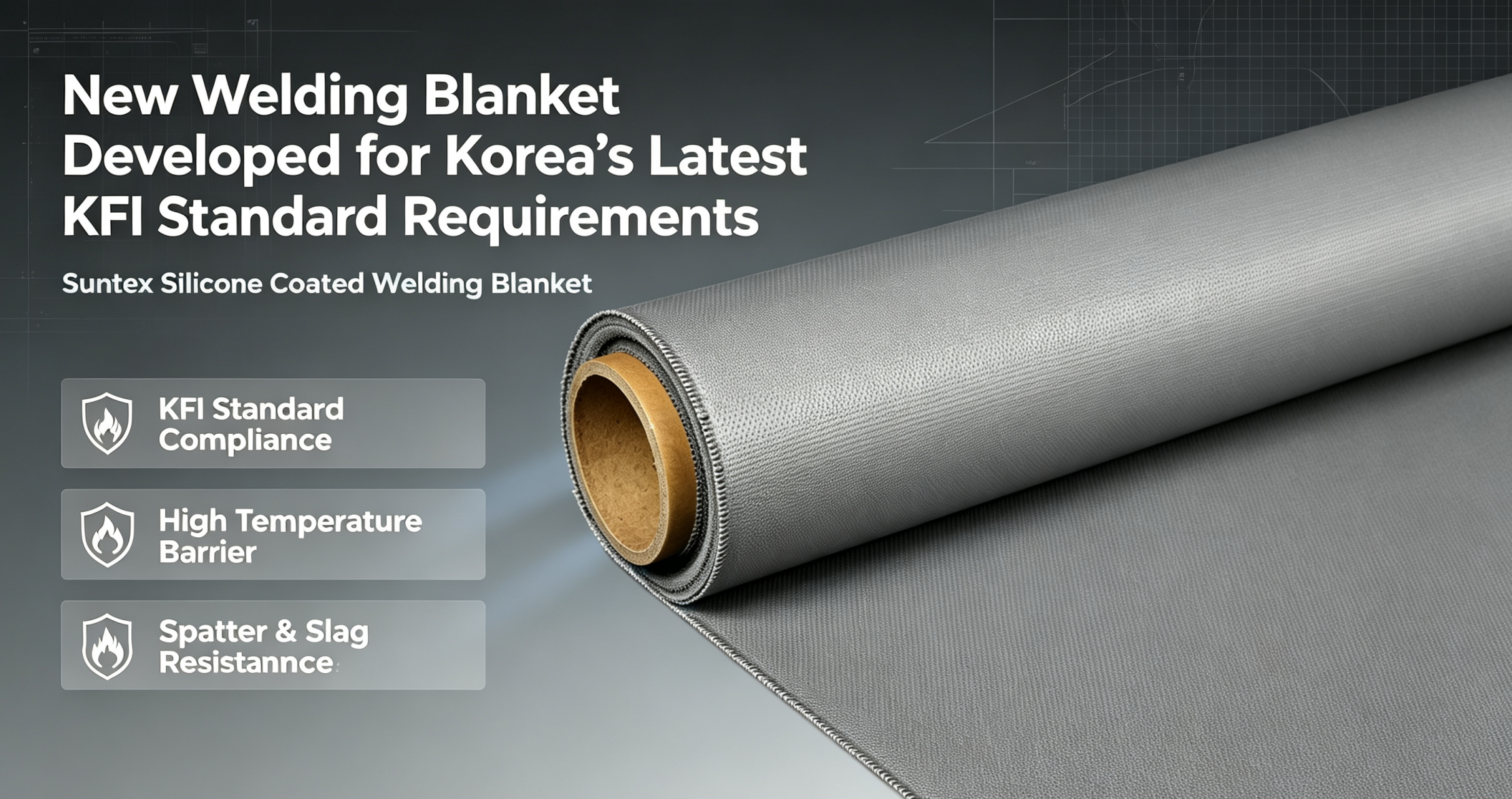
New Welding Blanket Developed for Korea’s Latest KFI Standard Requirements Suntex launches upgraded grey silicone-coated fiberglass welding blankets fully compliant with Korea’s latest KFI fire safety standards for hot work. Made of premium grey silicone coated fiberglass rolls, our blankets deliver reliable protection against welding sparks, molten slag, and high heat for welding, cutting, and […]
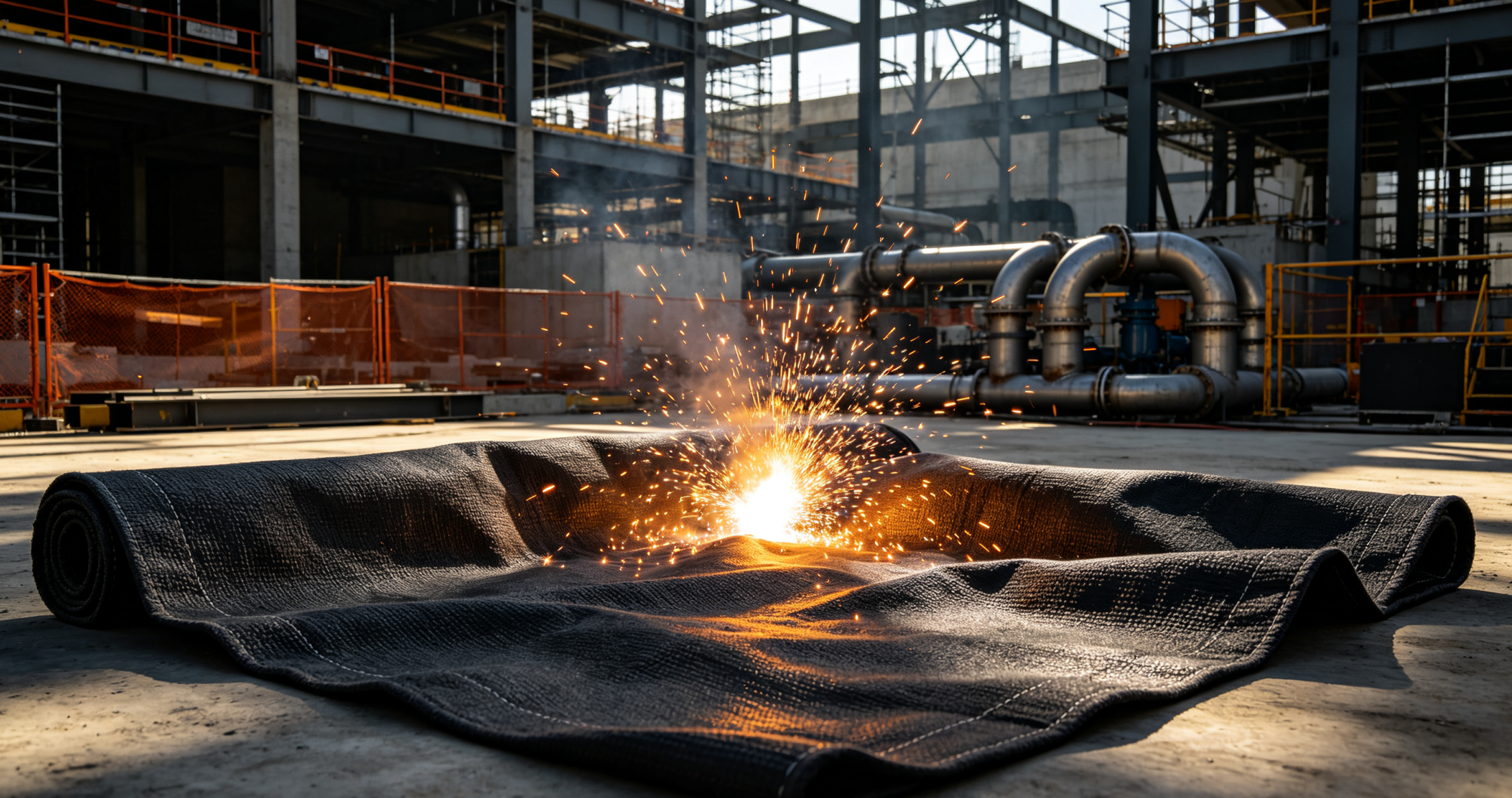
In the high-stakes environment of Japanese automotive manufacturing and precision machining, “good enough” is never enough. When a single stray spark can lead to costly downtime or compromise the integrity of automated assembly lines, the quality of your protective gear is a direct reflection of your operational safety standards. For facilities prioritizing fire prevention and […]
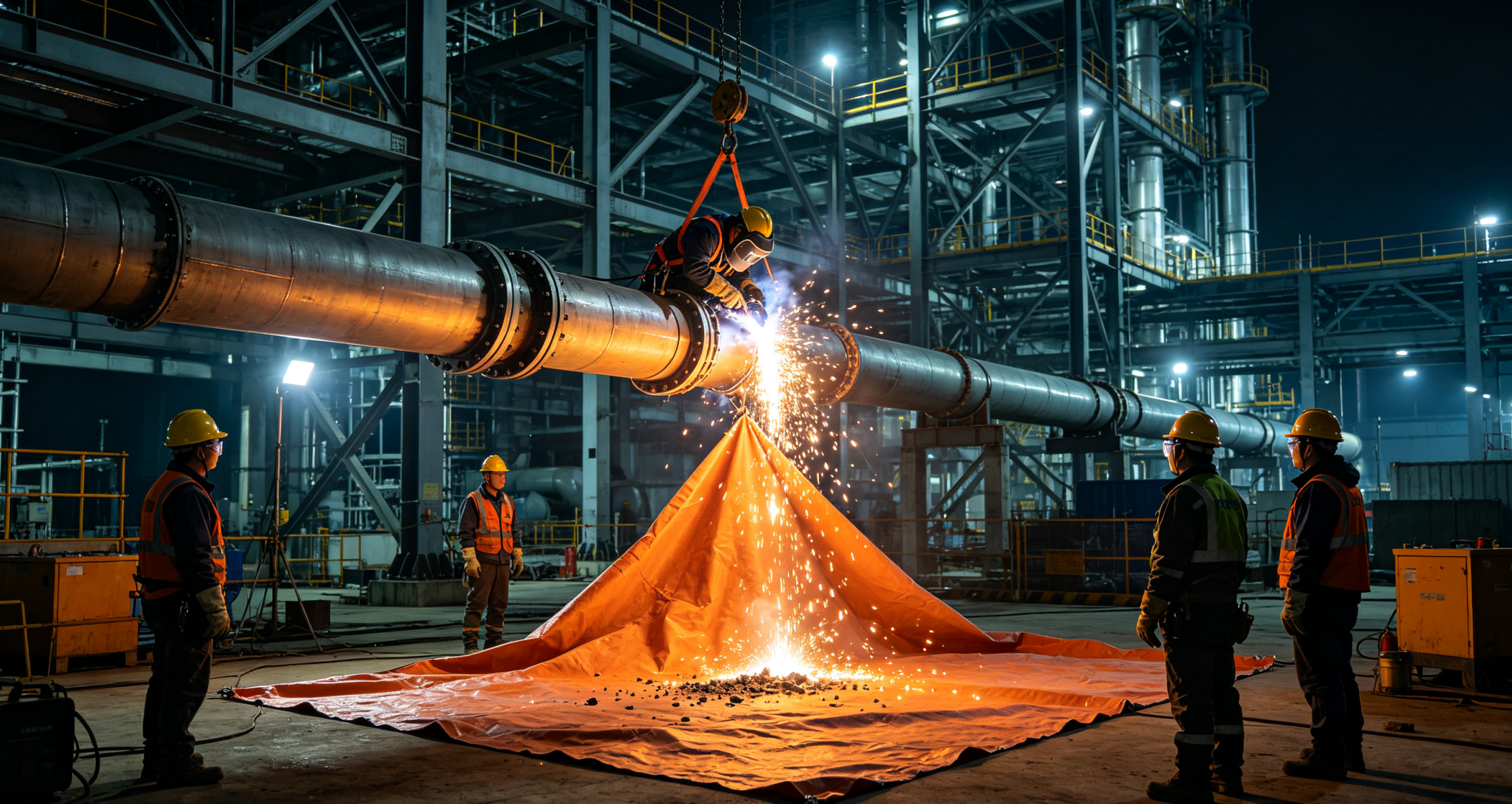
Welding sparks trigger most construction site fires. Even standardized operating procedures carry hidden risks if low-performance flame-retardant fabrics are used. Recent frequent construction fires sound alarms for hot work safety. Most welding-caused blazes stem from inadequate high-temperature slag shielding and substandard fire-resistant materials, rather than improper operation alone. Welding arcs hit over 6,000°C, with flying […]
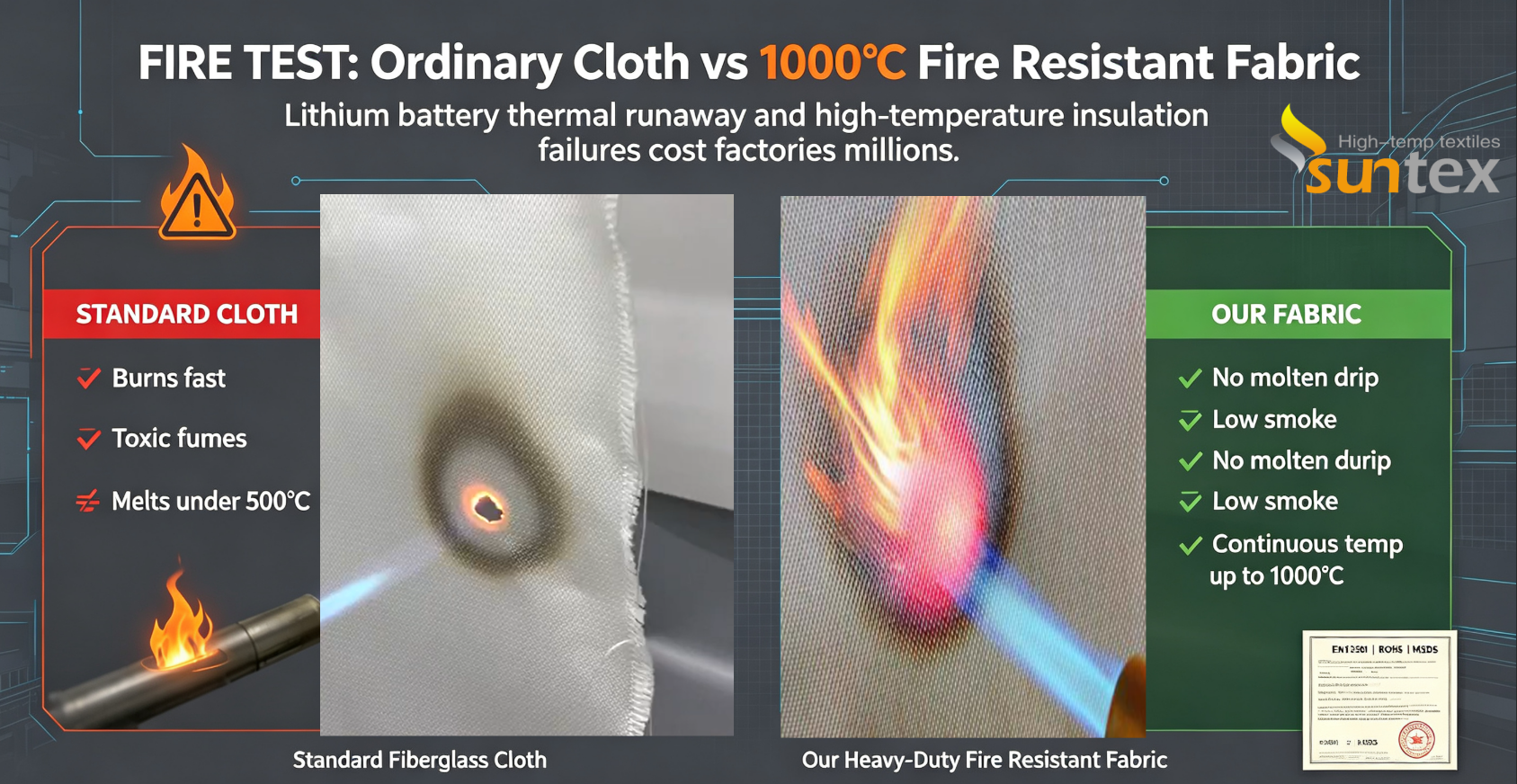
The Hidden Cost of Inferior Thermal Insulation Lithium battery thermal runaway and industrial high-temperature insulation failures frequently trigger factory fires, unplanned shutdowns and massive economic losses. Most of these accidents stem from low-performance standard insulation materials, rather than major equipment faults. Substandard fiberglass cloth fails under high heat, accelerating fire spread and causing costly industrial […]


 English
 Arabic
 Dutch
Dutch French
 German
 Italian
 Polish
 Portuguese
 Russian
 Spanish