

Invisible Little Demons: The Prickly Menace of Fiberglass
Have you ever experienced a sharp, needle-like sting on your hands or body, only to find nothing there no matter how hard you look? This maddening, phantom pain might just be caused by fiberglass—a material that’s everywhere in our daily lives yet often overlooked.
Fiberglass: The Hidden “Assassin” Around You
Though it sounds unfamiliar, fiberglass—an inorganic non-metallic material—is deeply embedded in our routines. For example:
Household items: Mosquito net frames, umbrella ribs, soft measuring tapes, kneading mats
Electronics: Phone screen protectors, router antennas
Daily tools: Alloy chopsticks, cat teaser wands, gym ropes
Construction materials: Wall mesh, fireproof mats
Fiberglass filaments are incredibly thin, some just a few microns in diameter, so they often feel smooth to the touch. But when these items break or wear down, they release countless tiny, invisible shards that pierce the skin like “micro-needles,” leaving you in sudden, sharp pain!
Why Is Fiberglass Still Used Despite Its Prickly Nature?

Three key advantages make fiberglass indispensable:
High malleability – Can be molded into various shapes for diverse uses.
Superior performance – Insulating, heat-resistant, and corrosion-proof, outperforming plastics.
Low cost – Raw materials cost half as much as plastic.
But its fatal flaw? It’s brittle and prone to wear. Once damaged, it turns into a sneaky, skin-piercing hazard.
The Dangers of Fiberglass Exposure
While rumors link fiberglass to cancer, the WHO classifies it as a Group 3 carcinogen (not confirmed to cause cancer in humans). Its harm is primarily physical:
Skin penetration
Minor fibers are naturally expelled (via scabbing or encapsulation by granulomas).
Prolonged contact may cause fiberglass dermatitis—eczema, itching, or burning—requiring medical attention.
Eye exposure
Don’t rub! It can scratch the cornea, leading to keratitis or conjunctivitis.
Inhalation
Most household fiberglass is too thick to inhale.
If inhaled, fibers usually dissolve in the lungs within 1–3 months. Only long-term, high-concentration exposure (e.g., industrial workers) warrants concern.
How to Deal with Fiberglass “Attacks”?

Prevention Tips:
Avoid products labeled “fiberglass” or “glass fiber,” especially in homes with kids.
Opt for silicone-coated fiberglass items (e.g., fireproof mats) to minimize fiber shedding.
Emergency Treatment:
If you’re already stung, don’t squeeze! Try these methods:
Soapy rinse – Reduces friction, loosening fibers for easier removal.
Tape trick – Press high-stick tape (e.g., medical adhesive) onto the skin and peel to lift surface fibers.
Flour paste – Mix high-gluten flour with water into a sticky paste, apply, let dry, and peel to extract deeper fibers.
If fibers remain or inflammation occurs, seek medical help immediately!
Fiberglass is like an “invisible assassin” in daily life—tiny yet painfully memorable. Next time you feel a mysterious sting, consider whether it’s the culprit. Learning to identify and handle it will keep this little demon at bay!
Contact Details
Suntex Composite Industrial Co., Ltd.
Contact Person: Mr. Jason Hu
Tel: +86 132 0712 7986

Send your inquiry directly to us
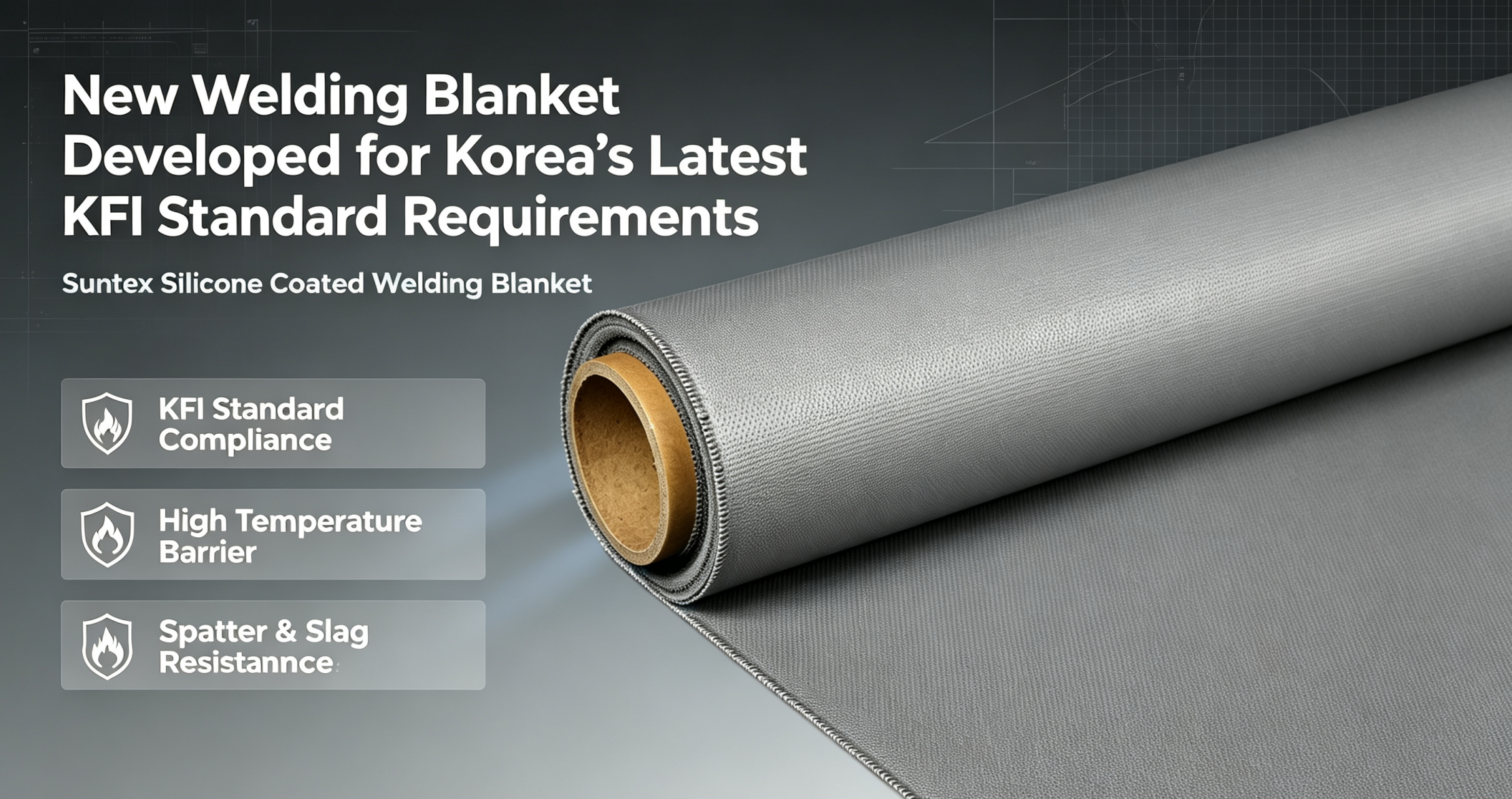
New Welding Blanket Developed for Korea’s Latest KFI Standard Requirements Suntex launches upgraded grey silicone-coated fiberglass welding blankets fully compliant with Korea’s latest KFI fire safety standards for hot work. Made of premium grey silicone coated fiberglass rolls, our blankets deliver reliable protection against welding sparks, molten slag, and high heat for welding, cutting, and […]
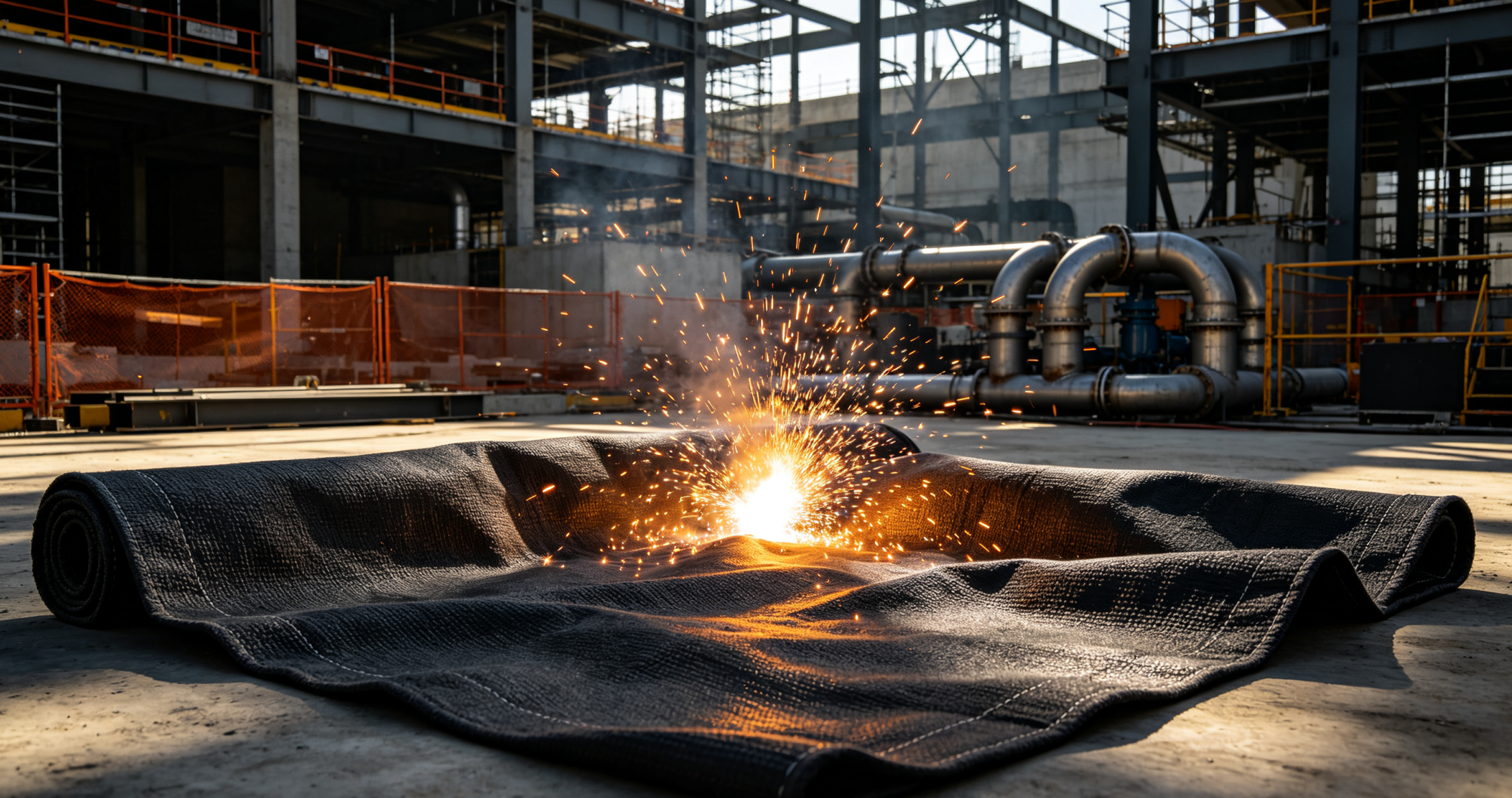
In the high-stakes environment of Japanese automotive manufacturing and precision machining, “good enough” is never enough. When a single stray spark can lead to costly downtime or compromise the integrity of automated assembly lines, the quality of your protective gear is a direct reflection of your operational safety standards. For facilities prioritizing fire prevention and […]
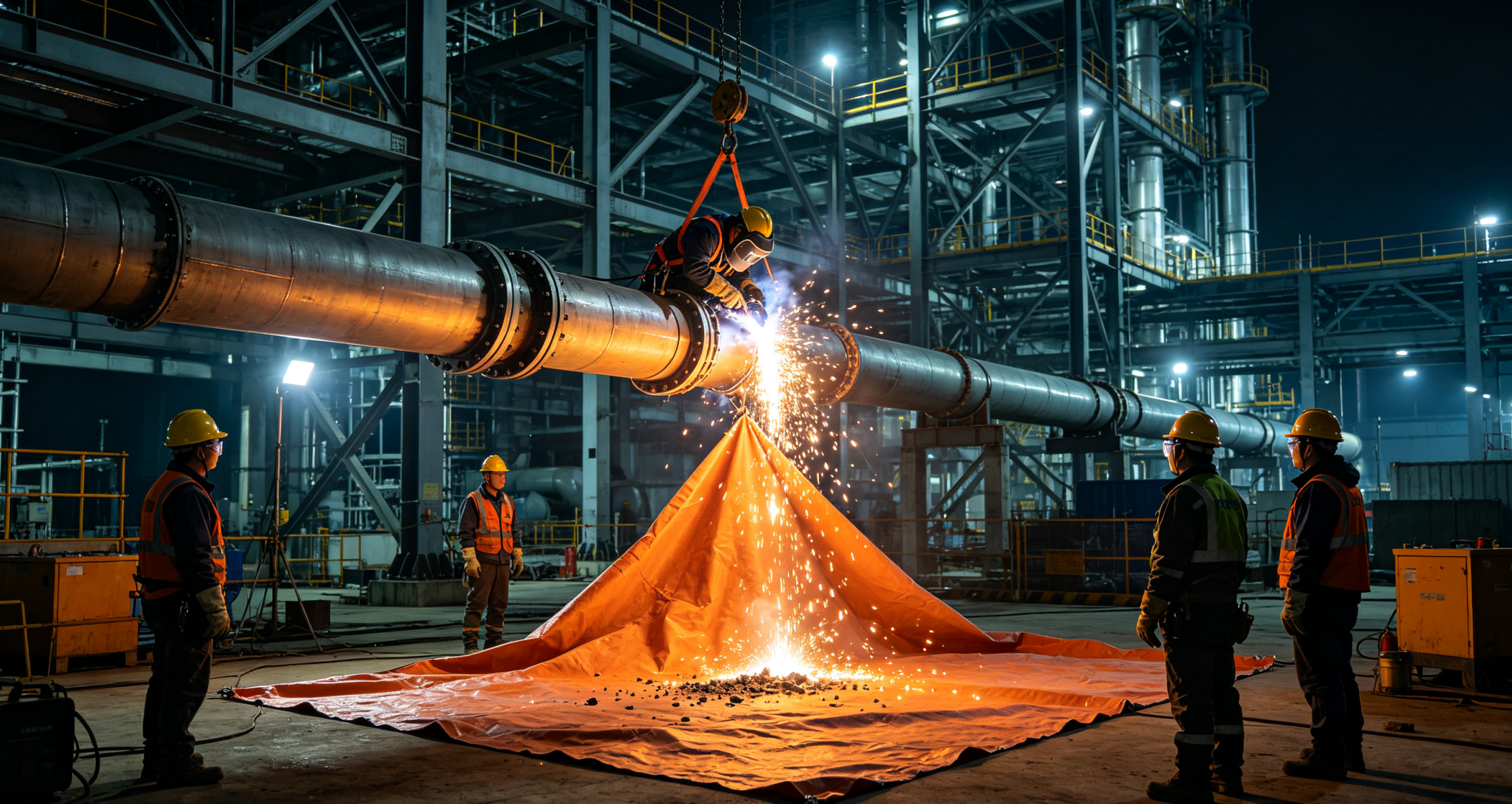
Welding sparks trigger most construction site fires. Even standardized operating procedures carry hidden risks if low-performance flame-retardant fabrics are used. Recent frequent construction fires sound alarms for hot work safety. Most welding-caused blazes stem from inadequate high-temperature slag shielding and substandard fire-resistant materials, rather than improper operation alone. Welding arcs hit over 6,000°C, with flying […]
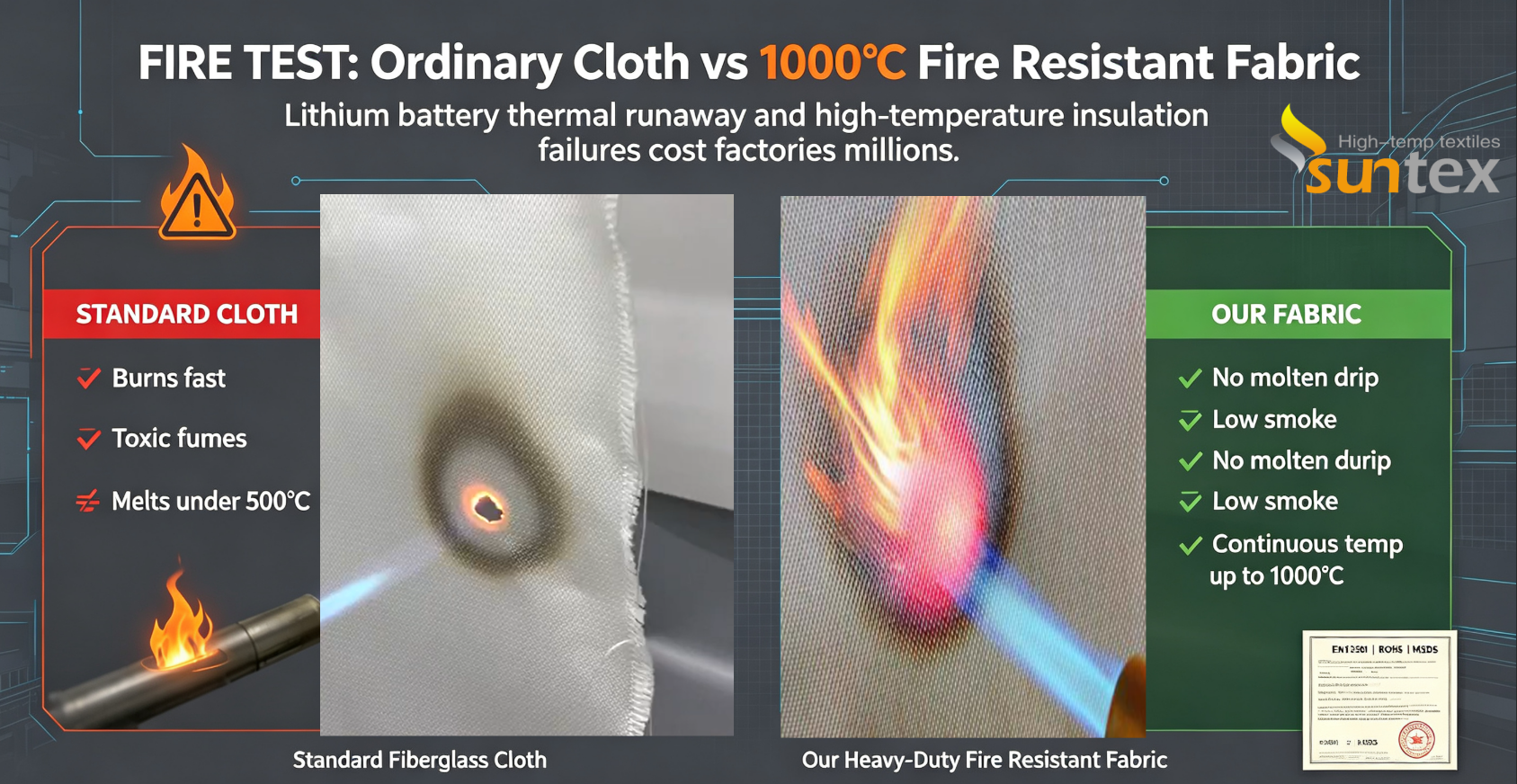
The Hidden Cost of Inferior Thermal Insulation Lithium battery thermal runaway and industrial high-temperature insulation failures frequently trigger factory fires, unplanned shutdowns and massive economic losses. Most of these accidents stem from low-performance standard insulation materials, rather than major equipment faults. Substandard fiberglass cloth fails under high heat, accelerating fire spread and causing costly industrial […]


 English
 Arabic
 Dutch
Dutch French
 German
 Italian
 Polish
 Portuguese
 Russian
 Spanish