

Lithium Batteries Are No Joke: What You Need to Know to Stay Safe
If you’ve seen the video—an electric bike bursting into flames, this time just downstairs—you’ve probably asked yourself the same question:
What would I do if it happened to me?
Lithium batteries power much of our daily micro-mobility, from e-bikes and scooters to e-skateboards. They’re convenient, efficient, and increasingly common. But when they fail, they fail fast and ferociously.
Unlike ordinary fires, lithium battery fires are chemical. Water won’t put them out. In many cases, water can even make things worse.
So before you charge that battery overnight in the hallway or park your e-scooter next to the office exit, here’s a quick science-backed safety checklist for riders, commuters, and facility managers alike.
✅ If you see smoke or fire: stay calm, act fast
Do not try to outrun the scooter indoors. Move away immediately. Lithium batteries can escalate from smoke to explosive flame in seconds.
🚫 Don’t use water
Standard tap water can react with lithium compounds and spread the fire. Instead, use:
A Class ABC fire extinguisher (common for general use), or
A Suntex car fire blanket or a similar lithium-specific fire blanket, if available.
🚪 Evacuate and contain
Warn others nearby.
If safe to do so, close doors behind you to help contain oxygen and slow fire spread.
Call emergency services immediately.
🧯 After the fire
Do not touch damaged batteries. They may still be unstable.
Leave handling, removal, and disposal to trained professionals.
Report the incident to the brand and local safety authorities (e.g., fire marshal, Consumer Product Safety Commission).
Prevention: better than any fire blanket
Most battery fires don’t come out of nowhere. They are often linked to:
Cheap or mismatched chargers – Always use the original or certified replacement.
Physical damage – If a battery is dented, swollen, or has been dropped hard, replace it.
Overcharging – Don’t leave batteries charging unattended for hours, especially overnight.
Blocking exits – Never charge devices in hallways, stairwells, or near emergency exits.
We love micro-mobility. It’s fast, green, and liberating. But love it responsibly.
Check your charger. Inspect your battery. And remember: a few seconds of fire is all it takes to change everything.
Stay safe. Ride smart. And don’t ignore the risk.
Contact Details
Suntex Composite Industrial Co., Ltd.
Contact Person: Mr. Jason Hu
Tel: +86 132 0712 7986

Send your inquiry directly to us
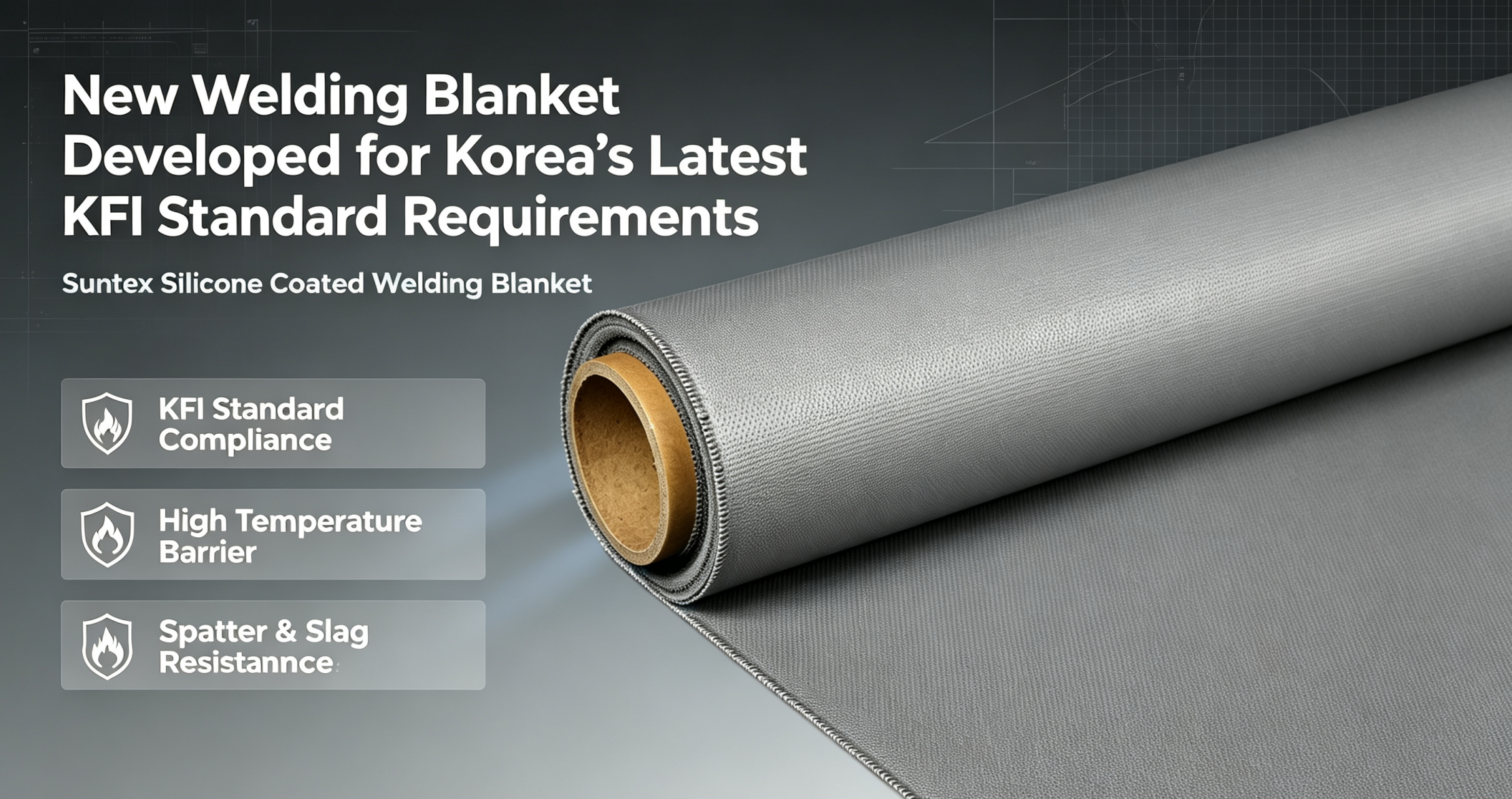
New Welding Blanket Developed for Korea’s Latest KFI Standard Requirements Suntex launches upgraded grey silicone-coated fiberglass welding blankets fully compliant with Korea’s latest KFI fire safety standards for hot work. Made of premium grey silicone coated fiberglass rolls, our blankets deliver reliable protection against welding sparks, molten slag, and high heat for welding, cutting, and […]
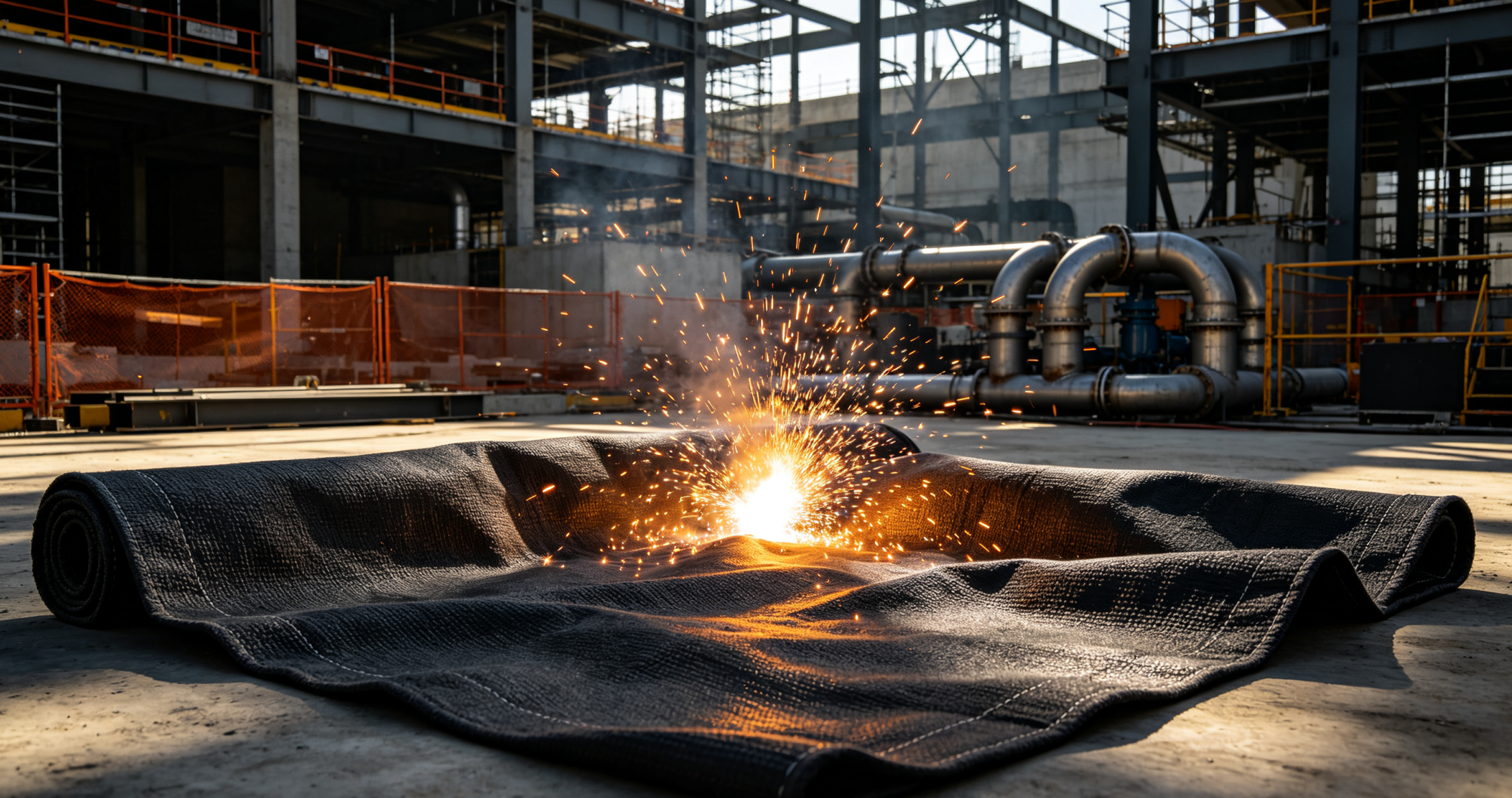
In the high-stakes environment of Japanese automotive manufacturing and precision machining, “good enough” is never enough. When a single stray spark can lead to costly downtime or compromise the integrity of automated assembly lines, the quality of your protective gear is a direct reflection of your operational safety standards. For facilities prioritizing fire prevention and […]
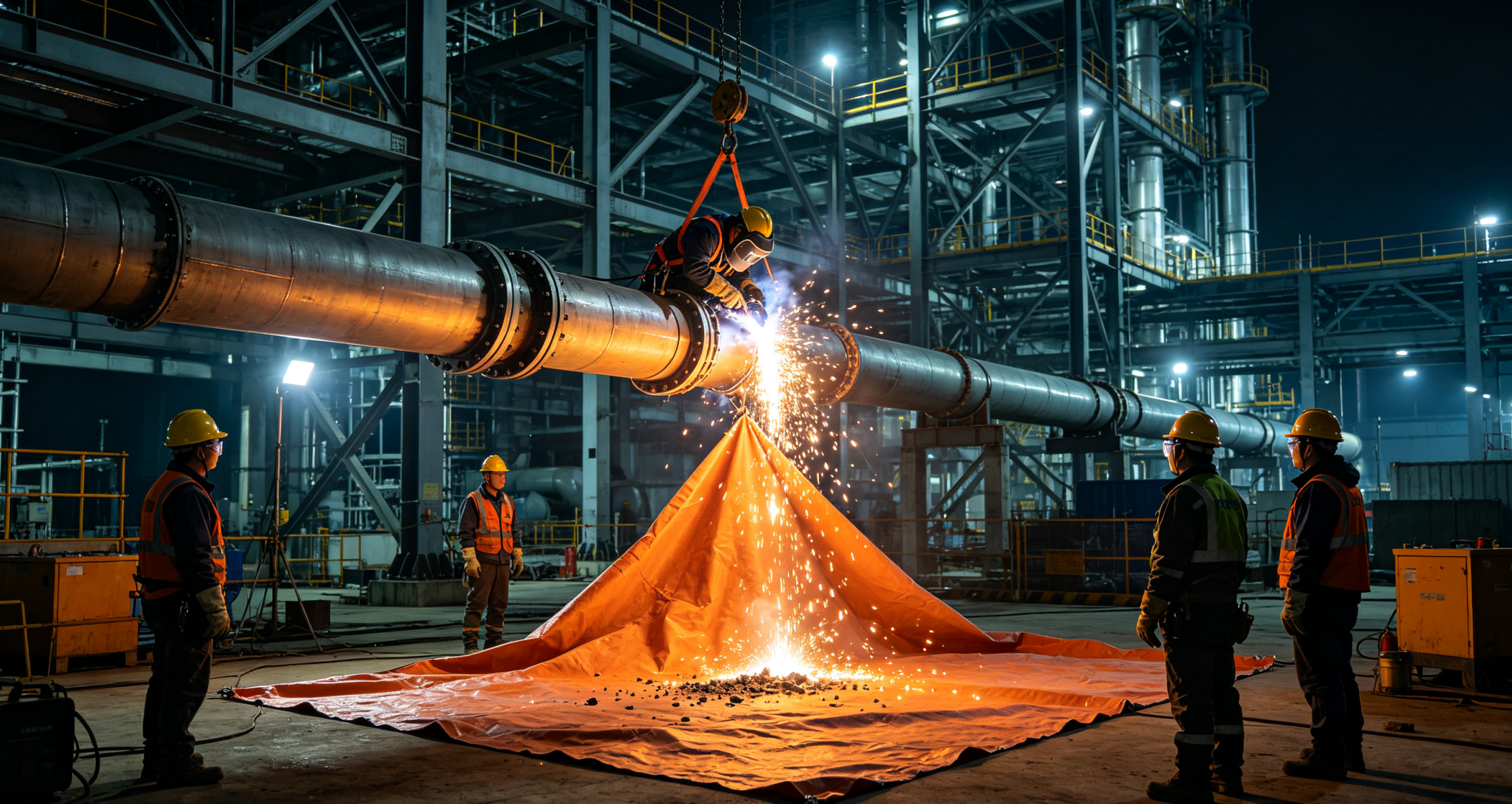
Welding sparks trigger most construction site fires. Even standardized operating procedures carry hidden risks if low-performance flame-retardant fabrics are used. Recent frequent construction fires sound alarms for hot work safety. Most welding-caused blazes stem from inadequate high-temperature slag shielding and substandard fire-resistant materials, rather than improper operation alone. Welding arcs hit over 6,000°C, with flying […]
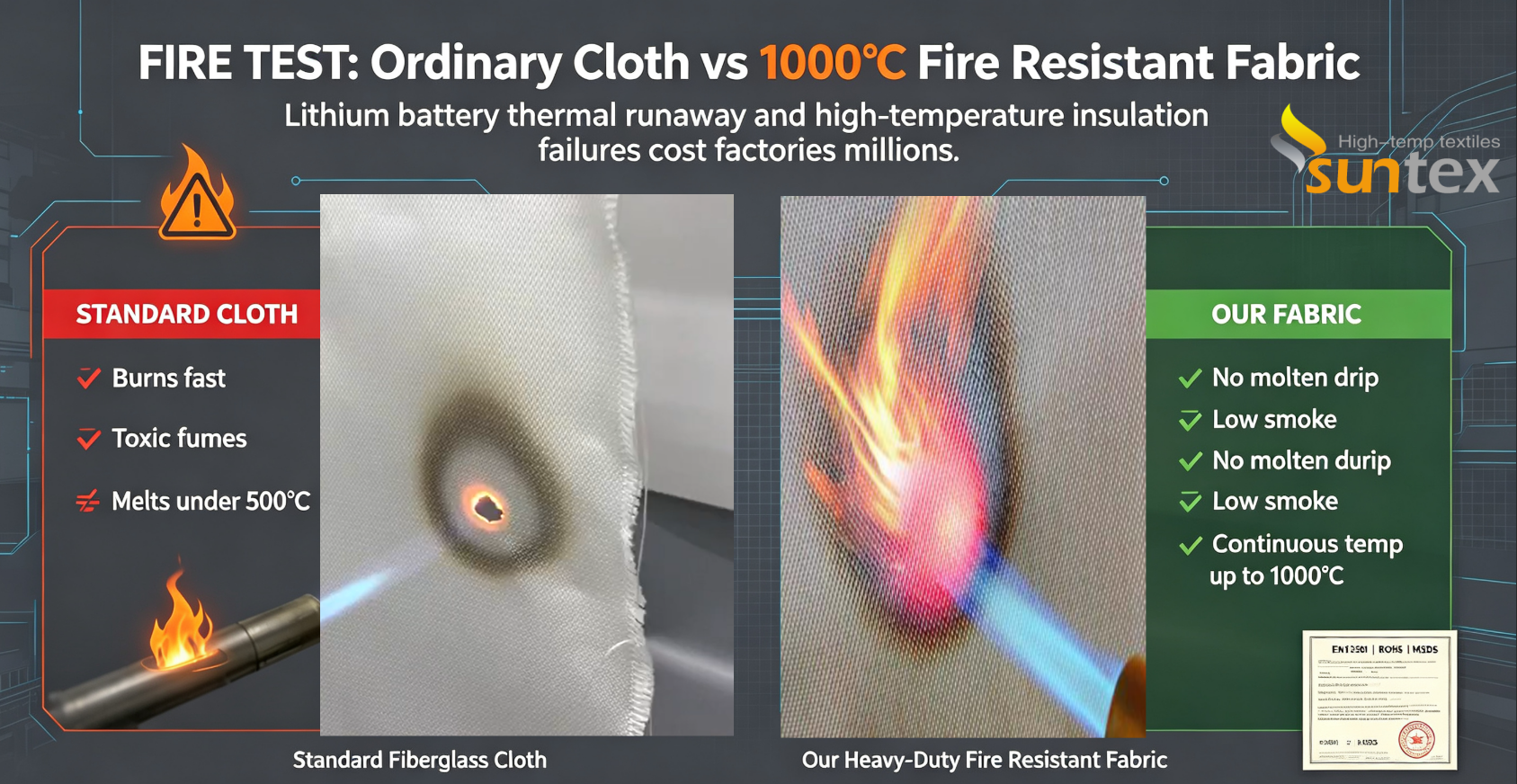
The Hidden Cost of Inferior Thermal Insulation Lithium battery thermal runaway and industrial high-temperature insulation failures frequently trigger factory fires, unplanned shutdowns and massive economic losses. Most of these accidents stem from low-performance standard insulation materials, rather than major equipment faults. Substandard fiberglass cloth fails under high heat, accelerating fire spread and causing costly industrial […]


 English
 Arabic
 Dutch
Dutch French
 German
 Italian
 Polish
 Portuguese
 Russian
 Spanish