

Planning a bulk purchase of silicone coated fiberglass fabric?
The Ultimate Guide to Bulk Buying Silicone Coated Fiberglass Fabric


Our guide covers critical factors like quality assessment, cost analysis, and how to choose a reliable supplier for your B2B needs.
Why Your Bulk Procurement Decision Matters

For industrial manufacturers, protective equipment producers, and construction contractors, sourcing high-performance materials is a strategic task. When your project requires a material that excels under extreme heat, flame, and weather conditions, silicone coated fiberglass fabric often emerges as the premier choice. However, a bulk purchase is more than just a transaction; it’s a long-term investment in your supply chain stability, product consistency, and ultimately, the performance of your own goods. This guide is designed to be your comprehensive resource, helping you navigate the complexities of bulk procurement to ensure maximum return on your investment.
Part 1: Deep Dive – What is Silicone Coated Fiberglass Fabric?
At its core, this material is a composite of two key components:
The Base: Fiberglass Fabric – Known for its incredible tensile strength, dimensional stability, and non-combustible nature. The weave style and thickness determine the final product’s durability and flexibility.
The Coating: Silicone Rubber – This is what gives the fabric its superstar properties, including exceptional resistance to high temperatures, UV radiation, moisture, and a wide range of chemicals.
Key Properties & Benefits for Industrial Buyers:
Extreme Temperature Resistance: Withstanding a continuous range from -70°C to +550°C , it is ideal for high-temperature applications like welding protection, thermal insulation, and expansion joints.
Excellent Flame Retardancy: It inherently meets various international safety standards , making it a safe choice for demanding environments.
Superior Weather & Chemical Resistance: It resists degradation from sunlight, ozone, rain, and many acids and alkalis, ensuring a long service life.
High Tear Strength & Flexibility: This combination ensures the fabric can withstand rigorous use without failing, providing reliable performance batch after batch.

Part 2: The Procurement Core – 5 Essential Factors for Bulk Buying
When ordering in volume, moving beyond the basic datasheet is crucial. Here are the five factors that demand your attention:
1. Material Specifications & Consistency
Understand the product datasheet: weight (GSM), thickness, tensile strength, and silicone coating content. For bulk purchasing, consistency across different production batches is non-negotiable. Inconsistent material can cause downtime and defects in your production line.
2. Certifications & Regulatory Compliance
A reputable supplier will hold relevant certifications such as ISO 9001 for quality management, along with product-specific certifications like UL and ROHS. These are your assurance of standardized, scalable manufacturing processes and help you mitigate compliance risks.
3. Customization Capability & Flexibility
Can the supplier meet your specific needs? Whether it’s a custom color for brand identification, a specific width to minimize waste, or a unique coating formulation, a supplier’s flexibility can significantly optimize your material usage and total cost.
4. Production Capacity & Supply Stability
Always inquire about the supplier’s monthly/annual capacity, inventory levels, and average lead times. For bulk orders, you must be confident that your supplier can reliably meet your demand without disruption, safeguarding your project timelines.
5. Quality Control & Testing Protocols
A professional partner will have rigorous QC procedures in place—from raw material inspection to in-process checks and final product testing. For bulk buyers, request Certificates of Analysis (CoA) or test reports with each shipment to ensure unwavering quality.

Part 3: Cost Analysis – Looking Beyond the Unit Price
The true cost of your bulk purchase is like an iceberg. The unit price is only the visible tip.
The “Iceberg” of Total Cost:
Above the water (Visible): Product Unit Price
Below the water (Hidden): Shipping & Logistics, inventory carrying costs, downtime from quality issues, procurement management time.
Optimizing Total Cost through Bulk Procurement:
Leverage economies of scale for better pricing.
Establish long-term partnerships for favorable payment terms and priority supply.
Reduce administrative and logistical overhead by consolidating orders.
Part 4: How to Vet a Qualified Bulk Supplier
Selecting the right partner is as important as selecting the right material.
Evaluate “Hardware”: Assess the supplier’s manufacturing facilities, the advancement of their production equipment, and their R&D capabilities.
Question “Software”: Gauge the responsiveness, professionalism, and technical support ability of the
Contact Details
Suntex Composite Industrial Co., Ltd.
Contact Person: Mr. Jason Hu
Tel: +86 132 0712 7986

Send your inquiry directly to us
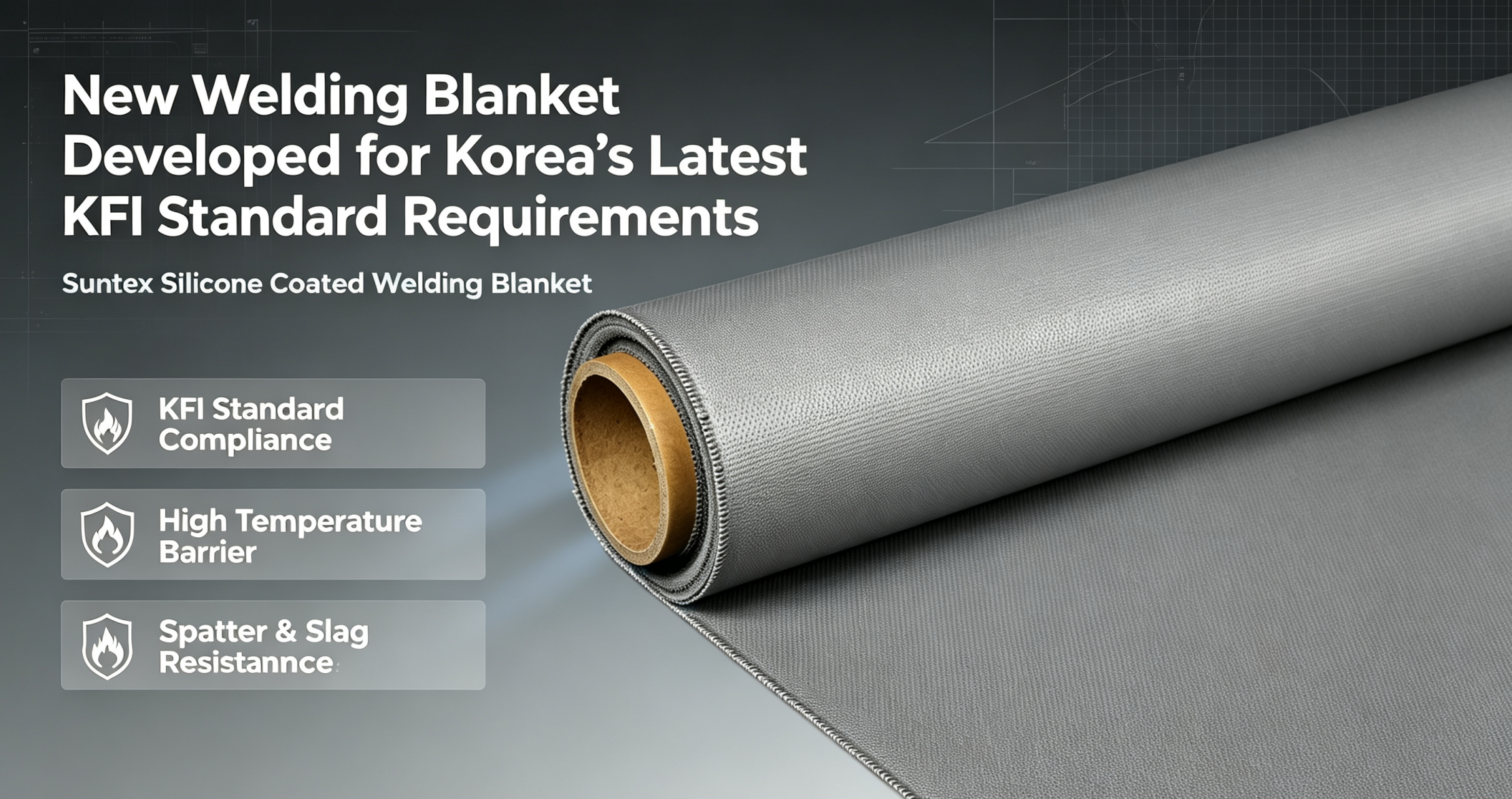
New Welding Blanket Developed for Korea’s Latest KFI Standard Requirements Suntex launches upgraded grey silicone-coated fiberglass welding blankets fully compliant with Korea’s latest KFI fire safety standards for hot work. Made of premium grey silicone coated fiberglass rolls, our blankets deliver reliable protection against welding sparks, molten slag, and high heat for welding, cutting, and […]
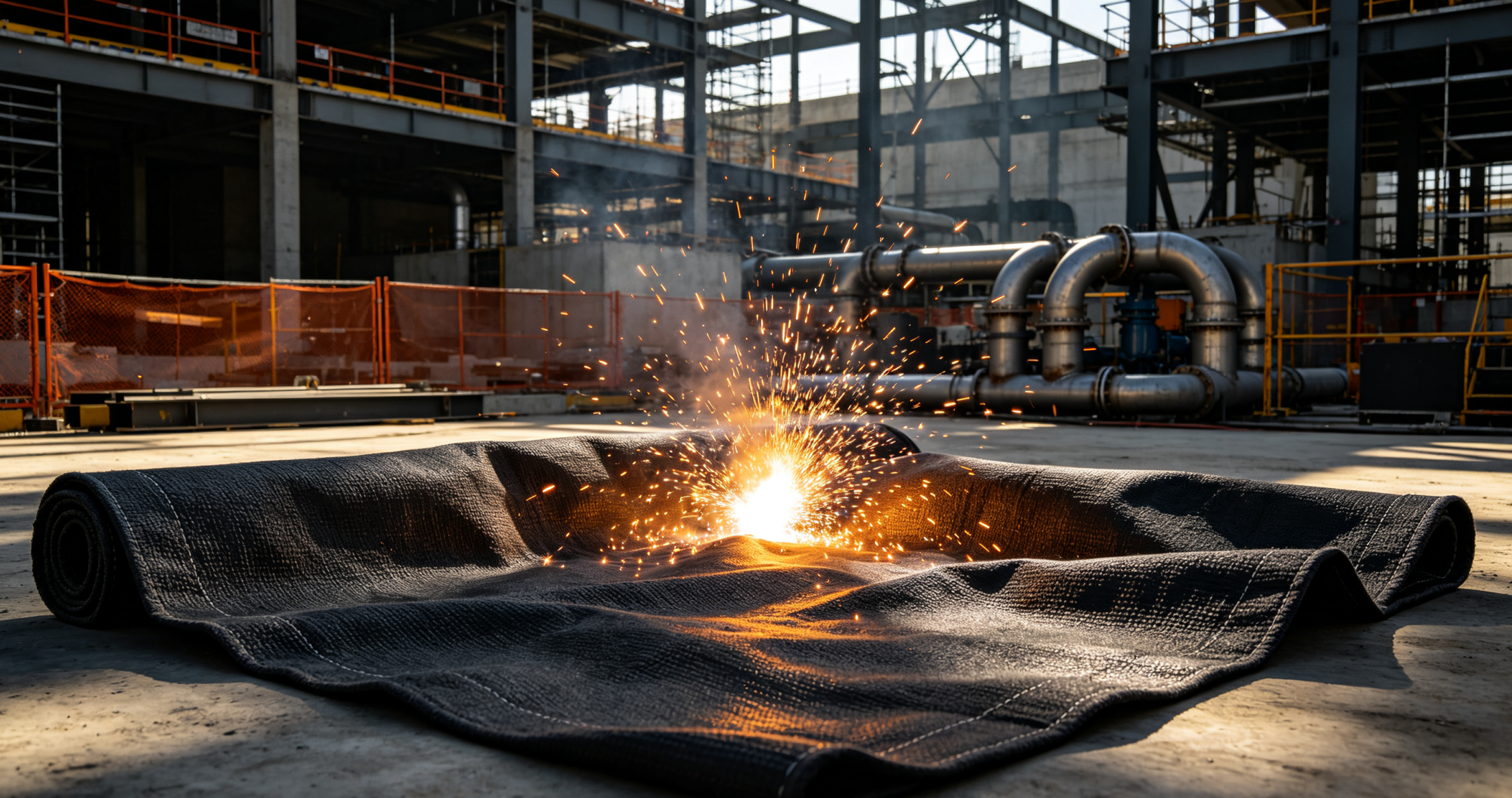
In the high-stakes environment of Japanese automotive manufacturing and precision machining, “good enough” is never enough. When a single stray spark can lead to costly downtime or compromise the integrity of automated assembly lines, the quality of your protective gear is a direct reflection of your operational safety standards. For facilities prioritizing fire prevention and […]
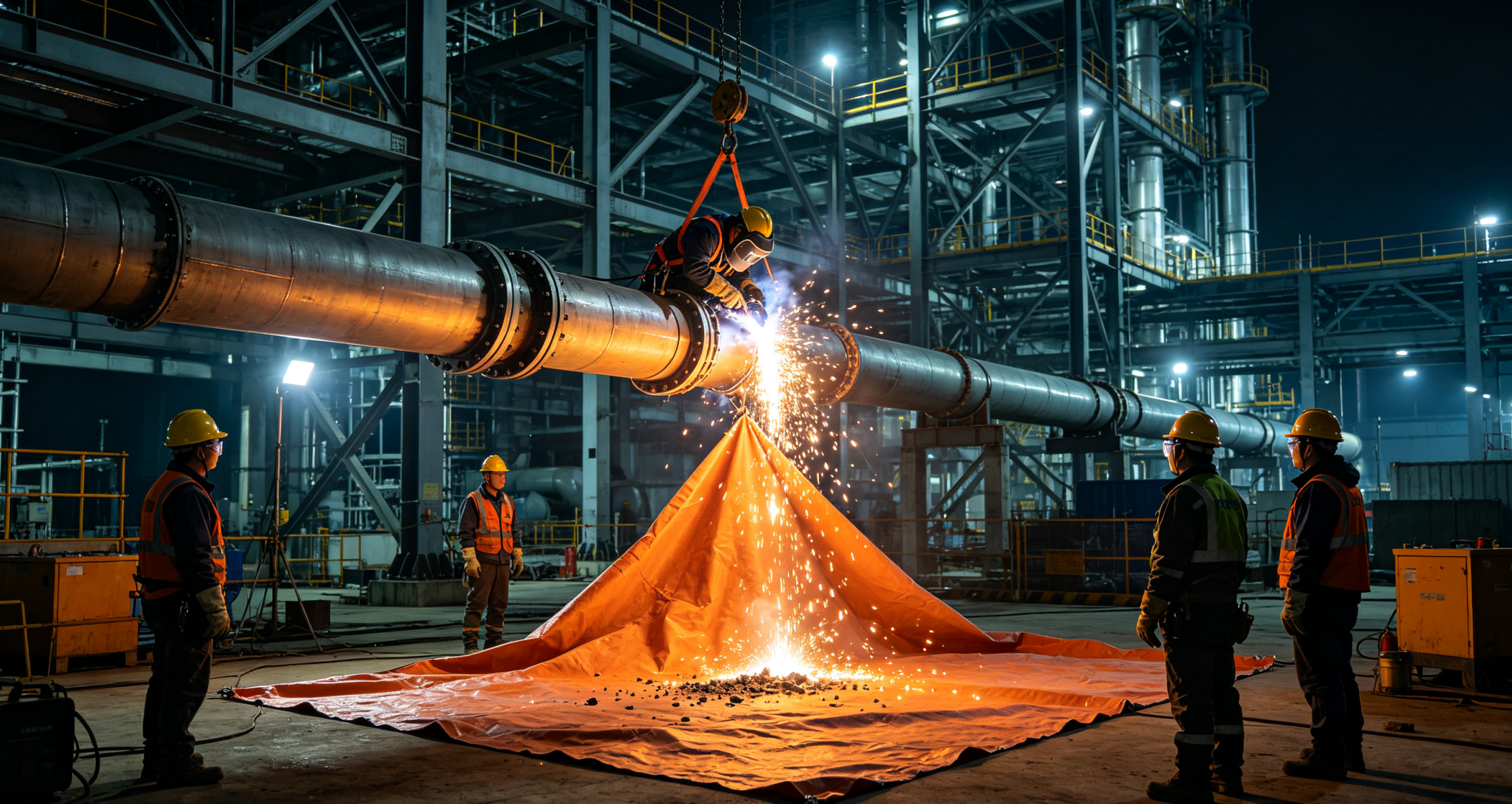
Welding sparks trigger most construction site fires. Even standardized operating procedures carry hidden risks if low-performance flame-retardant fabrics are used. Recent frequent construction fires sound alarms for hot work safety. Most welding-caused blazes stem from inadequate high-temperature slag shielding and substandard fire-resistant materials, rather than improper operation alone. Welding arcs hit over 6,000°C, with flying […]
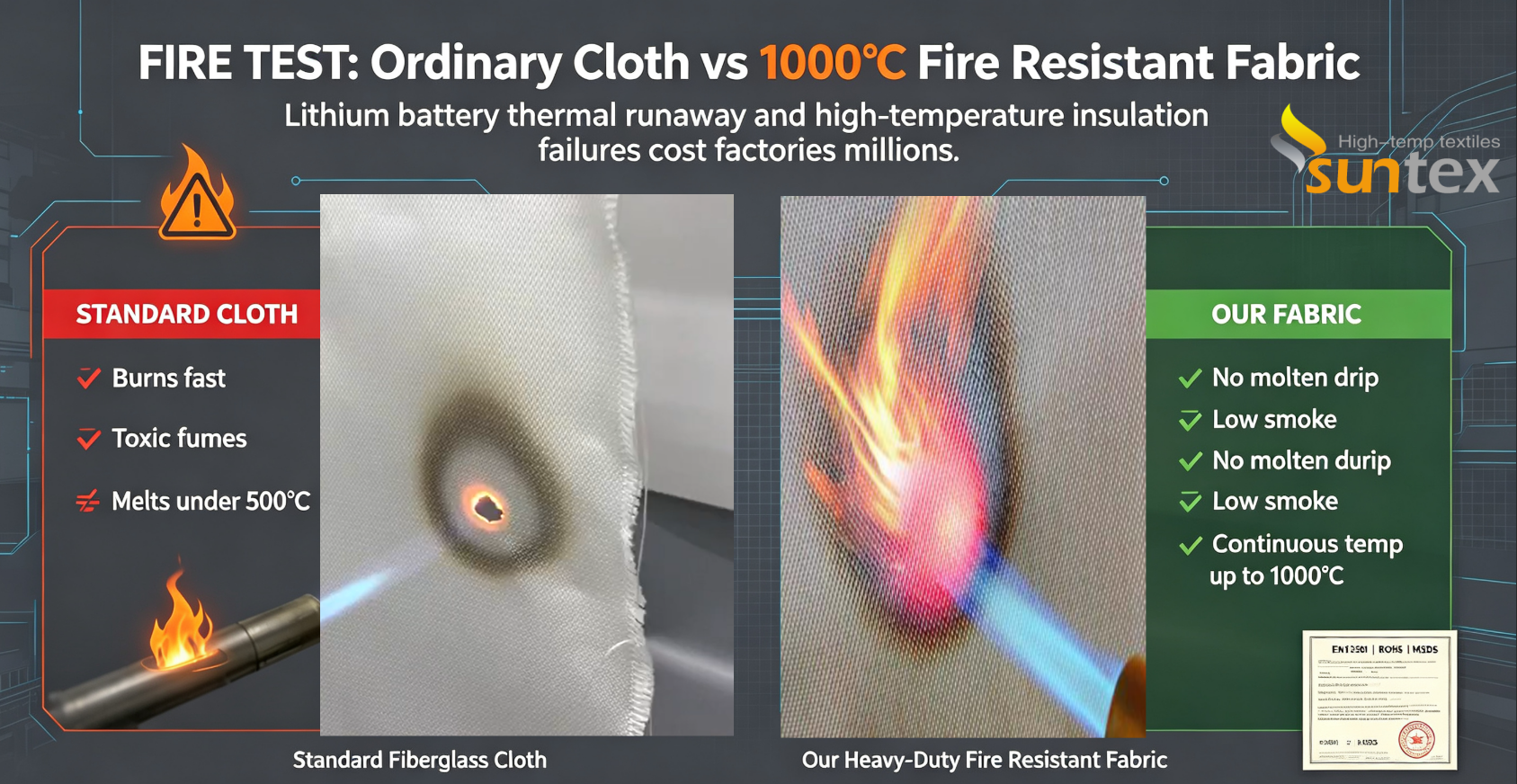
The Hidden Cost of Inferior Thermal Insulation Lithium battery thermal runaway and industrial high-temperature insulation failures frequently trigger factory fires, unplanned shutdowns and massive economic losses. Most of these accidents stem from low-performance standard insulation materials, rather than major equipment faults. Substandard fiberglass cloth fails under high heat, accelerating fire spread and causing costly industrial […]


 English
 Arabic
 Dutch
Dutch French
 German
 Italian
 Polish
 Portuguese
 Russian
 Spanish