

Potential Safety Hazards and Key Precautions in Welding Operations!

As a critical industrial process, welding is widely used in modern industrial production and daily life. However, if operators neglect safety precautions or violate safety operating procedures during welding, they may create fire hazards.
Welding is classified as hot work. Violations such as performing hot work during business hours, operating without a hot work permit, working without proper certification, handling flammable or explosive materials during operations, and failing to provide appropriate firefighting equipment are all considered non-compliant practices. These significantly increase the risk of fire or explosion.

During welding operations, molten metal sparks can scatter in all directions. Careless operation can easily lead to fires. Electric welding is an open-flame operation, with arc temperatures typically reaching 3,600–6,000°C, posing risks of high temperatures, high pressure, and flammability or explosiveness.
The extensive high-temperature sparks and slag generated during welding can smolder and spread upon contact with combustibles such as wood, leading to fires. Contact with explosive gases may trigger explosions.
The power cables connected to welding machines are frequently dragged during operation, which can cause insulation aging and damage, resulting in short circuits that may ignite nearby combustible materials.
Given these safety hazards, how can we prevent fires caused by electric welding?
Contact Details
Suntex Composite Industrial Co., Ltd.
Contact Person: Mr. Jason Hu
Tel: +86 132 0712 7986

Send your inquiry directly to us
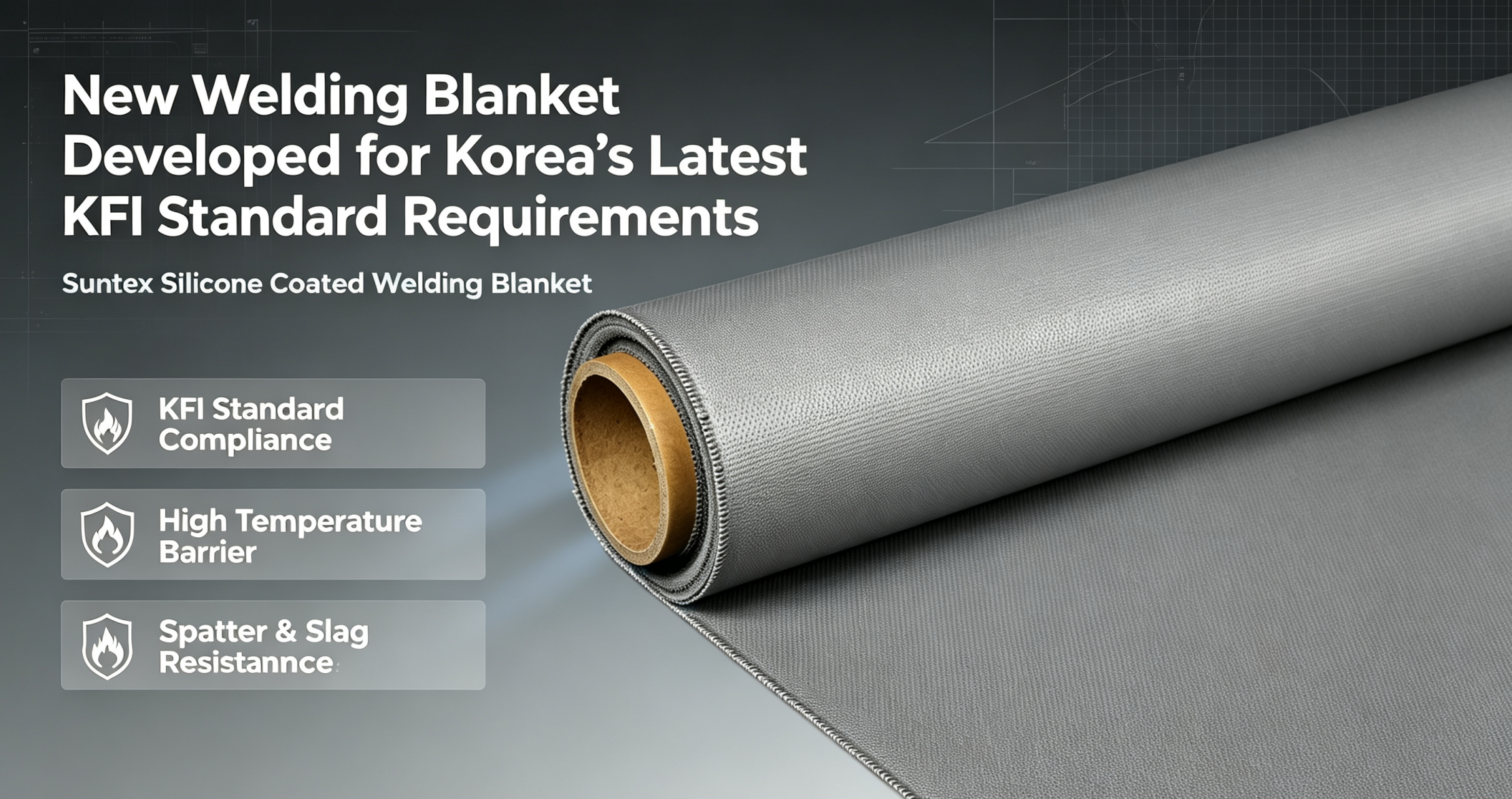
New Welding Blanket Developed for Korea’s Latest KFI Standard Requirements Suntex launches upgraded grey silicone-coated fiberglass welding blankets fully compliant with Korea’s latest KFI fire safety standards for hot work. Made of premium grey silicone coated fiberglass rolls, our blankets deliver reliable protection against welding sparks, molten slag, and high heat for welding, cutting, and […]
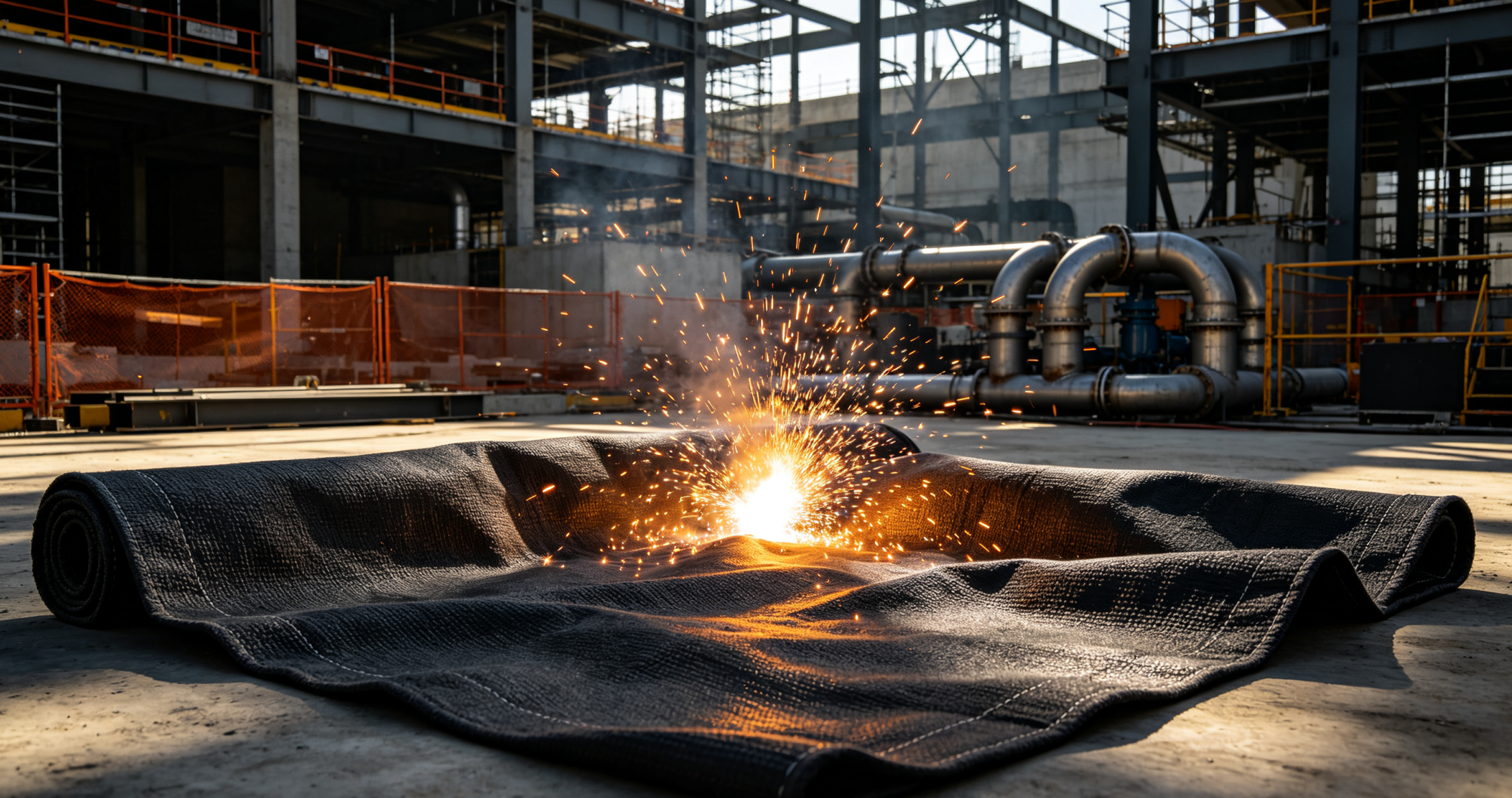
In the high-stakes environment of Japanese automotive manufacturing and precision machining, “good enough” is never enough. When a single stray spark can lead to costly downtime or compromise the integrity of automated assembly lines, the quality of your protective gear is a direct reflection of your operational safety standards. For facilities prioritizing fire prevention and […]
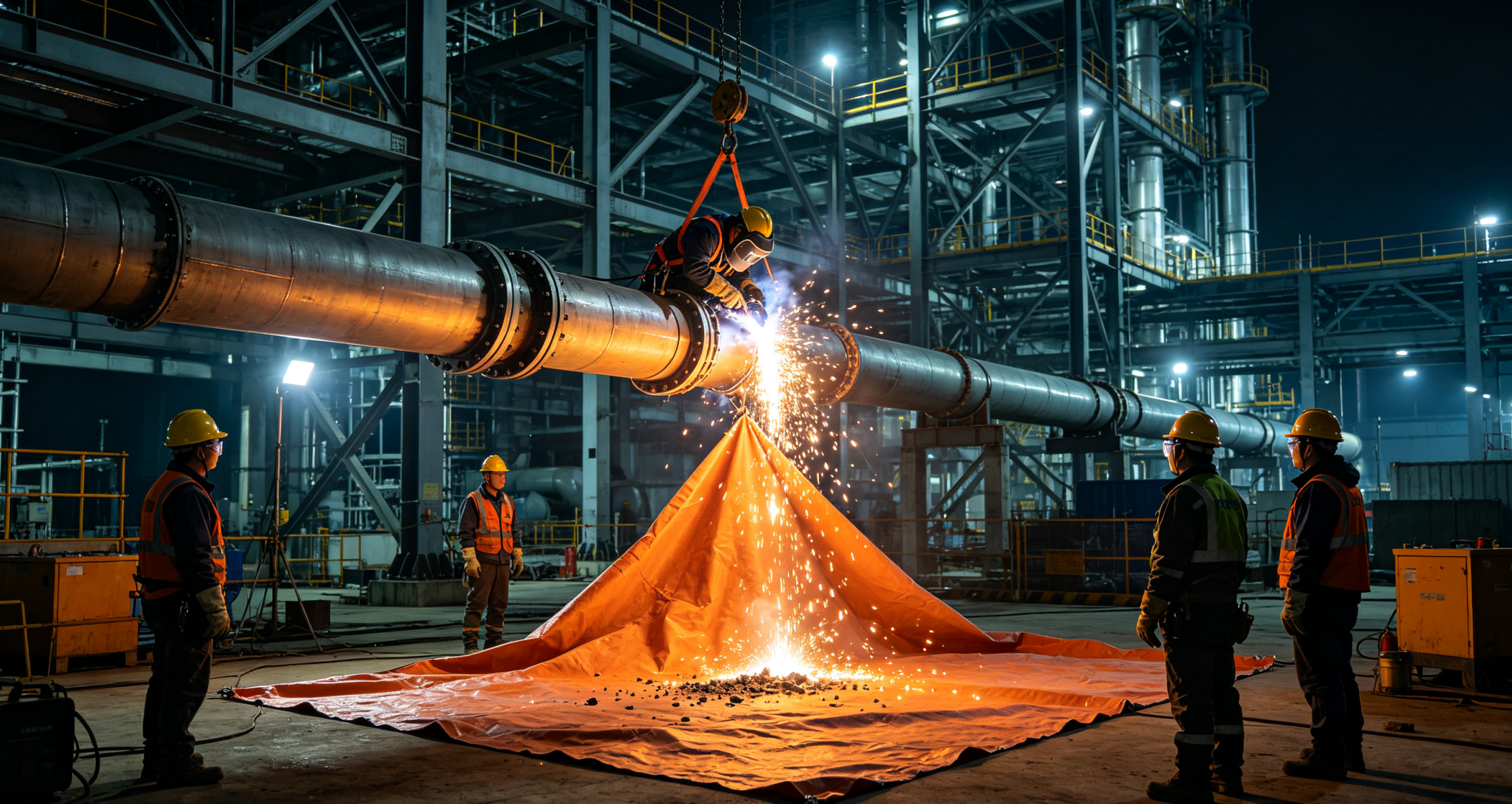
Welding sparks trigger most construction site fires. Even standardized operating procedures carry hidden risks if low-performance flame-retardant fabrics are used. Recent frequent construction fires sound alarms for hot work safety. Most welding-caused blazes stem from inadequate high-temperature slag shielding and substandard fire-resistant materials, rather than improper operation alone. Welding arcs hit over 6,000°C, with flying […]
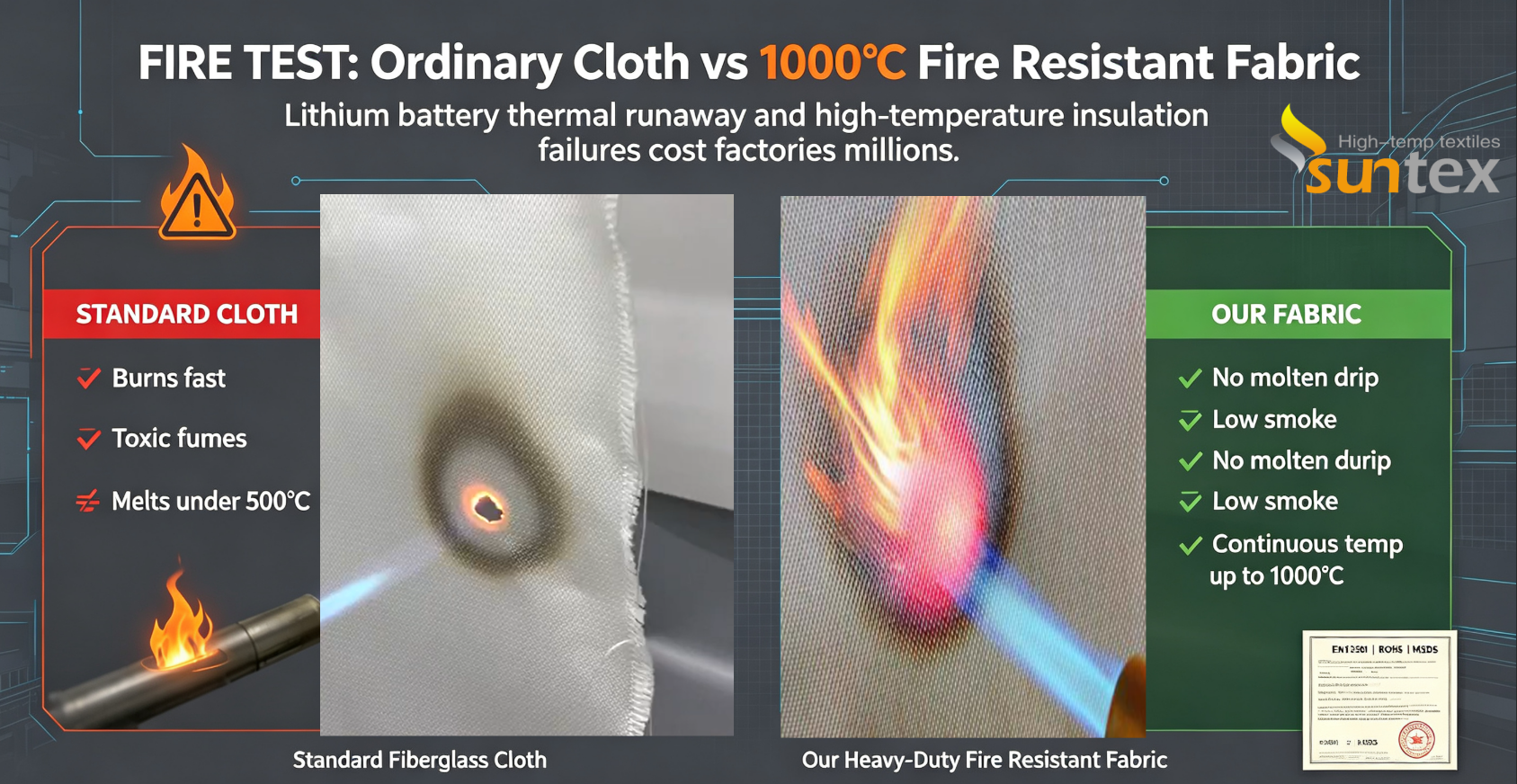
The Hidden Cost of Inferior Thermal Insulation Lithium battery thermal runaway and industrial high-temperature insulation failures frequently trigger factory fires, unplanned shutdowns and massive economic losses. Most of these accidents stem from low-performance standard insulation materials, rather than major equipment faults. Substandard fiberglass cloth fails under high heat, accelerating fire spread and causing costly industrial […]


 English
 Arabic
 Dutch
Dutch French
 German
 Italian
 Polish
 Portuguese
 Russian
 Spanish