

PTFE-coated fiberglass fabric boasts four major advantages: non-stick properties, low friction, resistance to almost all chemical corrosion, and high-temperature resistance. It is widely used in industry, and the following are its most mainstream and practical industrial applications:
PTFE-coated fiberglass fabric has a wide range of applications, mainly including:
1. Sealing and corrosion protection: Used for gaskets and sealing rings in valves, flanges, and pipes; as linings for equipment exposed to strong acids and alkalis; and as an anti-corrosion coating for chemical reactors and storage tanks.
2. Self-lubricating and wear-resistant parts: Such as mechanical sliders and guide rails, featuring low friction coefficient, high temperature resistance, and non-jamming/wear-resistant characteristics.
3. Electronics and electrical industry: Used as insulation for high-frequency cables, and as insulation material for high-temperature wires, offering good insulation, high temperature resistance, and non-hygroscopic properties.
4. Textile and conveyor belt industry: Used for conveyor belts in high-temperature drying ovens, as well as high-temperature fabrics and heat-insulating fabrics in heat sealing machines.
5. Automotive and construction machinery: Used for engine and transmission seals, oil-resistant components in fuel and braking systems, as well as shock-absorbing, wear-resistant, and noise-reducing gaskets.
6. Hydraulic and pneumatic systems: Used for sealing pneumatic/hydraulic cylinder guide rings, etc.; high-end pneumatic components often rely on it.
7. Mold making, injection molding, and packaging: Used for non-stick coatings on plastic molds, and for heat-insulating and wear-resistant parts in 3D printers.
It’s found in virtually any application requiring corrosion resistance, high temperature resistance, smooth non-stick properties, and sealing and wear resistance.
Suntex PTFE Coated Fiberglass Fabric uses high-quality fiberglass cloth as the woven material. It is plain-weave or specially woven into a high-grade fiberglass cloth substrate, then thoroughly impregnated, soaked, and coated with high-quality polytetrafluoroethylene resin using a unique process to create a smooth, high-gloss, high-temperature resistant fabric. This fabric is wear-resistant, has a low coefficient of friction, and is corrosion-resistant. It maintains its physical form and is not easily deformed during processing at temperatures ranging from -70°C to 350°C. It can be used in food processing, packaging, conveyor belts, and fireproofing and heat insulation. It has good chemical stability and an extremely low coefficient of friction, allowing for continuous and stable use at 300°C. It is also suitable for sealing, thermal protection, and outdoor covering in extremely harsh acid and alkaline environments.
Contact Details
Suntex Composite Industrial Co., Ltd.
Contact Person: Mr. Jason Hu
Tel: +86 132 0712 7986

Send your inquiry directly to us
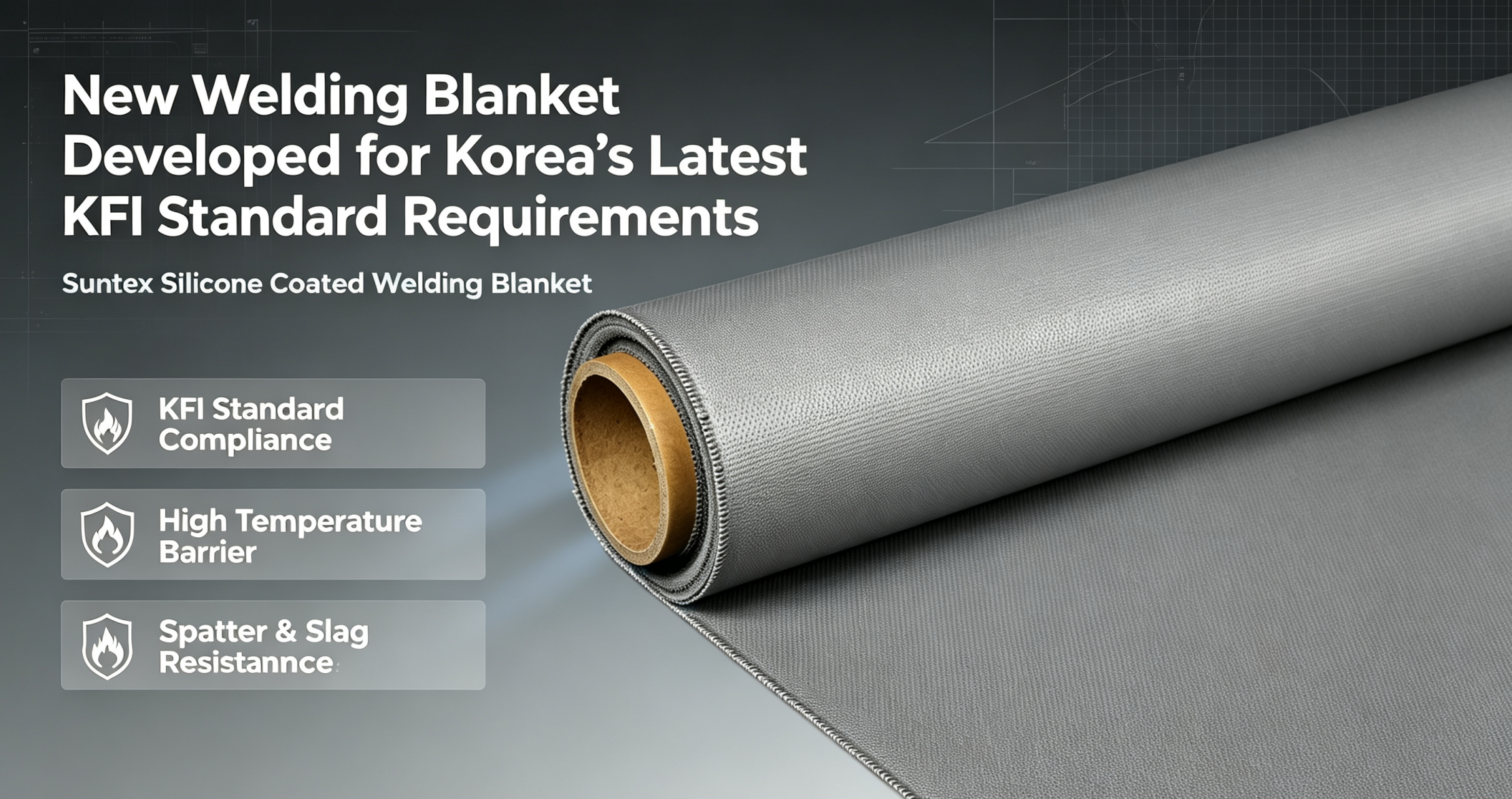
New Welding Blanket Developed for Korea’s Latest KFI Standard Requirements Suntex launches upgraded grey silicone-coated fiberglass welding blankets fully compliant with Korea’s latest KFI fire safety standards for hot work. Made of premium grey silicone coated fiberglass rolls, our blankets deliver reliable protection against welding sparks, molten slag, and high heat for welding, cutting, and […]
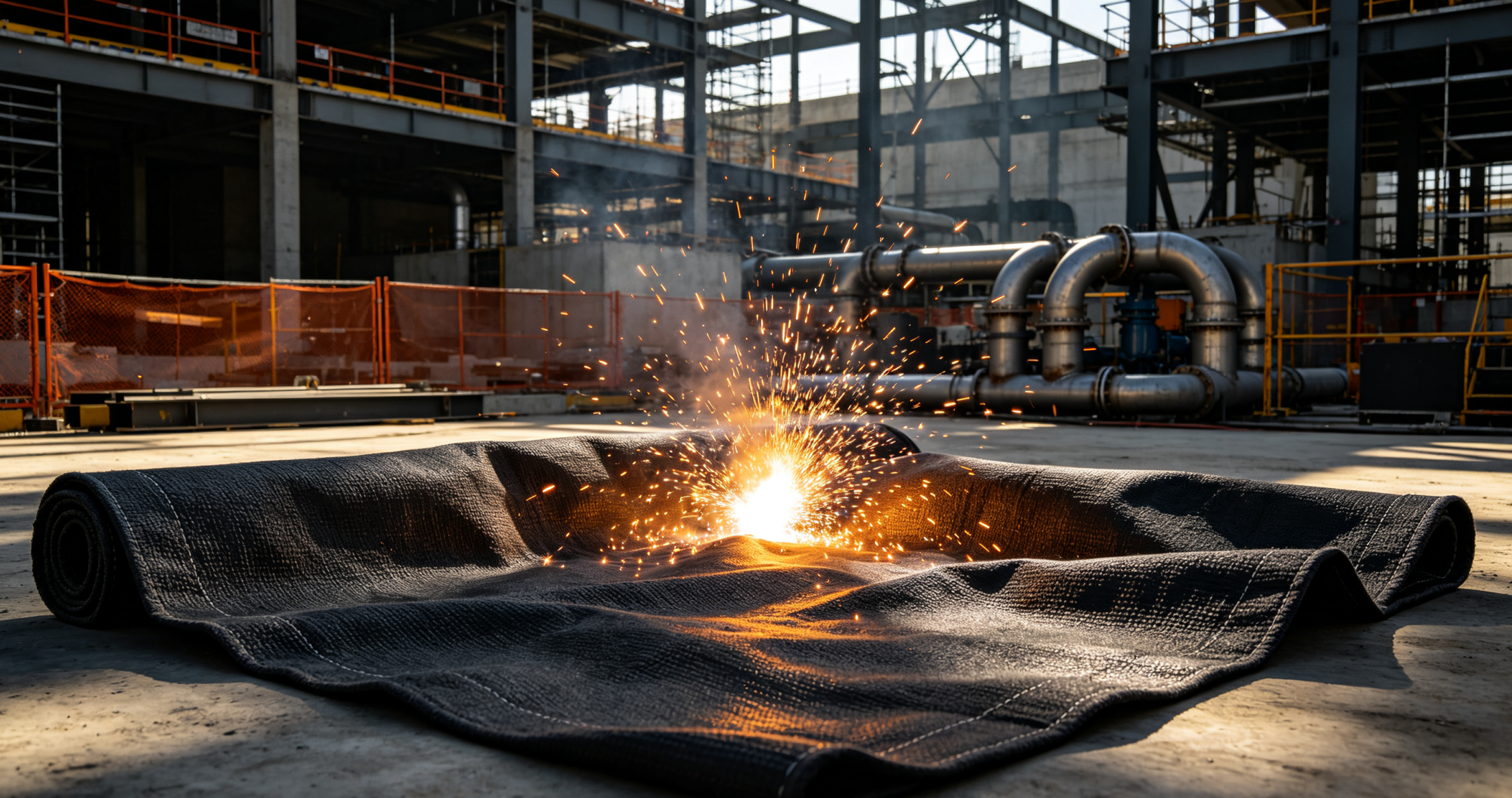
In the high-stakes environment of Japanese automotive manufacturing and precision machining, “good enough” is never enough. When a single stray spark can lead to costly downtime or compromise the integrity of automated assembly lines, the quality of your protective gear is a direct reflection of your operational safety standards. For facilities prioritizing fire prevention and […]
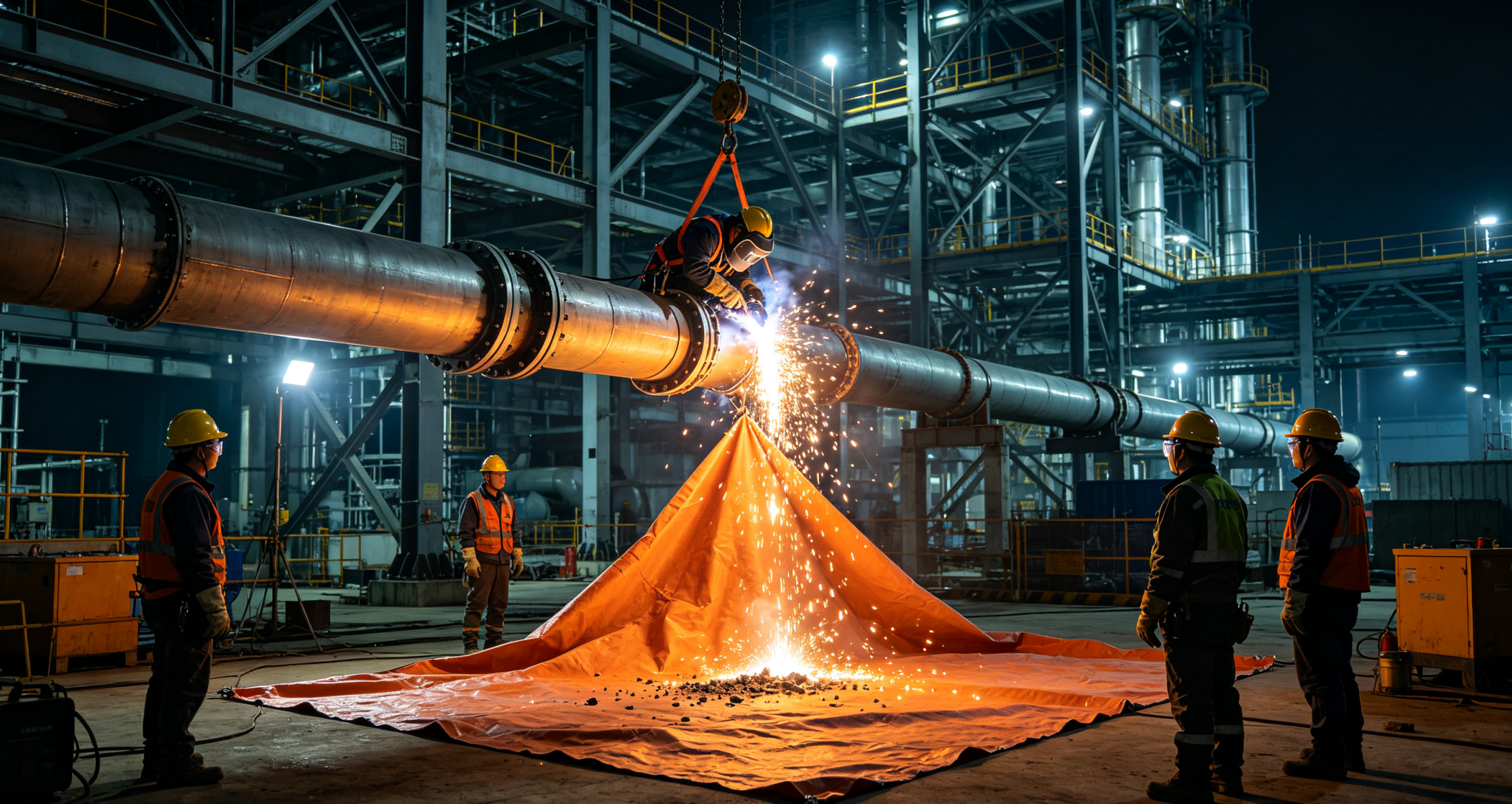
Welding sparks trigger most construction site fires. Even standardized operating procedures carry hidden risks if low-performance flame-retardant fabrics are used. Recent frequent construction fires sound alarms for hot work safety. Most welding-caused blazes stem from inadequate high-temperature slag shielding and substandard fire-resistant materials, rather than improper operation alone. Welding arcs hit over 6,000°C, with flying […]
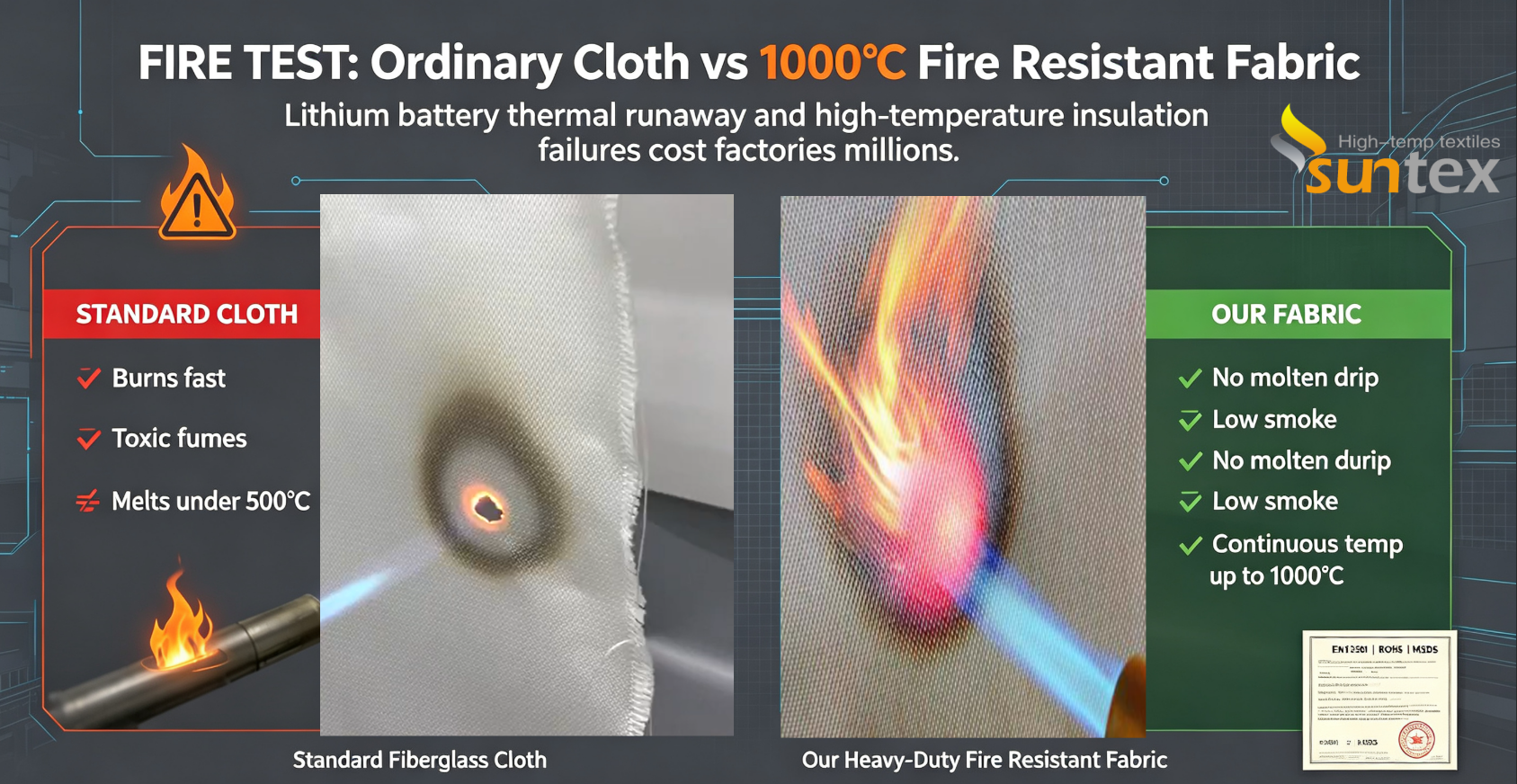
The Hidden Cost of Inferior Thermal Insulation Lithium battery thermal runaway and industrial high-temperature insulation failures frequently trigger factory fires, unplanned shutdowns and massive economic losses. Most of these accidents stem from low-performance standard insulation materials, rather than major equipment faults. Substandard fiberglass cloth fails under high heat, accelerating fire spread and causing costly industrial […]


 English
 Arabic
 Dutch
Dutch French
 German
 Italian
 Polish
 Portuguese
 Russian
 Spanish