

From Niche Gear to Must-Have: The Rise of the EV Car Fire Blanket
As safety concerns over electric vehicles continue to grow, the automotive fire blanket has rapidly evolved from a piece of specialized equipment into a trending topic among car owners. Dubbed a “safety essential,” these blankets are now at the center of discussions regarding new industry standards, real-world effectiveness, purchasing tips, and a smart-tech future.
For years, the market lacked uniform standards, leading to inconsistent product quality and confusion for consumers. That landscape is now shifting decisively.
In a major move toward standardization, the Automotive Fire Blanket group standard, released by the China Textile Engineering Society, took effect on February 1, 2026. This standard establishes clear technical requirements and testing methods. Furthermore, the China Fire Protection Association sought public feedback on a draft standard specifically for New Energy Vehicle Fire Blankets at the end of 2025, signaling that regulations tailored for EVs are on the horizon.
The core question on everyone’s mind is: Can these blankets truly stop an EV fire?
Given the high reignition risk and difficulty of extinguishing lithium-ion battery fires, effectiveness is paramount. Testing by Suntex provides compelling data. Their trials showed that deploying a fire blanket and controlling a blaze took less than two minutes. In contrast, using water alone required approximately 24 minutes and up to 20 tons of water. This dramatic difference in speed, water usage, and environmental impact has significantly boosted market confidence in fire blankets as a first-response tool.
For the average car owner faced with numerous options, knowing how to choose and use a blanket is critical. Current consensus highlights focusing on key features: high-temperature resistance (ratings over 1000°C are preferred), materials like fiberglass with silicone coating, and proper certification marks.
It’s also important to understand a fire blanket’s role. Suntex emphasizes that its value lies in “flame control, isolation, suppression of fire spread, and reduction of heat radiation.” It is not a cooling replacement; the internal chemical reactions within a battery still require professional monitoring and cooling efforts.
Looking ahead, the automotive fire blanket is transitioning from a simple passive device to a more intelligent, proactive safety tool. Industry research predicts the global reusable automotive fire blanket market will grow at a compound annual growth rate (CAGR) of 31.9% between 2025 and 2031.
Future iterations of the technology may integrate the Internet of Things (IoT) for remote monitoring. Imagine a blanket that can automatically trigger an alarm upon detecting a fire, buying precious moments for owners to react. As the technology matures and standards solidify, the fire blanket is poised to become an indispensable part of EV ownership.
Contact Details
Suntex Composite Industrial Co., Ltd.
Contact Person: Mr. Jason Hu
Tel: +86 132 0712 7986

Send your inquiry directly to us
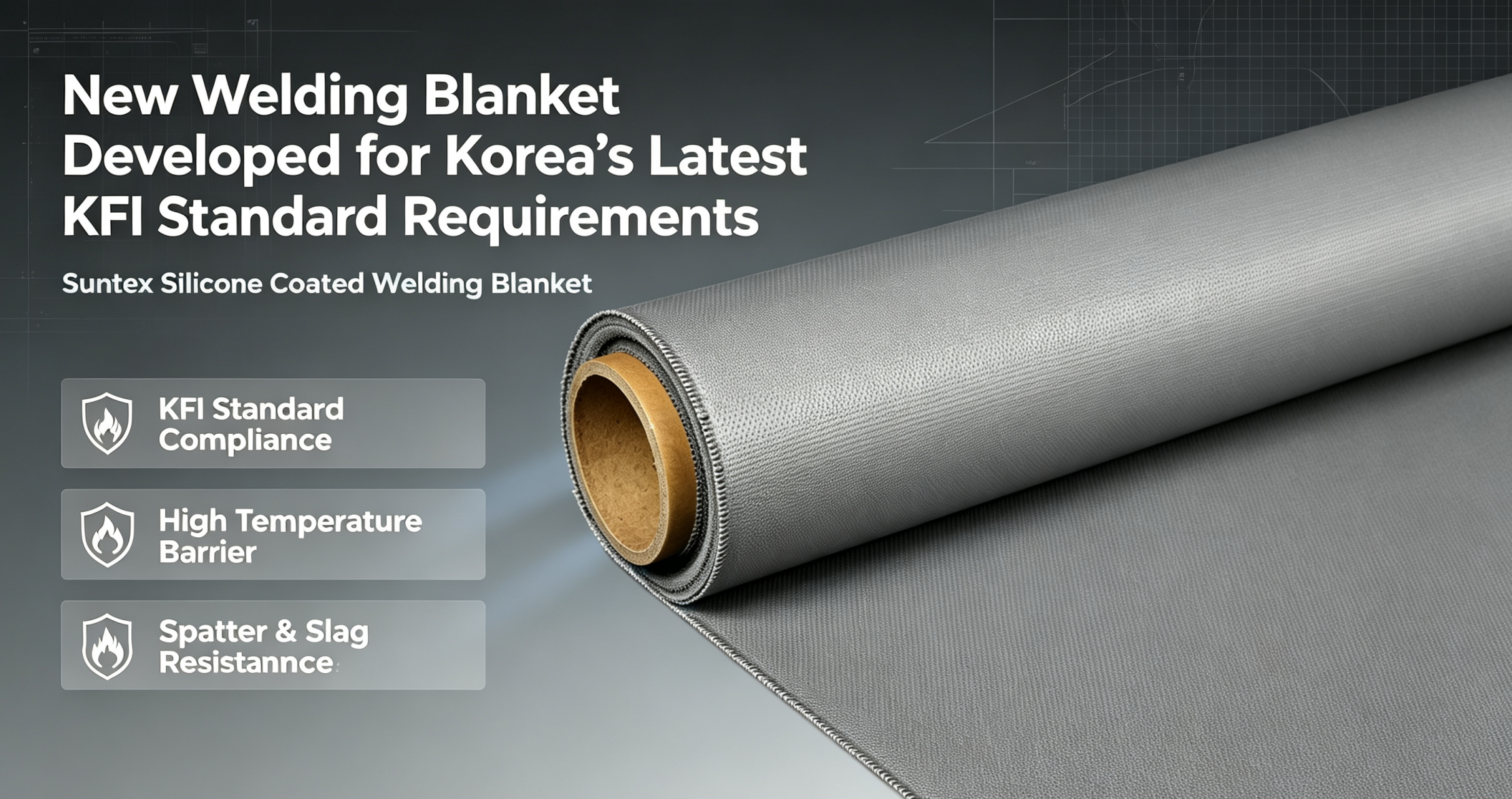
New Welding Blanket Developed for Korea’s Latest KFI Standard Requirements Suntex launches upgraded grey silicone-coated fiberglass welding blankets fully compliant with Korea’s latest KFI fire safety standards for hot work. Made of premium grey silicone coated fiberglass rolls, our blankets deliver reliable protection against welding sparks, molten slag, and high heat for welding, cutting, and […]
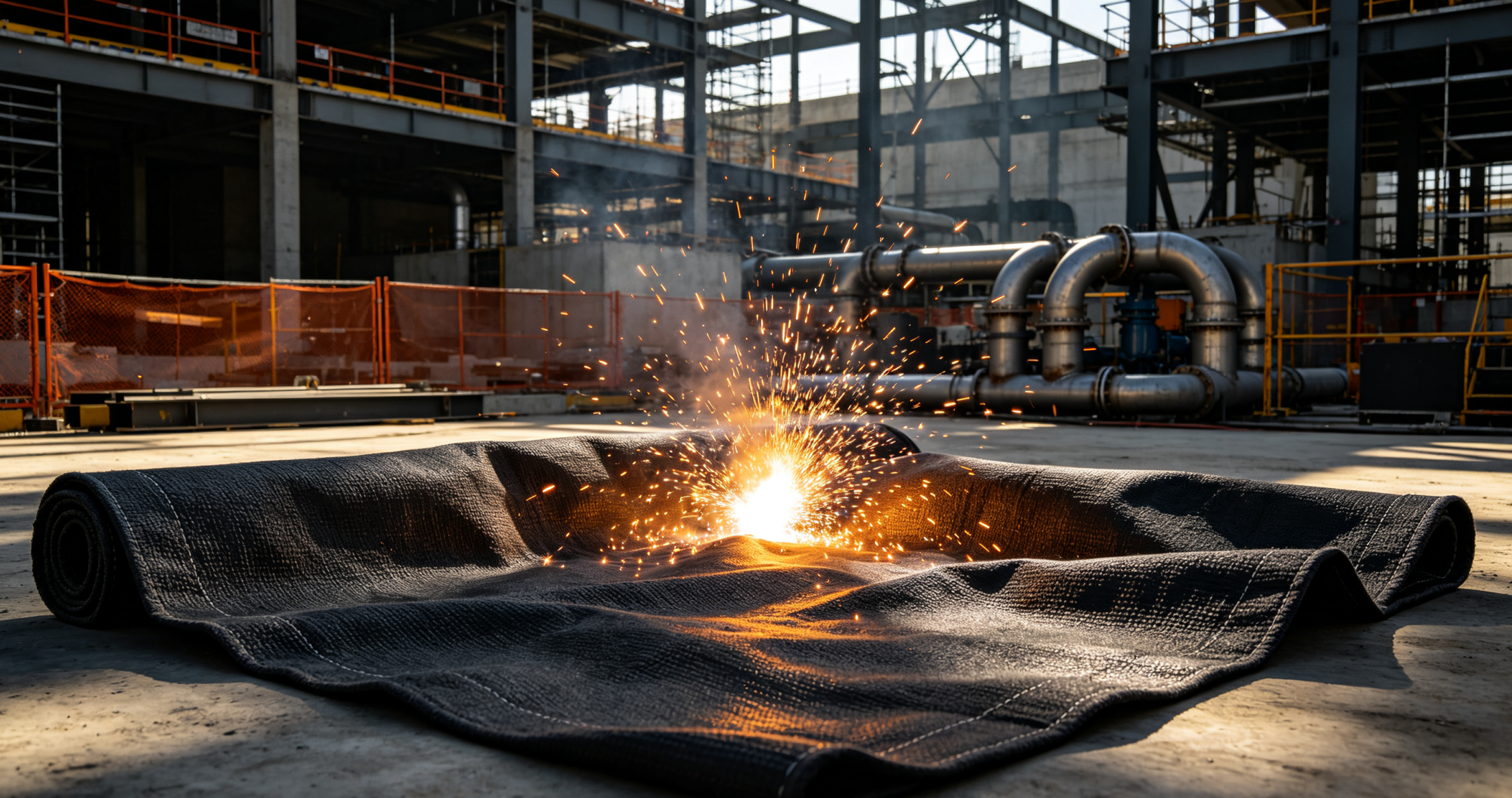
In the high-stakes environment of Japanese automotive manufacturing and precision machining, “good enough” is never enough. When a single stray spark can lead to costly downtime or compromise the integrity of automated assembly lines, the quality of your protective gear is a direct reflection of your operational safety standards. For facilities prioritizing fire prevention and […]
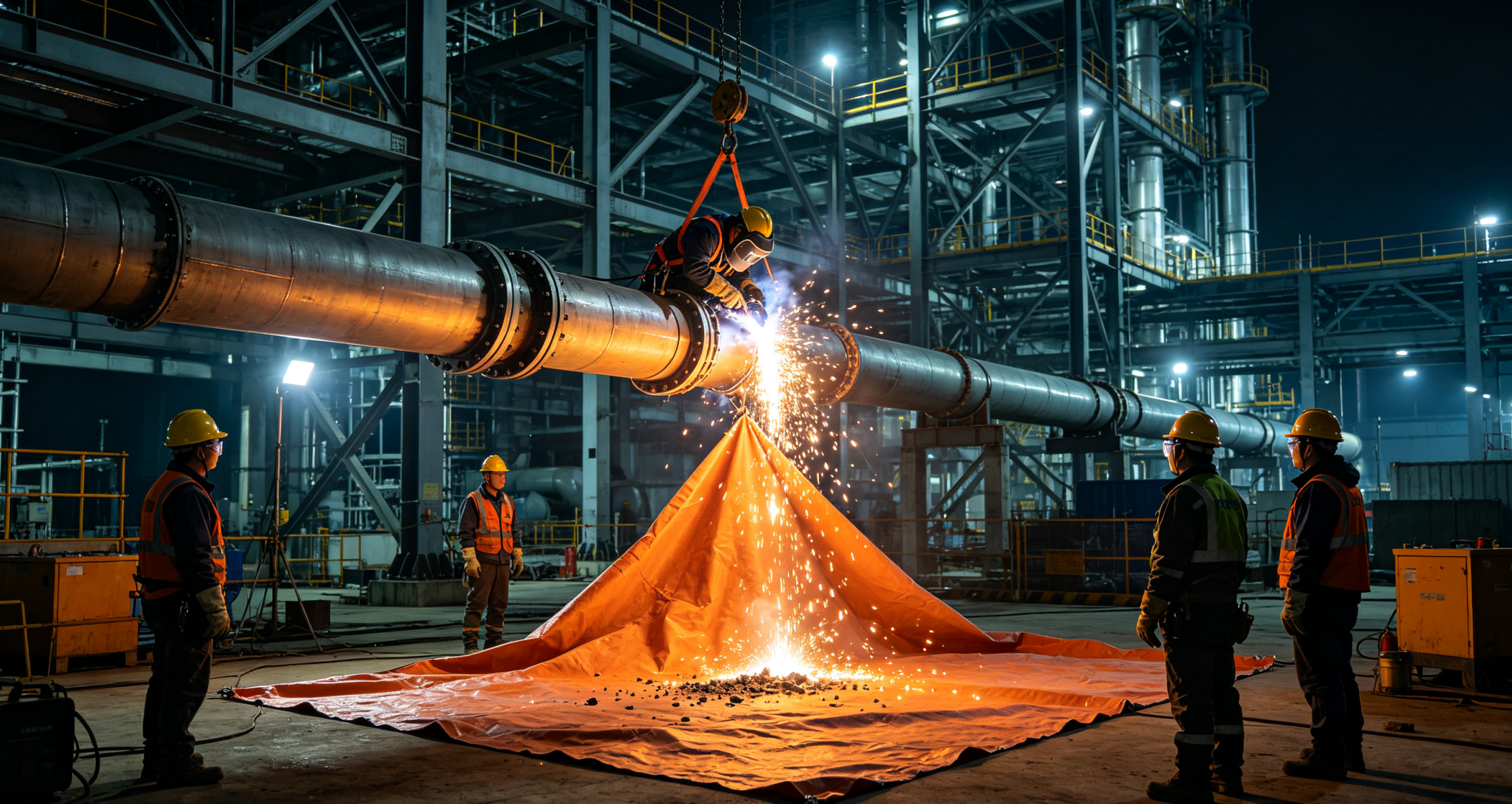
Welding sparks trigger most construction site fires. Even standardized operating procedures carry hidden risks if low-performance flame-retardant fabrics are used. Recent frequent construction fires sound alarms for hot work safety. Most welding-caused blazes stem from inadequate high-temperature slag shielding and substandard fire-resistant materials, rather than improper operation alone. Welding arcs hit over 6,000°C, with flying […]
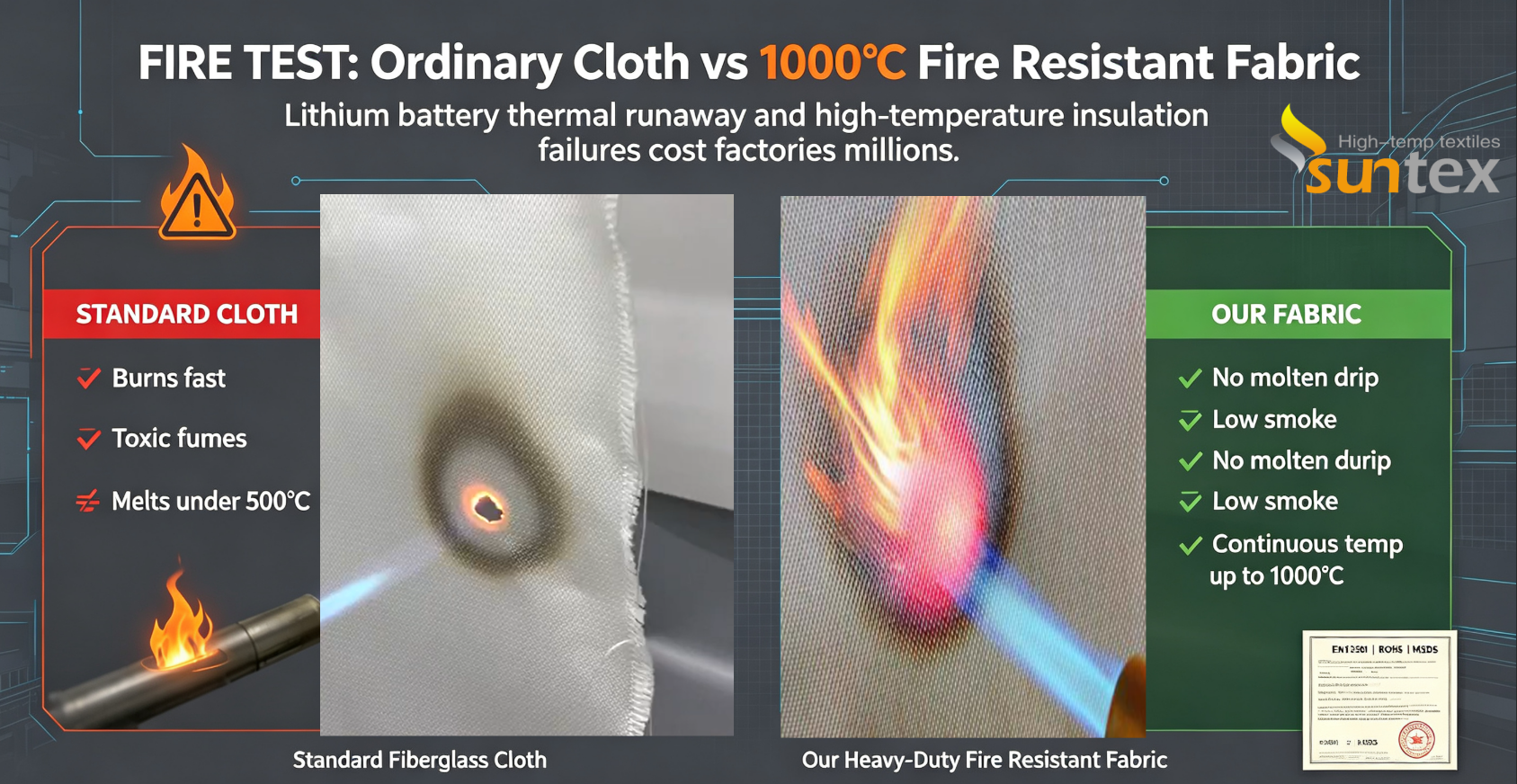
The Hidden Cost of Inferior Thermal Insulation Lithium battery thermal runaway and industrial high-temperature insulation failures frequently trigger factory fires, unplanned shutdowns and massive economic losses. Most of these accidents stem from low-performance standard insulation materials, rather than major equipment faults. Substandard fiberglass cloth fails under high heat, accelerating fire spread and causing costly industrial […]


 English
 Arabic
 Dutch
Dutch French
 German
 Italian
 Polish
 Portuguese
 Russian
 Spanish