

In the world of industrial and protective textiles, few materials combine extreme durability with versatile performance as effectively as Silicone Coated Fiberglass Fabric. This engineered composite is a powerhouse, designed to operate reliably in some of the most demanding environments. But what exactly is it, and what makes it so special?
The Best of Both Worlds: A Composite Structure
At its core, this fabric is a sophisticated two-part system:
The Base: Fiberglass Fabric
The foundation is a woven fiberglass cloth. Fiberglass itself is renowned for its excellent thermal stability, flame retardancy, and high tensile strength. It can withstand very high temperatures without melting or degrading, making it an ideal skeleton for a protective material.
The Shield: Silicone Polymer Coating
This fiberglass base is then coated with a high-quality silicone elastomer. Silicone is known for its incredible flexibility, chemical inertia, and water resistance. The coating, often applied to one or both sides, transforms the fabric, adding a suite of protective properties.
The result is a synergistic material that is far more capable than the sum of its parts.
Key Characteristics and Performance Advantages
The combination of fiberglass and silicone creates a material with a remarkable profile:
Exceptional Heat Resistance & Flame Retardancy: This is its primary strength. It does not easily ignite and can maintain its structural integrity across a wide range of temperatures, making it suitable for everything from high-heat insulation to protective barriers around welding operations.
Superior Thermal Insulation: By creating a protective barrier, it effectively contains heat, improving energy efficiency in industrial processes. More importantly, it safeguards workers by preventing contact with hot surfaces, significantly reducing the risk of burns.

Outstanding Environmental Resistance: The silicone coating makes the fabric impervious to many common hazards. It offers excellent resistance to water, oils, many acids, alkalis, and UV radiation. This corrosion resistance ensures a long service life even in harsh conditions.

Enhanced Durability and Longevity: The fabric is engineered to last. It exhibits high abrasion resistance, tear resistance, and general wear-and-tear strength. This ruggedness means products made from it don’t need frequent replacement.

Smoke and Gas Sealing: In applications like industrial curtains or gaskets, the fabric can help contain smoke and certain gases, contributing to a safer and more controlled workspace.

Surprising Workability: Despite its strength, the fabric remains flexible and relatively soft. It can be easily cut, sewn, and fabricated into custom shapes and complex designs without fraying excessively, which is a significant advantage for manufacturers.
Common Applications in Industry
Thanks to this unique set of properties, Silicone Coated Fiberglass Fabric is the material of choice for:
Removable Insulation Jackets and Blankets: Used to insulate valves, pipes, and other equipment in power plants, refineries, and manufacturing facilities for both thermal efficiency and personnel protection.
Welding and Thermal Blankets: Protecting surrounding areas from sparks, spatter, and heat during welding and metalworking.
Protective Covers and Curtains: Creating heat shields, fire-resistant barriers, and containment areas.
Expansion Joints and Gaskets: Where flexibility, heat resistance, and gas-tight sealing are required.
Conclusion
Silicone Coated Fiberglass Fabric is a testament to material science innovation. By marrying the unwavering heat resistance of fiberglass with the versatile, durable protection of silicone, it creates a solution that is essential for safety, efficiency, and reliability in high-temperature and corrosive industrial settings. Its ability to be customized and fabricated with ease further solidifies its status as a go-to material for engineers and designers worldwide.
Contact Details
Suntex Composite Industrial Co., Ltd.
Contact Person: Mr. Jason Hu
Tel: +86 132 0712 7986

Send your inquiry directly to us
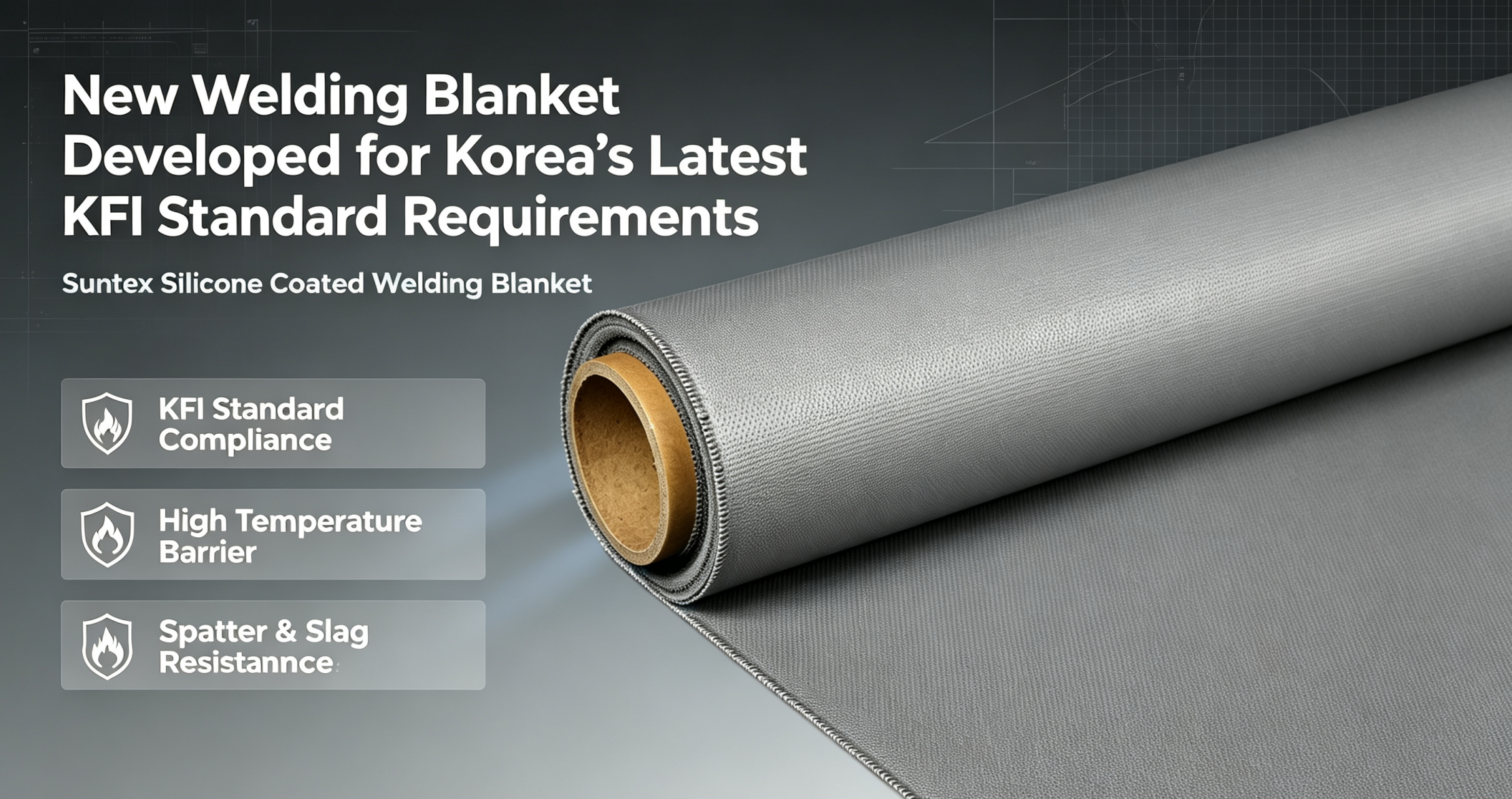
New Welding Blanket Developed for Korea’s Latest KFI Standard Requirements Suntex launches upgraded grey silicone-coated fiberglass welding blankets fully compliant with Korea’s latest KFI fire safety standards for hot work. Made of premium grey silicone coated fiberglass rolls, our blankets deliver reliable protection against welding sparks, molten slag, and high heat for welding, cutting, and […]
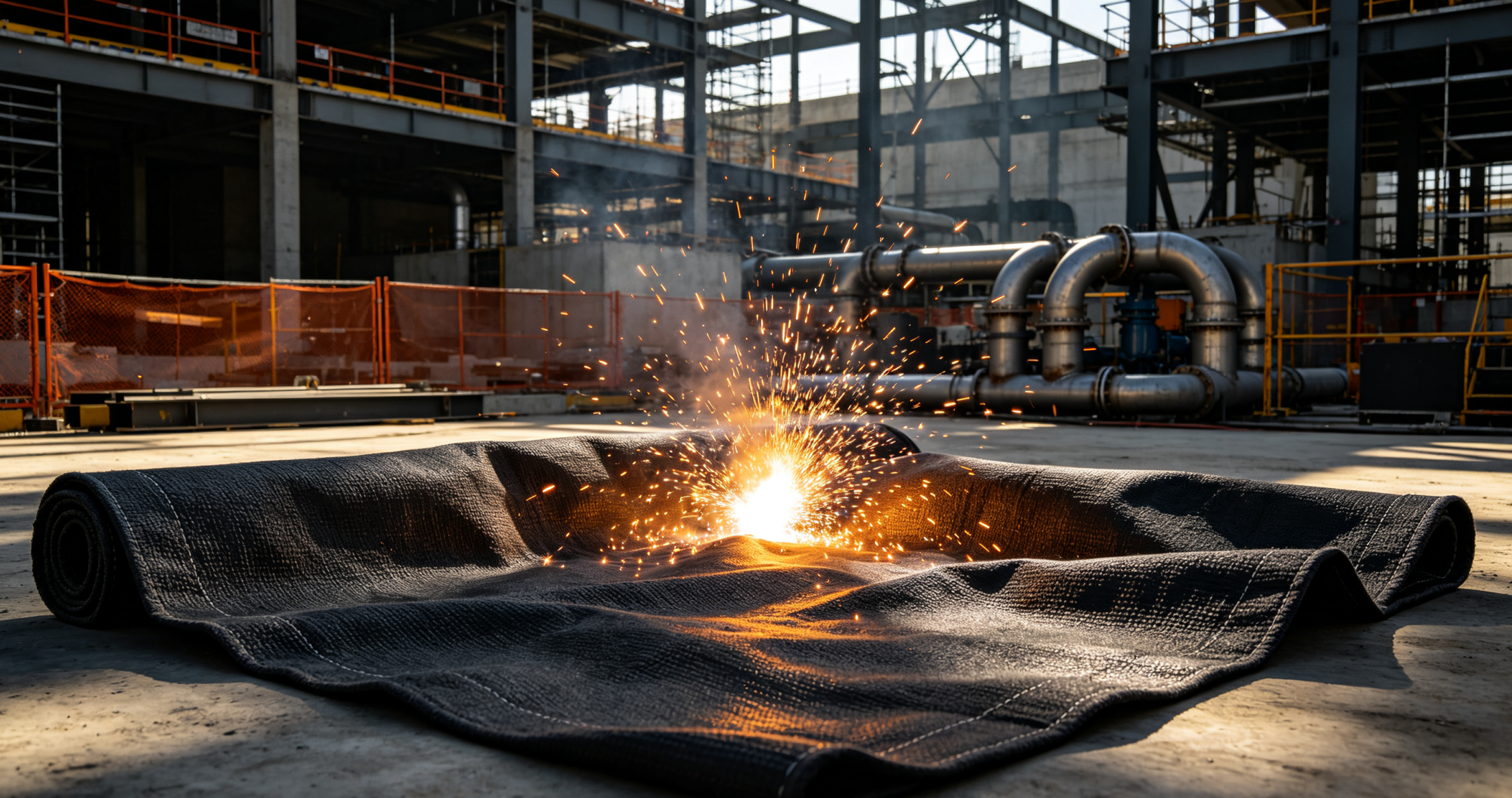
In the high-stakes environment of Japanese automotive manufacturing and precision machining, “good enough” is never enough. When a single stray spark can lead to costly downtime or compromise the integrity of automated assembly lines, the quality of your protective gear is a direct reflection of your operational safety standards. For facilities prioritizing fire prevention and […]
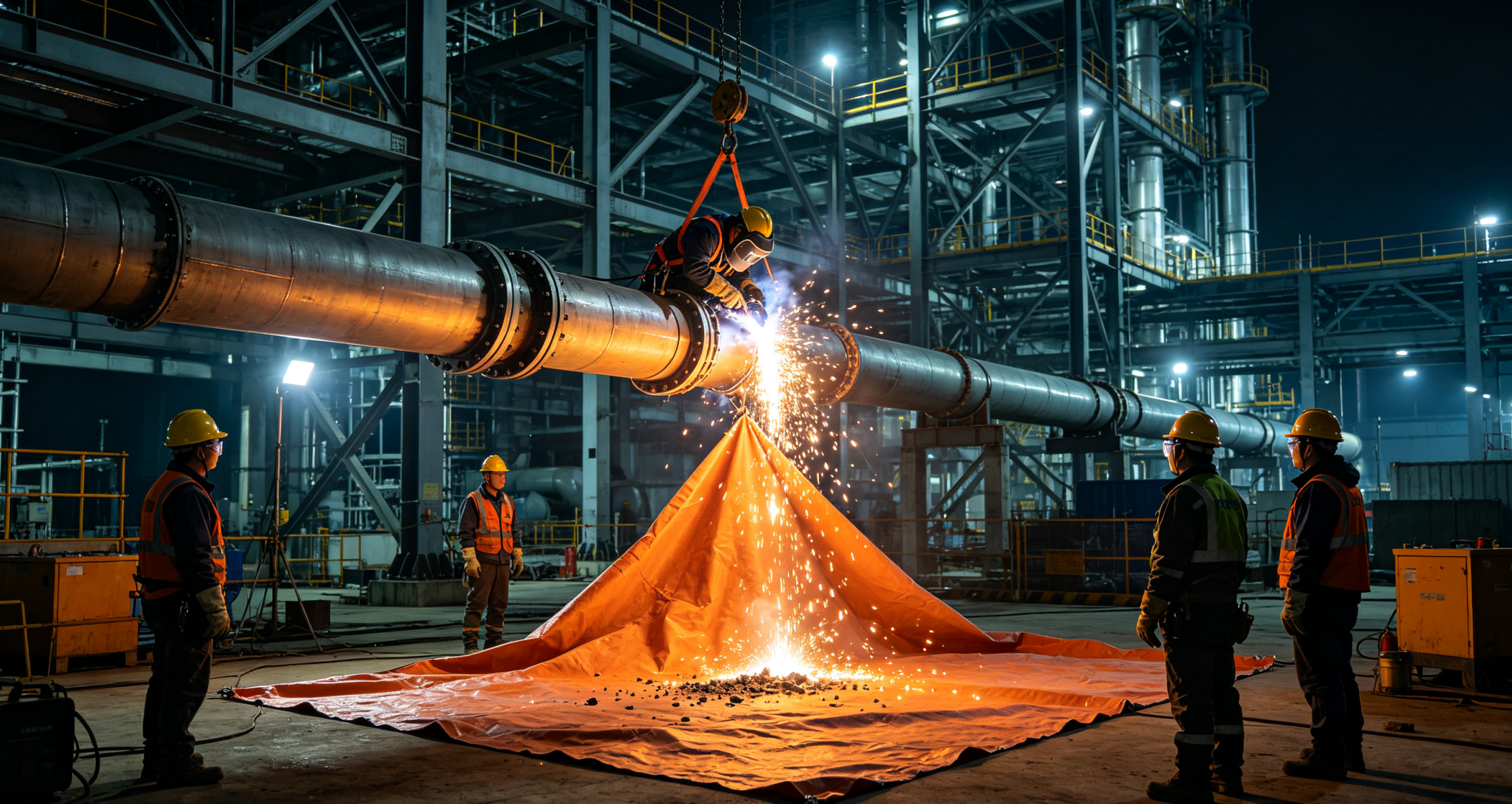
Welding sparks trigger most construction site fires. Even standardized operating procedures carry hidden risks if low-performance flame-retardant fabrics are used. Recent frequent construction fires sound alarms for hot work safety. Most welding-caused blazes stem from inadequate high-temperature slag shielding and substandard fire-resistant materials, rather than improper operation alone. Welding arcs hit over 6,000°C, with flying […]
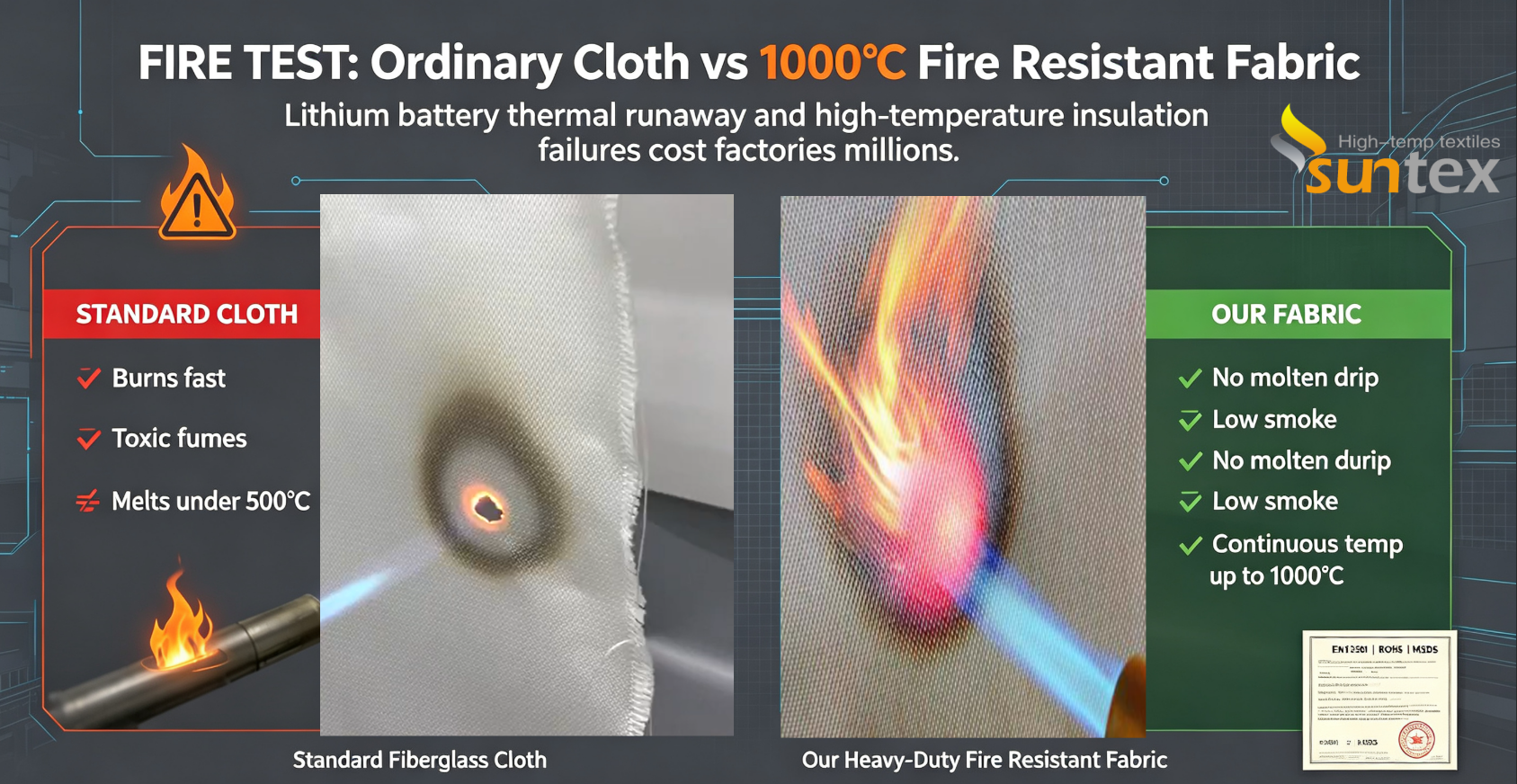
The Hidden Cost of Inferior Thermal Insulation Lithium battery thermal runaway and industrial high-temperature insulation failures frequently trigger factory fires, unplanned shutdowns and massive economic losses. Most of these accidents stem from low-performance standard insulation materials, rather than major equipment faults. Substandard fiberglass cloth fails under high heat, accelerating fire spread and causing costly industrial […]


 English
 Arabic
 Dutch
Dutch French
 German
 Italian
 Polish
 Portuguese
 Russian
 Spanish