

Guardian of Life: The “Invisible Barrier” – How Do Smoke Curtains Buy Precious Time for Safe Evacuation?

When walking through shopping malls, office buildings, or subway stations, you may not notice the seemingly ordinary metal panels or fabric materials hanging beneath the ceiling. However, they are the “guardians of life” in the event of a fire—smoke curtains. These vertically installed partitions, usually hidden within the building structure, activate swiftly during a fire, becoming the first line of defense against thick smoke.
The “Time Competitor” in Fires

The deadliest aspect of a fire is often not the flames themselves but the high-temperature toxic smoke that accompanies them. Statistics show that over 80% of fire casualties result from inhaling smoke. It is in such critical moments that smoke curtains play their role: when the fire protection system receives a smoke detection signal, the curtains automatically drop to a height of no less than 0.5 meters from the ground, quickly forming smoke-proof partitions to confine the billowing smoke to localized areas.
“This buys precious time for personnel evacuation,” explains a fire safety expert. “At the same time, working in tandem with the smoke exhaust system to expel high-temperature smoke outdoors, it effectively maintains the relative safety of evacuation routes.”
The Invisible Engineering Standards

The design and installation of smoke curtains are not arbitrary. The materials used for the curtains are often metal panels or flexible fire-resistant materials such as silicone-coated fabric or fiberglass cloth, ensuring stability under high temperatures.
Installation details are equally critical: the gap between the edge of the curtain and the wall must not exceed 20 millimeters; when multiple smoke curtains are combined, the overlapping width must reach over 100 millimeters to ensure a tight, leak-free seal. These precise standards collectively build the reliability of this “invisible barrier.”
Market and Selection

Currently, the price of smoke curtains in the market varies depending on the material, craftsmanship, and functionality. Smoke curtains made from ordinary fire-resistant fabric materials are typically affordable on a per-square-meter basis, while products featuring special coatings or intelligent control systems come at a higher cost. Experts recommend prioritizing products with fire safety certifications and actual performance parameters over simply comparing prices.
As urban construction continues to expand vertically into skyscrapers and underground spaces, smoke curtains, as an essential component of modern fire protection systems, are also undergoing continuous technological upgrades. The new generation of products is evolving toward more intelligent responses, eco-friendly materials, and aesthetically integrated designs.

This usually invisible barrier carries the important mission of protecting lives and property in the event of a fire. It reminds us that the most effective safety measures are often those integrated into daily life, silently standing guard. Understanding and valuing these fire protection facilities means adding an extra layer of security to our lives.
SUNTEX smoke curtain fabric, through special coating treatment, forms a dense smoke barrier that effectively prevents smoke diffusion, buying precious time for personnel evacuation and fire rescue operations. At the same time, it is corrosion-resistant, easy to clean, and suitable for various harsh environments.
Contact Details
Suntex Composite Industrial Co., Ltd.
Contact Person: Mr. Jason Hu
Tel: +86 132 0712 7986

Send your inquiry directly to us
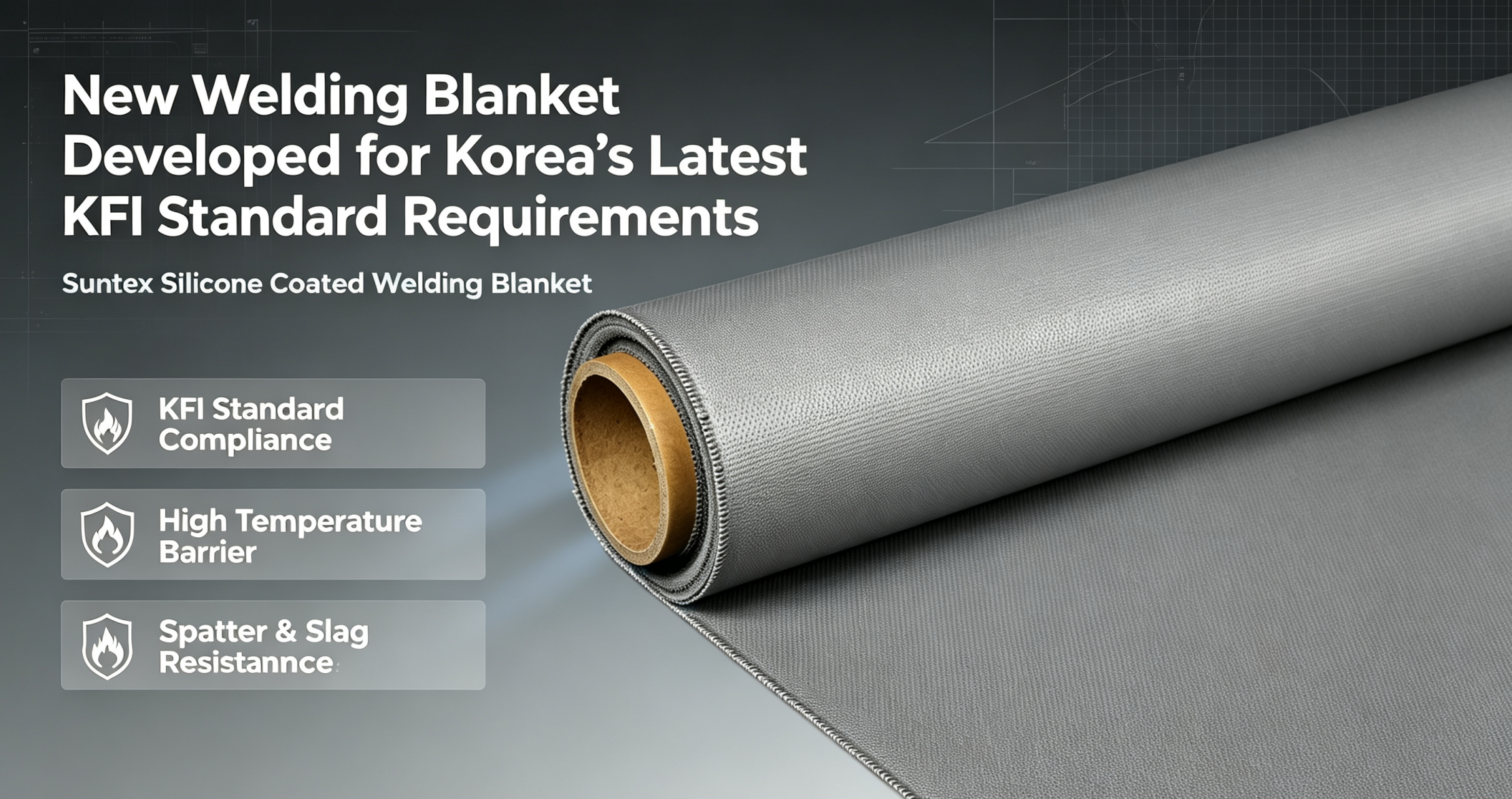
New Welding Blanket Developed for Korea’s Latest KFI Standard Requirements Suntex launches upgraded grey silicone-coated fiberglass welding blankets fully compliant with Korea’s latest KFI fire safety standards for hot work. Made of premium grey silicone coated fiberglass rolls, our blankets deliver reliable protection against welding sparks, molten slag, and high heat for welding, cutting, and […]
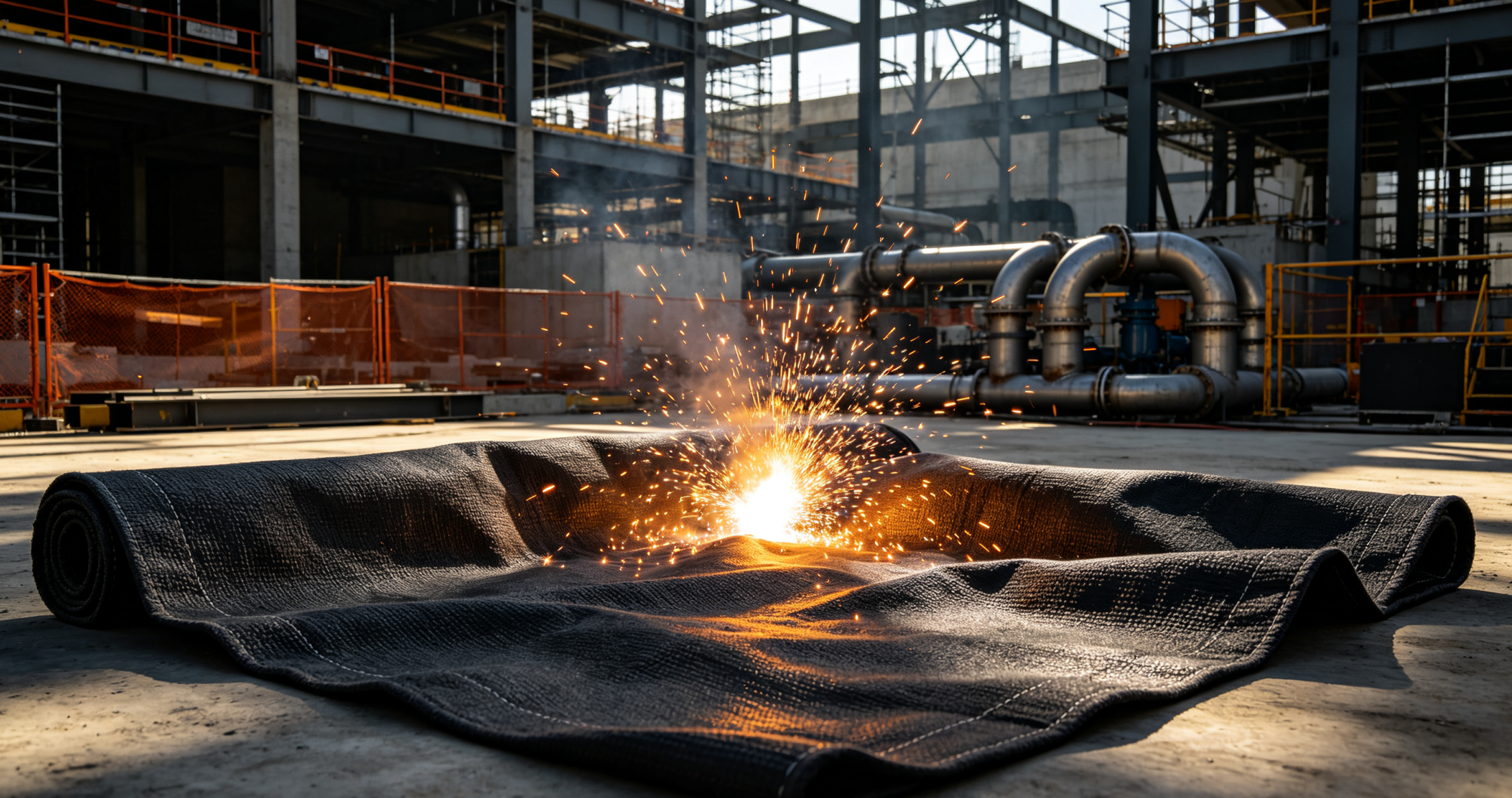
In the high-stakes environment of Japanese automotive manufacturing and precision machining, “good enough” is never enough. When a single stray spark can lead to costly downtime or compromise the integrity of automated assembly lines, the quality of your protective gear is a direct reflection of your operational safety standards. For facilities prioritizing fire prevention and […]
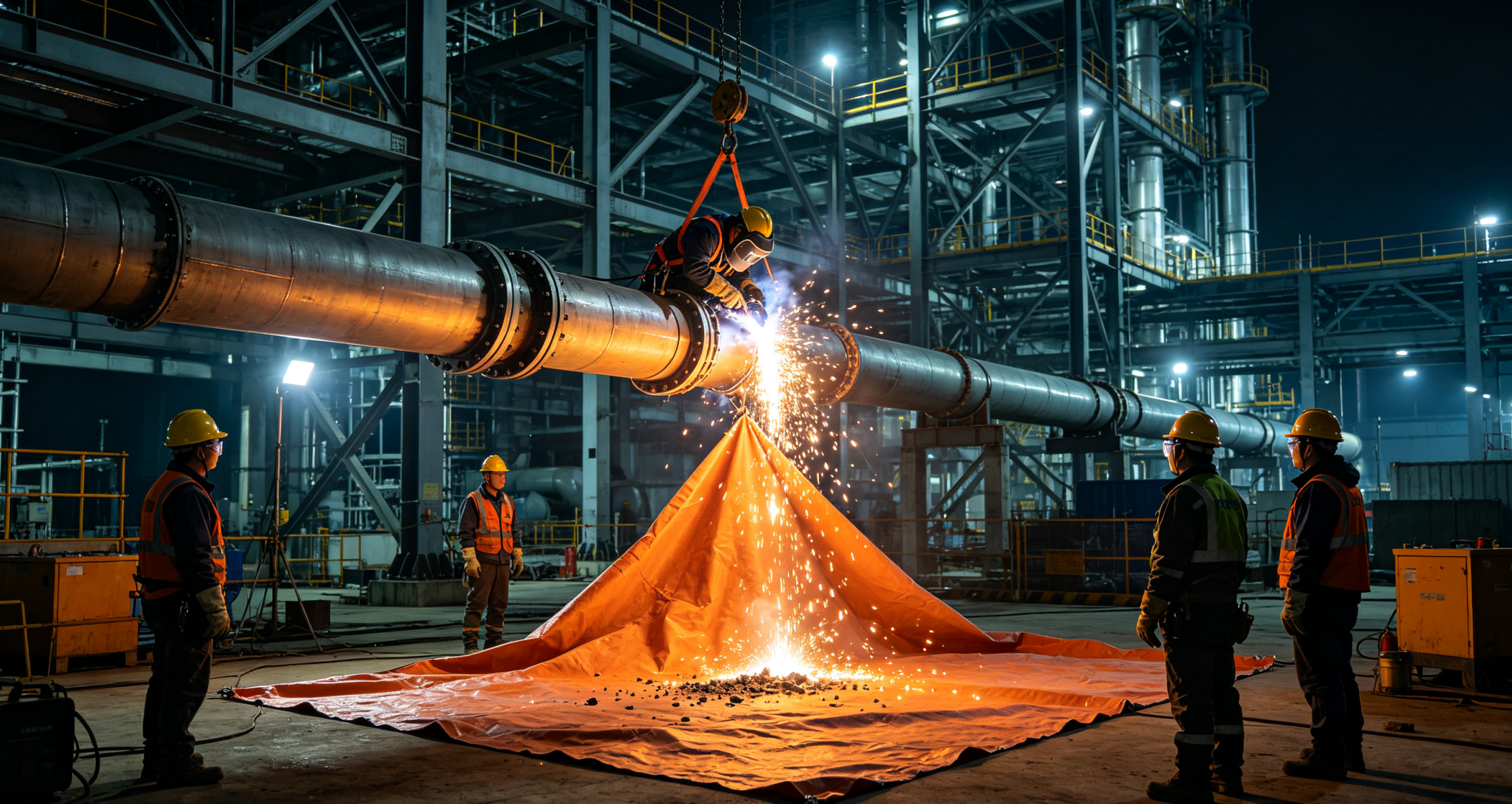
Welding sparks trigger most construction site fires. Even standardized operating procedures carry hidden risks if low-performance flame-retardant fabrics are used. Recent frequent construction fires sound alarms for hot work safety. Most welding-caused blazes stem from inadequate high-temperature slag shielding and substandard fire-resistant materials, rather than improper operation alone. Welding arcs hit over 6,000°C, with flying […]
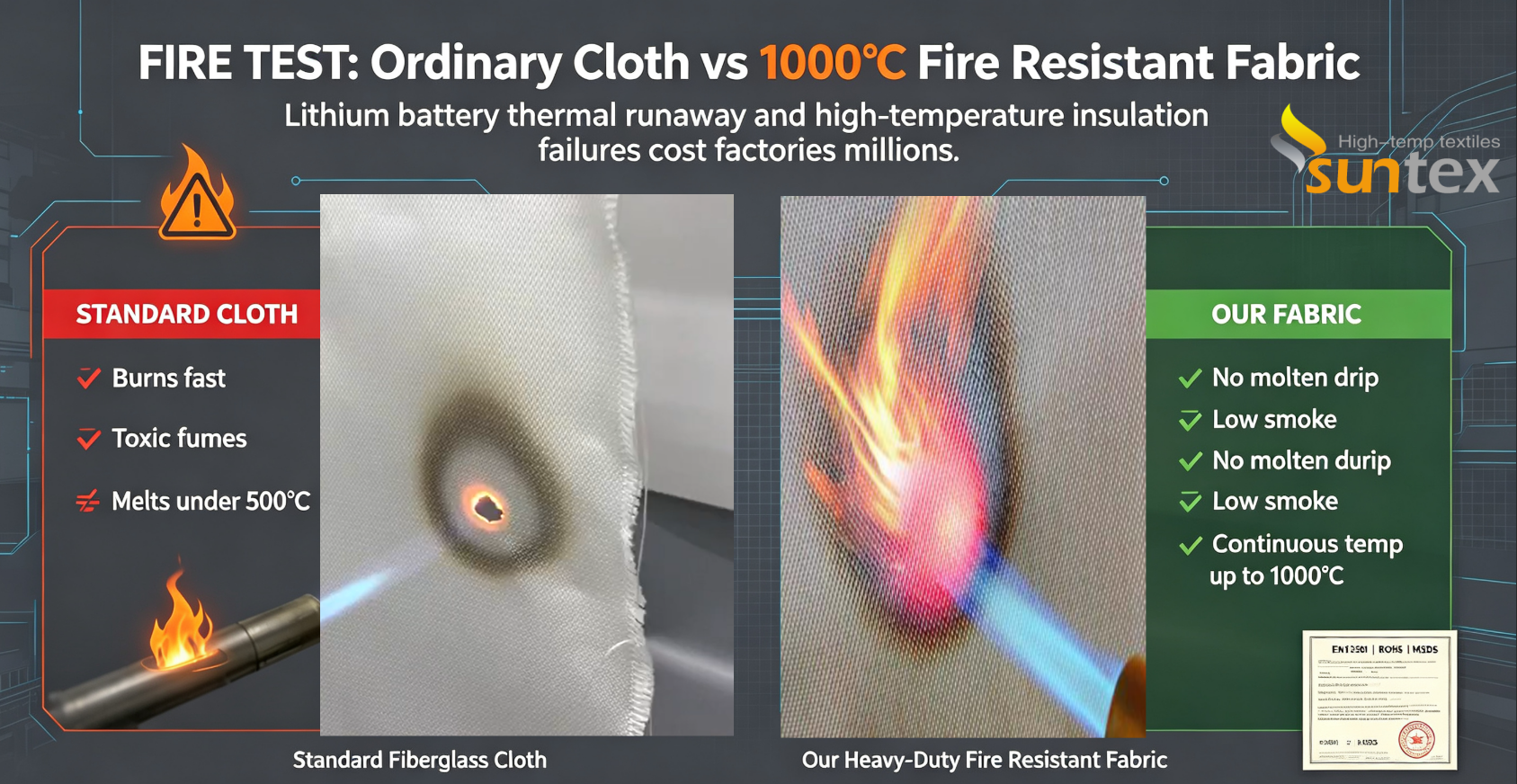
The Hidden Cost of Inferior Thermal Insulation Lithium battery thermal runaway and industrial high-temperature insulation failures frequently trigger factory fires, unplanned shutdowns and massive economic losses. Most of these accidents stem from low-performance standard insulation materials, rather than major equipment faults. Substandard fiberglass cloth fails under high heat, accelerating fire spread and causing costly industrial […]


 English
 Arabic
 Dutch
Dutch French
 German
 Italian
 Polish
 Portuguese
 Russian
 Spanish