

A while ago, I came across news reports about stress-relief “squeeze toys” (捏捏乐) containing excessive formaldehyde, but I never expected they could also be linked to fiberglass!

Although fiberglass is known for its high strength, it can be processed into composite materials with a certain degree of elasticity and plasticity, which explains why some squeeze toys are soft and deformable.
-
-
Some high-end stress-relief toys incorporate fiber-based additives to adjust surface friction or rebound properties, simulating a unique “glass-crushing” tactile sensation.
-
Fiberglass injection or compression molding techniques may be adapted to produce more structurally complex squeeze toys, especially those requiring internal frameworks or special textures.
-
A few squeeze toys blend short fiberglass strands into silicone or TPE to enhance durability (preventing tearing) or achieve unique mechanical feedback, such as slow rebound.

-
Some conceptual stress-relief toys mimic fiberglass’s visual texture (e.g., translucent with fibrous patterns) or incorporate fluorescent fibers for a futuristic aesthetic.
-
Thermally responsive coatings on fiberglass-reinforced silicone toys can create tactile changes when squeezed due to varying thermal conductivity.

-
Traditional squeeze toys often use non-biodegradable silicone, but experimental eco-friendly versions may combine plant fibers and fiberglass to balance feel and recyclability.

-
However, fiberglass dust can irritate the skin, conflicting with child safety certifications for squeeze toys—this has spurred research into non-toxic surface coatings.
-
Some brands have already introduced carbon-fiber-infused stress-relief toys that utilize conductive properties for touch-sensitive interactivity; fiberglass could see similar niche applications.

-
Fiberglass production waste, when crushed, might be repurposed as filler in low-cost squeeze toys—though strict encapsulation is needed to prevent particle release.
-
A while ago, I came across news reports about stress-relief “squeeze toys” (捏捏乐) containing excessive formaldehyde, but I never expected they could also be linked to fiberglass!
Although fiberglass is known for its high strength, it can be processed into composite materials with a certain degree of elasticity and plasticity, which explains why some squeeze toys are soft and deformable.
-
-
-
Some high-end stress-relief toys incorporate fiber-based additives to adjust surface friction or rebound properties, simulating a unique “glass-crushing” tactile sensation.
-
Fiberglass injection or compression molding techniques may be adapted to produce more structurally complex squeeze toys, especially those requiring internal frameworks or special textures.
-
A few squeeze toys blend short fiberglass strands into silicone or TPE to enhance durability (preventing tearing) or achieve unique mechanical feedback, such as slow rebound.
-
Some conceptual stress-relief toys mimic fiberglass’s visual texture (e.g., translucent with fibrous patterns) or incorporate fluorescent fibers for a futuristic aesthetic.
-
Thermally responsive coatings on fiberglass-reinforced silicone toys can create tactile changes when squeezed due to varying thermal conductivity.
-
Traditional squeeze toys often use non-biodegradable silicone, but experimental eco-friendly versions may combine plant fibers and fiberglass to balance feel and recyclability.
-
However, fiberglass dust can irritate the skin, conflicting with child safety certifications for squeeze toys—this has spurred research into non-toxic surface coatings.
-
Some brands have already introduced carbon-fiber-infused stress-relief toys that utilize conductive properties for touch-sensitive interactivity; fiberglass could see similar niche applications.
-
Fiberglass production waste, when crushed, might be repurposed as filler in low-cost squeeze toys—though strict encapsulation is needed to prevent particle release.
-
-
While fiberglass’s properties and manufacturing techniques inspire innovation in stress-relief toys—particularly for unique textures or functionalities—most mainstream squeeze toys still rely on silicone/TPE, with fiberglass applications remaining rare and experimental.

While fiberglass’s properties and manufacturing techniques inspire innovation in stress-relief toys—particularly for unique textures or functionalities—most mainstream squeeze toys still rely on silicone/TPE, with fiberglass applications remaining rare and experimental.
Contact Details
Suntex Composite Industrial Co., Ltd.
Contact Person: Mr. Jason Hu
Tel: +86 132 0712 7986

Send your inquiry directly to us
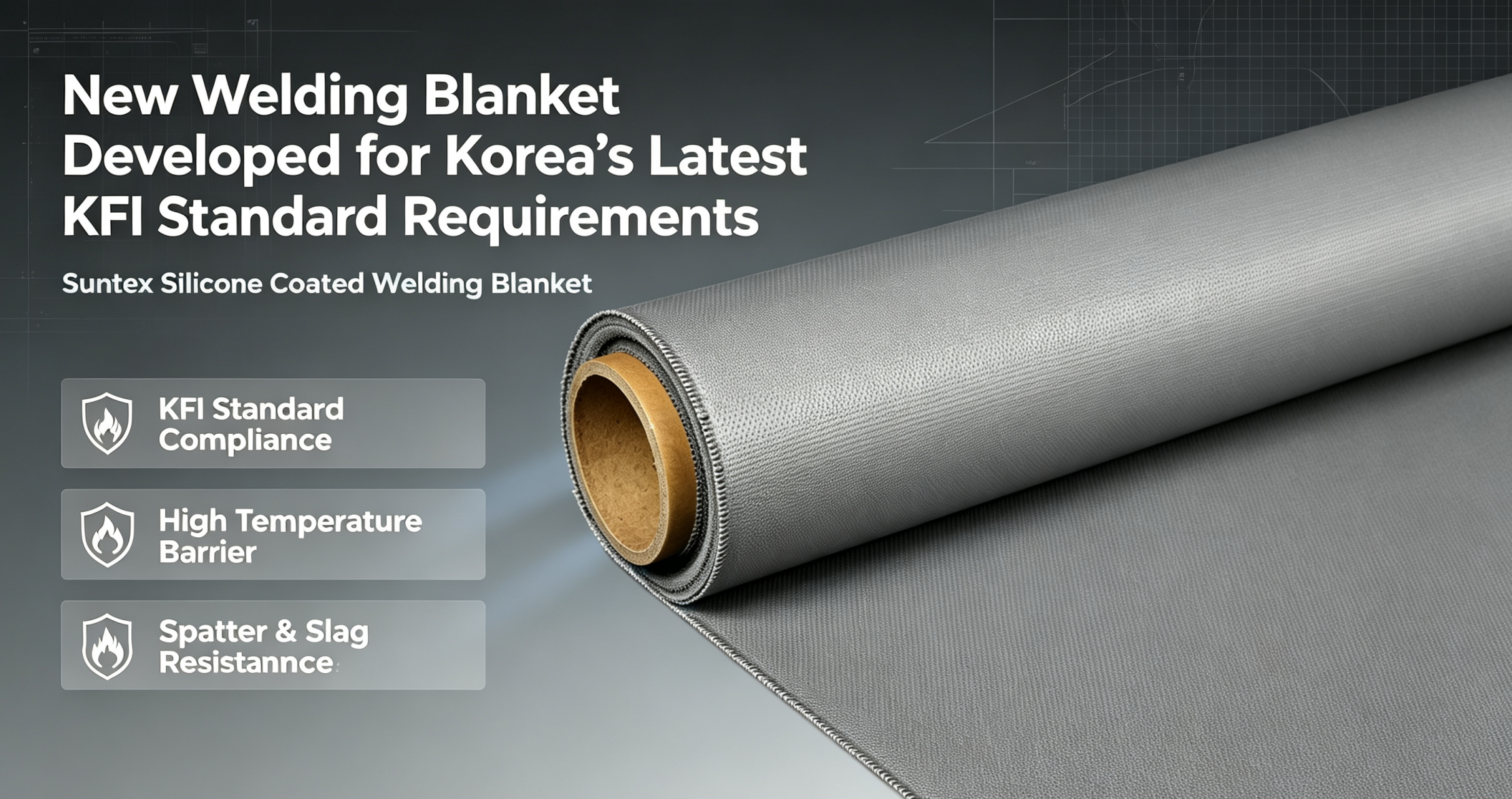
New Welding Blanket Developed for Korea’s Latest KFI Standard Requirements Suntex launches upgraded grey silicone-coated fiberglass welding blankets fully compliant with Korea’s latest KFI fire safety standards for hot work. Made of premium grey silicone coated fiberglass rolls, our blankets deliver reliable protection against welding sparks, molten slag, and high heat for welding, cutting, and […]
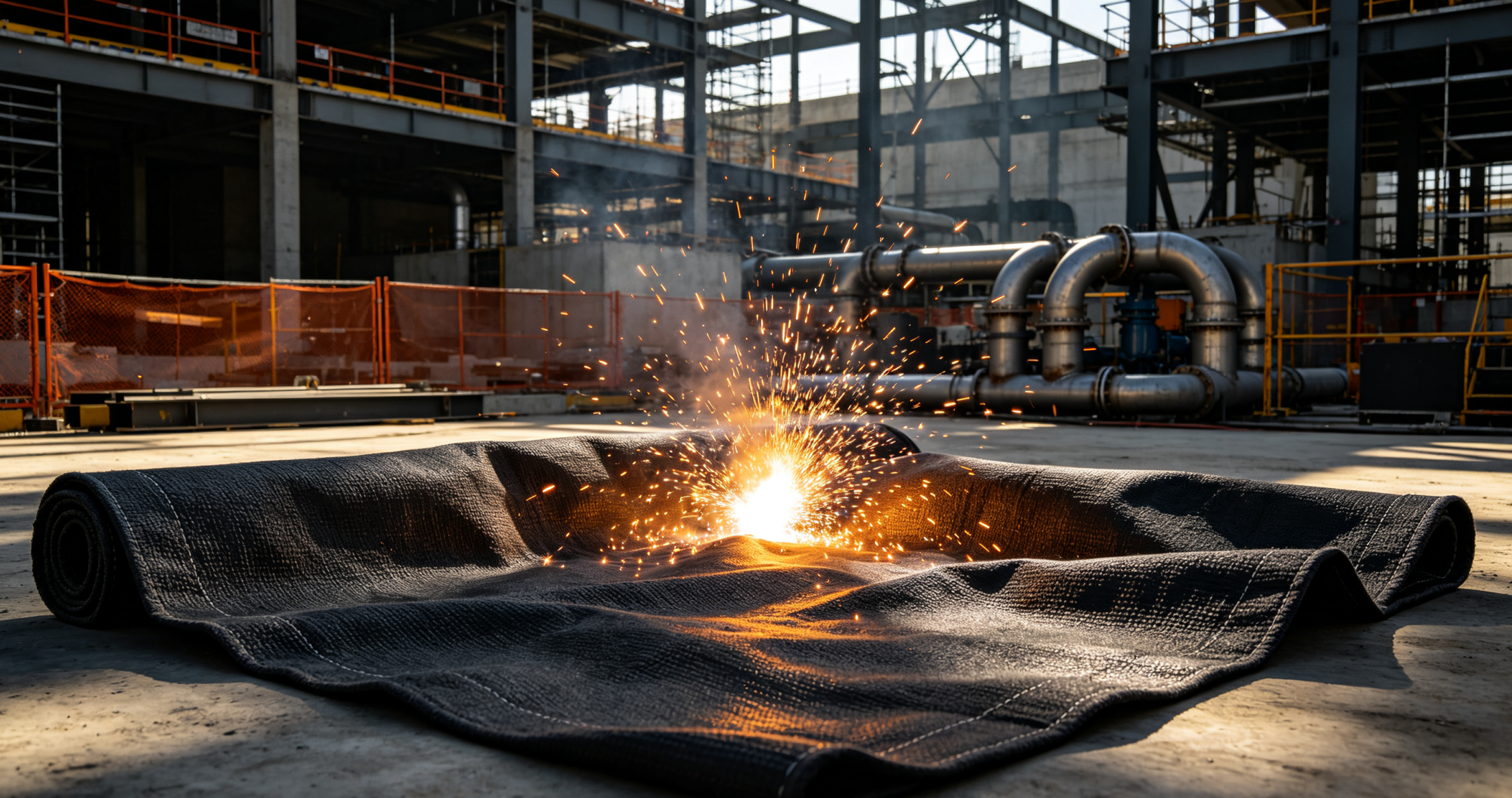
In the high-stakes environment of Japanese automotive manufacturing and precision machining, “good enough” is never enough. When a single stray spark can lead to costly downtime or compromise the integrity of automated assembly lines, the quality of your protective gear is a direct reflection of your operational safety standards. For facilities prioritizing fire prevention and […]
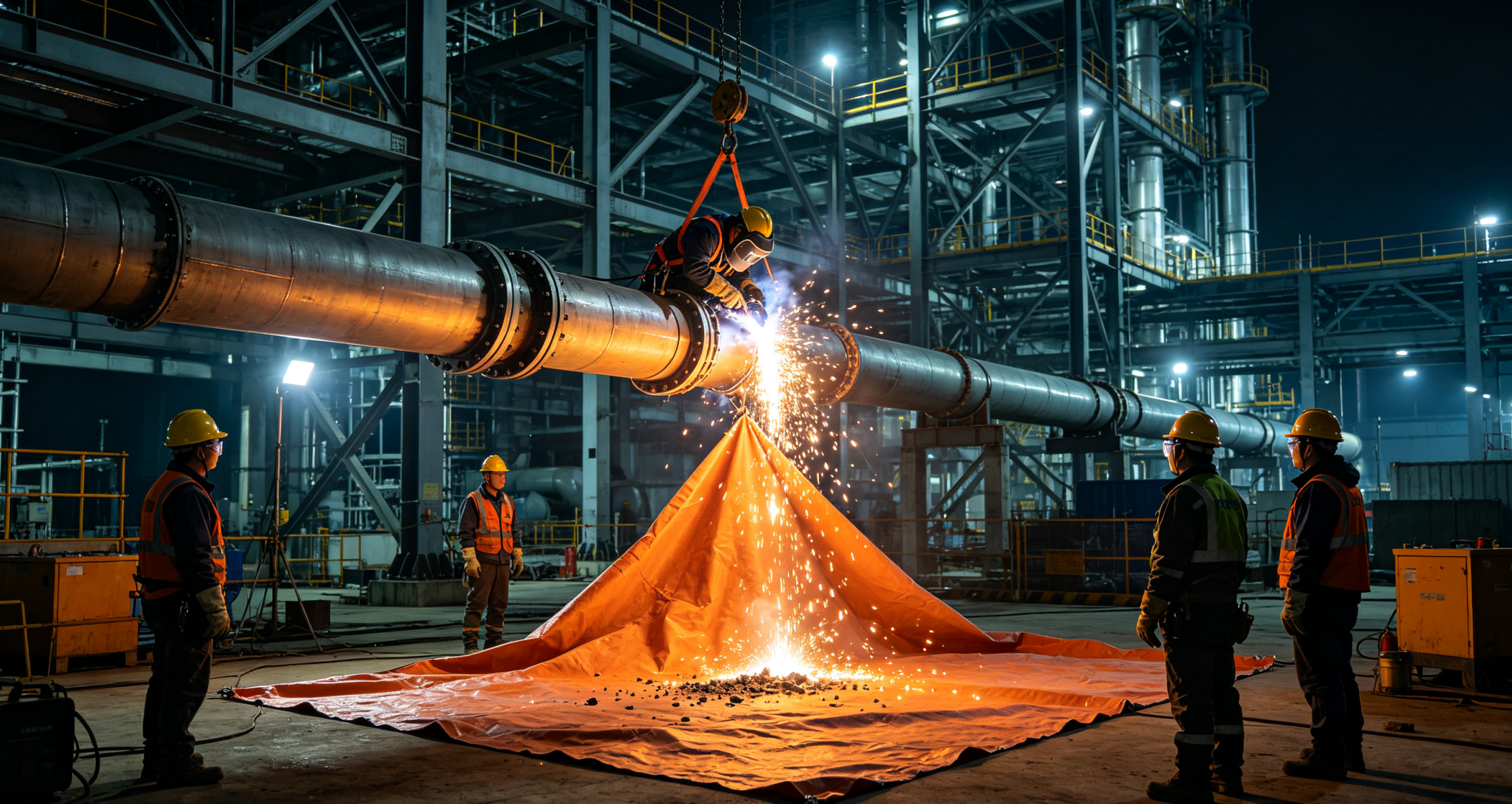
Welding sparks trigger most construction site fires. Even standardized operating procedures carry hidden risks if low-performance flame-retardant fabrics are used. Recent frequent construction fires sound alarms for hot work safety. Most welding-caused blazes stem from inadequate high-temperature slag shielding and substandard fire-resistant materials, rather than improper operation alone. Welding arcs hit over 6,000°C, with flying […]
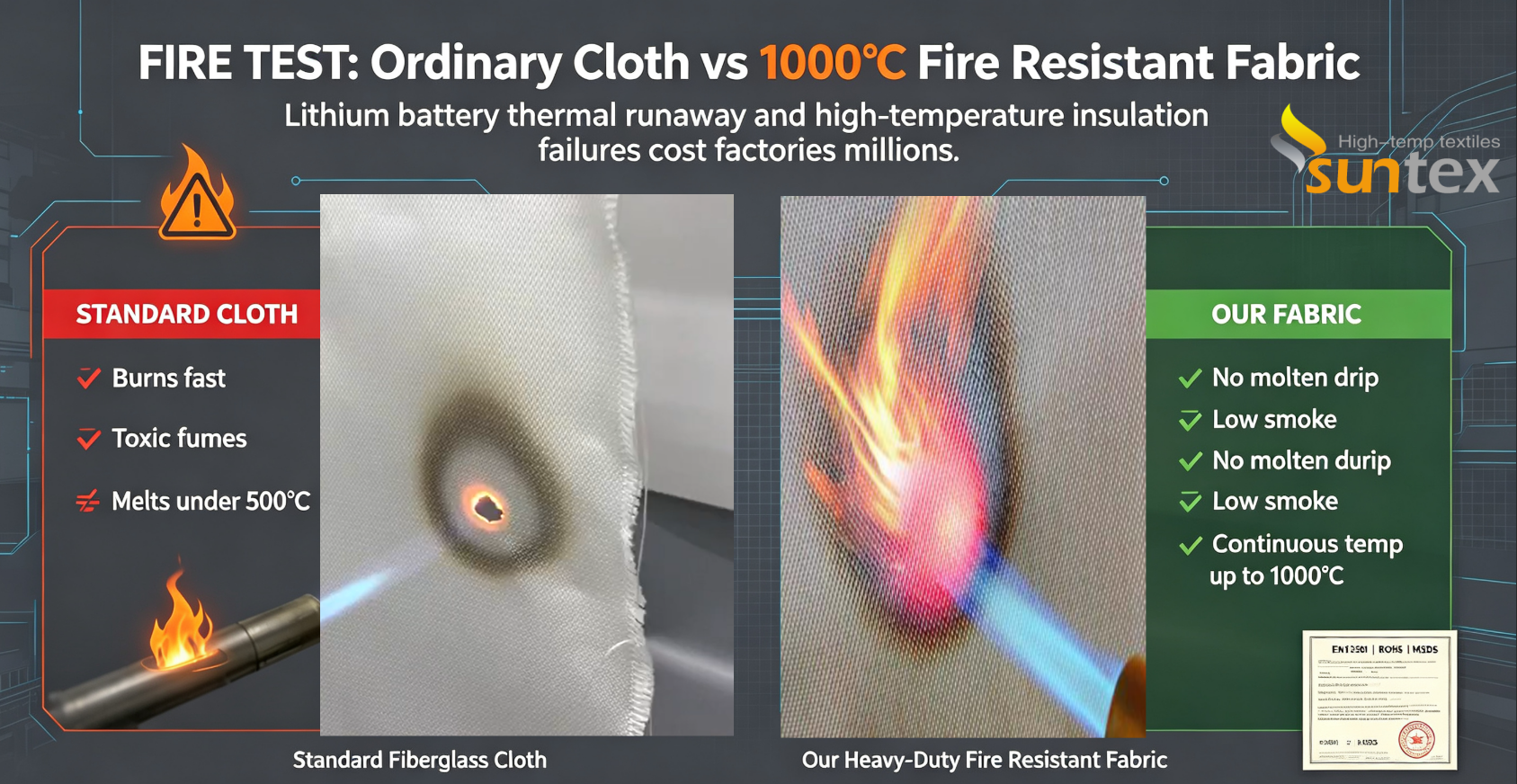
The Hidden Cost of Inferior Thermal Insulation Lithium battery thermal runaway and industrial high-temperature insulation failures frequently trigger factory fires, unplanned shutdowns and massive economic losses. Most of these accidents stem from low-performance standard insulation materials, rather than major equipment faults. Substandard fiberglass cloth fails under high heat, accelerating fire spread and causing costly industrial […]


 English
 Arabic
 Dutch
Dutch French
 German
 Italian
 Polish
 Portuguese
 Russian
 Spanish