

What matters most when selecting fabric duct materials?
For ventilation fabric ducts and flame-retardant fabric air distribution systems, performance comes down to five critical factors: tensile strength, processability, flexibility, flame retardancy, and airtightness. These directly impact system durability, safety, and overall effectiveness.
Flame-retardant fabric ductwork has become a preferred choice for modern fire-resistant ventilation systems. Woven from specialized fibers, this flexible air distribution solution—often called fabric duct or air sock—delivers uniform airflow, excellent anti-condensation properties, lightweight construction, strong water resistance, and faster installation compared to traditional metal ducts.
Suntex has invested significantly in developing flame-retardant fiber fabrics with specialized coatings. Select product lines achieve fire safety ratings of GB8624-2016 Class A2 and EN13501-1 Class A2, while also offering anti-condensation performance, abrasion resistance, and water repellency. Available in a wide range of colors—including gray, white, red, yellow, green, and black—these systems combine safety with visual flexibility.
Common material options include silicone-coated fabrics and PU-coated fiberglass fabrics, each suited to different application requirements.
When specifying fabric air distribution systems, prioritizing these performance indicators ensures both safety and long-term operational reliability.
Contact Details
Suntex Composite Industrial Co., Ltd.
Contact Person: Mr. Jason Hu
Tel: +86 132 0712 7986

Send your inquiry directly to us
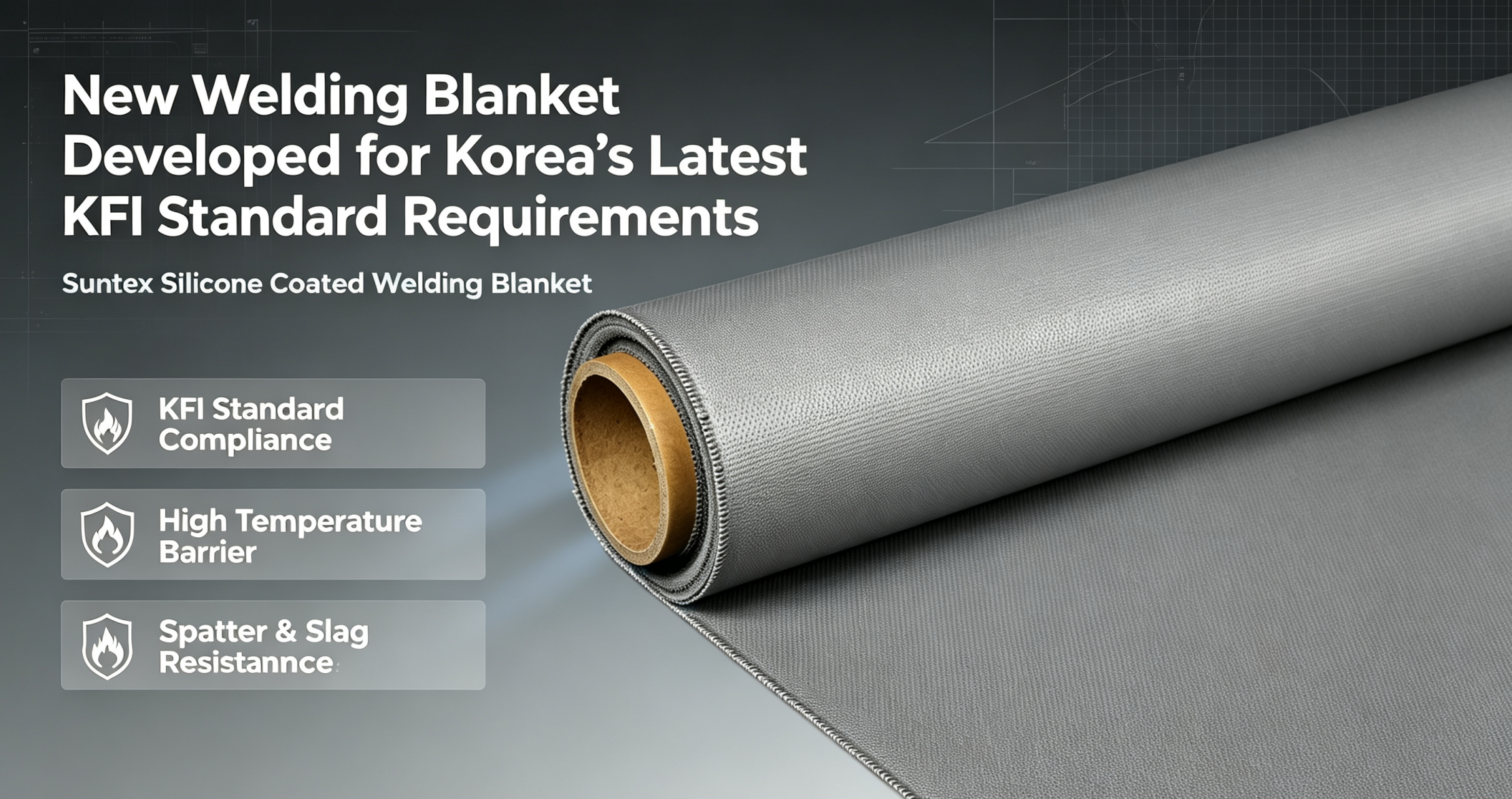
New Welding Blanket Developed for Korea’s Latest KFI Standard Requirements Suntex launches upgraded grey silicone-coated fiberglass welding blankets fully compliant with Korea’s latest KFI fire safety standards for hot work. Made of premium grey silicone coated fiberglass rolls, our blankets deliver reliable protection against welding sparks, molten slag, and high heat for welding, cutting, and […]
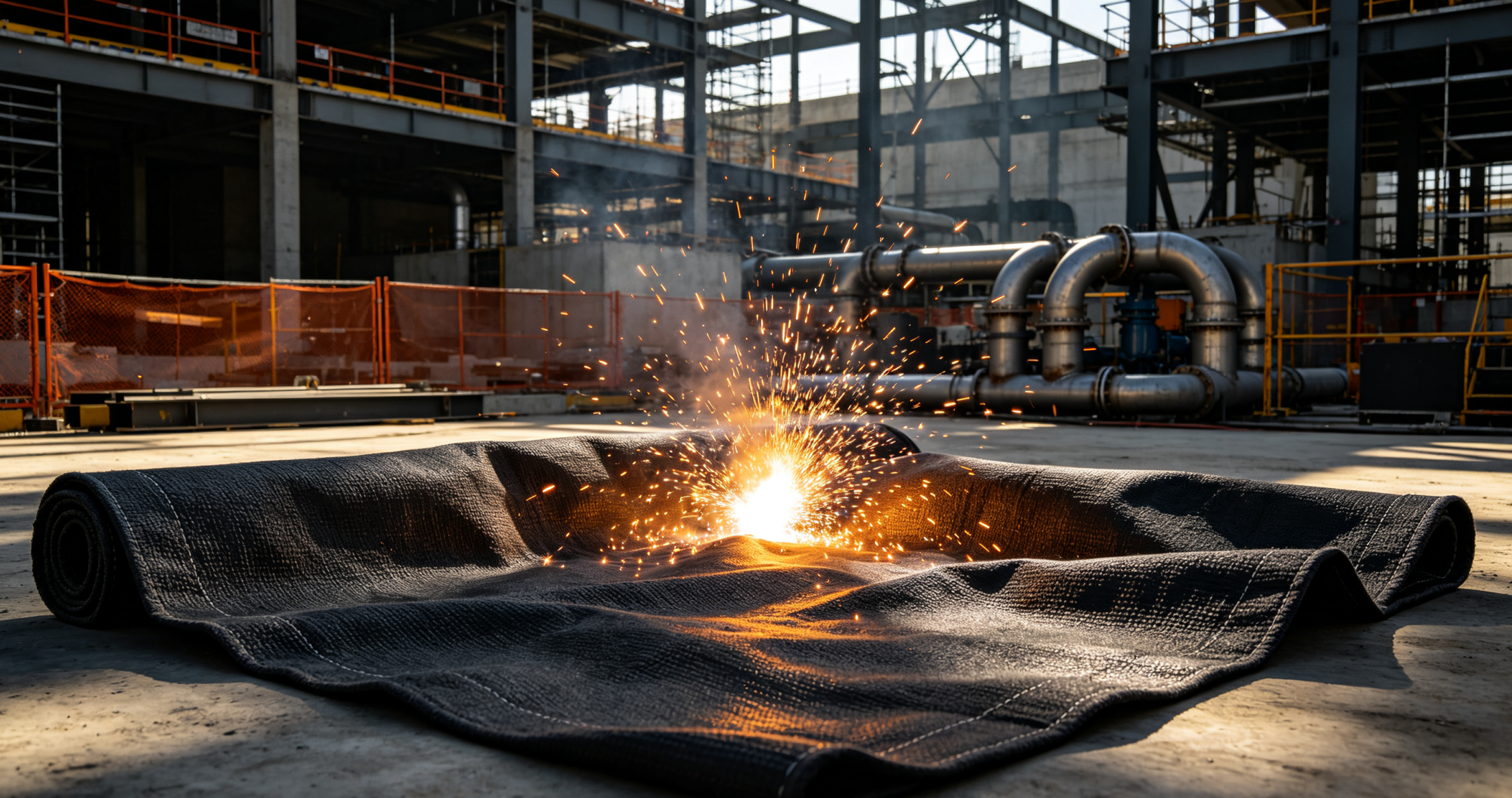
In the high-stakes environment of Japanese automotive manufacturing and precision machining, “good enough” is never enough. When a single stray spark can lead to costly downtime or compromise the integrity of automated assembly lines, the quality of your protective gear is a direct reflection of your operational safety standards. For facilities prioritizing fire prevention and […]
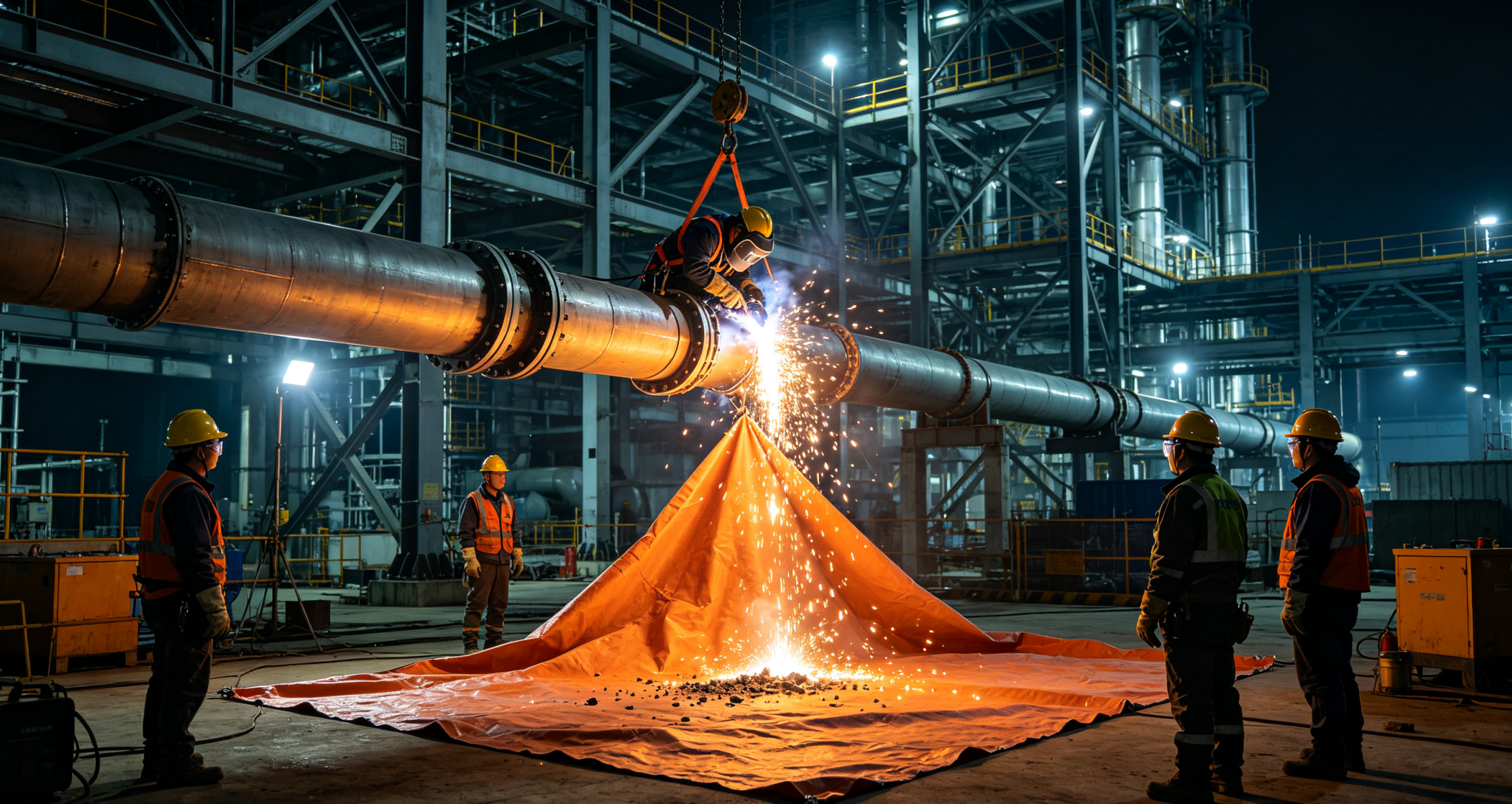
Welding sparks trigger most construction site fires. Even standardized operating procedures carry hidden risks if low-performance flame-retardant fabrics are used. Recent frequent construction fires sound alarms for hot work safety. Most welding-caused blazes stem from inadequate high-temperature slag shielding and substandard fire-resistant materials, rather than improper operation alone. Welding arcs hit over 6,000°C, with flying […]
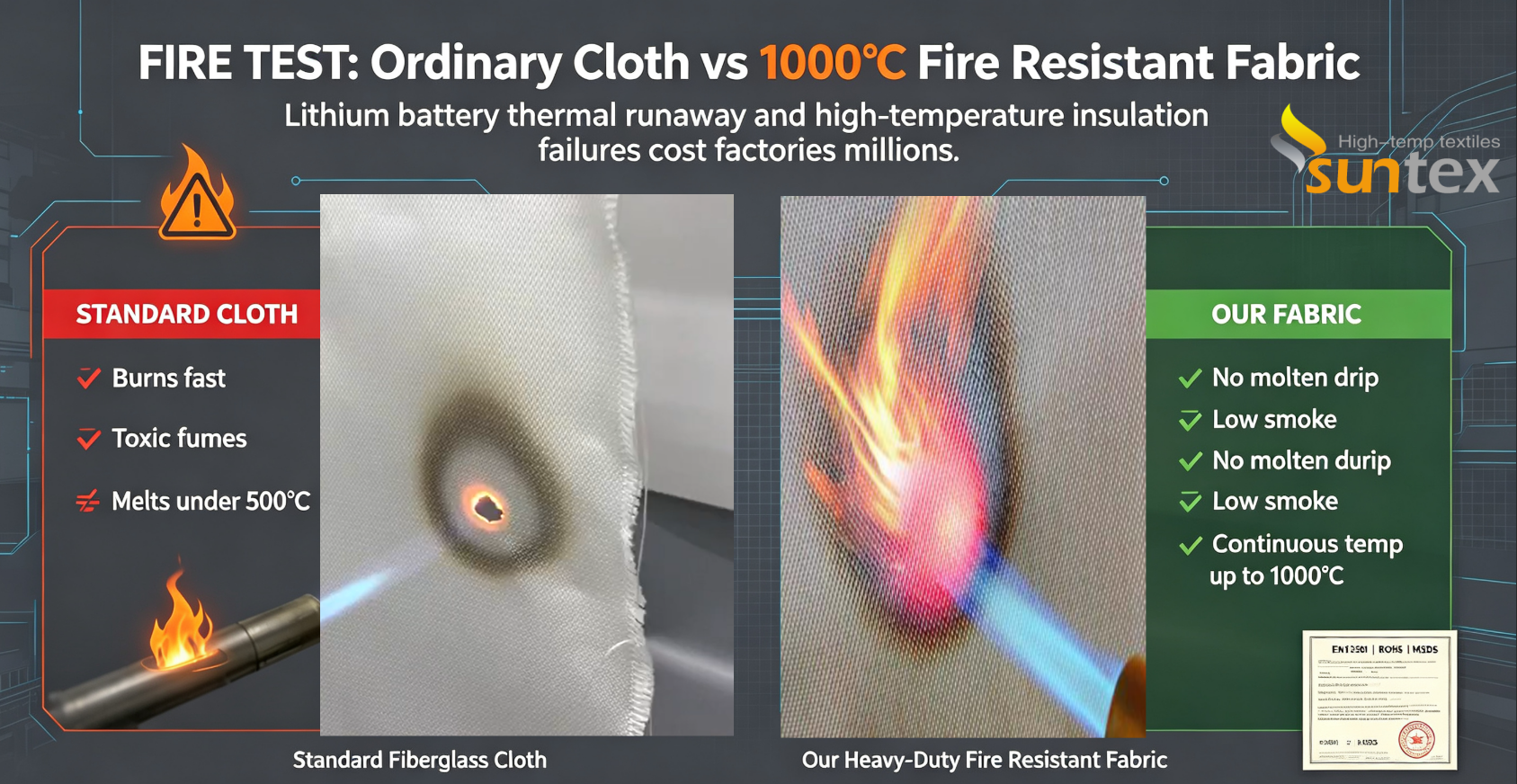
The Hidden Cost of Inferior Thermal Insulation Lithium battery thermal runaway and industrial high-temperature insulation failures frequently trigger factory fires, unplanned shutdowns and massive economic losses. Most of these accidents stem from low-performance standard insulation materials, rather than major equipment faults. Substandard fiberglass cloth fails under high heat, accelerating fire spread and causing costly industrial […]


 English
 Arabic
 Dutch
Dutch French
 German
 Italian
 Polish
 Portuguese
 Russian
 Spanish