

The Critical Role of Automotive Fire Blankets in Preventing Disasters at Vehicle Parking Hubs

With the rapid growth of electric vehicles (EVs) and densely packed parking facilities, the risk of catastrophic fires has surged. A single vehicle fire—especially involving battery thermal runaway—can trigger a chain reaction, engulfing multiple cars within minutes. Automotive fire blankets have emerged as a vital first-response solution, offering crucial protection in high-risk areas such as parking lots, garages, and EV charging stations.
Why Parking Areas Are High-Risk Zones
Dense Vehicle Concentration
Flames and extreme heat from a burning car can rapidly spread to adjacent vehicles. EVs pose an added danger, as lithium-ion battery fires exceed 1,000°C and reignite easily without intervention.
Limited Time for Intervention
Traditional fire extinguishers often fail to control battery fires, while waiting for firefighters may allow flames to escalate. Within 3–5 minutes, a small fire can become uncontrollable.
Smoke and Explosion Hazards
Toxic fumes and potential battery explosions endanger bystanders and complicate evacuation efforts.
How Fire Blankets Mitigate Disaster
Automotive fire blankets act as an instant barrier, addressing three key threats:
Flame Suppression – Smothers flames by cutting off oxygen, preventing horizontal spread.
Heat Containment – Reduces temperatures to delay or halt thermal runaway in EV batteries.
Multi-Threat Shield – Blocks smoke and minimizes explosion risks, protecting nearby vehicles and people.
Studies show that a properly deployed fire blanket can extend critical response time by 30+ minutes, allowing firefighters to arrive before the situation escalates.
Strategic Placement Saves Lives
To maximize safety, fire blankets should be:
✔ Installed in high-risk zones (EV charging spots, underground garages).
✔ Accessible within seconds (wall-mounted near parking aisles).
✔ Paired with alarms for immediate detection and action.
As urban vehicle density increases, proactive fire prevention is no longer optional. Automotive fire blankets offer a cost-effective, rapid-response layer of defense, reducing the likelihood of multi-vehicle infernos. For parking operators, fleet managers, and EV infrastructure providers, adopting this technology is a critical step toward avoiding massive financial losses and saving lives.

Invest in prevention today—before the first spark ignites.
Contact Details
Suntex Composite Industrial Co., Ltd.
Contact Person: Mr. Jason Hu
Tel: +86 132 0712 7986

Send your inquiry directly to us
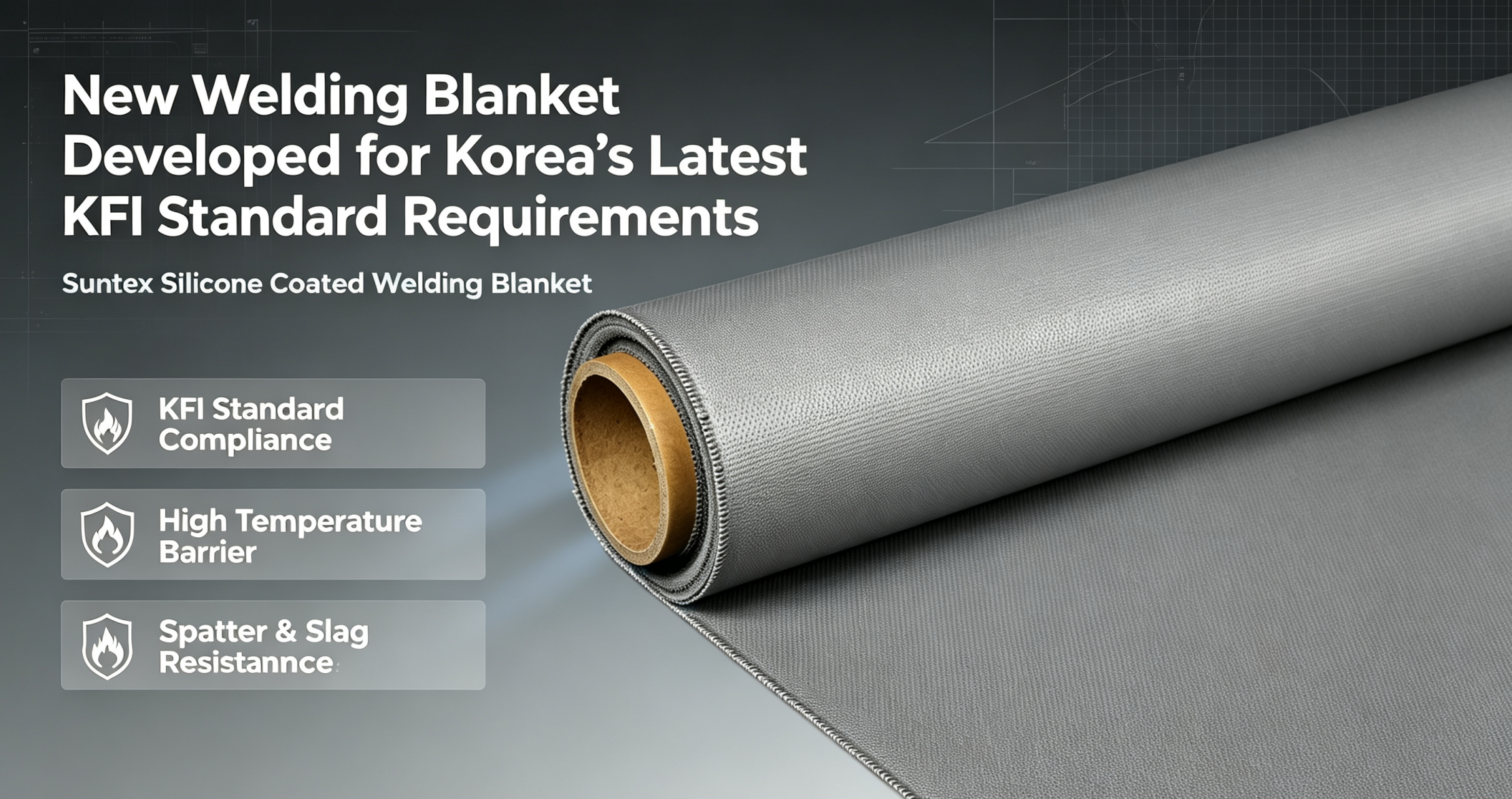
New Welding Blanket Developed for Korea’s Latest KFI Standard Requirements Suntex launches upgraded grey silicone-coated fiberglass welding blankets fully compliant with Korea’s latest KFI fire safety standards for hot work. Made of premium grey silicone coated fiberglass rolls, our blankets deliver reliable protection against welding sparks, molten slag, and high heat for welding, cutting, and […]
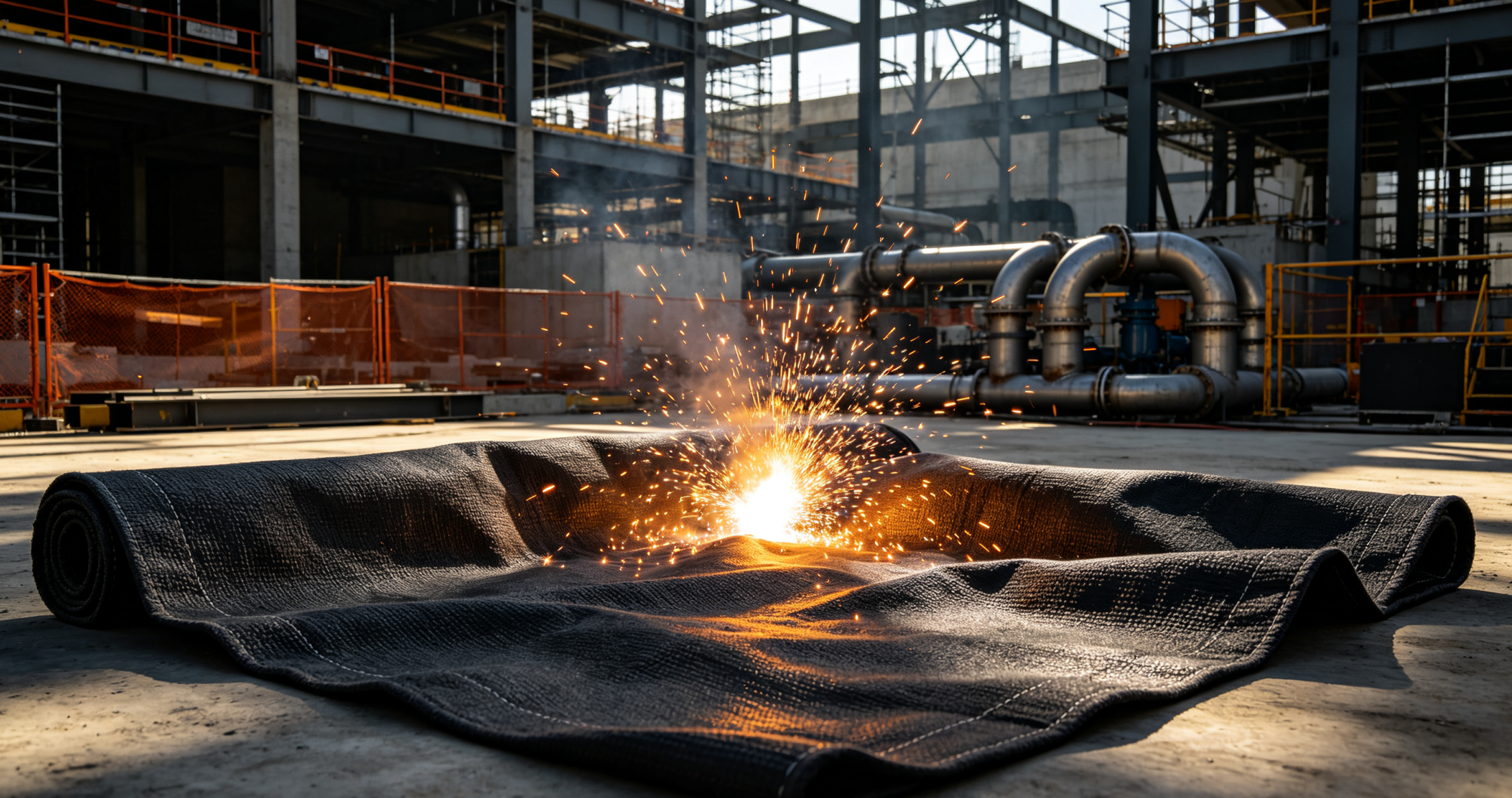
In the high-stakes environment of Japanese automotive manufacturing and precision machining, “good enough” is never enough. When a single stray spark can lead to costly downtime or compromise the integrity of automated assembly lines, the quality of your protective gear is a direct reflection of your operational safety standards. For facilities prioritizing fire prevention and […]
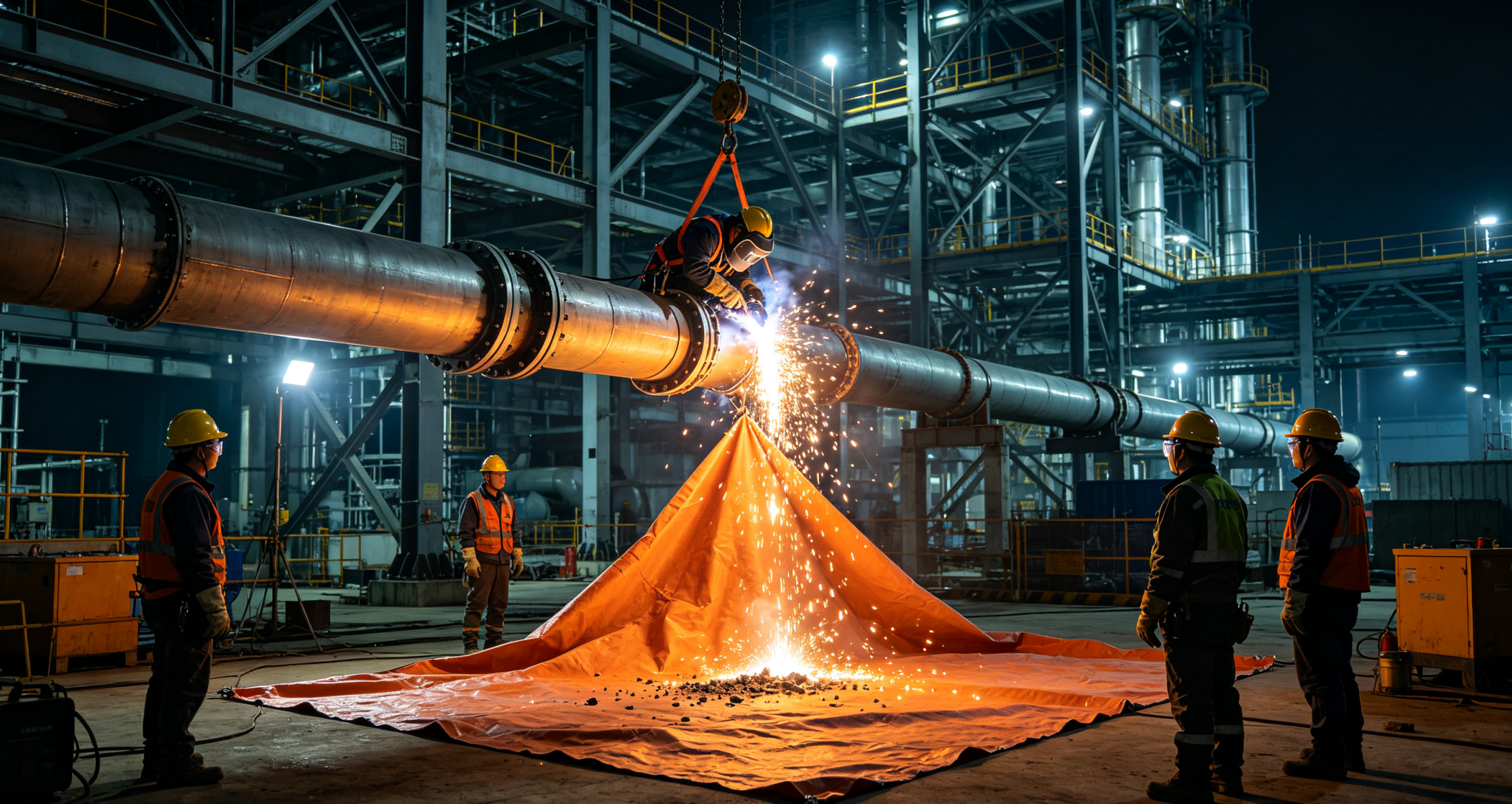
Welding sparks trigger most construction site fires. Even standardized operating procedures carry hidden risks if low-performance flame-retardant fabrics are used. Recent frequent construction fires sound alarms for hot work safety. Most welding-caused blazes stem from inadequate high-temperature slag shielding and substandard fire-resistant materials, rather than improper operation alone. Welding arcs hit over 6,000°C, with flying […]
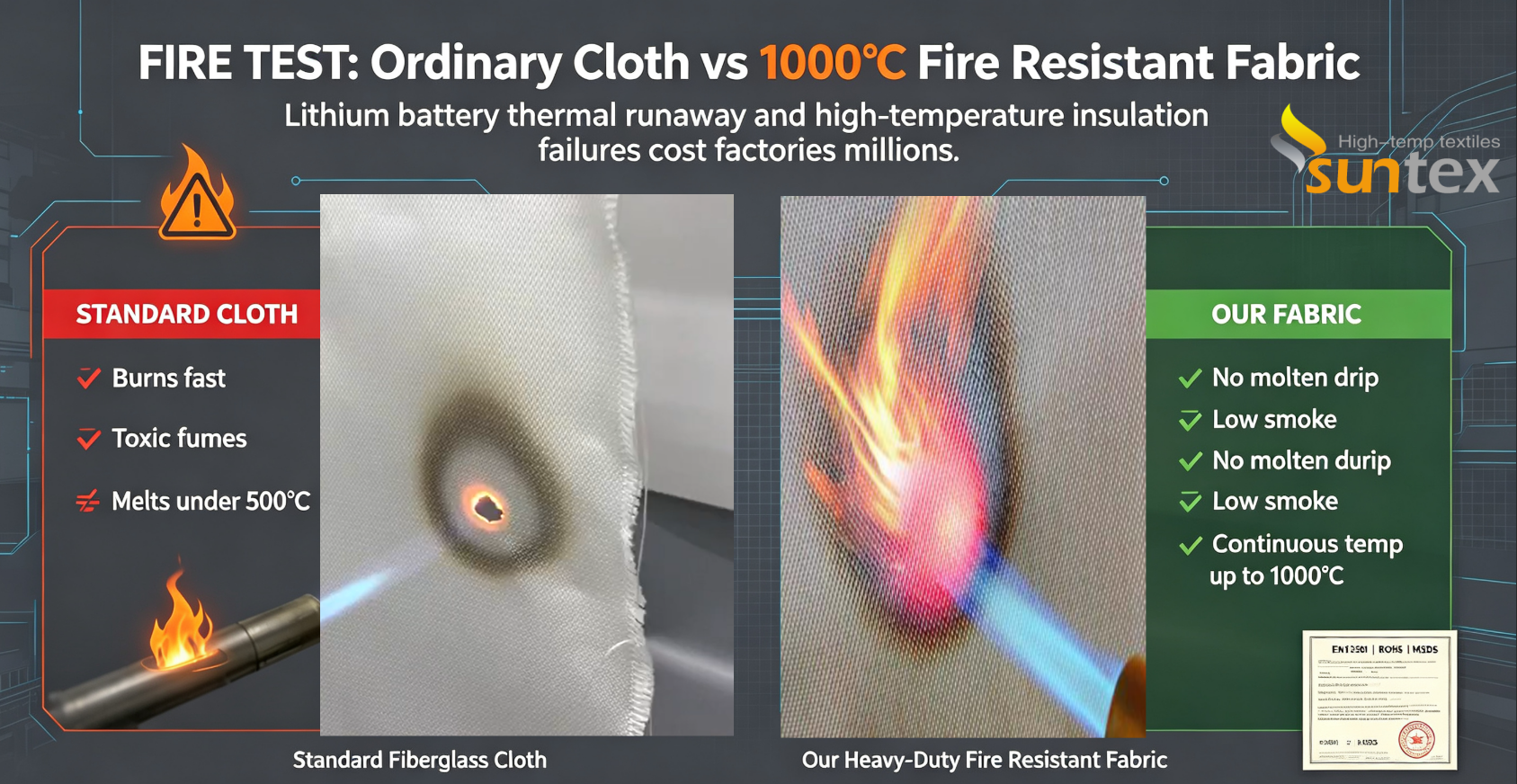
The Hidden Cost of Inferior Thermal Insulation Lithium battery thermal runaway and industrial high-temperature insulation failures frequently trigger factory fires, unplanned shutdowns and massive economic losses. Most of these accidents stem from low-performance standard insulation materials, rather than major equipment faults. Substandard fiberglass cloth fails under high heat, accelerating fire spread and causing costly industrial […]


 English
 Arabic
 Dutch
Dutch French
 German
 Italian
 Polish
 Portuguese
 Russian
 Spanish