

The global development of fire-resistant materials is moving towards multifunctionality, intelligence, and environmental sustainability. Let’s take a look at some of the latest innovations in fire-resistant materials!
1.Nacre-Mimetic Alumina–Cyanate Ester Composite Material
This material replicates the “brick-and-mortar” microstructure of natural nacre (mother-of-pearl) and is doped with chromium atoms to achieve reversible thermochromic properties. Its active fire-warning capability is exceptional, changing from red to gray-green within about 9 seconds at approximately 250°C, providing a visual alert during the early stages of a fire. With a limiting oxygen index (LOI) reaching 50%, its flame retardancy far surpasses that of most traditional materials. The biomimetic structure also imparts excellent toughness and impact resistance, making it suitable for high-safety applications such as aerospace, smart buildings, and high-end automotive manufacturing.
2.New Eco-Friendly Fire-Resistant Plastic
Made primarily from plant cellulose and mineral materials, this plastic is produced using environmentally friendly processes that avoid harmful substances commonly found in traditional flame retardants. It meets the UL94 V-0 standard, meaning it self-extinguishes within 3 seconds after being removed from an open flame in vertical burning tests. Its thermal insulation properties exceed those of traditional flame-retardant plastics, effectively delaying the spread of fire and heat transfer. Applications include building fire barriers, pipe cladding, and protective components for electric vehicle battery packs, balancing safety and environmental sustainability.
3.Low-Carbon Fire-Resistant Building Materials
Produced from sugarcane bagasse—a byproduct of sugar production—and mineral-based binders, this material is both low-carbon and cost-effective, representing a sustainable building solution. It achieves an EI 240 fire resistance rating for building components, maintaining structural integrity and thermal insulation for up to 4 hours under standard fire testing at 1,100°C, with its outer surface temperature remaining at only 26°C. Ideal for industrial firewalls, fire-safe escape routes, and buildings with both fire resistance and sustainability requirements, such as data centers.
Graphene-Based Eco-Friendly Foam Fire Extinguisher
Utilizing graphene and other advanced material technologies, this firefighting foam is developed to be free of fluorine and persistent organic pollutants, offering an environmentally friendly alternative to harmful PFAS-containing foams. Currently in the research and certification stage, its goal is to meet or exceed the performance standards of existing military-grade fire extinguishing agents. It is intended for use in specialized military and civilian firefighting applications, such as naval vessels and airports.
The forefront of fire safety technology is shifting from a singular focus on “flame retardancy” to an active defense system integrating “intelligent early warning + highly efficient flame retardancy.” Research and development are increasingly adopting bio-based and mineral-based raw materials to reduce carbon footprints and environmental harm. By combining biomimetics, nanotechnology, and materials science, performance boundaries are being pushed further. In the future, the integration of AI-assisted design and 3D printing technologies will make fire-resistant materials even smarter, more efficient, and highly customizable.
Contact Details
Suntex Composite Industrial Co., Ltd.
Contact Person: Mr. Jason Hu
Tel: +86 132 0712 7986

Send your inquiry directly to us
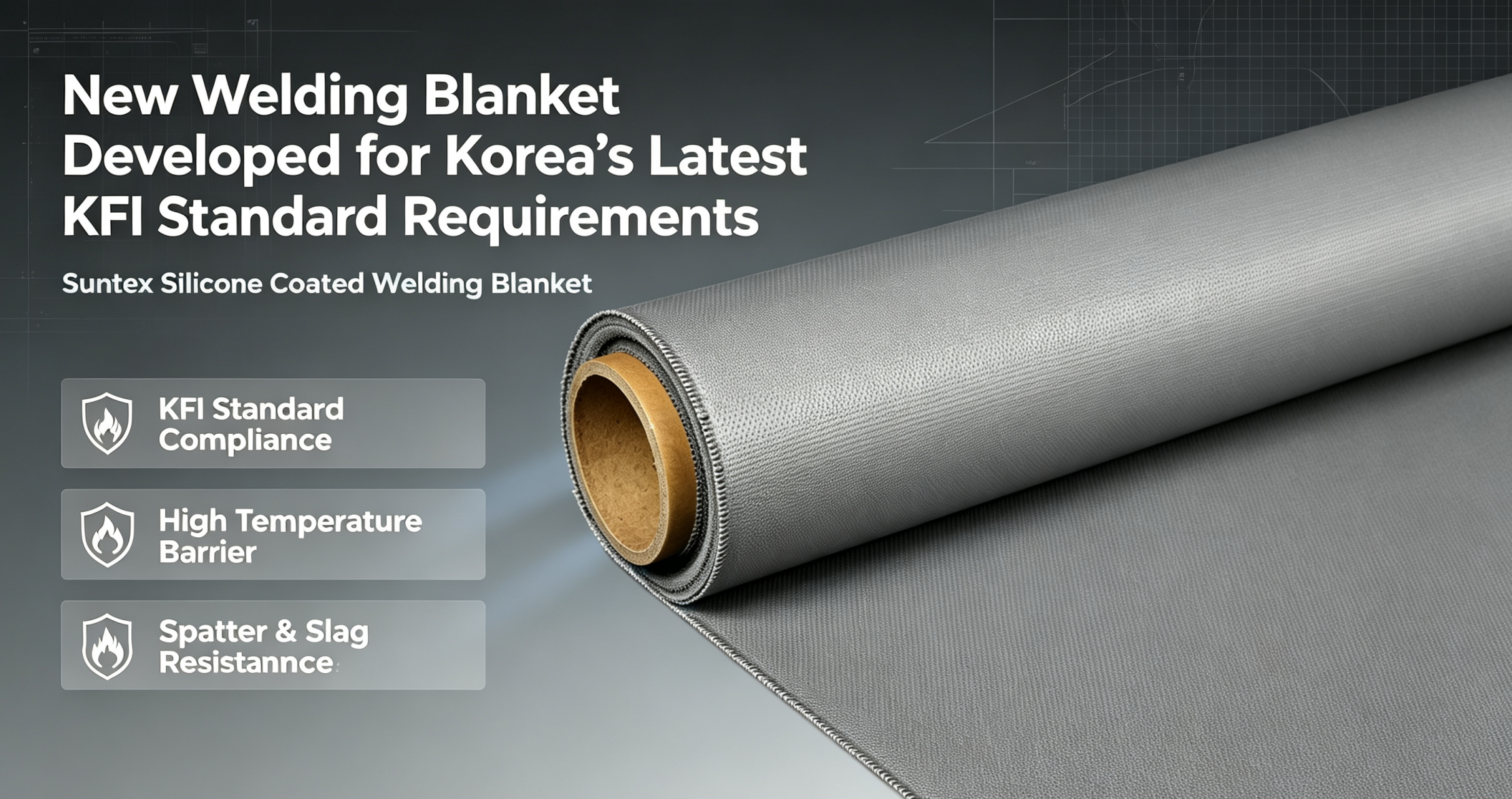
New Welding Blanket Developed for Korea’s Latest KFI Standard Requirements Suntex launches upgraded grey silicone-coated fiberglass welding blankets fully compliant with Korea’s latest KFI fire safety standards for hot work. Made of premium grey silicone coated fiberglass rolls, our blankets deliver reliable protection against welding sparks, molten slag, and high heat for welding, cutting, and […]
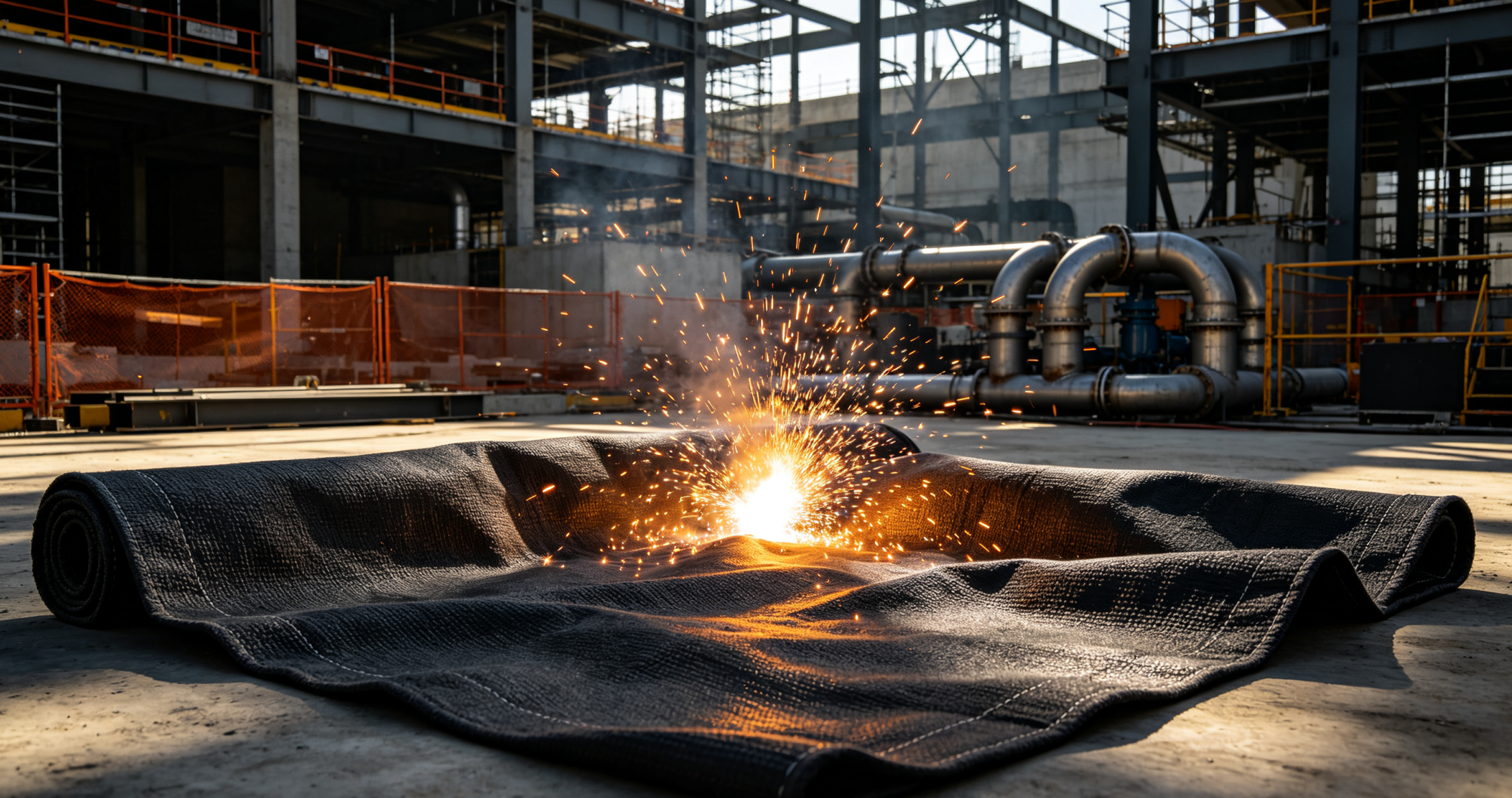
In the high-stakes environment of Japanese automotive manufacturing and precision machining, “good enough” is never enough. When a single stray spark can lead to costly downtime or compromise the integrity of automated assembly lines, the quality of your protective gear is a direct reflection of your operational safety standards. For facilities prioritizing fire prevention and […]
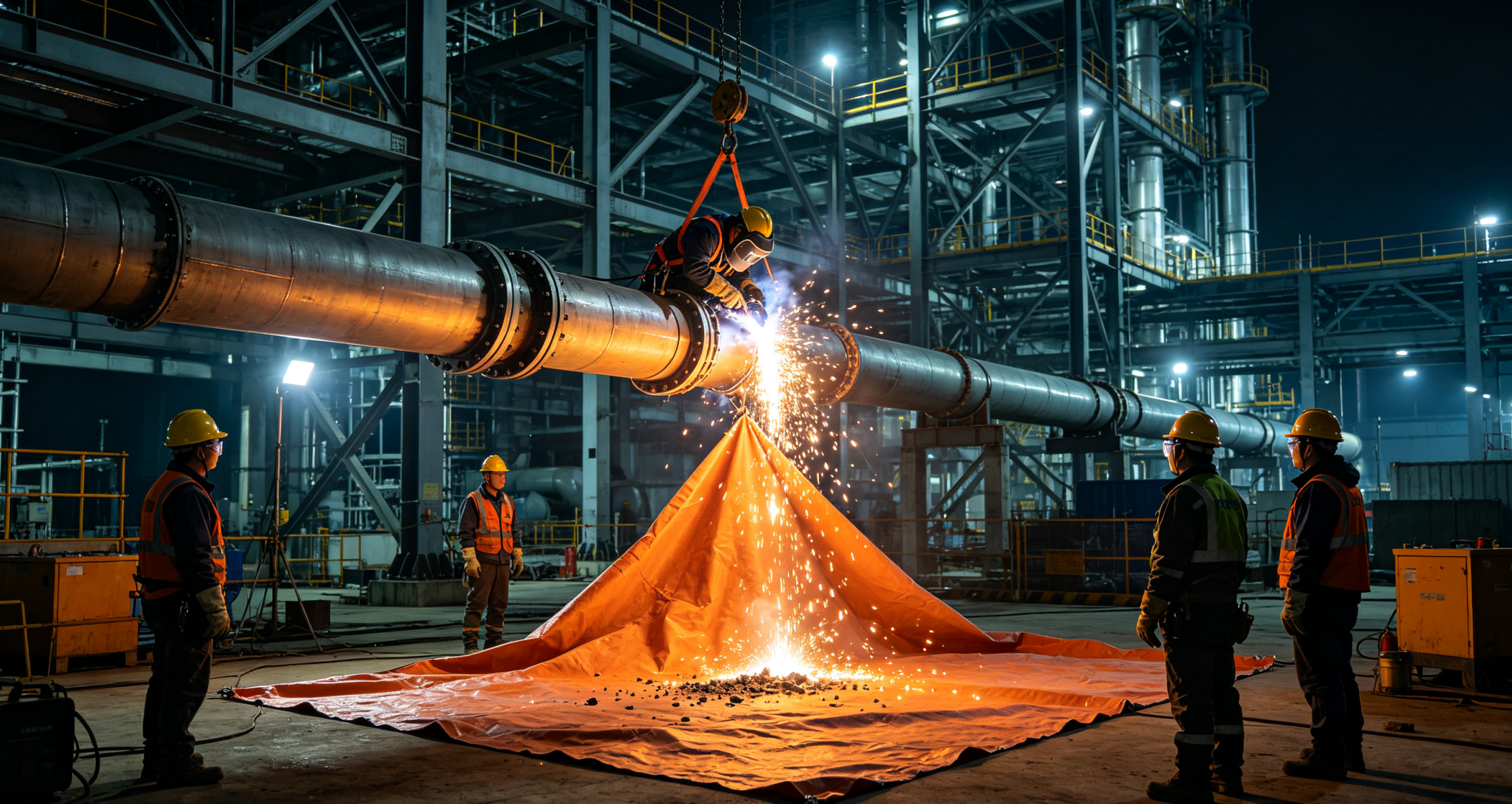
Welding sparks trigger most construction site fires. Even standardized operating procedures carry hidden risks if low-performance flame-retardant fabrics are used. Recent frequent construction fires sound alarms for hot work safety. Most welding-caused blazes stem from inadequate high-temperature slag shielding and substandard fire-resistant materials, rather than improper operation alone. Welding arcs hit over 6,000°C, with flying […]
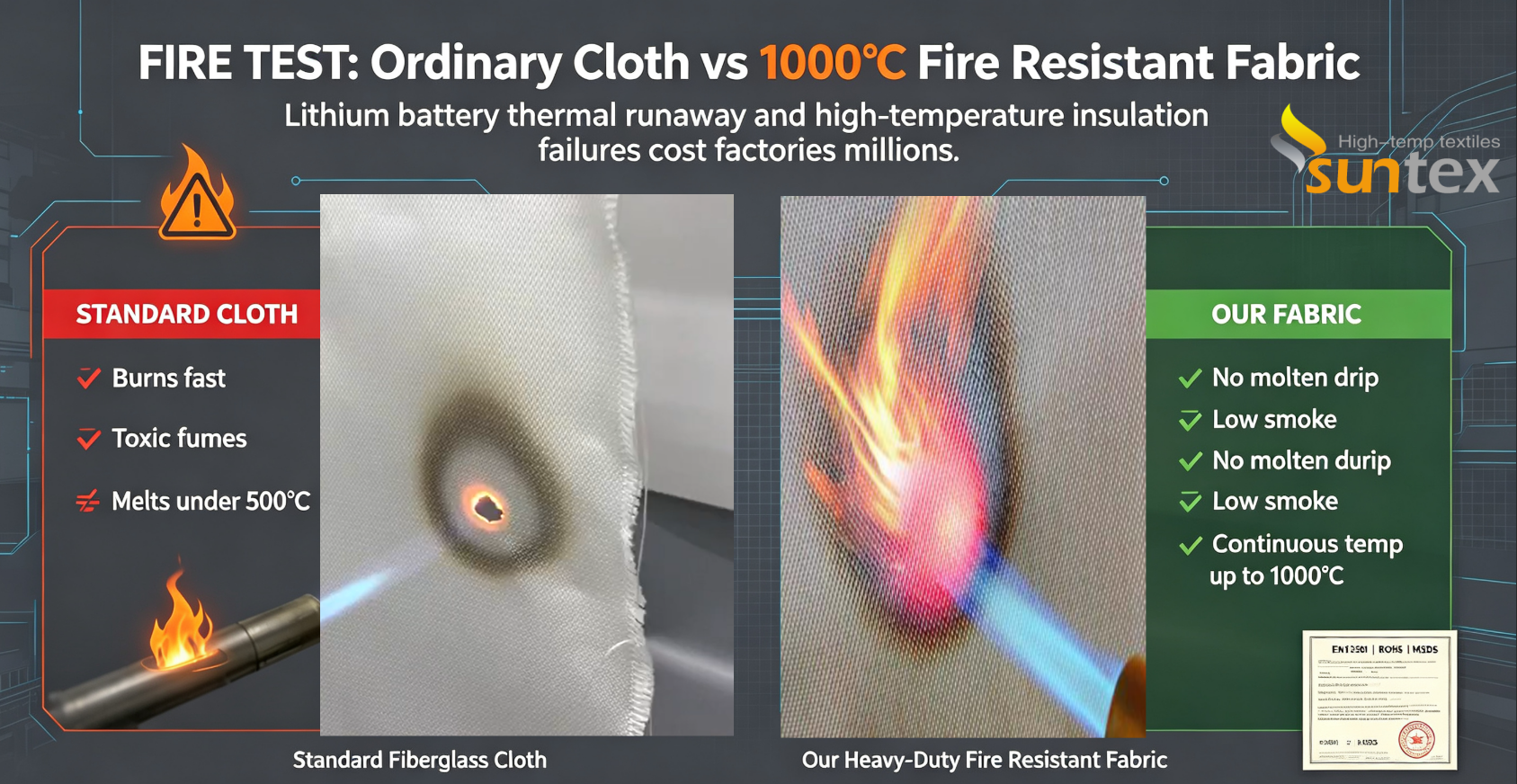
The Hidden Cost of Inferior Thermal Insulation Lithium battery thermal runaway and industrial high-temperature insulation failures frequently trigger factory fires, unplanned shutdowns and massive economic losses. Most of these accidents stem from low-performance standard insulation materials, rather than major equipment faults. Substandard fiberglass cloth fails under high heat, accelerating fire spread and causing costly industrial […]


 English
 Arabic
 Dutch
Dutch French
 German
 Italian
 Polish
 Portuguese
 Russian
 Spanish