

Welcome to the fascinating world of high temperature glass cloth! In this article, we dive deep into the science behind this remarkable material, unraveling its composition and exploring its exceptional performance. High temperature glass cloth is no ordinary textile. It is a product of cutting-edge engineering and meticulous craftsmanship, designed to withstand extreme heat and provide unparalleled insulation. By delving into its composition, we unravel the secrets behind its remarkable properties. From the choice of raw materials to the intricate weaving techniques, every aspect is carefully considered to ensure optimal performance. But what makes high temperature glass cloth truly remarkable is its ability to balance durability with flexibility, making it an indispensable material in a wide range of industries. So, if you’re ready to explore the science behind this extraordinary material, join us on this journey as we uncover the secrets of high temperature glass cloth and its unrivaled performance.

Composition of High Temperature Glass Cloth
High temperature glass cloth is composed of a unique blend of materials that contribute to its exceptional performance. The primary ingredient is glass fiber, which is created by melting silica sand at extremely high temperatures. This molten silica is then extruded into thin strands, which are woven together to form a strong, flexible fabric. The glass fiber provides high temperature resistance, as well as excellent chemical resistance, making it ideal for use in harsh environments.
In addition to glass fiber, high temperature glass cloth may also contain binders and coatings to enhance its properties. Binders are added to improve the fabric’s strength and stability, while coatings can provide additional heat resistance or flame retardancy. These additives are carefully chosen to ensure compatibility with the glass fiber and to maximize the overall performance of the cloth.
The composition of high temperature glass cloth is a delicate balance of materials, each playing a crucial role in its performance. The precise combination of glass fiber, binders, and coatings allows the cloth to withstand extreme temperatures, resist chemical attack, and provide effective insulation. This unique composition sets high temperature glass cloth apart from other textiles and makes it an essential material in many industries.
Properties and Performance of High Temperature Glass Cloth
The composition of high temperature glass cloth gives it a wide range of properties that make it suitable for various applications. One of the most notable properties is its ability to withstand high temperatures. High temperature glass cloth can typically withstand temperatures of up to 1000 degrees Celsius, making it ideal for use in furnaces, kilns, and other high-temperature environments.
In addition to its high temperature resistance, high temperature glass cloth also exhibits excellent thermal insulation properties. The fabric is capable of trapping heat and preventing its transfer, which is crucial in applications where heat retention is important. This property makes high temperature glass cloth an excellent choice for insulation blankets, gaskets, and seals.
Another key property of high temperature glass cloth is its durability. The glass fiber used in its composition provides excellent strength and resistance to wear and tear. This allows the cloth to withstand repeated exposure to high temperatures, as well as mechanical stress and abrasion. The durability of high temperature glass cloth ensures a long service life, reducing the need for frequent replacements.
Furthermore, high temperature glass cloth is known for its excellent chemical resistance. It can withstand exposure to a wide range of chemicals, including acids, alkalis, and solvents. This makes it suitable for use in industries such as chemical processing, where resistance to corrosive substances is essential.
The unique combination of properties exhibited by high temperature glass cloth makes it a versatile material with a wide range of applications. From insulation in aerospace and automotive industries to protection in welding and firefighting, high temperature glass cloth plays a crucial role in ensuring safety and efficiency.

Applications of High Temperature Glass Cloth
High temperature glass cloth finds its application in a wide range of industries due to its exceptional properties. One of the primary applications of high temperature glass cloth is in thermal insulation. The fabric’s ability to withstand high temperatures and provide effective insulation makes it ideal for use in furnace linings, insulation blankets, and heat shields. By trapping heat and preventing its transfer, high temperature glass cloth helps to improve energy efficiency and reduce heat loss.
Another common application of high temperature glass cloth is in the manufacturing of gaskets and seals. The fabric’s durability and chemical resistance make it an excellent choice for creating reliable and long-lasting seals in high-temperature environments. Whether it’s in automotive engines, industrial machinery, or chemical processing equipment, high temperature glass cloth ensures leak-free operations.
High temperature glass cloth is also widely used in the aerospace industry. Its ability to withstand extreme heat and provide insulation makes it suitable for various applications, including thermal protection for spacecraft re-entry, engine insulation, and insulation for cryogenic fuel tanks. The fabric’s lightweight and flexibility are also advantageous in aerospace applications, where weight and space constraints are critical.
Furthermore, high temperature glass cloth is utilized in the construction industry for fireproofing and insulation purposes. The fabric’s fire-resistant properties and ability to withstand high temperatures make it an essential component in fire curtains, fire-resistant doors, and insulation systems. It helps to prevent the spread of fire and provides valuable time for evacuation and firefighting.
The applications of high temperature glass cloth are not limited to these industries alone. It is also used in welding blankets, protective clothing, electrical insulation, and many other areas where reliable heat resistance is required. The versatility of high temperature glass cloth makes it an invaluable material in numerous sectors.
Manufacturing Process of High Temperature Glass Cloth
The manufacturing process of high temperature glass cloth involves several intricate steps that are crucial in ensuring its quality and performance. The process begins with the selection of high-quality raw materials, primarily glass fiber. The glass fiber is obtained by melting silica sand at temperatures exceeding 1500 degrees Celsius. This molten glass is then extruded through fine nozzles, creating thin strands of glass fiber.
The extruded glass fiber strands are then collected and grouped into bundles, known as rovings. These rovings are then further processed to align the individual glass fibers in a parallel configuration. This alignment is crucial for providing strength and stability to the final fabric.
Next, the aligned glass fibers are subjected to a weaving process, where they are interlaced to form a fabric. The weaving process can be done using various techniques, such as plain weave, twill weave, or satin weave. Each weaving pattern offers different characteristics in terms of strength, flexibility, and heat resistance.
After the weaving process, the fabric undergoes a heat treatment known as annealing. Annealing helps to relieve internal stresses in the fabric and improve its dimensional stability. It also enhances the fabric’s resistance to heat and mechanical stress.
Once the fabric is annealed, it may undergo additional processes such as coating or impregnation. Coatings can be applied to enhance the fabric’s heat resistance or flame retardancy, while impregnation can improve its chemical resistance. These additional processes are carefully chosen to complement the fabric’s properties and ensure optimal performance.
The final step in the manufacturing process is the quality control inspection. The fabric is thoroughly examined for any defects or inconsistencies, ensuring that only the highest quality products are released to the market.
The manufacturing process of high temperature glass cloth requires precision and attention to detail at every stage. From the selection of raw materials to the final inspection, each step contributes to the fabric’s exceptional performance and reliability.

Contact Details
Suntex Composite Industrial Co., Ltd.
Contact Person: Mr. Jason Hu
Tel: +86 132 0712 7986

Send your inquiry directly to us
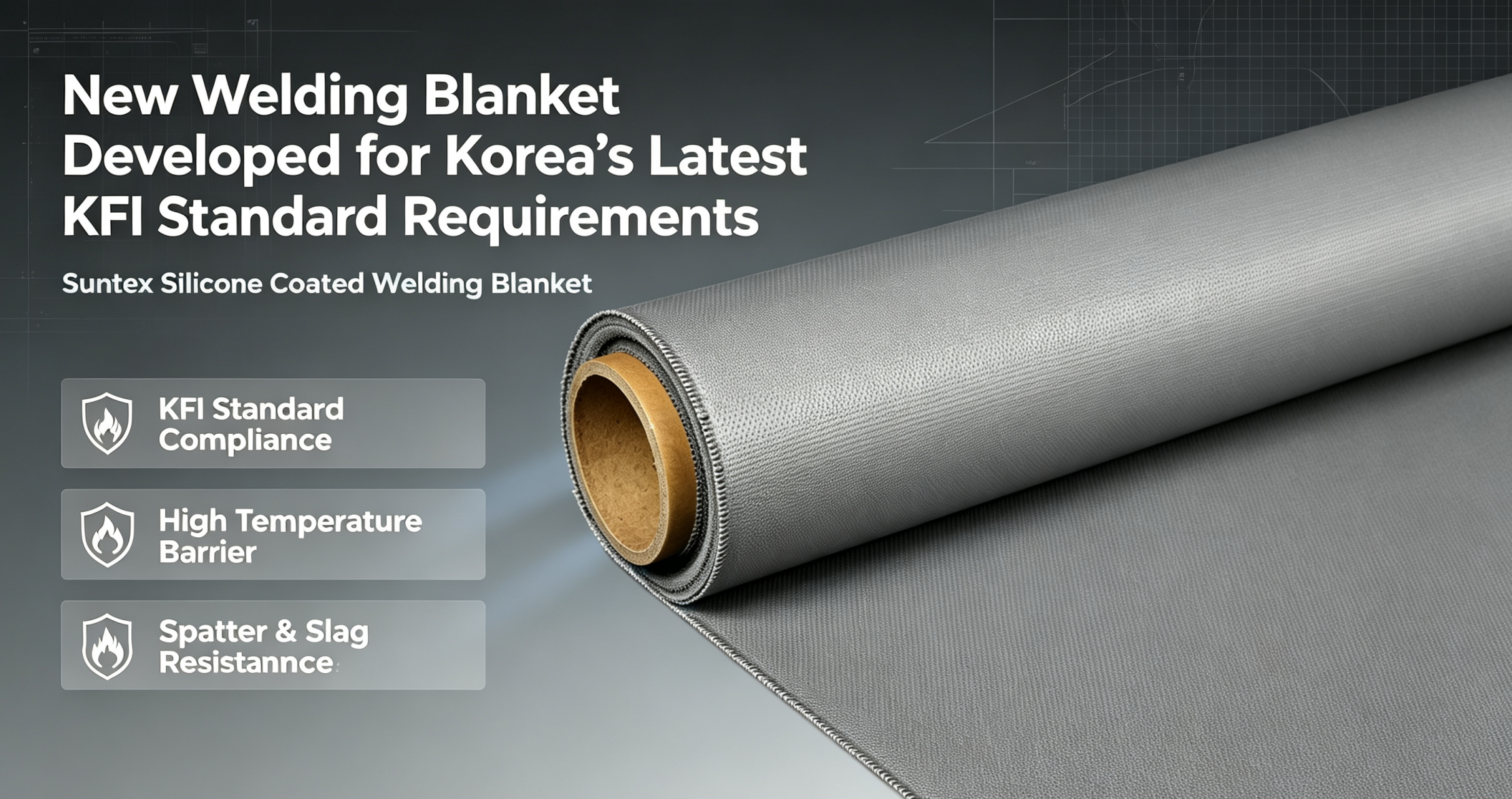
New Welding Blanket Developed for Korea’s Latest KFI Standard Requirements Suntex launches upgraded grey silicone-coated fiberglass welding blankets fully compliant with Korea’s latest KFI fire safety standards for hot work. Made of premium grey silicone coated fiberglass rolls, our blankets deliver reliable protection against welding sparks, molten slag, and high heat for welding, cutting, and […]
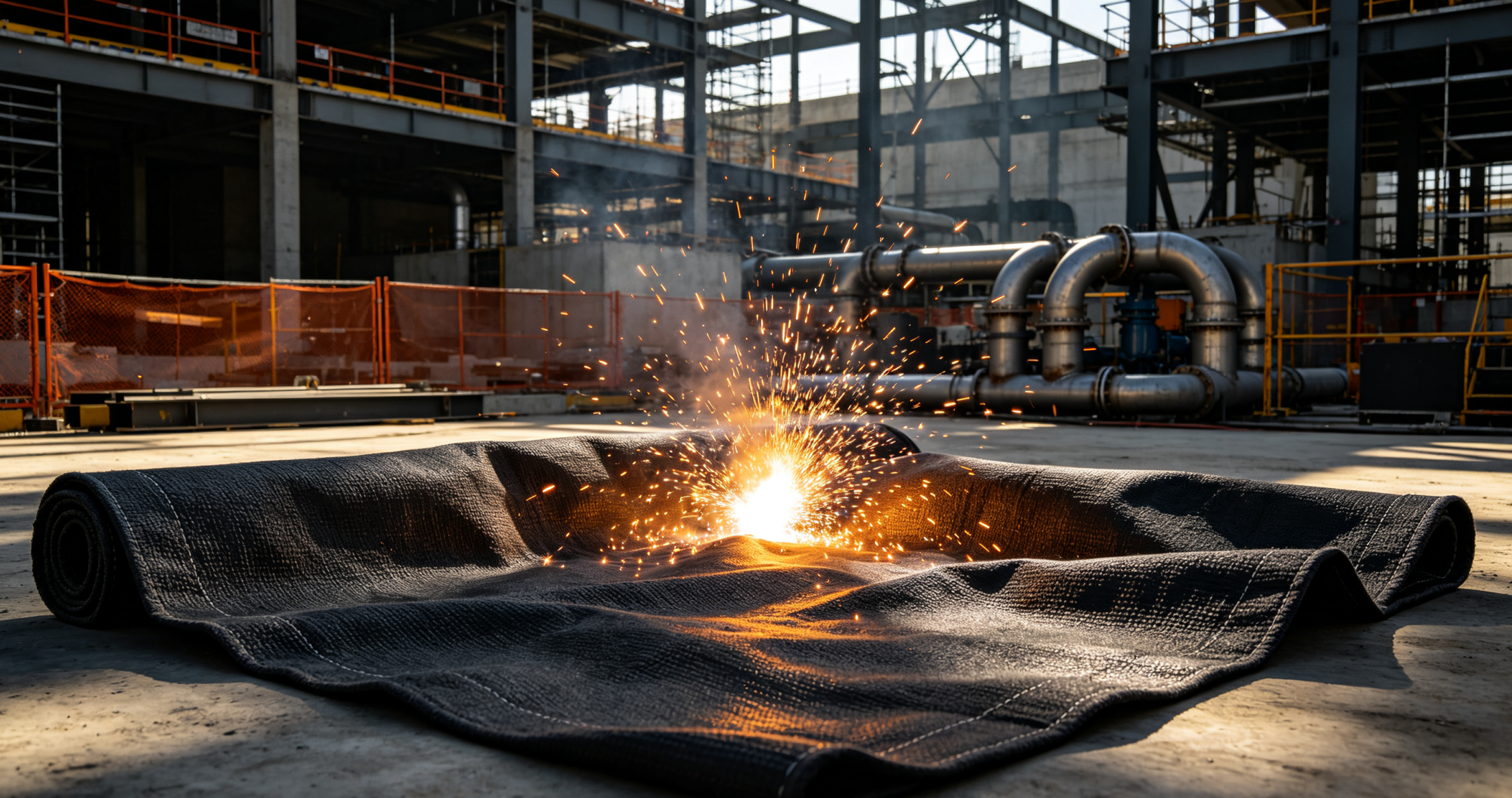
In the high-stakes environment of Japanese automotive manufacturing and precision machining, “good enough” is never enough. When a single stray spark can lead to costly downtime or compromise the integrity of automated assembly lines, the quality of your protective gear is a direct reflection of your operational safety standards. For facilities prioritizing fire prevention and […]
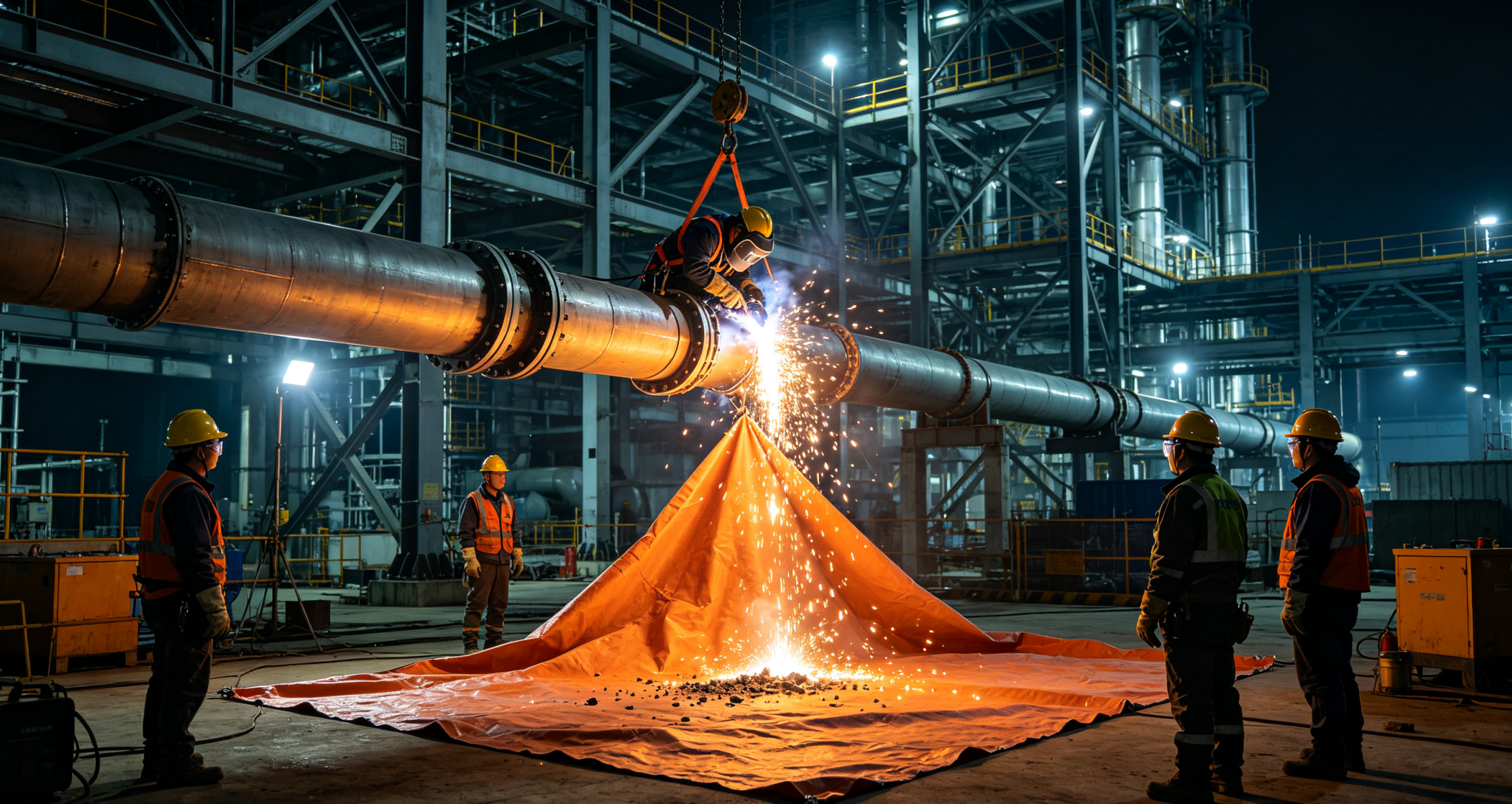
Welding sparks trigger most construction site fires. Even standardized operating procedures carry hidden risks if low-performance flame-retardant fabrics are used. Recent frequent construction fires sound alarms for hot work safety. Most welding-caused blazes stem from inadequate high-temperature slag shielding and substandard fire-resistant materials, rather than improper operation alone. Welding arcs hit over 6,000°C, with flying […]
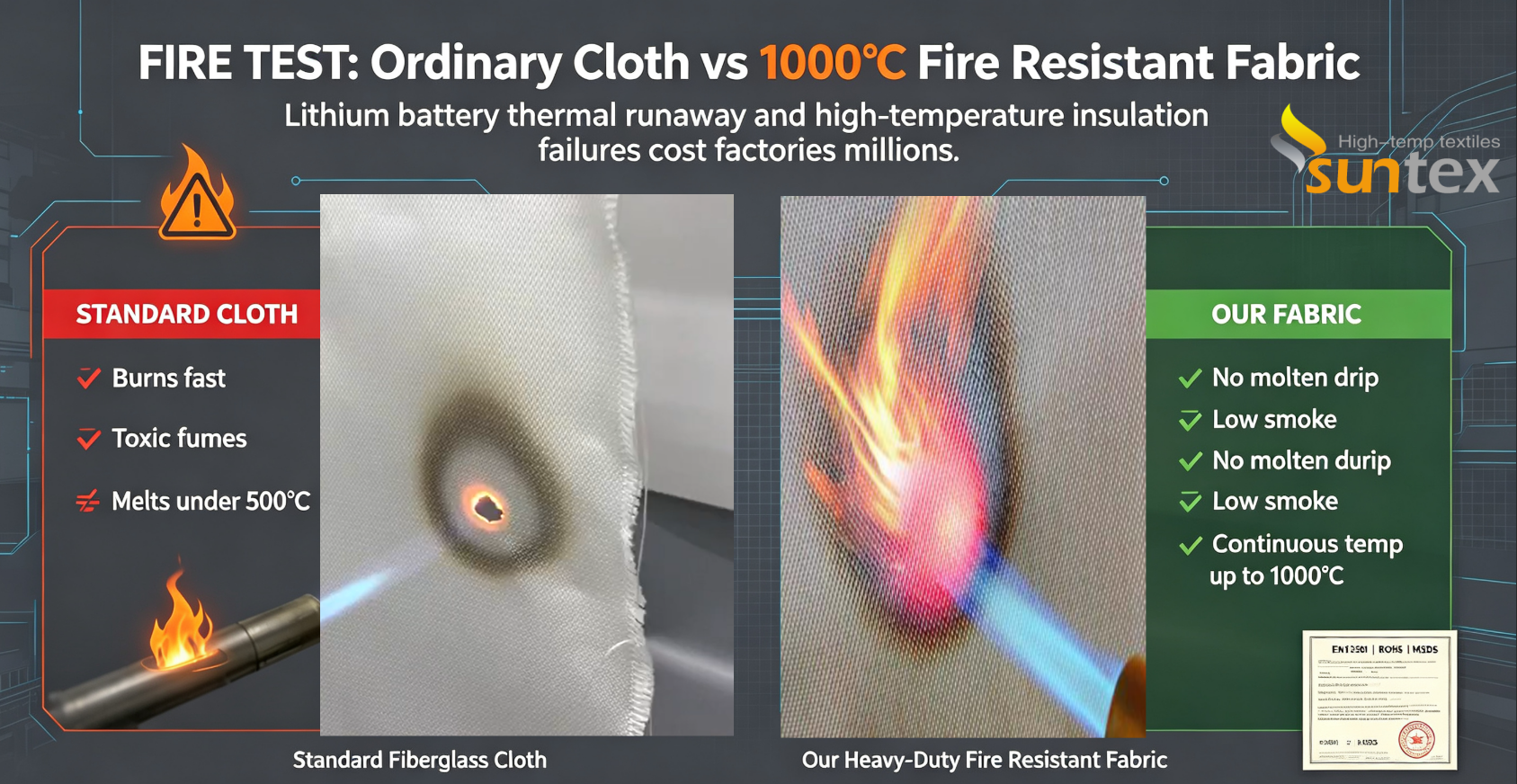
The Hidden Cost of Inferior Thermal Insulation Lithium battery thermal runaway and industrial high-temperature insulation failures frequently trigger factory fires, unplanned shutdowns and massive economic losses. Most of these accidents stem from low-performance standard insulation materials, rather than major equipment faults. Substandard fiberglass cloth fails under high heat, accelerating fire spread and causing costly industrial […]


 English
 Arabic
 Dutch
Dutch French
 German
 Italian
 Polish
 Portuguese
 Russian
 Spanish