
The Science Behind High Temperature Woven Fabric: Exploring its Properties and Benefits
When it comes to high temperature environments, having the right protective gear is crucial. That’s where high temperature woven fabric comes in. This remarkable material is specifically designed to withstand extreme heat and provide optimal protection for those who work in industries such as firefighting, aerospace, and metalworking. But what exactly makes this fabric so unique? In this article, we will delve into the science behind high temperature woven fabric, exploring its properties and uncovering the benefits it offers. From its exceptional insulation capabilities to its resistance against flames and chemicals, we will shed light on the remarkable features that make this fabric an indispensable asset in hazardous working conditions. So, whether you’re a professional seeking to understand the intricacies of high temperature woven fabric or simply curious about the science behind this innovative textile, join us as we unravel the secrets behind its success.

Properties of high temperature woven fabric
High temperature woven fabric possesses a range of properties that make it ideal for use in extreme heat environments. One of its key features is its exceptional insulation capabilities. The fabric is designed to trap air within its fibers, creating a layer of insulation that helps to minimize heat transfer. This insulation not only protects the wearer from external heat sources, but it also helps to regulate body temperature, preventing overheating.
In addition to its insulation properties, high temperature woven fabric is also highly flame-resistant. It has a high ignition point and is able to withstand direct exposure to flames without catching fire. This flame resistance is crucial in industries where workers are exposed to open flames or sparks, such as welding or foundry work. Furthermore, the fabric is also resistant to chemicals, making it suitable for use in environments where exposure to hazardous substances is a concern.
Finally, high temperature woven fabric is known for its durability. It is designed to withstand repeated exposure to high temperatures without degrading or losing its protective properties. This durability ensures that the fabric can withstand the demands of harsh working conditions and continue to provide reliable protection over time.

Benefits of using high temperature woven fabric
The use of high temperature woven fabric offers several benefits for professionals working in high temperature environments. First and foremost, the fabric provides a high level of protection against heat and flames. This is essential in industries where workers are at risk of exposure to extreme temperatures, such as firefighters or workers in foundries. The fabric’s ability to resist flames and withstand high temperatures ensures that workers remain safe and protected.
Another benefit of high temperature woven fabric is its breathability. Despite its insulation properties, the fabric allows for the passage of air, preventing the buildup of heat and moisture against the skin. This breathability helps to keep the wearer comfortable and reduces the risk of heat-related illnesses such as heat exhaustion or heatstroke.
Additionally, high temperature woven fabric is lightweight and flexible, allowing for ease of movement. This is particularly important in industries where workers need to perform tasks that require agility and flexibility, such as aerospace or automotive manufacturing. The fabric’s lightweight nature ensures that it does not impede movement or restrict the wearer’s range of motion, allowing for increased productivity and efficiency.
Applications of high temperature woven fabric
High temperature woven fabric finds a wide range of applications in various industries. One of the primary uses of this fabric is in protective clothing for firefighters. The fabric’s ability to withstand high temperatures and resist flames makes it an essential component in firefighter turnout gear. This protective clothing helps to safeguard firefighters from the extreme heat and flames they encounter while battling fires.
Another industry that relies heavily on high temperature woven fabric is aerospace. The fabric is used in the construction of thermal protection systems for spacecraft and aircraft. These systems provide insulation and protection against the intense heat generated during re-entry into the Earth’s atmosphere or when traveling at high speeds. The fabric’s ability to withstand extreme temperatures ensures the safety of astronauts and aircraft crew members.
Metalworking is yet another industry where high temperature woven fabric is extensively used. The fabric is employed in the production of welding blankets, curtains, and sleeves to protect workers from sparks, molten metal, and heat generated during welding or metal fabrication processes. The fabric’s flame resistance and durability make it an ideal choice for such applications.

Testing and quality control of high temperature woven fabric
To ensure the reliability and effectiveness of high temperature woven fabric, rigorous testing and quality control measures are implemented throughout the manufacturing process. These tests assess various properties of the fabric, including flame resistance, heat insulation, and durability.
Flame resistance testing involves subjecting the fabric to an open flame for a specified period of time and evaluating its performance. The fabric must meet specific criteria, such as not igniting or spreading flames, to be considered flame-resistant.
Heat insulation testing determines the fabric’s ability to trap air and minimize heat transfer. This is typically done by measuring the fabric’s thermal conductivity and assessing its insulation capabilities.
Durability testing involves subjecting the fabric to repeated cycles of high temperatures and evaluating its performance over time. This helps to ensure that the fabric maintains its protective properties even with prolonged exposure to extreme heat.
Choosing the right high temperature woven fabric for your needs
When selecting high temperature woven fabric for a specific application, several factors should be considered. First and foremost, the fabric’s temperature rating should align with the expected heat exposure in the intended working environment. It is crucial to choose a fabric that can withstand the maximum temperature to which workers may be exposed.
Additionally, the fabric’s flame resistance and chemical resistance should be evaluated based on the specific hazards present in the working environment. This ensures that the fabric provides adequate protection against potential risks.
Furthermore, factors such as breathability, flexibility, and durability should also be taken into account. The fabric should allow for comfortable wear, unrestricted movement, and long-lasting performance.
Contact Details
Suntex Composite Industrial Co., Ltd.
Contact Person: Mr. Jason Hu
Tel: +86 132 0712 7986

Send your inquiry directly to us
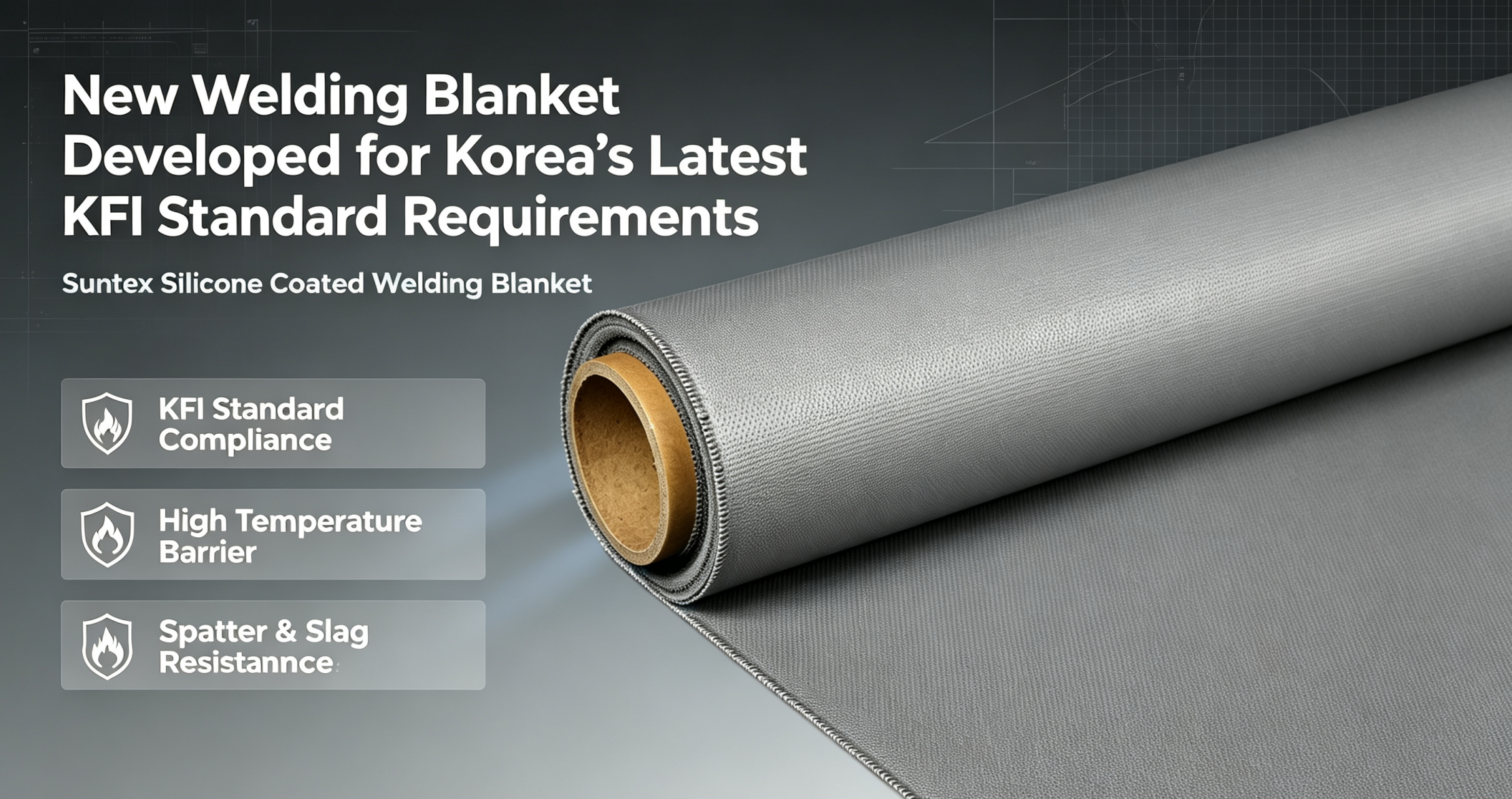
New Welding Blanket Developed for Korea’s Latest KFI Standard Requirements Suntex launches upgraded grey silicone-coated fiberglass welding blankets fully compliant with Korea’s latest KFI fire safety standards for hot work. Made of premium grey silicone coated fiberglass rolls, our blankets deliver reliable protection against welding sparks, molten slag, and high heat for welding, cutting, and […]
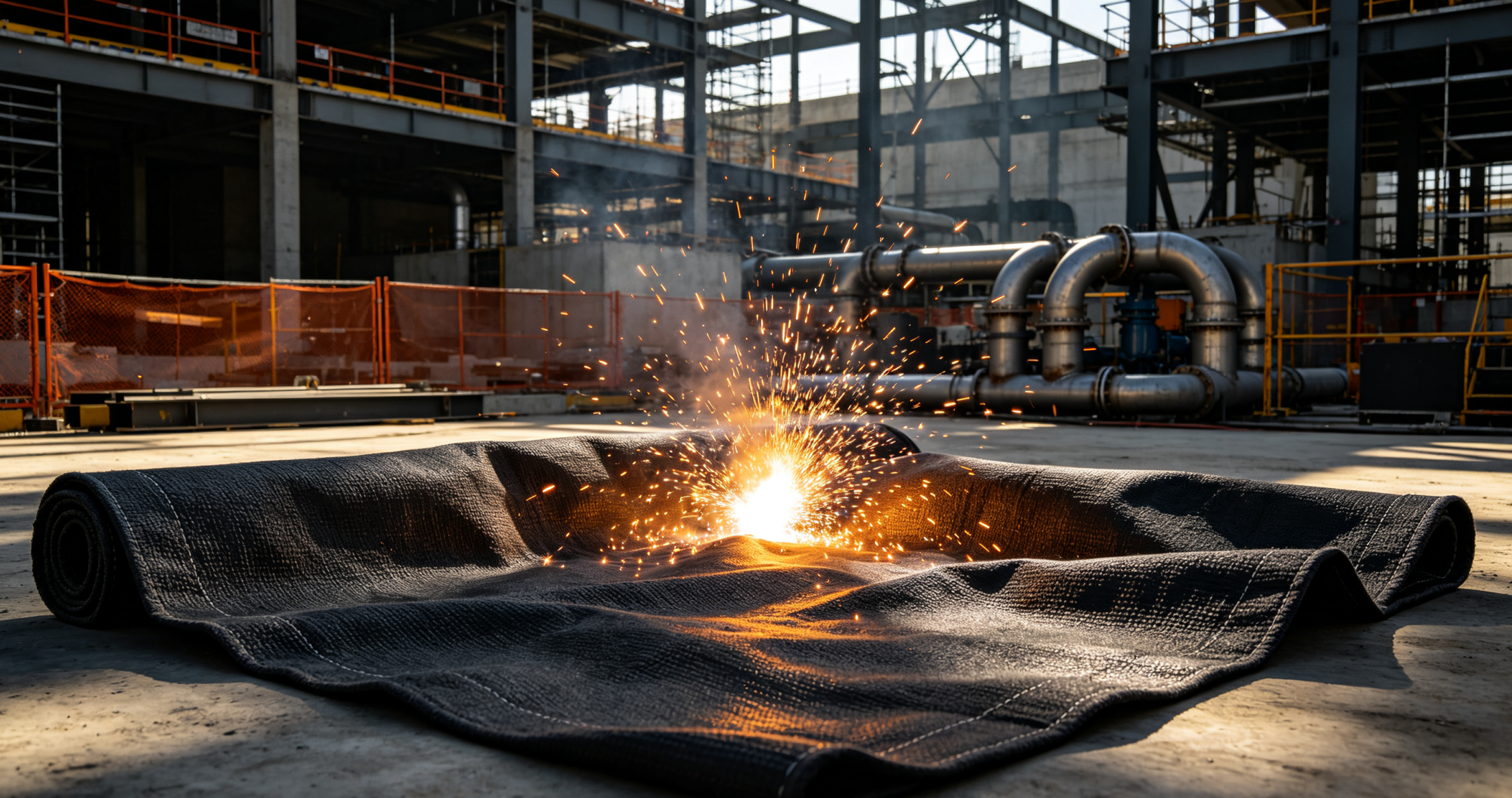
In the high-stakes environment of Japanese automotive manufacturing and precision machining, “good enough” is never enough. When a single stray spark can lead to costly downtime or compromise the integrity of automated assembly lines, the quality of your protective gear is a direct reflection of your operational safety standards. For facilities prioritizing fire prevention and […]
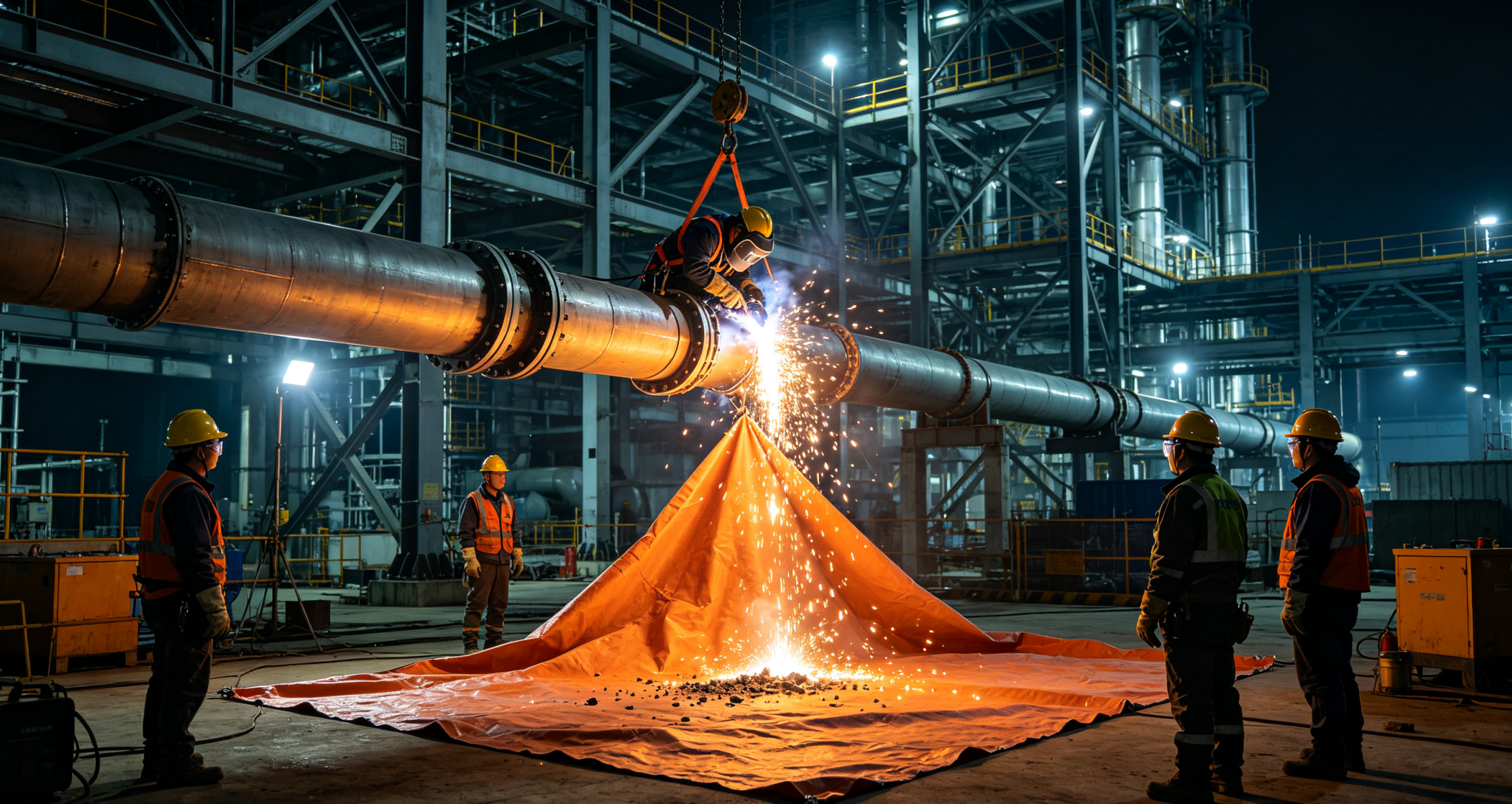
Welding sparks trigger most construction site fires. Even standardized operating procedures carry hidden risks if low-performance flame-retardant fabrics are used. Recent frequent construction fires sound alarms for hot work safety. Most welding-caused blazes stem from inadequate high-temperature slag shielding and substandard fire-resistant materials, rather than improper operation alone. Welding arcs hit over 6,000°C, with flying […]
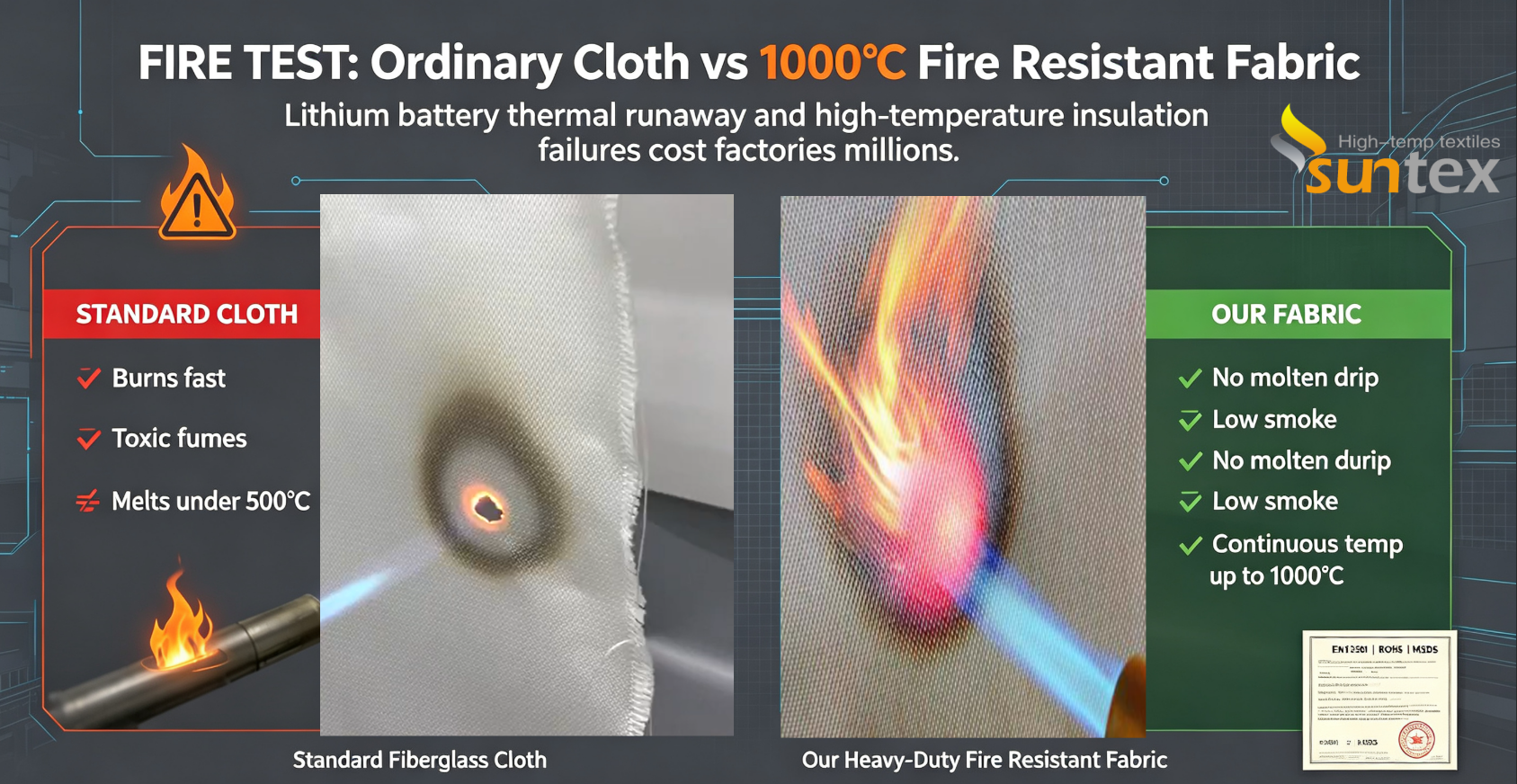
The Hidden Cost of Inferior Thermal Insulation Lithium battery thermal runaway and industrial high-temperature insulation failures frequently trigger factory fires, unplanned shutdowns and massive economic losses. Most of these accidents stem from low-performance standard insulation materials, rather than major equipment faults. Substandard fiberglass cloth fails under high heat, accelerating fire spread and causing costly industrial […]


 English
 Arabic
 Dutch
Dutch French
 German
 Italian
 Polish
 Portuguese
 Russian
 Spanish