

The Overlooked Backbone of AI Infrastructure
While the world marvels at breakthroughs in AI chatbots and image generators, few recognize the critical role of specialty fiberglass fabrics – the unsung heroes enabling high-performance AI servers. These advanced materials form the foundation of multilayer PCBs and high-frequency copper-clad laminates, directly impacting computing speed and signal integrity in data centers.
For decades, this niche market was dominated by Japanese and American manufacturers. But now, Chinese companies are rewriting the rules through technological breakthroughs. This article explores:
🔹 Why specialty fiberglass is indispensable for AI hardware
🔹 The 30-year monopoly and its supply chain implications
🔹 China’s accelerating domestic substitution strategy

Specialty Fiberglass: The Invisible Enabler of AI Computing
Material Science Breakthroughs
Modern fiberglass fabrics for electronics feature:
Low-dielectric versions (Dk<4.0): Minimize signal loss in 112Gbps+ transmissions
Ultra-low expansion variants (CTE<3.5ppm/°C): Prevent delamination in chip packaging
AI’s Insatiable Demand

Each AI server rack consumes 12-18㎡ of specialty fiberglass fabric. With global AI server shipments projected to hit 3.5 million units by 2026 (Omdia data), the addressable market could exceed $2.8 billion annually for high-end fabrics alone.
The Great Wall of Technical Barriers
Manufacturing Challenges
Producing electronic-grade fiberglass requires:
✔ 99.99% pure quartz sand (imported until 2022)
✔ Precision fiber drawing at 5-9μm diameter (±0.1μm tolerance)
✔ Proprietary surface treatment chemistry

Redrawing the Global Tech Supply Map
The fiberglass revolution mirrors China’s earlier successes in solar and battery sectors – but with higher stakes. As AI hardware becomes geopolitical currency, control over these “invisible” materials may prove more consequential than chip design itself.
“The fabric of AI’s future is literally being rewoven.” — Tech materials analyst
Contact Details
Suntex Composite Industrial Co., Ltd.
Contact Person: Mr. Jason Hu
Tel: +86 132 0712 7986

Send your inquiry directly to us
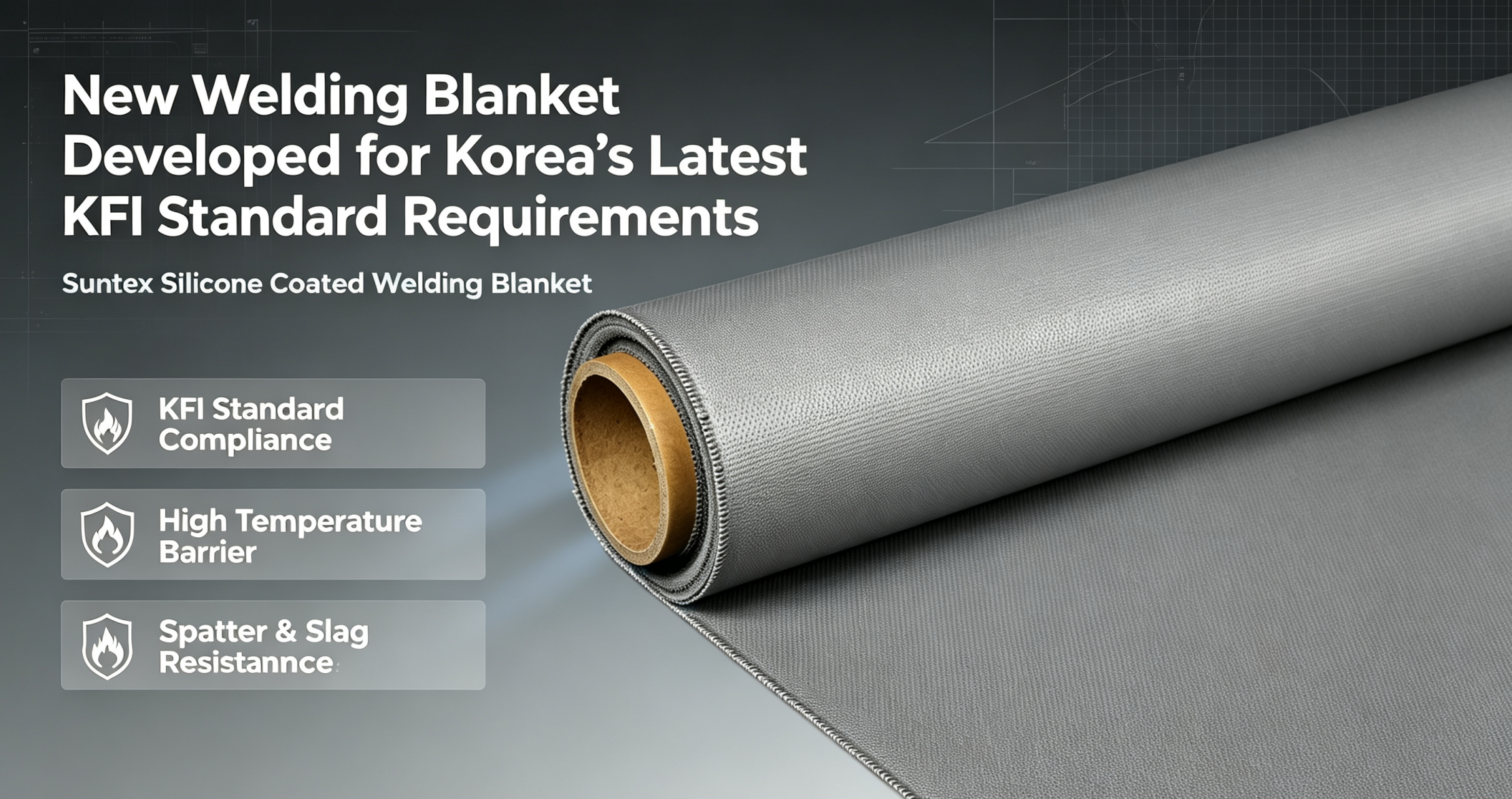
New Welding Blanket Developed for Korea’s Latest KFI Standard Requirements Suntex launches upgraded grey silicone-coated fiberglass welding blankets fully compliant with Korea’s latest KFI fire safety standards for hot work. Made of premium grey silicone coated fiberglass rolls, our blankets deliver reliable protection against welding sparks, molten slag, and high heat for welding, cutting, and […]
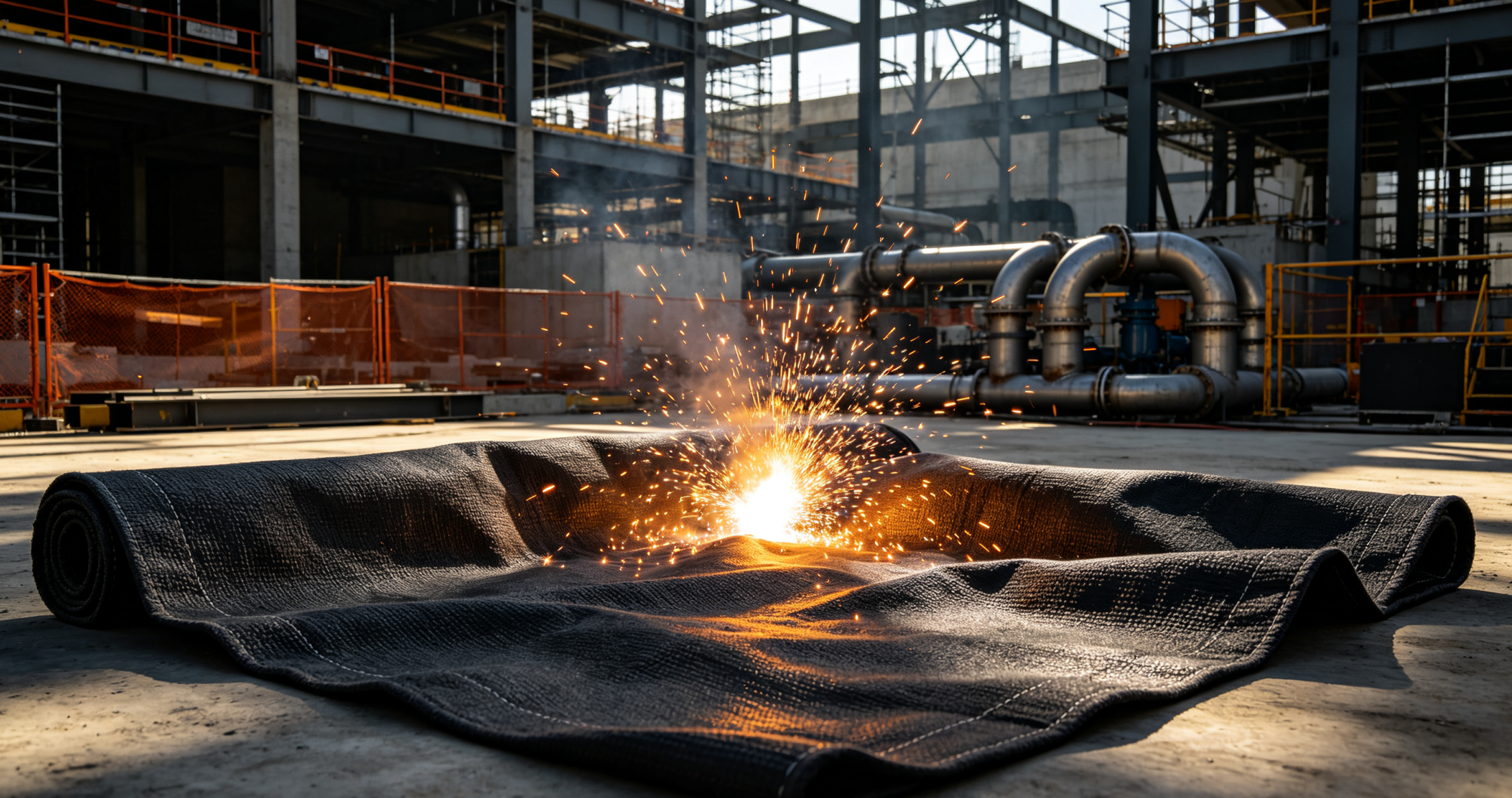
In the high-stakes environment of Japanese automotive manufacturing and precision machining, “good enough” is never enough. When a single stray spark can lead to costly downtime or compromise the integrity of automated assembly lines, the quality of your protective gear is a direct reflection of your operational safety standards. For facilities prioritizing fire prevention and […]
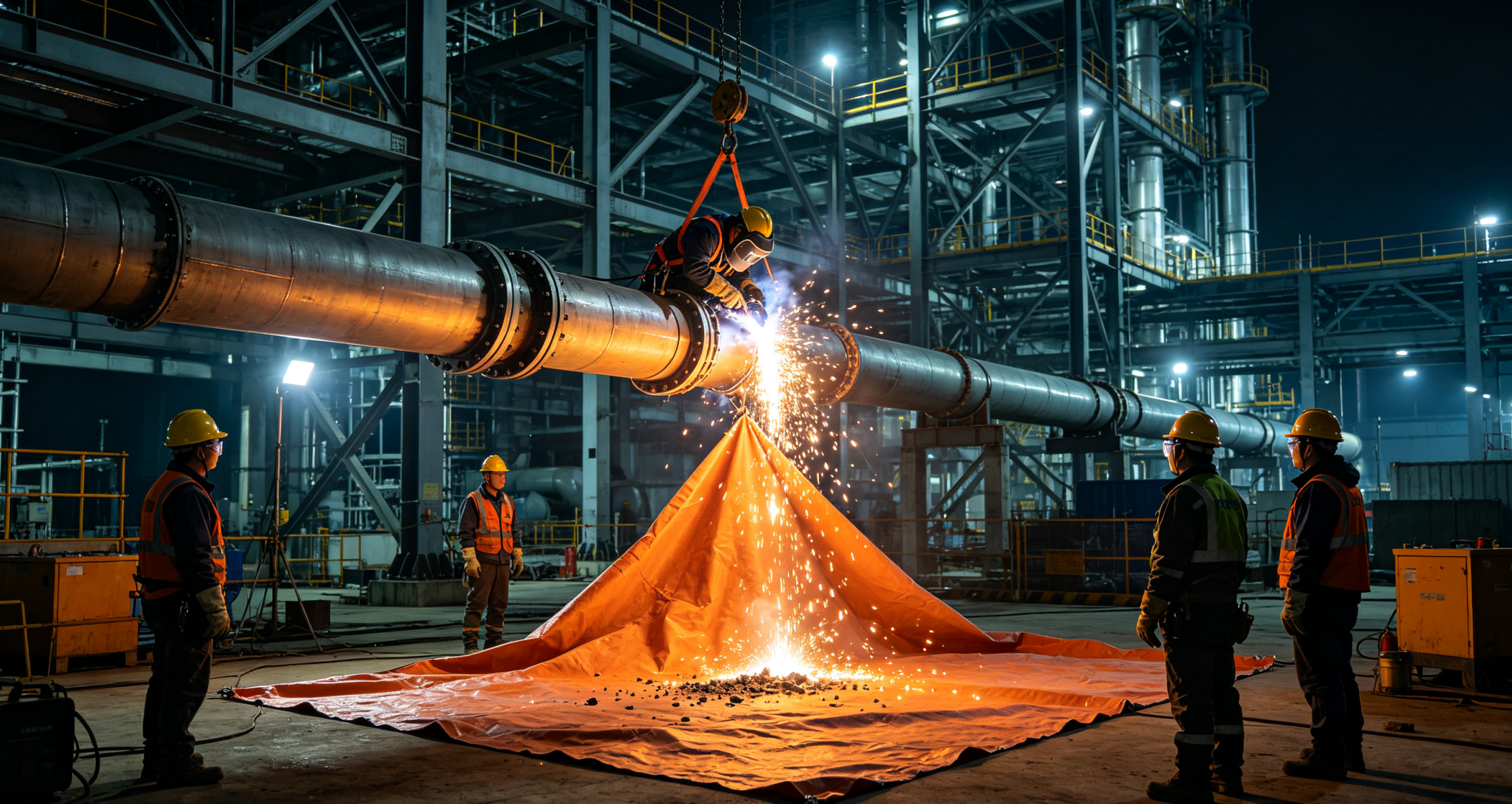
Welding sparks trigger most construction site fires. Even standardized operating procedures carry hidden risks if low-performance flame-retardant fabrics are used. Recent frequent construction fires sound alarms for hot work safety. Most welding-caused blazes stem from inadequate high-temperature slag shielding and substandard fire-resistant materials, rather than improper operation alone. Welding arcs hit over 6,000°C, with flying […]
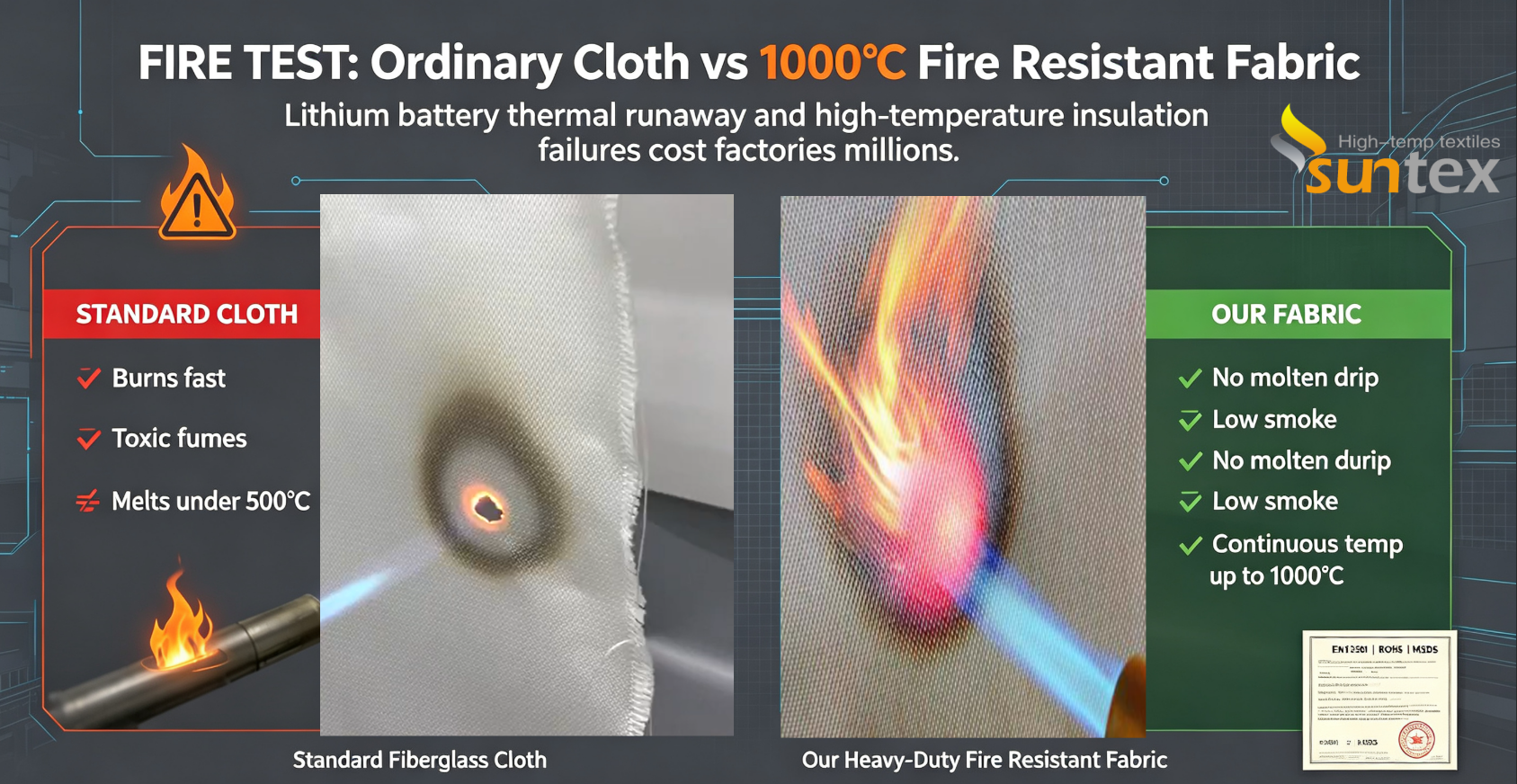
The Hidden Cost of Inferior Thermal Insulation Lithium battery thermal runaway and industrial high-temperature insulation failures frequently trigger factory fires, unplanned shutdowns and massive economic losses. Most of these accidents stem from low-performance standard insulation materials, rather than major equipment faults. Substandard fiberglass cloth fails under high heat, accelerating fire spread and causing costly industrial […]


 English
 Arabic
 Dutch
Dutch French
 German
 Italian
 Polish
 Portuguese
 Russian
 Spanish