

Are you tired of your fabrics failing under high temperatures? Whether you work in the manufacturing industry, automotive sector, or even just enjoy outdoor activities, finding the right heat-resistant fabrics is crucial. But with so many options available, how do you choose the best materials that can withstand extreme temperatures? Look no further. In this ultimate guide, we will walk you through everything you need to know about high temperature fabrics. From understanding the different types of materials to considering factors like fire resistance, insulation, and durability, we’ve got you covered. Discover the secrets to selecting the perfect fabrics for your heat-resistant applications. Say goodbye to fabric failures and hello to reliable and long-lasting materials that can handle the heat. Get ready to make informed decisions and achieve optimal performance in any high-temperature environment.
Importance of choosing the right materials for heat-resistant applications
When it comes to heat-resistant applications, choosing the right materials is of utmost importance. Using fabrics that cannot withstand high temperatures can lead to disastrous consequences such as fabric degradation, structural failure, and even fire hazards. Whether you’re looking for materials to use in industrial machinery, protective clothing, or insulation, the right choice can ensure the safety and reliability of your applications.
One of the primary reasons why choosing the right materials is crucial is fire resistance. Fabrics that are not designed to withstand high temperatures can catch fire easily, putting lives and properties at risk. By opting for heat-resistant fabrics, you can significantly reduce the risk of fire accidents and ensure the safety of your environment.
Another critical factor to consider is insulation. Heat-resistant fabrics provide excellent insulation properties, allowing them to maintain their integrity and protect the underlying materials from extreme heat. This is especially important in applications where temperature control is necessary, such as in the automotive industry or in the manufacturing of machinery.
Durability is yet another aspect to consider when choosing high temperature fabrics. Fabrics that are not designed to withstand heat can quickly deteriorate, leading to frequent replacements and increased costs. By investing in heat-resistant materials, you can ensure the longevity and reliability of your applications, saving both time and money in the long run.
Factors to consider when selecting high temperature fabrics
Choosing the right high temperature fabrics requires careful consideration of several factors. By understanding these factors, you can make informed decisions that align with your specific requirements and ensure optimal performance in high-temperature environments.
First and foremost, it is important to consider the temperature range that the fabric will be exposed to. Different fabrics have different temperature limits, and exceeding these limits can result in fabric failure or even hazards. Be sure to check the manufacturer’s specifications and choose fabrics that can withstand the highest temperatures your application requires.
Another crucial factor to consider is the fabric’s fire resistance. Heat-resistant fabrics should be able to resist ignition and should not contribute to the spread of flames. Look for fabrics that are certified to meet fire safety standards and have undergone rigorous testing to ensure their flame resistance.
Insulation properties are also important when selecting high temperature fabrics. Depending on your application, you may need fabrics that can provide excellent thermal insulation to protect against heat transfer. Consider the specific insulation requirements of your application and choose fabrics accordingly.
Durability is a key consideration as well. High temperature fabrics should be able to withstand repeated exposure to extreme heat without degrading or losing their effectiveness. Look for fabrics that are specifically designed to be heat-resistant and have a proven track record of durability in similar applications.
Lastly, it is essential to consider any additional requirements or specifications that your application may have. For example, if you are working in an environment with chemicals or corrosive substances, you may need fabrics that are resistant to chemical damage. Take into account any unique factors that may impact the performance and lifespan of the fabric in your specific application.
By carefully evaluating these factors and selecting fabrics that meet your requirements, you can ensure optimal performance and safety in high-temperature applications.
Different types of high temperature fabrics
There are several types of high temperature fabrics available, each with its own set of properties and characteristics. Understanding these different types can help you choose the right fabric for your specific application.
One common type of high temperature fabric is fiberglass. Fiberglass fabrics are made from woven glass fibers and are known for their excellent heat resistance and insulation properties. They can withstand temperatures up to 1000°C and are often used in applications such as insulation, fire blankets, and protective clothing.
Silicone-coated fabrics are another popular choice for high temperature applications. These fabrics are coated with a layer of silicone, which provides additional heat resistance and protection. Silicone-coated fabrics are commonly used in applications such as welding blankets, gaskets, and expansion joints.
Ceramic fabrics are also widely used in high temperature applications. These fabrics are made from ceramic fibers and offer exceptional heat resistance and insulation. They can withstand temperatures up to 1600°C and are often used in applications such as furnace curtains, kiln linings, and thermal insulation.
Other types of high temperature fabrics include aluminized fabrics, aramid fabrics, and carbon fabrics. Aluminized fabrics have a layer of aluminum foil or coating, which provides excellent heat reflection and protection. Aramid fabrics, such as Kevlar, are known for their exceptional strength and heat resistance, making them ideal for applications such as protective clothing and heat shields. Carbon fabrics, on the other hand, offer high thermal conductivity and are often used in applications that require both heat resistance and electrical conductivity.
By understanding the different types of high temperature fabrics available, you can choose the fabric that best suits your specific application and requirements.
Properties and characteristics of heat-resistant materials
Heat-resistant materials possess specific properties and characteristics that enable them to withstand high temperatures and protect against heat transfer. Understanding these properties can help you evaluate and compare different heat-resistant materials for your applications.
One of the key properties of heat-resistant materials is their ability to withstand high temperatures without degrading or losing their effectiveness. Heat-resistant materials should have a high melting point or temperature limit, allowing them to maintain their structural integrity even under extreme heat. This property ensures that the materials can withstand the temperatures they are exposed to without compromising their performance or safety.
Another important characteristic of heat-resistant materials is their ability to provide excellent thermal insulation. Heat-resistant materials should be able to prevent or minimize heat transfer, protecting the underlying materials and structures from the effects of high temperatures. This property is especially crucial in applications where temperature control is necessary or when there is a need to protect sensitive components from heat damage.
Heat-resistant materials should also possess good fire resistance properties. They should be able to resist ignition and should not contribute to the spread of flames. This characteristic ensures the safety of the environment and reduces the risk of fire accidents.
Durability is yet another important property of heat-resistant materials. These materials should be able to withstand repeated exposure to high temperatures without degrading or losing their effectiveness. They should be resistant to thermal shock, which occurs when there are rapid temperature changes, and should be able to maintain their structural integrity over time.
Other properties and characteristics of heat-resistant materials include chemical resistance, electrical conductivity, and flexibility. Depending on your specific application and requirements, you may need materials that possess additional properties to meet your needs.
By evaluating the properties and characteristics of different heat-resistant materials, you can select the materials that best suit your specific application and ensure optimal performance in high-temperature environments.
Testing and certification of high temperature fabrics
When it comes to high temperature fabrics, testing and certification play a crucial role in ensuring their performance and safety. Testing and certification processes are conducted to evaluate the fabric’s ability to withstand high temperatures, provide thermal insulation, and resist fire.
One of the commonly used tests for high temperature fabrics is the flame resistance test. This test determines the fabric’s ability to resist ignition and its contribution to the spread of flames. Fabrics that pass this test are considered flame-resistant and are suitable for applications where fire safety is critical.
Another important test is the thermal conductivity test. This test measures the fabric’s ability to conduct heat and its insulation properties. Fabrics with low thermal conductivity provide better insulation and are more effective in protecting against heat transfer.
Additionally, high temperature fabrics may undergo tests such as tensile strength testing, abrasion resistance testing, and chemical resistance testing. These tests evaluate the fabric’s strength, durability, and resistance to various environmental factors that it may be exposed to.
Certification of high temperature fabrics is typically done by independent regulatory bodies or organizations that specialize in testing and certification. These certifications provide assurance that the fabric has undergone rigorous testing and meets specific standards for performance, safety, and quality.
When choosing high temperature fabrics, look for fabrics that have been tested and certified by reputable organizations. This ensures that the fabric has met the necessary requirements and is suitable for your specific application.
Applications and industries that require heat-resistant materials
Heat-resistant materials find applications in various industries and environments where high temperatures are present. These materials are crucial for ensuring the safety, performance, and reliability of applications in these industries.
One industry that extensively uses heat-resistant materials is the manufacturing industry. Heat-resistant fabrics are used in the production of machinery, equipment, and components that are exposed to high temperatures. These fabrics provide insulation, protect against heat transfer, and ensure the longevity and reliability of the manufactured products.
The automotive industry is another sector that requires heat-resistant materials. These materials are used in engine components, exhaust systems, and under-the-hood applications where high temperatures are present. Heat-resistant fabrics provide thermal insulation, protect against heat damage, and contribute to the overall performance and efficiency of the vehicles.
The aerospace industry also relies on heat-resistant materials for various applications. These materials are used in aircraft engines, thermal protection systems, and other components that are exposed to extreme temperatures during flight. Heat-resistant fabrics play a critical role in ensuring the safety and reliability of aerospace applications.
Other industries that require heat-resistant materials include the oil and gas industry, where these materials are used in pipelines, refineries, and offshore platforms; the construction industry, where they are used in insulation, fireproofing, and protective clothing; and the electronics industry, where they are used in heat sinks, thermal management systems, and circuit boards.
In addition to these industries, heat-resistant materials are also used in various other applications such as fire safety equipment, personal protective equipment (PPE), and even in household appliances and textiles.
Best practices for using high temperature fabrics
Using high temperature fabrics requires adherence to certain best practices to ensure their optimal performance and longevity. By following these practices, you can maximize the benefits of heat-resistant materials and minimize the risk of fabric failures.
First and foremost, it is important to properly assess and understand the specific requirements of your application. Consider factors such as temperature range, fire resistance, insulation needs, and durability. This will help you choose the right fabric that meets your requirements and ensures the desired performance.
Proper installation and use of high temperature fabrics are also crucial. Ensure that the fabrics are installed correctly, following the manufacturer’s guidelines and recommendations. This includes proper fastening, sealing, and securing of the fabric to prevent any gaps or openings that can compromise its performance.
Regular inspections and maintenance are essential for detecting any potential issues or damages to the fabric. Inspect the fabric periodically for signs of wear, tear, or degradation. Address any issues promptly to prevent further damage and ensure the fabric’s continued effectiveness.
It is also important to educate and train personnel who will be working with the high temperature fabrics. Proper handling, storage, and use of the fabrics should be communicated to ensure their safe and effective use. This includes providing guidelines on cleaning, maintenance, and any specific precautions or procedures that need to be followed.
Lastly, it is always a good practice to keep up-to-date with the latest advancements and technologies in high temperature fabrics. New materials, manufacturing techniques, and innovations are constantly being introduced, offering improved performance and safety. Stay informed and consider upgrading or replacing your fabrics as needed to take advantage of these advancements.
By following these best practices, you can ensure the optimal performance, safety, and longevity of your high temperature fabrics.
Care and maintenance of heat-resistant materials
Proper care and maintenance of heat-resistant materials are essential for their longevity and performance. By following the recommended care instructions, you can ensure that the fabrics remain effective and can withstand high temperatures for an extended period.
One of the primary aspects of care is regular cleaning of the fabric. Depending on the specific fabric and its application, cleaning may involve simple dusting, wiping, or more thorough washing. Follow the manufacturer’s instructions for cleaning to prevent any damage or degradation of the fabric.
It is important to avoid using harsh chemicals or abrasive cleaning agents that can potentially damage the fabric. Use mild detergents or cleaning solutions that are specifically recommended for the fabric. Test any cleaning agent on a small, inconspicuous area of the fabric before applying it to the entire surface.
For fabrics that are exposed to extreme temperatures, it is important to inspect them regularly for signs of wear, tear, or degradation. Look for any discoloration, fraying, or damage to the fabric. Address any issues promptly to prevent further damage and ensure the fabric’s continued effectiveness.
Proper storage of high temperature fabrics is also crucial. Store the fabrics in a clean, dry, and well-ventilated area away from direct sunlight and extreme temperatures. Avoid folding or creasing the fabrics excessively, as this can weaken or damage them. Instead, roll or hang the fabrics to prevent any unnecessary stress or strain.
If the fabric becomes damaged or shows signs of significant wear, it may need to be repaired or replaced. Consult with the manufacturer or a professional to determine the best course of action. Timely repairs or replacements can prevent fabric failures and ensure the safety and reliability of your applications.
Where to buy high temperature fabrics
High temperature fabrics can be purchased from a variety of sources, both online and offline. When looking to buy high temperature fabrics, consider the following options:
1. Specialized Suppliers: There are suppliers that specialize in providing high temperature fabrics for various industries and applications. These suppliers often have a wide range of options, offer expert advice, and can provide customized solutions based on your specific requirements. Suntex Composite is the excellent supplier for high temperature fabrics, the leading manufacturer and the biggest one in China.
2. Industrial Supply Stores: Many industrial supply stores carry a selection of high temperature fabrics. These stores cater to various industries, including manufacturing, automotive, and construction. They may have knowledgeable staff who can assist you in choosing the right fabric for your application.
3. Online Marketplaces: Online marketplaces such as Amazon, eBay, and Alibaba offer a wide range of high temperature fabrics from different manufacturers and suppliers. These platforms provide the convenience of browsing and comparing products from the comfort of your home or office.
4. Manufacturer Websites: Many manufacturers of high temperature fabrics have
Contact Details
Suntex Composite Industrial Co., Ltd.
Contact Person: Mr. Jason Hu
Tel: +86 132 0712 7986

Send your inquiry directly to us
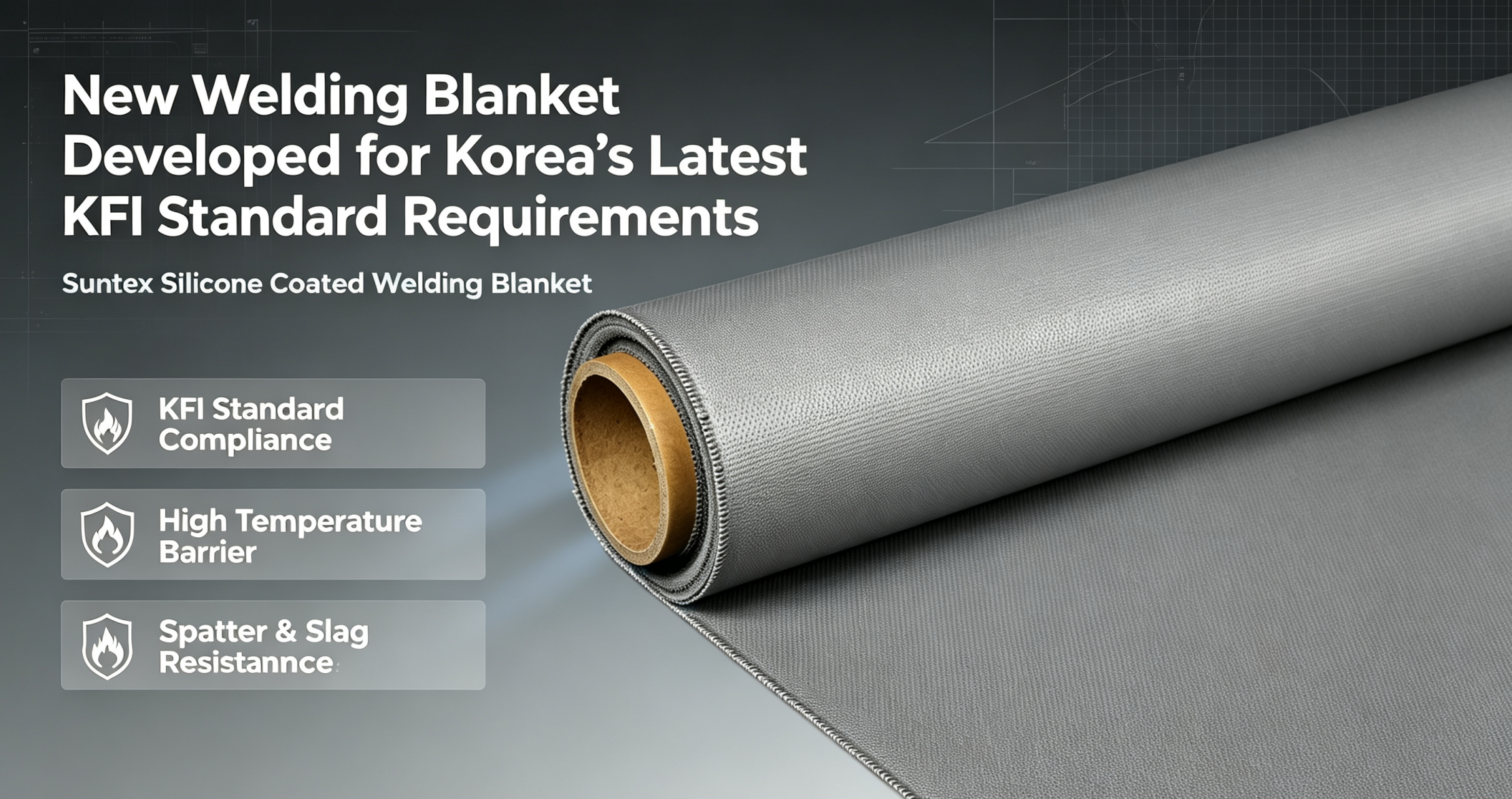
New Welding Blanket Developed for Korea’s Latest KFI Standard Requirements Suntex launches upgraded grey silicone-coated fiberglass welding blankets fully compliant with Korea’s latest KFI fire safety standards for hot work. Made of premium grey silicone coated fiberglass rolls, our blankets deliver reliable protection against welding sparks, molten slag, and high heat for welding, cutting, and […]
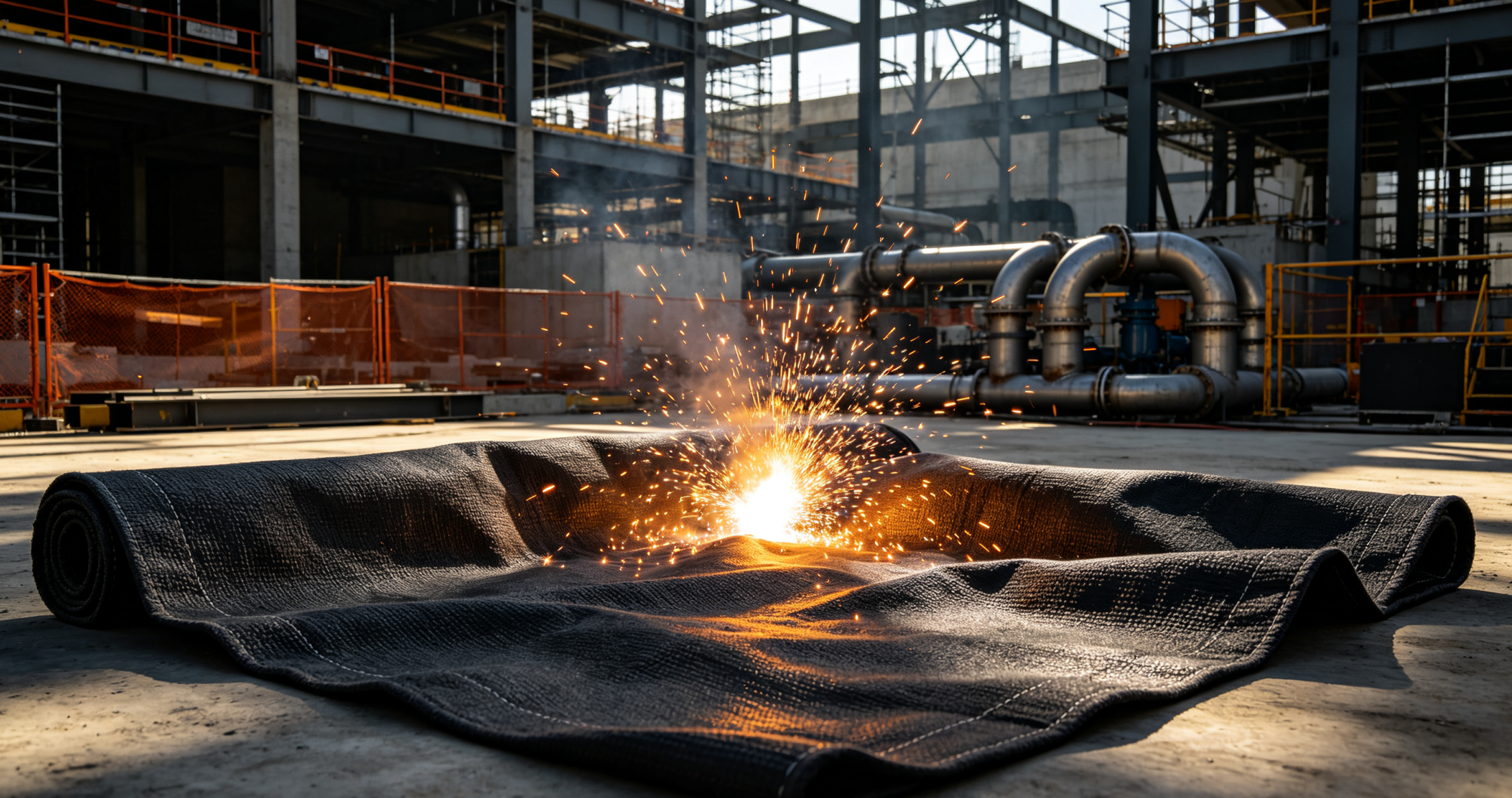
In the high-stakes environment of Japanese automotive manufacturing and precision machining, “good enough” is never enough. When a single stray spark can lead to costly downtime or compromise the integrity of automated assembly lines, the quality of your protective gear is a direct reflection of your operational safety standards. For facilities prioritizing fire prevention and […]
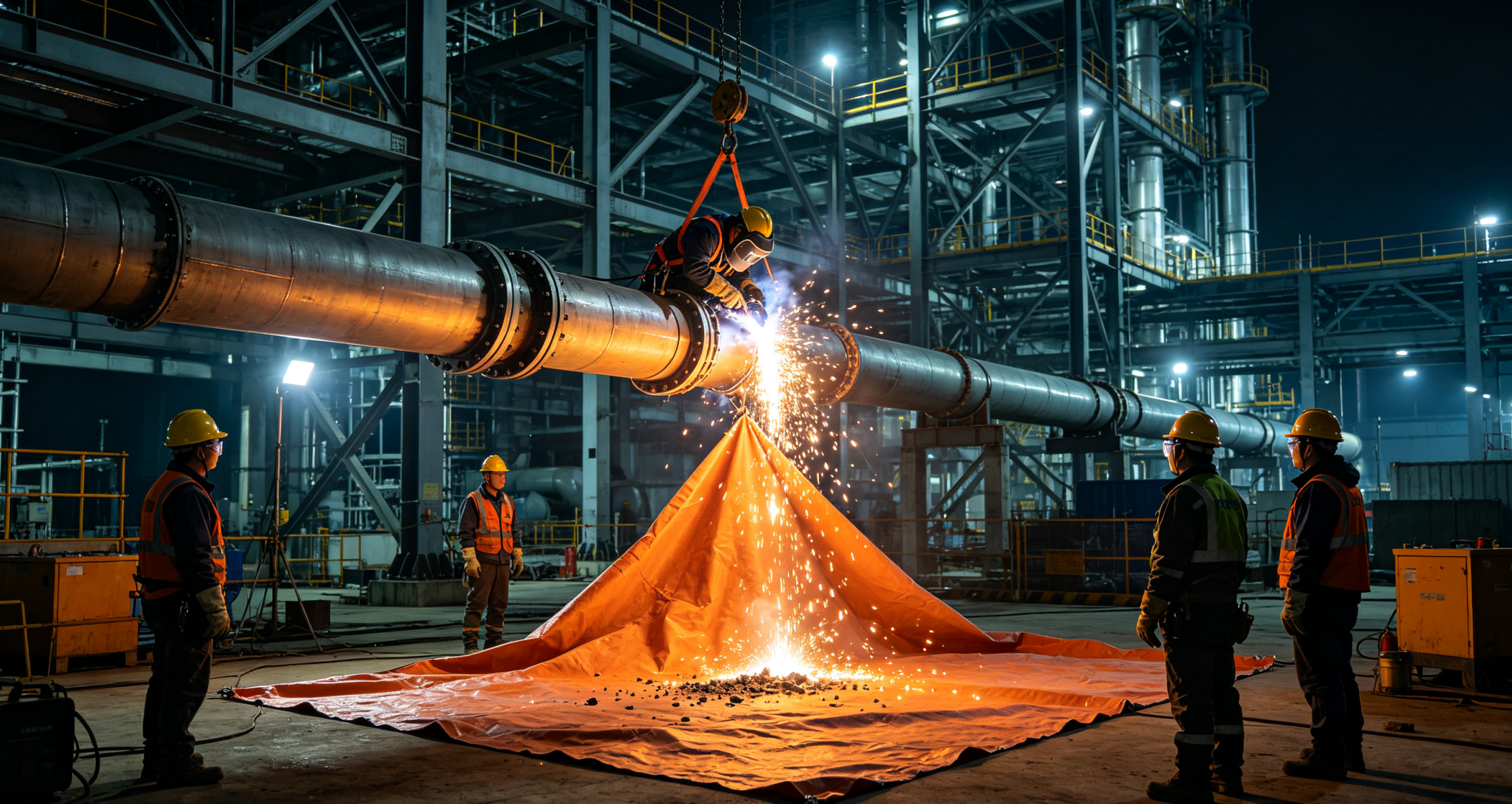
Welding sparks trigger most construction site fires. Even standardized operating procedures carry hidden risks if low-performance flame-retardant fabrics are used. Recent frequent construction fires sound alarms for hot work safety. Most welding-caused blazes stem from inadequate high-temperature slag shielding and substandard fire-resistant materials, rather than improper operation alone. Welding arcs hit over 6,000°C, with flying […]
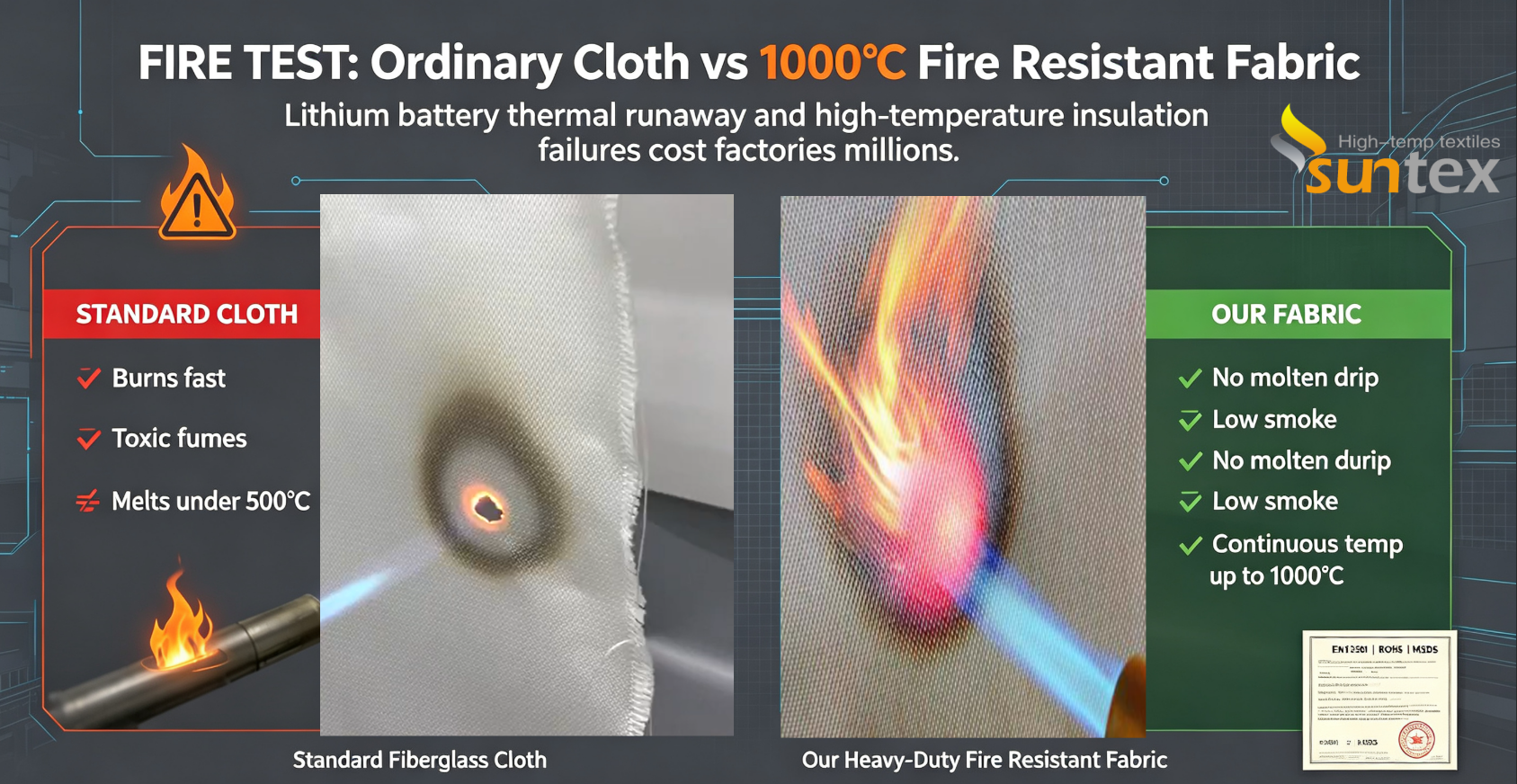
The Hidden Cost of Inferior Thermal Insulation Lithium battery thermal runaway and industrial high-temperature insulation failures frequently trigger factory fires, unplanned shutdowns and massive economic losses. Most of these accidents stem from low-performance standard insulation materials, rather than major equipment faults. Substandard fiberglass cloth fails under high heat, accelerating fire spread and causing costly industrial […]


 English
 Arabic
 Dutch
Dutch French
 German
 Italian
 Polish
 Portuguese
 Russian
 Spanish