

The Ultimate Guide to High Temperature Heat Resistant Fabrics: Stay Cool and Safe in Extreme Conditions
Keywords: high temperature heat resistant fabric
Are you tired of feeling uncomfortable and unsafe in extreme heat? Look no further! In this ultimate guide, we will unveil the secret to staying cool and protected in high-temperature environments. Whether you’re a firefighter, industrial worker, or simply someone who enjoys outdoor activities, having the right heat-resistant fabric can make all the difference.
- Understanding the need for heat resistant fabrics in extreme conditions
- Types of high temperature heat resistant fabrics
- Key features and properties of heat resistant fabrics
- Applications and industries that benefit from heat resistant fabrics
- Factors to consider when choosing heat resistant fabrics
- How to care for and maintain heat resistant fabrics
- Tips for staying cool and safe in extreme conditions
- Popular brands and products of high temperature heat resistant fabrics
- Conclusion: Making informed choices for heat protection in extreme conditions
Understanding the need for heat resistant fabrics in extreme conditions
In high-temperature environments, the human body can be easily damaged by extreme heat. Heat-resistant fabrics are crucial in protecting workers and individuals from the harmful effects of high temperature. They can provide thermal insulation, fire resistance, and flame retardancy, ensuring the safety and comfort of workers and individuals in extreme conditions.
Types of high temperature heat resistant fabrics
There are many types of high temperature heat resistant fabrics in the market today. These include coated glass fiber fabrics, ceramic fiber fabrics, silica fabrics, and many more. Each type of fabric has its own unique properties and applications.
- Ceramic Fiber Fabric: Can withstand temperatures up to 2300°F, making them ideal for use in industrial insulation blankets and furnace curtains.
- Silica Fabric: Can tolerate temperatures up to 1800°F and is ideal for welding, furnace seals, and high-temperature insulation blankets.
- Coated Fiberglass Fabrics: Come with a silicone rubber or polyurethane coating, providing excellent heat resistance, chemical, abrasion, and water resistance. They are perfect for use in welding curtains, removable insulation covers, and industrial insulation blankets.
- Insulation Blankets: Made of high-temperature insulation materials such as ceramic and silica fibers, and provide excellent thermal protection. They are perfect for use in industrial equipment, exhaust systems, and power generation.
Key features and properties of heat resistant fabrics
Heat resistant fabrics are designed to withstand extreme heat and protect the wearer. They have high thermal insulation, fire resistance, and flame retardancy properties. They are also resistant to chemicals, corrosion, and abrasion.
Applications and industries that benefit from heat resistant fabrics
Heat resistant fabrics are widely used in industries such as aerospace, automotive, construction, energy, and firefighting. They are also used for personal protective equipment, such as gloves, aprons, and jackets.
Factors to consider when choosing heat resistant fabrics
When choosing heat resistant fabrics, factors to consider include the intended use, temperature range, breathability, moisture-wicking properties, weight, and durability.
How to care for and maintain heat resistant fabrics
Proper care and maintenance of heat resistant fabrics can extend their lifespan and effectiveness. This includes following manufacturer instructions for washing, drying, and storage.
Tips for staying cool and safe in extreme conditions
In addition to using proper heat resistant fabrics, there are many other ways to stay cool and safe in extreme conditions. These include staying hydrated, taking breaks when needed, and using cooling technologies.
Popular brands and products of high temperature heat resistant fabrics
There are many popular brands and products of high temperature heat resistant fabrics, including Nomex, Kevlar, Fiberglass Fabric, Silica Fabric, High Temperature Finish Fiberglass Fabric.
Conclusion: Making informed choices for heat protection in extreme conditions
Choosing the right heat resistant fabric is essential for staying cool and safe in extreme conditions. With this ultimate guide, you now have the knowledge and resources to make an informed decision when selecting heat resistant fabrics for your needs. So, say goodbye to discomfort and hello to safety and comfort in extreme conditions. Get ready to beat the heat with our ultimate guide to high-temperature heat resistant fabrics!
Contact us to know more!
Jason Hu, Sales Manager

Contact Details
Suntex Composite Industrial Co., Ltd.
Contact Person: Mr. Jason Hu
Tel: +86 132 0712 7986

Send your inquiry directly to us
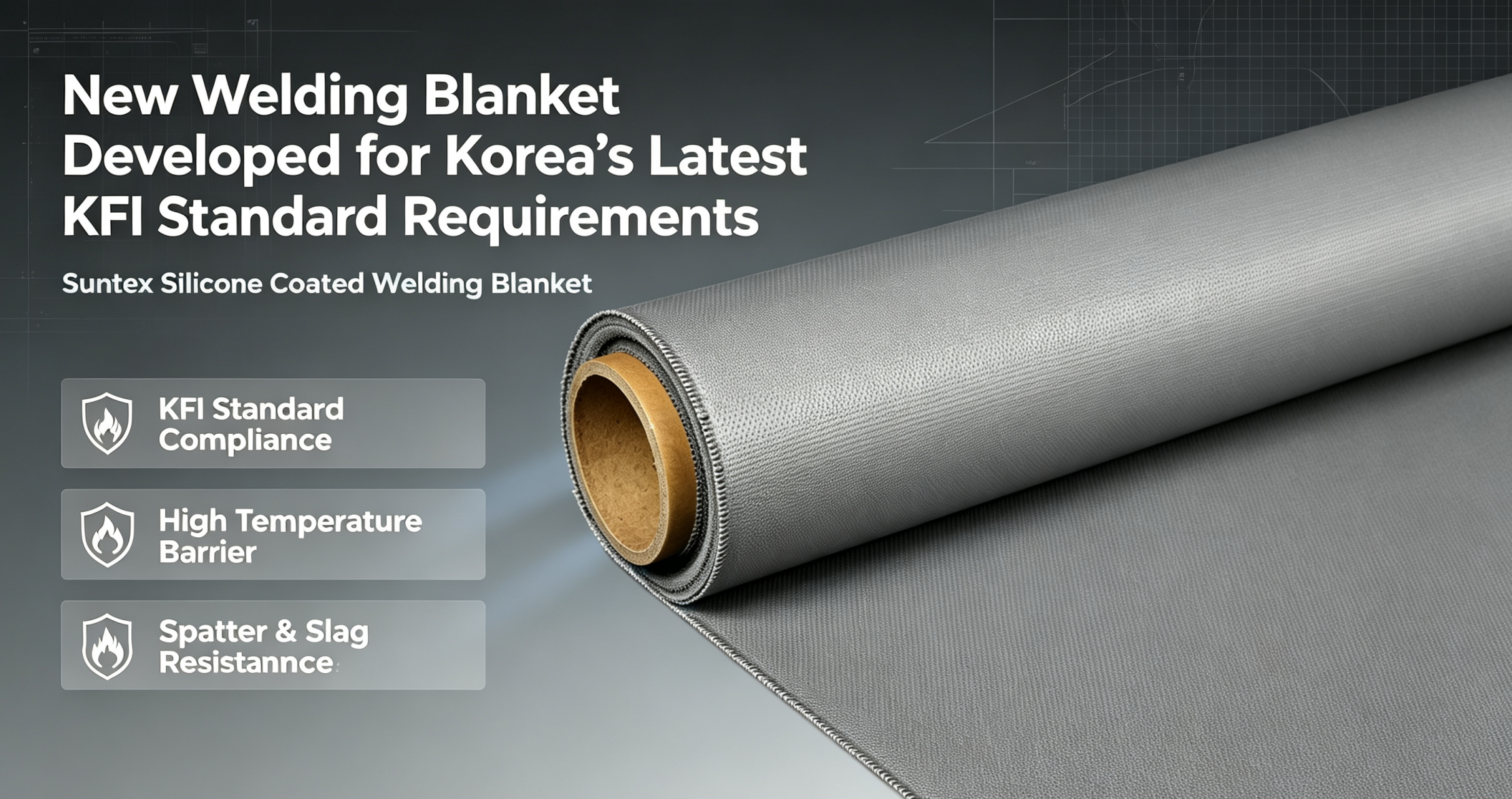
New Welding Blanket Developed for Korea’s Latest KFI Standard Requirements Suntex launches upgraded grey silicone-coated fiberglass welding blankets fully compliant with Korea’s latest KFI fire safety standards for hot work. Made of premium grey silicone coated fiberglass rolls, our blankets deliver reliable protection against welding sparks, molten slag, and high heat for welding, cutting, and […]
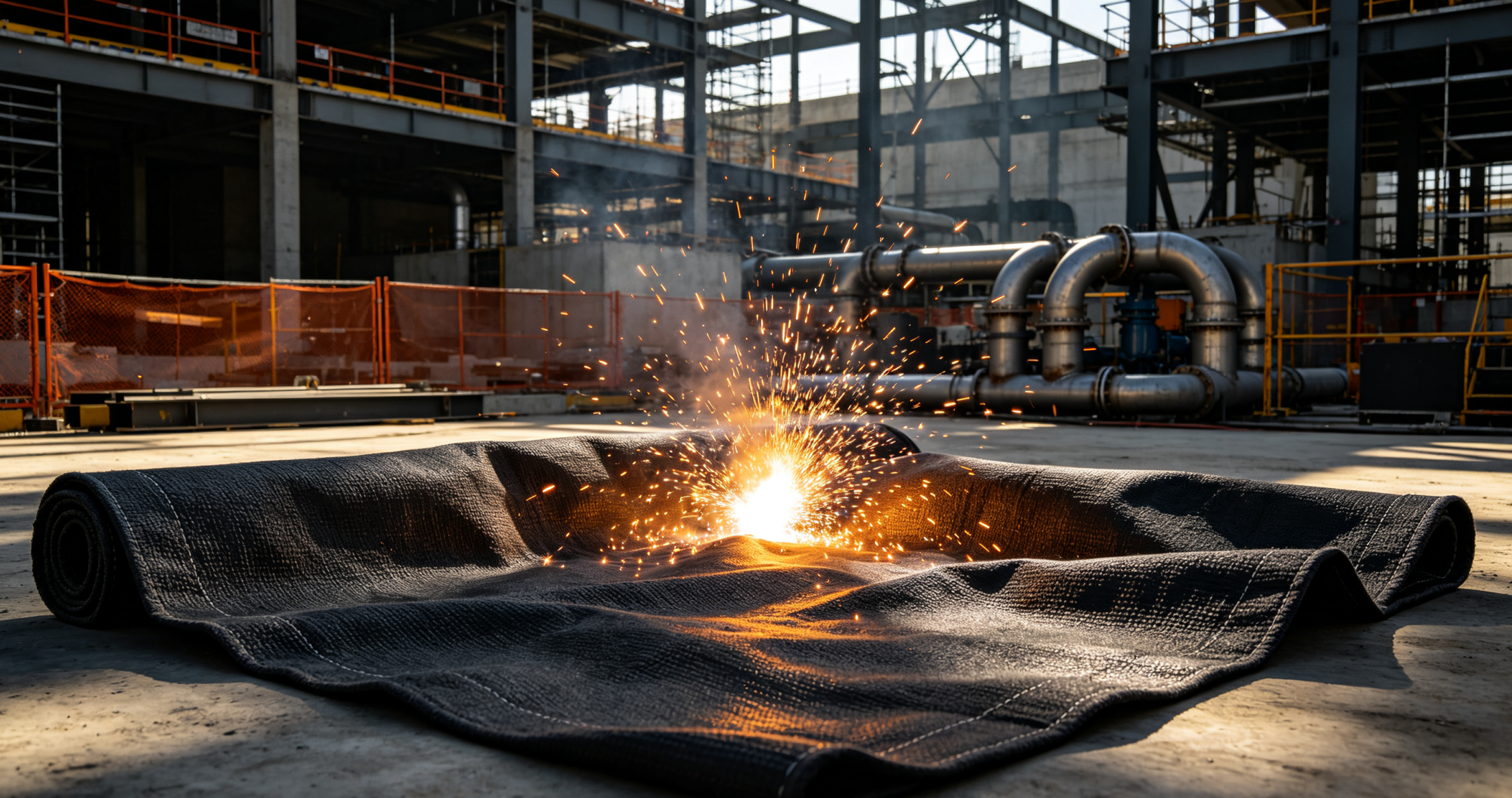
In the high-stakes environment of Japanese automotive manufacturing and precision machining, “good enough” is never enough. When a single stray spark can lead to costly downtime or compromise the integrity of automated assembly lines, the quality of your protective gear is a direct reflection of your operational safety standards. For facilities prioritizing fire prevention and […]
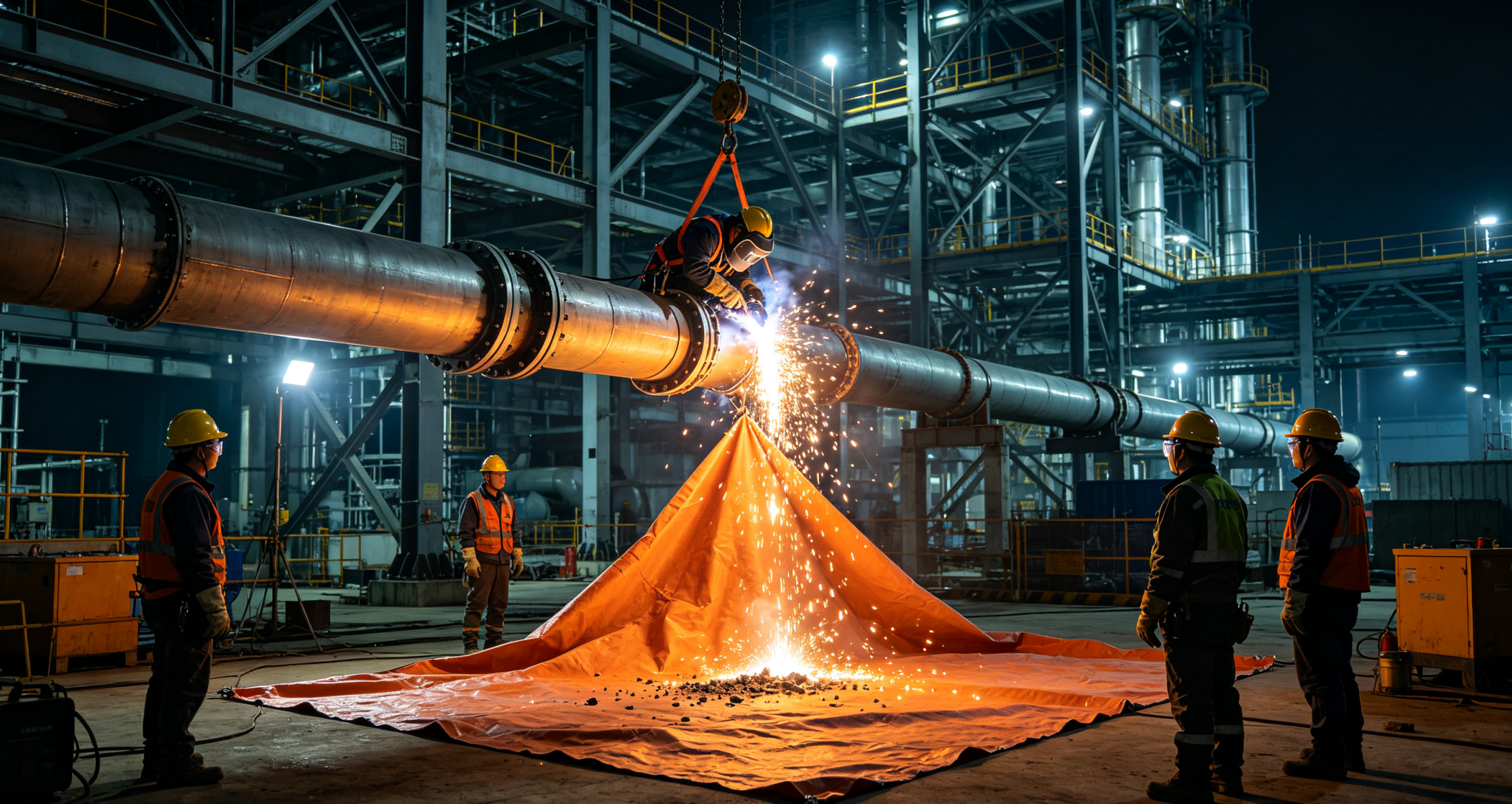
Welding sparks trigger most construction site fires. Even standardized operating procedures carry hidden risks if low-performance flame-retardant fabrics are used. Recent frequent construction fires sound alarms for hot work safety. Most welding-caused blazes stem from inadequate high-temperature slag shielding and substandard fire-resistant materials, rather than improper operation alone. Welding arcs hit over 6,000°C, with flying […]
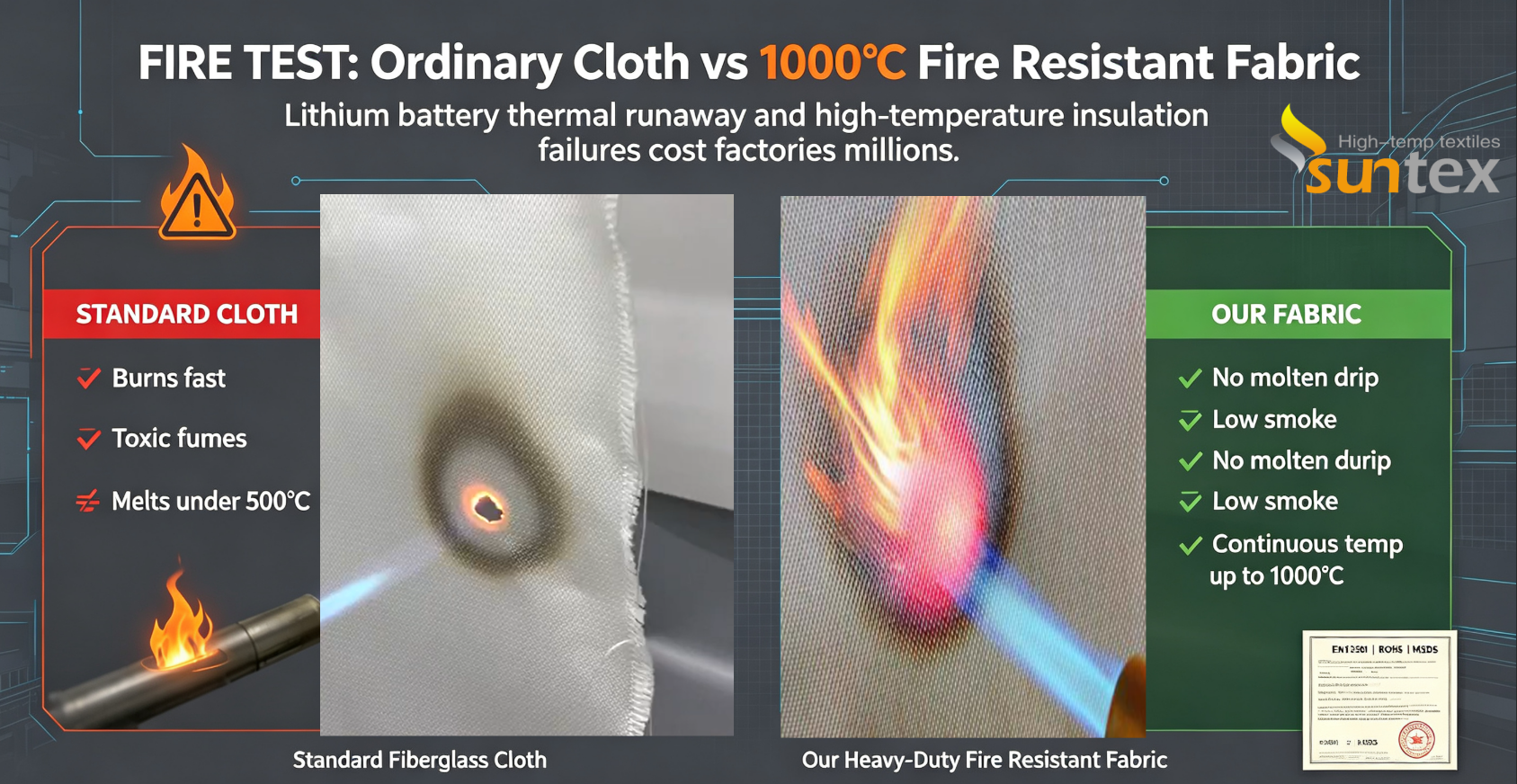
The Hidden Cost of Inferior Thermal Insulation Lithium battery thermal runaway and industrial high-temperature insulation failures frequently trigger factory fires, unplanned shutdowns and massive economic losses. Most of these accidents stem from low-performance standard insulation materials, rather than major equipment faults. Substandard fiberglass cloth fails under high heat, accelerating fire spread and causing costly industrial […]


 English
 Arabic
 Dutch
Dutch French
 German
 Italian
 Polish
 Portuguese
 Russian
 Spanish