

The Ultimate Guide to Silicone Impregnated Fiberglass Fabric: Benefits, Applications, and More
Welcome to the ultimate guide on silicone impregnated fiberglass fabric! If you’re looking for a versatile and durable material that can withstand extreme temperatures, resist chemicals, and offer exceptional insulation properties, then silicone impregnated fiberglass fabric is the answer. In this comprehensive guide, we’ll explore the various benefits of this remarkable material, along with its wide range of applications across industries. Whether you’re a manufacturer searching for a reliable solution for high-temperature insulation, a contractor needing a durable and fire-resistant material for construction projects, or simply curious about the unique properties of silicone impregnated fiberglass fabric, this guide has got you covered. We’ll delve into the science behind its exceptional performance, its eco-friendly characteristics, and provide practical tips on choosing the right type for your specific needs. So, let’s dive in and discover the endless possibilities that silicone impregnated fiberglass fabric has to offer!

Benefits of Silicone Impregnated Fiberglass Fabric
Silicone impregnated fiberglass fabric provides a myriad of benefits that make it a top choice for various applications. Firstly, its exceptional resistance to high temperatures makes it ideal for use in environments where other materials might fail. With a continuous operating temperature range of -50°C to 550°C (-58°F to 1022°F), this fabric can withstand extreme heat without losing its structural integrity. Whether you need insulation for industrial furnaces, aerospace components, or automotive parts, silicone impregnated fiberglass fabric can handle the heat.
Additionally, this fabric offers excellent chemical resistance. It is unaffected by most chemicals, including oils, solvents, acids, and alkalis. This resistance to chemical attack makes it an ideal choice for applications in the chemical processing industry, where exposure to corrosive substances is common. Moreover, the fabric’s low smoke and flame spread properties make it highly fire-resistant, ensuring the safety of both personnel and equipment in high-risk environments.
Furthermore, silicone impregnated fiberglass fabric provides exceptional electrical insulation properties. It has a high dielectric strength, making it suitable for use in electrical insulation applications. Whether you need to insulate wires, cables, or electrical components, this fabric ensures reliable and safe operation. Its electrical properties remain stable even under extreme temperature conditions, further enhancing its suitability for critical electrical applications.

Applications of Silicone Impregnated Fiberglass Fabric
Silicone impregnated fiberglass fabric finds extensive use across a wide range of industries. One of its primary applications is in the field of thermal insulation. Whether it’s insulating pipes, ducts, or industrial equipment, this fabric provides excellent thermal insulation properties, reducing energy loss and improving operational efficiency. Its versatility allows it to be used in both hot and cold insulation applications, making it a preferred choice in the HVAC industry.
Another significant application of silicone impregnated fiberglass fabric is in the manufacturing of expansion joints. These joints are crucial in allowing for movement and flexibility in structures, such as bridges, buildings, and pipelines. The fabric’s high tensile strength, combined with its resistance to extreme temperatures and chemicals, makes it an ideal material for expansion joint manufacturing, ensuring longevity and durability.
Furthermore, this fabric is widely used in the aerospace industry for various applications, including aircraft insulation, engine components, and thermal blankets. Its lightweight nature and exceptional heat resistance make it a valuable material for maintaining the structural integrity and thermal stability of aircraft components.
In the automotive industry, silicone impregnated fiberglass fabric is used for heat shielding applications. It is commonly found in exhaust system shields, turbocharger covers, and other components that require protection from high temperatures. The fabric’s ability to withstand continuous exposure to extreme heat without degradation makes it an indispensable material in ensuring the longevity and reliability of automotive systems.

Comparison of Silicone Impregnated Fiberglass Fabric with Other Materials
When it comes to choosing the right material for a specific application, it’s essential to consider the advantages silicone impregnated fiberglass fabric offers compared to other materials. One common comparison is with plain fiberglass fabric. While both materials offer excellent heat resistance, the silicone impregnation provides added benefits, such as improved chemical resistance and flexibility. Additionally, silicone impregnated fiberglass fabric has a higher flame resistance rating, making it safer in high-risk environments.
Another material often compared with silicone impregnated fiberglass fabric is ceramic fiber. While ceramic fiber offers excellent insulation properties, it is brittle and prone to breakage. Silicone impregnated fiberglass fabric, on the other hand, provides the same level of insulation while maintaining its structural integrity and flexibility. This makes it easier to handle and install, reducing the risk of damage during application.
Factors to Consider When Choosing Silicone Impregnated Fiberglass Fabric
When selecting silicone impregnated fiberglass fabric, several factors should be taken into consideration. Firstly, the operating temperature range of the fabric must align with the specific application requirements. Understanding the highest and lowest temperatures the fabric will be exposed to ensures optimal performance and longevity.
Additionally, it’s essential to consider the fabric’s weight and thickness. Thinner fabrics are more flexible and lightweight, making them suitable for applications where space and weight are critical. Thicker fabrics, on the other hand, provide increased durability and insulation properties, making them ideal for heavy-duty applications.
Furthermore, the fabric’s weave pattern should be considered. There are various weave patterns available, such as plain weave, twill weave, and satin weave. Each weave pattern offers different characteristics, such as strength, flexibility, and surface smoothness. Choosing the right weave pattern ensures optimal performance for the intended application.
Contact Details
Suntex Composite Industrial Co., Ltd.
Contact Person: Mr. Jason Hu
Tel: +86 132 0712 7986

Send your inquiry directly to us
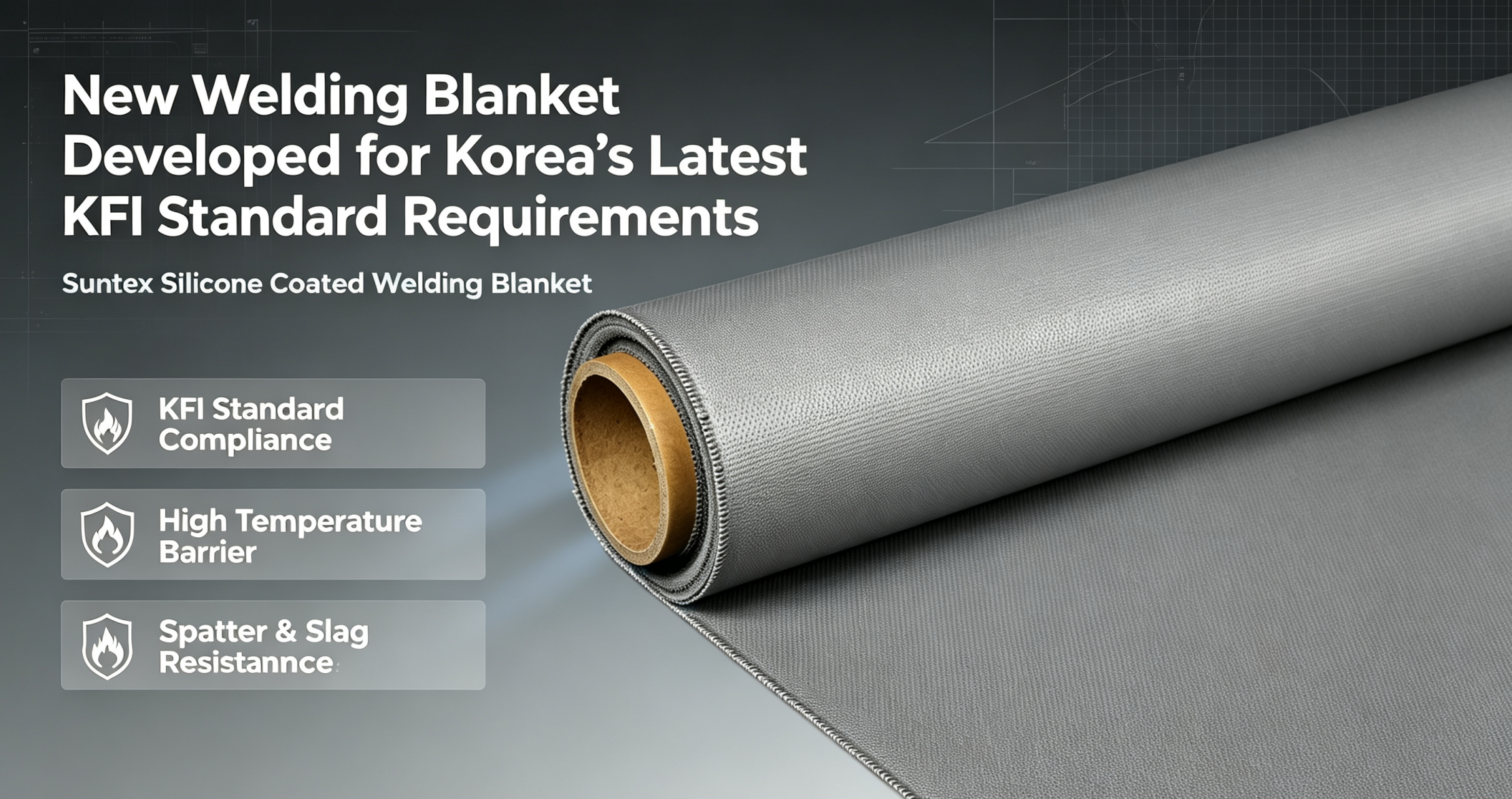
New Welding Blanket Developed for Korea’s Latest KFI Standard Requirements Suntex launches upgraded grey silicone-coated fiberglass welding blankets fully compliant with Korea’s latest KFI fire safety standards for hot work. Made of premium grey silicone coated fiberglass rolls, our blankets deliver reliable protection against welding sparks, molten slag, and high heat for welding, cutting, and […]
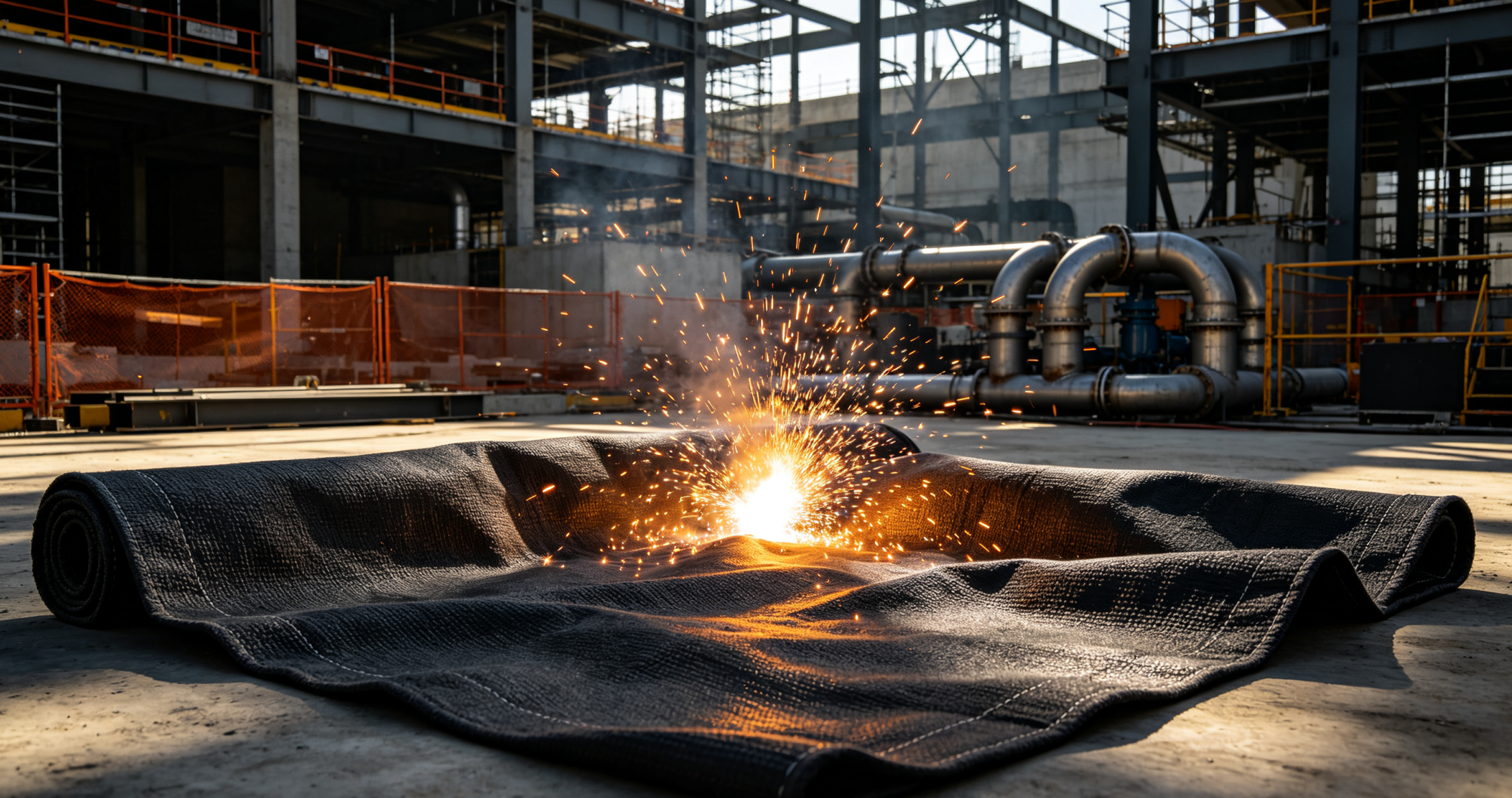
In the high-stakes environment of Japanese automotive manufacturing and precision machining, “good enough” is never enough. When a single stray spark can lead to costly downtime or compromise the integrity of automated assembly lines, the quality of your protective gear is a direct reflection of your operational safety standards. For facilities prioritizing fire prevention and […]
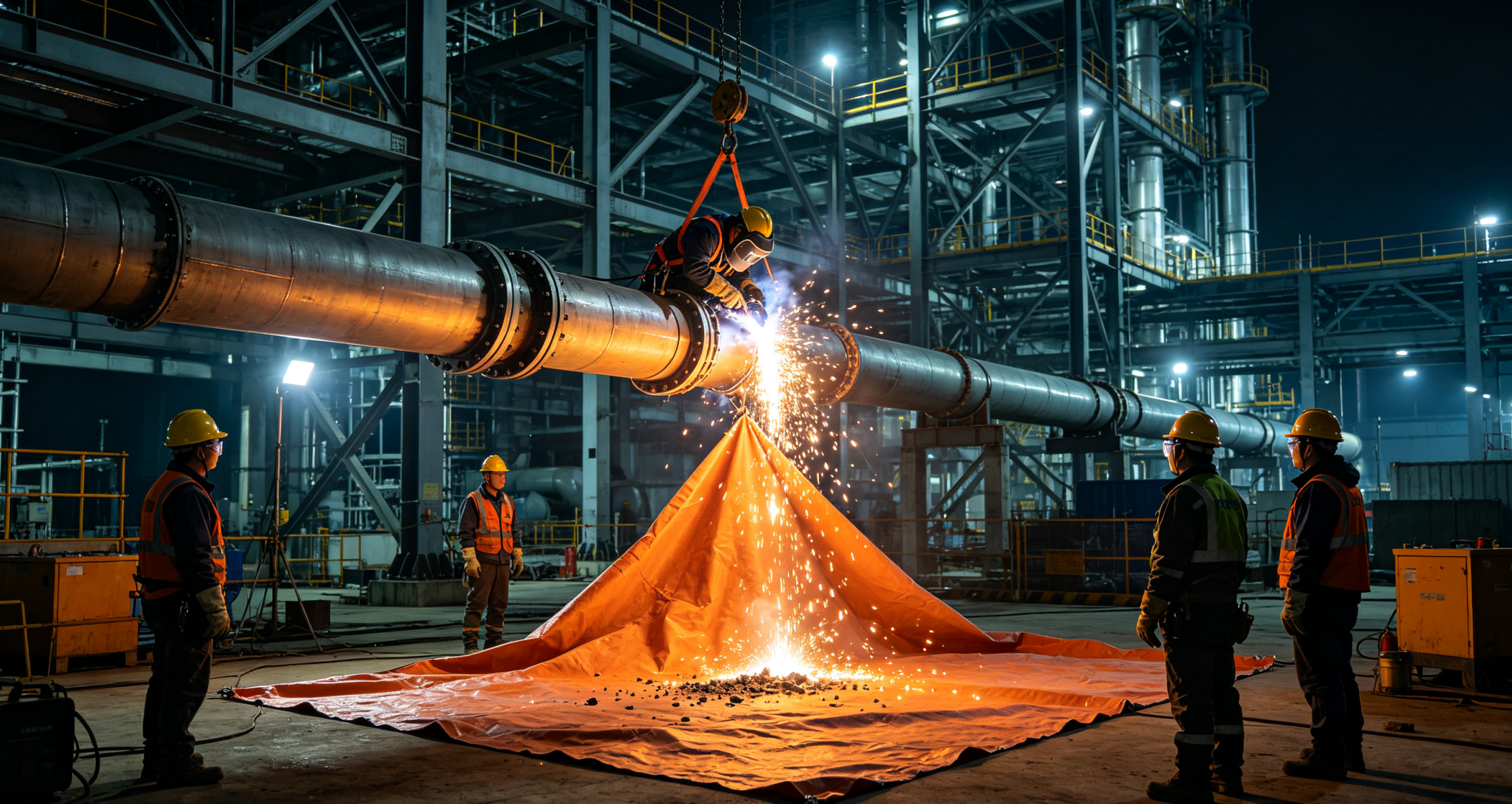
Welding sparks trigger most construction site fires. Even standardized operating procedures carry hidden risks if low-performance flame-retardant fabrics are used. Recent frequent construction fires sound alarms for hot work safety. Most welding-caused blazes stem from inadequate high-temperature slag shielding and substandard fire-resistant materials, rather than improper operation alone. Welding arcs hit over 6,000°C, with flying […]
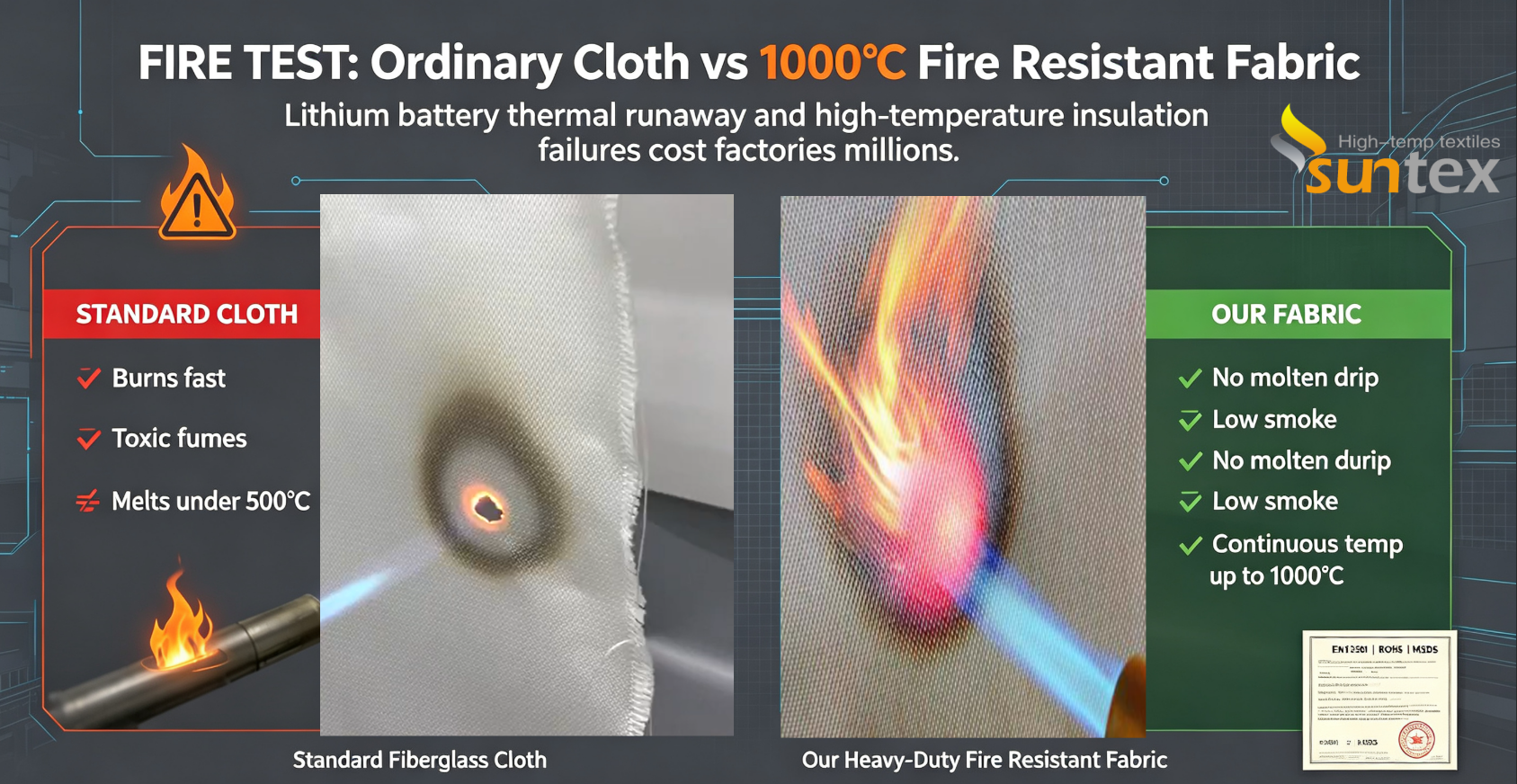
The Hidden Cost of Inferior Thermal Insulation Lithium battery thermal runaway and industrial high-temperature insulation failures frequently trigger factory fires, unplanned shutdowns and massive economic losses. Most of these accidents stem from low-performance standard insulation materials, rather than major equipment faults. Substandard fiberglass cloth fails under high heat, accelerating fire spread and causing costly industrial […]


 English
 Arabic
 Dutch
Dutch French
 German
 Italian
 Polish
 Portuguese
 Russian
 Spanish