

Are you tired of struggling with welding in extreme conditions? Look no further! Introducing the ultimate solution for all your welding needs – high temperature cloth. Designed specifically to withstand the most demanding environments, this innovative cloth is a game-changer for welders everywhere. Whether you’re working in scorching heat or freezing cold, high temperature cloth provides the optimal protection and insulation required for successful welding. Not only does it shield you from extreme temperatures, but it also offers exceptional durability and flexibility, ensuring maximum comfort and maneuverability. With its advanced heat resistance properties, high temperature cloth minimizes the risk of accidents and enhances overall safety during welding operations. Say goodbye to subpar welding results and hello to superior performance with high temperature cloth. Ready to take your welding skills to the next level? Explore the possibilities of high temperature cloth today and experience the ultimate solution for welding in extreme conditions.

Importance of using high temperature cloth in welding
Welding in extreme conditions can be a challenging task, with the risk of accidents and subpar results always looming. That’s where high temperature cloth comes in. This specially designed fabric is an essential tool for welders working in extreme environments. Its primary function is to protect the welder from the intense heat generated during the welding process. By acting as a barrier between the welder’s body and the extreme temperatures, high temperature cloth significantly reduces the risk of burns and other injuries. Furthermore, it provides insulation, preventing heat from escaping and ensuring that the welding process is efficient and effective. High temperature cloth is a must-have for any welder looking to optimize their performance and ensure their safety in extreme conditions.
High temperature cloth is made from advanced materials that can withstand temperatures as high as 3000 degrees Fahrenheit. This means that no matter how intense the heat may be, the cloth will not melt or catch fire. Additionally, it is resistant to sparks and splatter, further enhancing its protective capabilities. The durability of high temperature cloth is unmatched, making it a reliable investment for welders working in extreme conditions. Its flexibility allows for easy movement and maneuverability, ensuring that welders can perform their tasks with precision and accuracy. With high temperature cloth, welders no longer have to compromise between protection and performance. They can have both.

Features and properties of high temperature cloth
High temperature cloth is specifically engineered to withstand the harshest conditions. Its unique features and properties make it an indispensable tool for welders working in extreme environments. The primary characteristic of high temperature cloth is its exceptional heat resistance. It can withstand temperatures ranging from 500 to 3000 degrees Fahrenheit, making it suitable for a wide range of welding applications. This heat resistance is achieved through the use of specialized materials such as fiberglass, silica, and ceramic fibers, which have excellent thermal insulation properties.
In addition to its heat resistance, high temperature cloth is also resistant to abrasion, chemicals, and UV radiation. This ensures that the cloth remains in optimal condition even after prolonged use in harsh environments. It also means that the cloth can withstand exposure to various chemicals commonly encountered in welding operations without degrading or losing its protective capabilities. The UV resistance of high temperature cloth is particularly important for welders who work outdoors, as it prevents the cloth from deteriorating when exposed to sunlight.
Furthermore, high temperature cloth is lightweight and flexible, allowing for maximum comfort and maneuverability. It does not restrict the movement of the welder, enabling them to perform their tasks with ease and precision. The cloth is also breathable, preventing excessive sweating and discomfort during long welding sessions. These features make high temperature cloth a practical and reliable choice for welders working in extreme conditions.

Types of high temperature cloth available in the market
High temperature cloth comes in various types, each with its own unique properties and applications. Understanding the different options available can help welders choose the right cloth for their specific needs. One of the most common types of high temperature cloth is fiberglass cloth. It is made from woven fiberglass fibers and is known for its excellent heat resistance and durability. Fiberglass cloth is suitable for a wide range of welding applications and can withstand temperatures up to 1000 degrees Fahrenheit.
Another type of high temperature cloth is silica cloth. Silica cloth is made from woven silica fibers and offers superior heat resistance compared to fiberglass cloth. It can withstand temperatures up to 1800 degrees Fahrenheit, making it ideal for high-temperature welding applications. Silica cloth is also known for its excellent chemical resistance, making it suitable for welding operations that involve exposure to corrosive substances.
Ceramic fiber cloth is another popular choice for high temperature applications. It is made from woven ceramic fibers and can withstand temperatures up to 3000 degrees Fahrenheit. Ceramic fiber cloth is lightweight and flexible, providing excellent insulation and protection. It is commonly used in industrial settings where extreme heat is present.
These are just a few examples of the types of high temperature cloth available in the market. Each type has its own unique properties and applications, so it’s important for welders to carefully consider their specific needs before making a purchase.

Benefits of using high temperature cloth in extreme conditions
Using high temperature cloth in extreme conditions offers a multitude of benefits for welders. The primary benefit is enhanced safety. Welding in extreme conditions exposes the welder to high temperatures, sparks, and splatter, which can lead to serious injuries. High temperature cloth acts as a protective barrier, significantly reducing the risk of burns and other accidents. It provides insulation, preventing heat from escaping and ensuring that the welding process is efficient and effective. By using high temperature cloth, welders can focus on their work with peace of mind, knowing that they are well-protected.
Another benefit of using high temperature cloth is improved performance. Extreme temperatures can negatively impact the quality of the weld, leading to subpar results. High temperature cloth helps maintain a consistent temperature, ensuring that the weld is of the highest quality. It also provides a stable working environment, reducing the likelihood of errors and rework. With high temperature cloth, welders can achieve superior performance, even in the most challenging conditions.
Furthermore, high temperature cloth offers durability and longevity. It is designed to withstand the harshest conditions, ensuring that it remains in optimal condition even after prolonged use. High temperature cloth is resistant to abrasion, chemicals, and UV radiation, making it a reliable investment for welders. Its flexibility and lightweight design also contribute to its longevity, as it can withstand the rigors of daily use without losing its protective capabilities.

How to choose the right high temperature cloth for your welding needs
Choosing the right high temperature cloth for your welding needs is crucial to ensure optimal performance and safety. Here are some factors to consider when making your decision:
1. Temperature resistance: Determine the maximum temperature you will be working with and choose a high temperature cloth that can withstand that temperature. It is important to have a safety margin to account for any fluctuations in temperature.
2. Material composition: Different materials offer different levels of heat resistance and durability. Fiberglass, silica, and ceramic fibers are commonly used in high temperature cloth. Consider the specific properties of each material and choose the one that best suits your needs.
3. Application requirements: Assess the specific requirements of your welding applications. Consider factors such as abrasion resistance, chemical resistance, and flexibility. Choose a high temperature cloth that meets these requirements to ensure optimal performance.
4. Comfort and maneuverability: High temperature cloth should not restrict your movement or cause discomfort during use. Look for cloth that is lightweight, flexible, and breathable to ensure maximum comfort and maneuverability.
5. Quality and reliability: Choose high temperature cloth from reputable manufacturers known for their quality and reliability. Read reviews and seek recommendations from fellow welders to ensure that you are investing in a product that will deliver consistent performance.
By considering these factors, you can choose the right high temperature cloth that will meet your specific welding needs and provide the optimal protection and performance in extreme conditions.

Tips for proper usage and maintenance of high temperature cloth
Proper usage and maintenance of high temperature cloth are essential to ensure its longevity and effectiveness. Here are some tips to help you get the most out of your high temperature cloth:
1. Follow manufacturer’s instructions: Each high temperature cloth may have specific usage instructions and recommendations. Read and follow the manufacturer’s instructions carefully to ensure proper usage and optimal performance.
2. Inspect before use: Before each use, carefully inspect the high temperature cloth for any signs of wear or damage. Look for frayed edges, tears, or discoloration. If any damage is found, replace the cloth immediately to ensure continued protection.
3. Clean regularly: High temperature cloth can accumulate dirt, debris, and welding residue over time. Regularly clean the cloth according to the manufacturer’s recommendations. Use mild detergent and warm water to gently clean the cloth. Avoid using harsh chemicals or abrasive cleaners that could damage the cloth.
4. Store properly: When not in use, store the high temperature cloth in a clean, dry place away from direct sunlight and excessive heat. Avoid folding or creasing the cloth, as this can weaken its integrity.
5. Replace when necessary: High temperature cloth will eventually wear out due to prolonged use and exposure to extreme conditions. Monitor the condition of the cloth regularly and replace it when signs of wear or damage are evident. Using worn-out cloth can compromise its protective capabilities and put you at risk.
By following these tips, you can ensure that your high temperature cloth remains in optimal condition and continues to provide the protection and performance you need in extreme conditions.
Contact Details
Suntex Composite Industrial Co., Ltd.
Contact Person: Mr. Jason Hu
Tel: +86 132 0712 7986

Send your inquiry directly to us
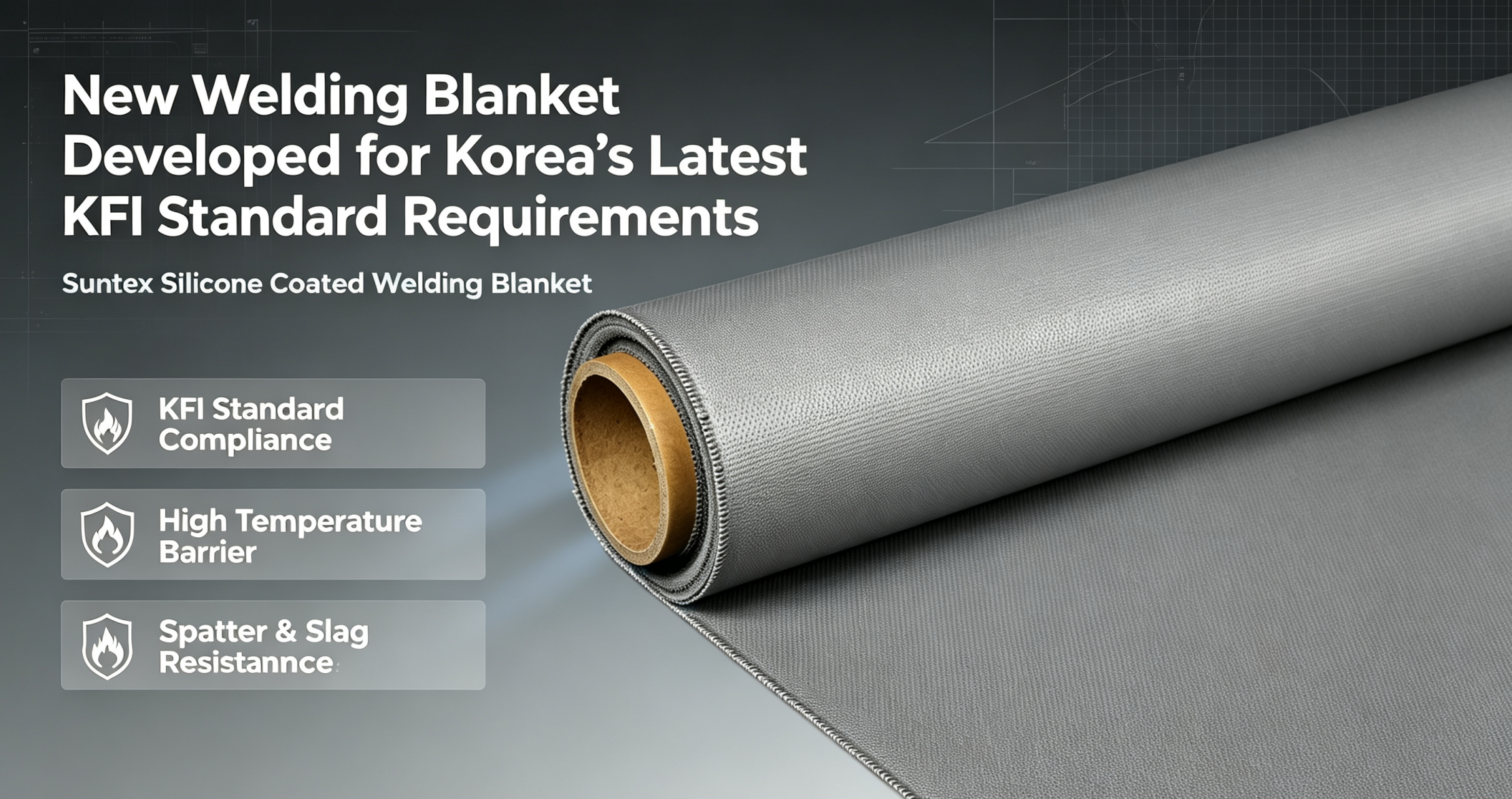
New Welding Blanket Developed for Korea’s Latest KFI Standard Requirements Suntex launches upgraded grey silicone-coated fiberglass welding blankets fully compliant with Korea’s latest KFI fire safety standards for hot work. Made of premium grey silicone coated fiberglass rolls, our blankets deliver reliable protection against welding sparks, molten slag, and high heat for welding, cutting, and […]
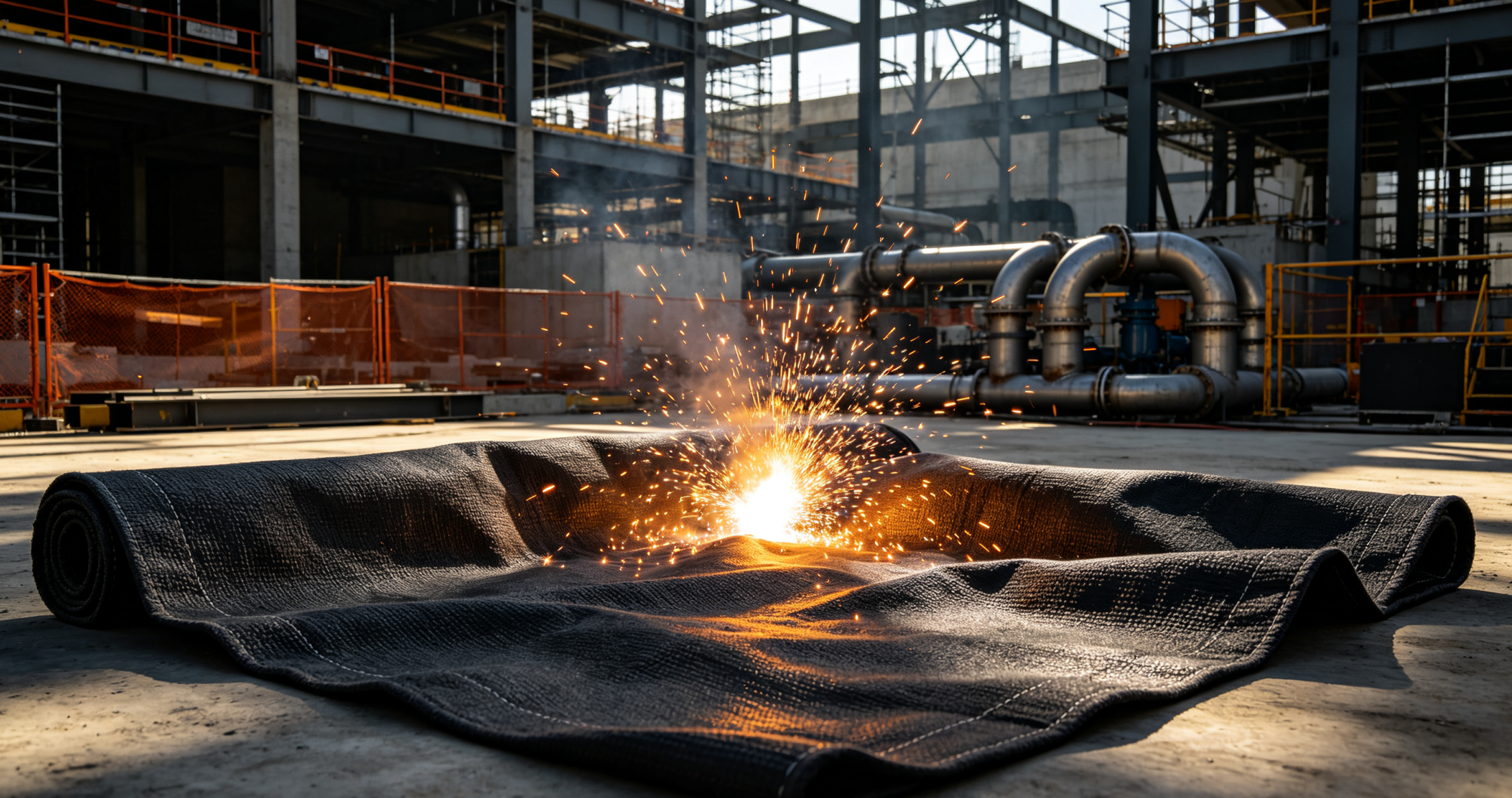
In the high-stakes environment of Japanese automotive manufacturing and precision machining, “good enough” is never enough. When a single stray spark can lead to costly downtime or compromise the integrity of automated assembly lines, the quality of your protective gear is a direct reflection of your operational safety standards. For facilities prioritizing fire prevention and […]
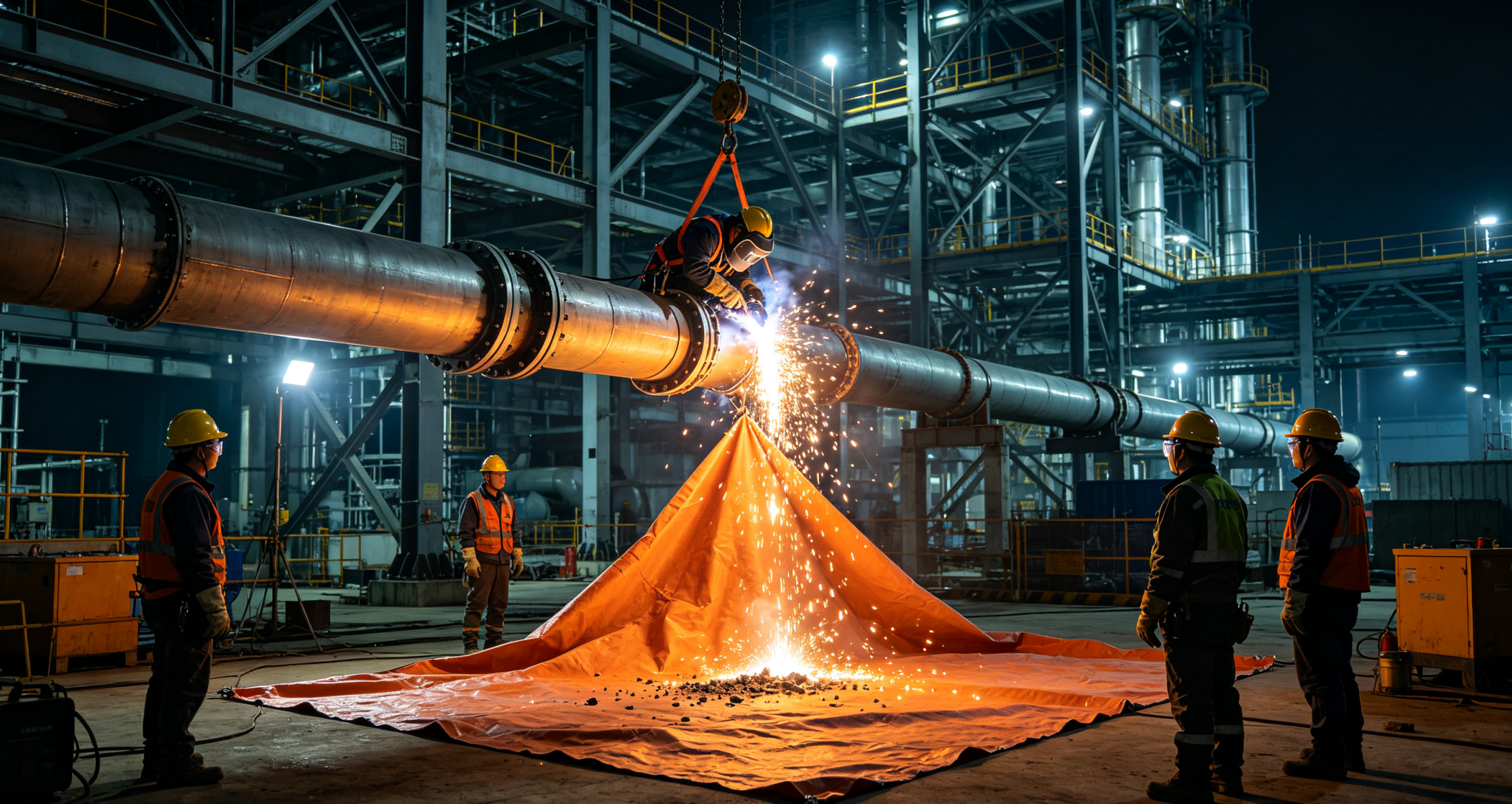
Welding sparks trigger most construction site fires. Even standardized operating procedures carry hidden risks if low-performance flame-retardant fabrics are used. Recent frequent construction fires sound alarms for hot work safety. Most welding-caused blazes stem from inadequate high-temperature slag shielding and substandard fire-resistant materials, rather than improper operation alone. Welding arcs hit over 6,000°C, with flying […]
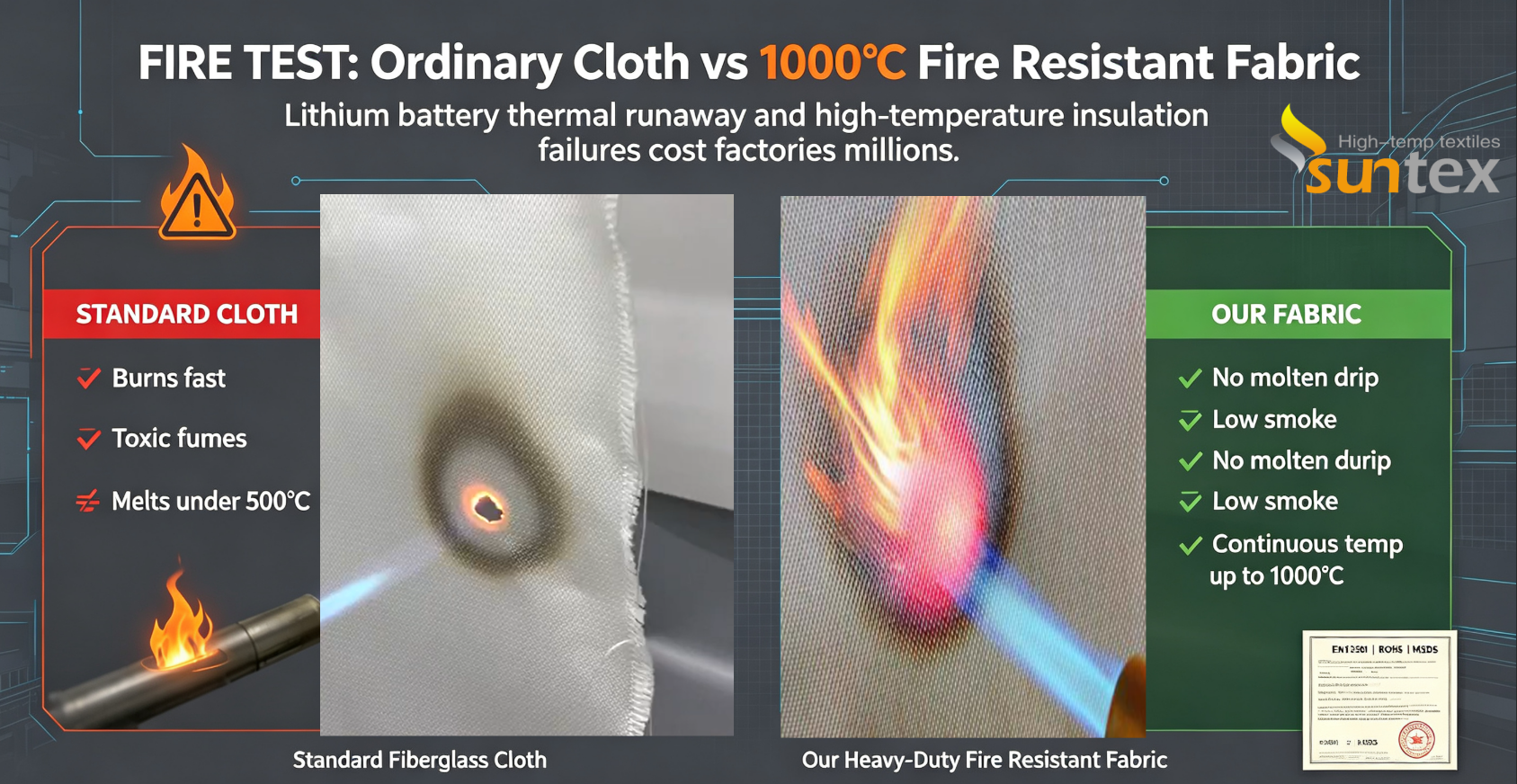
The Hidden Cost of Inferior Thermal Insulation Lithium battery thermal runaway and industrial high-temperature insulation failures frequently trigger factory fires, unplanned shutdowns and massive economic losses. Most of these accidents stem from low-performance standard insulation materials, rather than major equipment faults. Substandard fiberglass cloth fails under high heat, accelerating fire spread and causing costly industrial […]


 English
 Arabic
 Dutch
Dutch French
 German
 Italian
 Polish
 Portuguese
 Russian
 Spanish