

When we think of fabric, “flammable” is often the first word that comes to mind. But in the world of life safety and modern architecture, a new generation of high-tech fabrics is defying this stereotype. Fire curtains and smoke curtains, those unassuming rolls of material tucked away in our building ceilings, are sophisticated pieces of engineering designed to save lives by containing the most dangerous elements of a fire: flames and smoke.

Fire Curtains: More Than Just “Fabric”

At first glance, a fire curtain may look like a simple roll of thick cloth. However, its composition reveals a marvel of material science. Unlike ordinary textiles, these curtains are engineered for one critical purpose: to maintain structural integrity under extreme heat and directly resist the spread of flames.
So, what makes them so special?
The secret lies in a robust composite structure. Leading materials, such as those developed by companies like Suntex, use a base of ultra-long glass fibers and silica fibers. These inorganic fibers are inherently resistant to heat. But the real innovation is in the manufacturing process. These fibers are twist-woven with stainless steel wires, integrating a metal skeleton directly into every yarn.
This combination is transformative. When exposed to a fire’s intense heat, the stainless steel wires prevent the curtain from softening, melting, or losing its shape. The fabric remains intact, forming a continuous, reliable barrier that compartmentalizes the fire, starving it of oxygen and preventing it from spreading to other areas.
This core structure is often enhanced with a surface coating of low-smoke polymers. This coating ensures that in the event of a fire, the curtain itself does not contribute to the toxic smoke load, a critical factor for safe evacuation. Silicone-coated glass fiber cloth is another excellent material choice for these curtains, prized for its exceptional high-temperature resistance and flexibility.
Smoke Barriers: The First Line of Defense Against Toxic Fumes
While fire curtains battle flames, their close cousins, smoke curtains, specialize in an equally deadly threat: toxic smoke. In a fire, most fatalities are caused by smoke inhalation, not the flames themselves. Smoke barriers are deployed from ceilings to create a “pool” that traps smoke at its source, keeping escape routes clear and breathable.
The fabric for smoke curtains is designed with a different emphasis. It is typically thinner (commonly between 0.5mm and 0.9mm) but must be impeccably dense. The base cloth is usually an inorganic fire-resistant glass fiber, which is then treated with a specialized silicone or polyurethane coating. This coating seals the fabric, making it impermeable to hot, toxic gases. Despite their lightweight and flexible nature, these barriers provide outstanding performance in smoke resistance, fire retardation, and thermal insulation.
Conclusion: Guardians of Safety, Driven by Innovation

Fire curtains and smoke curtains are perfect examples of how material innovation and advanced manufacturing are making our world safer. They work silently above us, ready to activate in a moment of crisis. Their continuous evolution—through the use of advanced fibers, metal composites, and specialized coatings—is building more reliable safety defenses for our workplaces, shopping malls, and high-rise buildings.
These ceiling-mounted guardians embody the most crucial principle of fire safety: the best protection is always to prevent disaster before it ignites. They are a physical reminder that true safety is not just about reacting to emergencies, but proactively designing environments that protect human life.
Contact Details
Suntex Composite Industrial Co., Ltd.
Contact Person: Mr. Jason Hu
Tel: +86 132 0712 7986

Send your inquiry directly to us
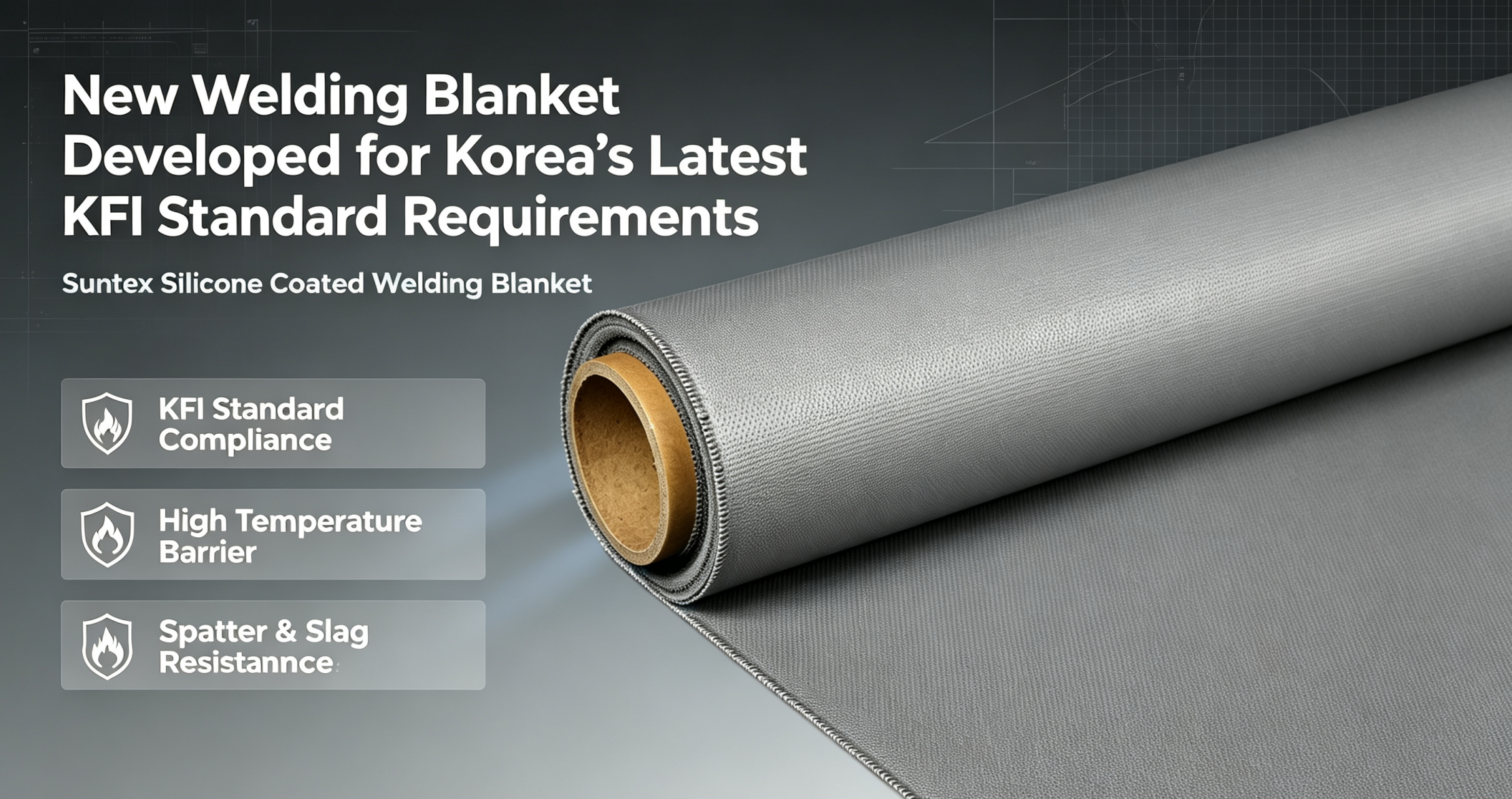
New Welding Blanket Developed for Korea’s Latest KFI Standard Requirements Suntex launches upgraded grey silicone-coated fiberglass welding blankets fully compliant with Korea’s latest KFI fire safety standards for hot work. Made of premium grey silicone coated fiberglass rolls, our blankets deliver reliable protection against welding sparks, molten slag, and high heat for welding, cutting, and […]
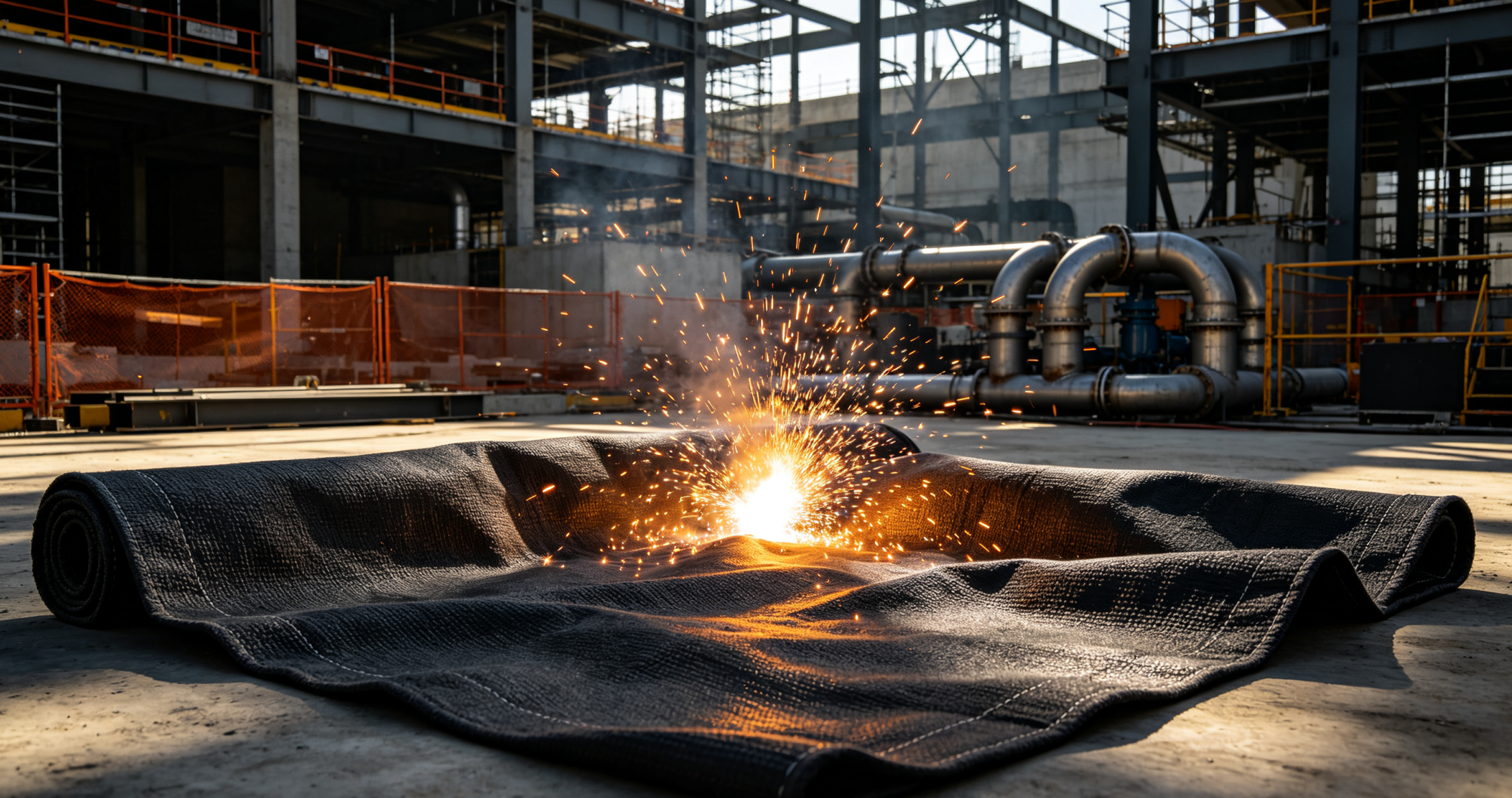
In the high-stakes environment of Japanese automotive manufacturing and precision machining, “good enough” is never enough. When a single stray spark can lead to costly downtime or compromise the integrity of automated assembly lines, the quality of your protective gear is a direct reflection of your operational safety standards. For facilities prioritizing fire prevention and […]
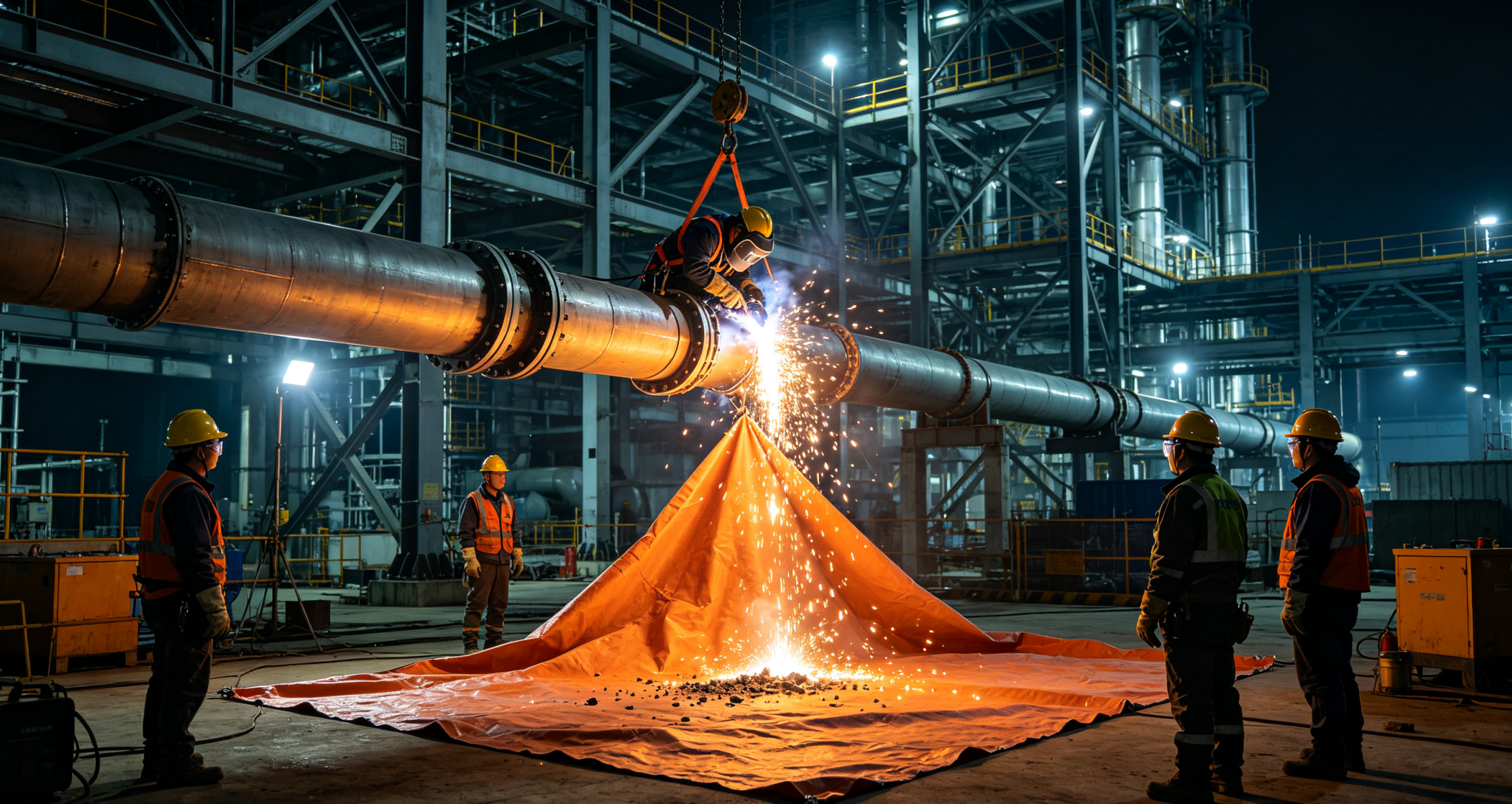
Welding sparks trigger most construction site fires. Even standardized operating procedures carry hidden risks if low-performance flame-retardant fabrics are used. Recent frequent construction fires sound alarms for hot work safety. Most welding-caused blazes stem from inadequate high-temperature slag shielding and substandard fire-resistant materials, rather than improper operation alone. Welding arcs hit over 6,000°C, with flying […]
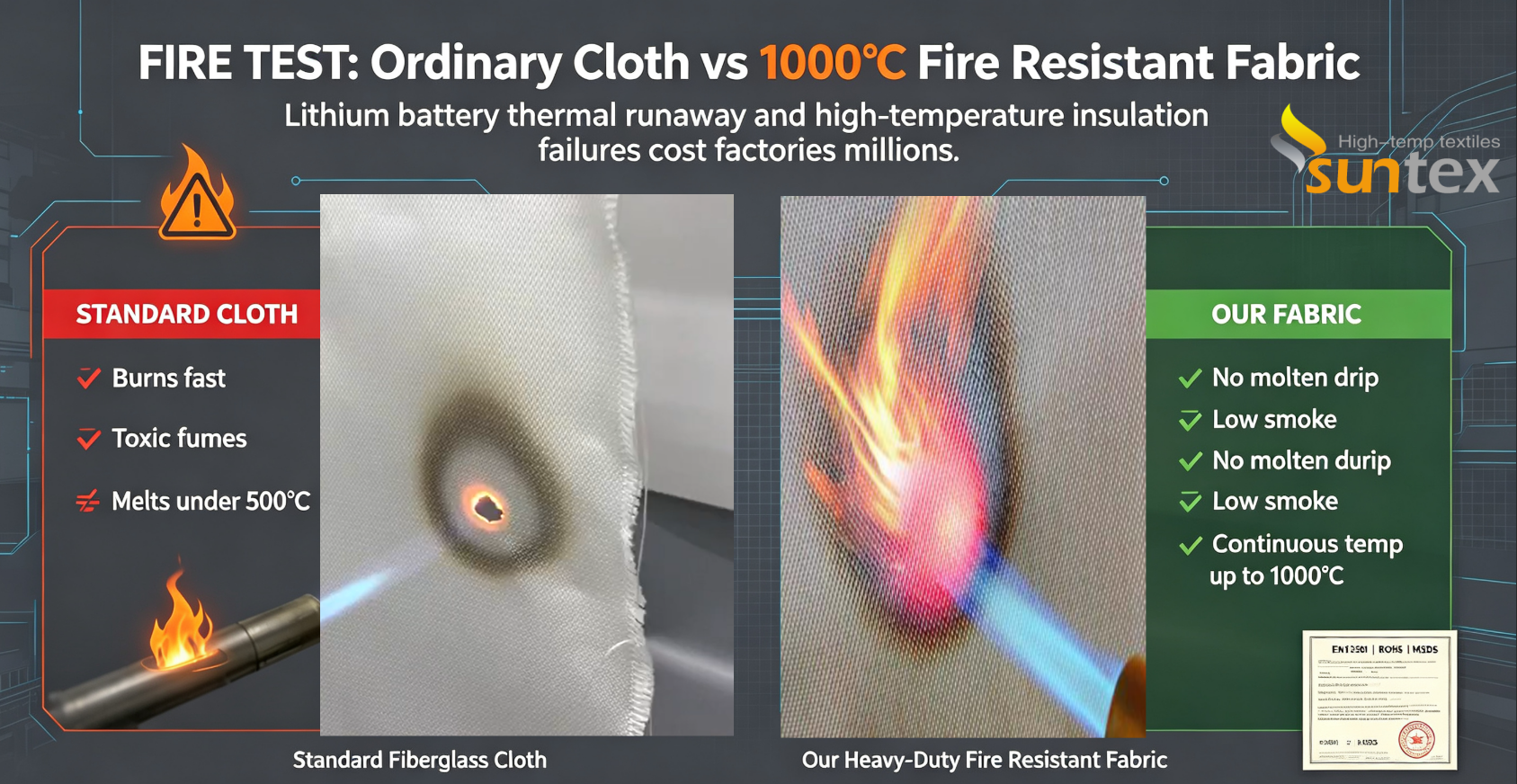
The Hidden Cost of Inferior Thermal Insulation Lithium battery thermal runaway and industrial high-temperature insulation failures frequently trigger factory fires, unplanned shutdowns and massive economic losses. Most of these accidents stem from low-performance standard insulation materials, rather than major equipment faults. Substandard fiberglass cloth fails under high heat, accelerating fire spread and causing costly industrial […]


 English
 Arabic
 Dutch
Dutch French
 German
 Italian
 Polish
 Portuguese
 Russian
 Spanish