

At present, the world glass fiber industry has formed a complete industrial chain from glass fiber, glass fiber products to glass fiber composite materials. Traditional industrial fields such as automobile manufacturing and emerging fields such as aerospace, wind power generation, filtration and dust removal, environmental engineering, and marine engineering.

1. Building materials field
In the downstream demand of glass fiber, the demand for glass fiber is the largest in the field of building materials. Glass fiber is mainly used in GRC boards, thermal insulation boards, fireproof boards, sound-absorbing materials, load-bearing components, roof waterproofing, membrane structures, etc. in the building materials industry, involving various scenarios such as building load-bearing, reinforcement, decoration, waterproofing, heat preservation, sound insulation, and fire prevention.

2. Wind power field
It is a long-term trend that wind power and photovoltaic power will gradually replace thermal power, which will provide impetus for the growth of glass fiber demand. With the trend of large-scale wind power blades, the development of high-modulus and high-strength glass fibers, or the use of composites with carbon fibers is the main technical route of glass fibers.

3. The field of integrated circuits
Electronic yarn is a high-end product among glass fiber yarns. The diameter of the single filament does not exceed 9 microns. It is mainly used to weave electronic cloth as the basic material of copper clad laminate and printed circuit board; electronic yarn, electronic cloth, copper clad laminate and printed circuit board constitute The upstream and downstream basic material industries closely connected in the electronic circuit industry chain.
4. New energy vehicle field
The transportation field is an important application scenario of glass fiber. Glass fiber has excellent performance and has obvious advantages over traditional materials. The automotive industry mainly uses this material for coverings and stress-bearing components, such as roofs, window frames, bumpers, fenders, body panels and instrument panels. In the railway transportation industry, it is mainly used for inner and outer panels, roofs, seats and SMC window frames of carriages. The shipbuilding industry is used to manufacture all kinds of fast passenger ships, fishing boats, sightseeing boats, as well as various passenger ships and lifeboats.

Contact Details
Suntex Composite Industrial Co., Ltd.
Contact Person: Mr. Jason Hu
Tel: +86 132 0712 7986

Send your inquiry directly to us
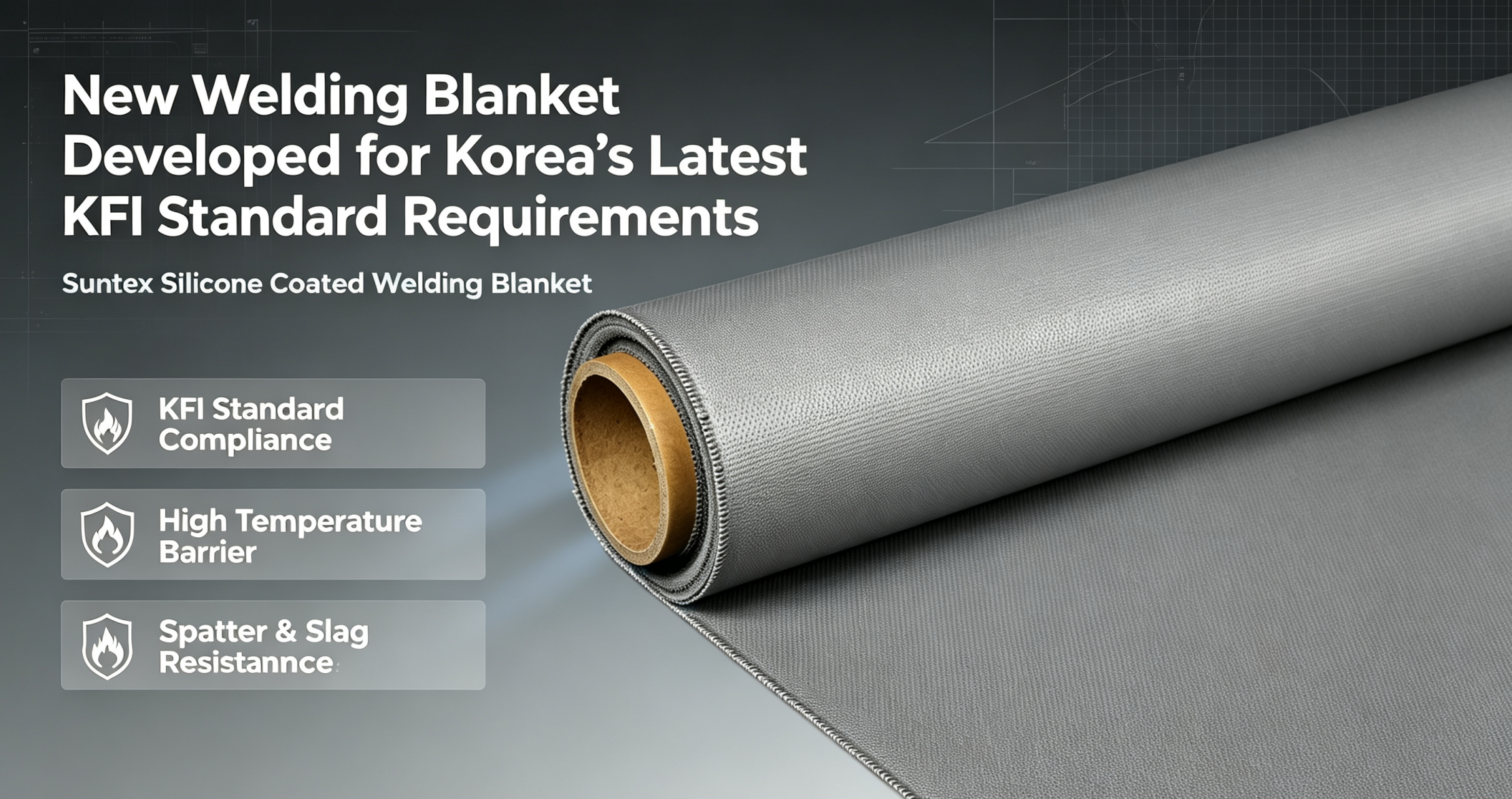
New Welding Blanket Developed for Korea’s Latest KFI Standard Requirements Suntex launches upgraded grey silicone-coated fiberglass welding blankets fully compliant with Korea’s latest KFI fire safety standards for hot work. Made of premium grey silicone coated fiberglass rolls, our blankets deliver reliable protection against welding sparks, molten slag, and high heat for welding, cutting, and […]
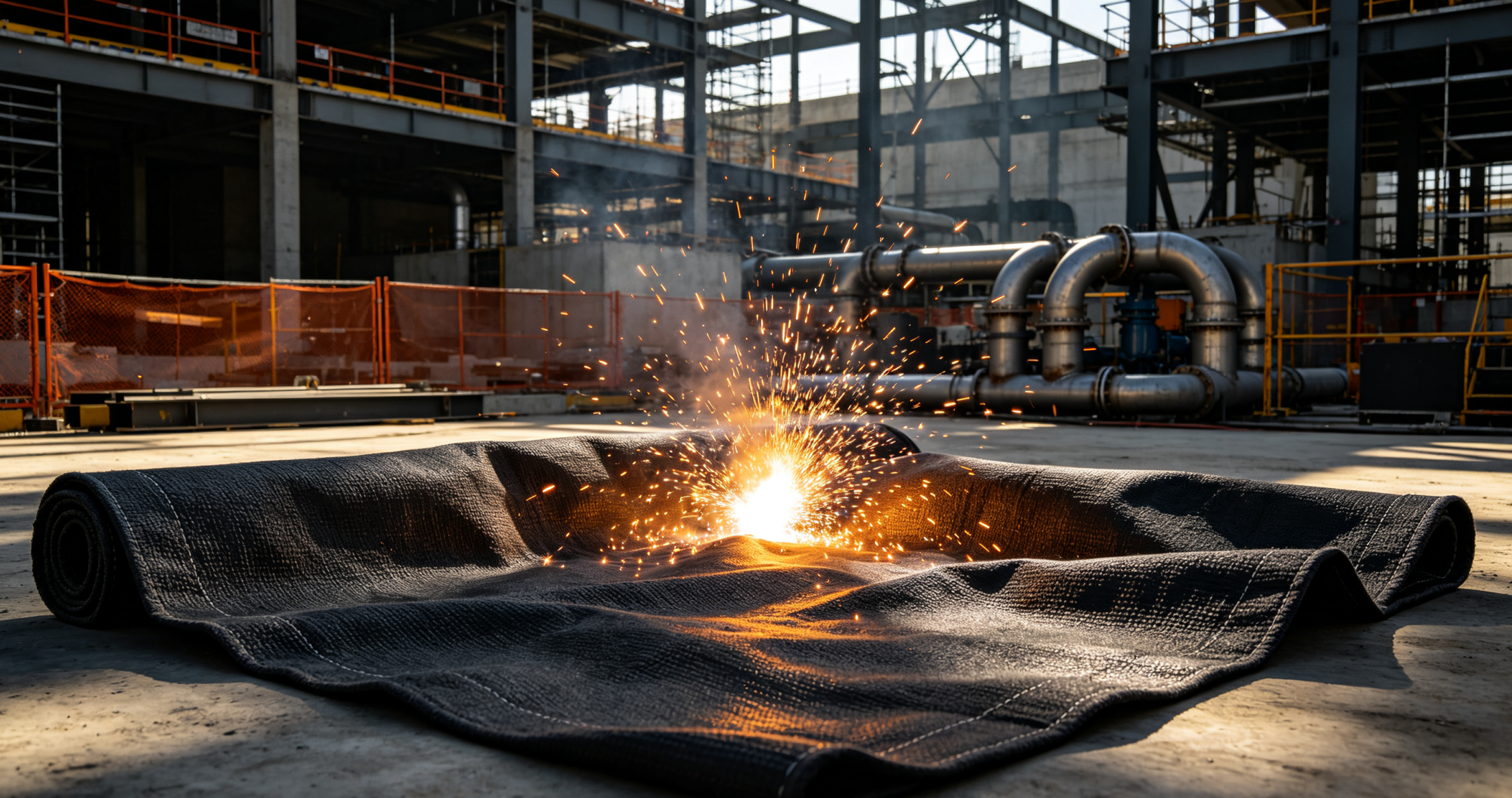
In the high-stakes environment of Japanese automotive manufacturing and precision machining, “good enough” is never enough. When a single stray spark can lead to costly downtime or compromise the integrity of automated assembly lines, the quality of your protective gear is a direct reflection of your operational safety standards. For facilities prioritizing fire prevention and […]
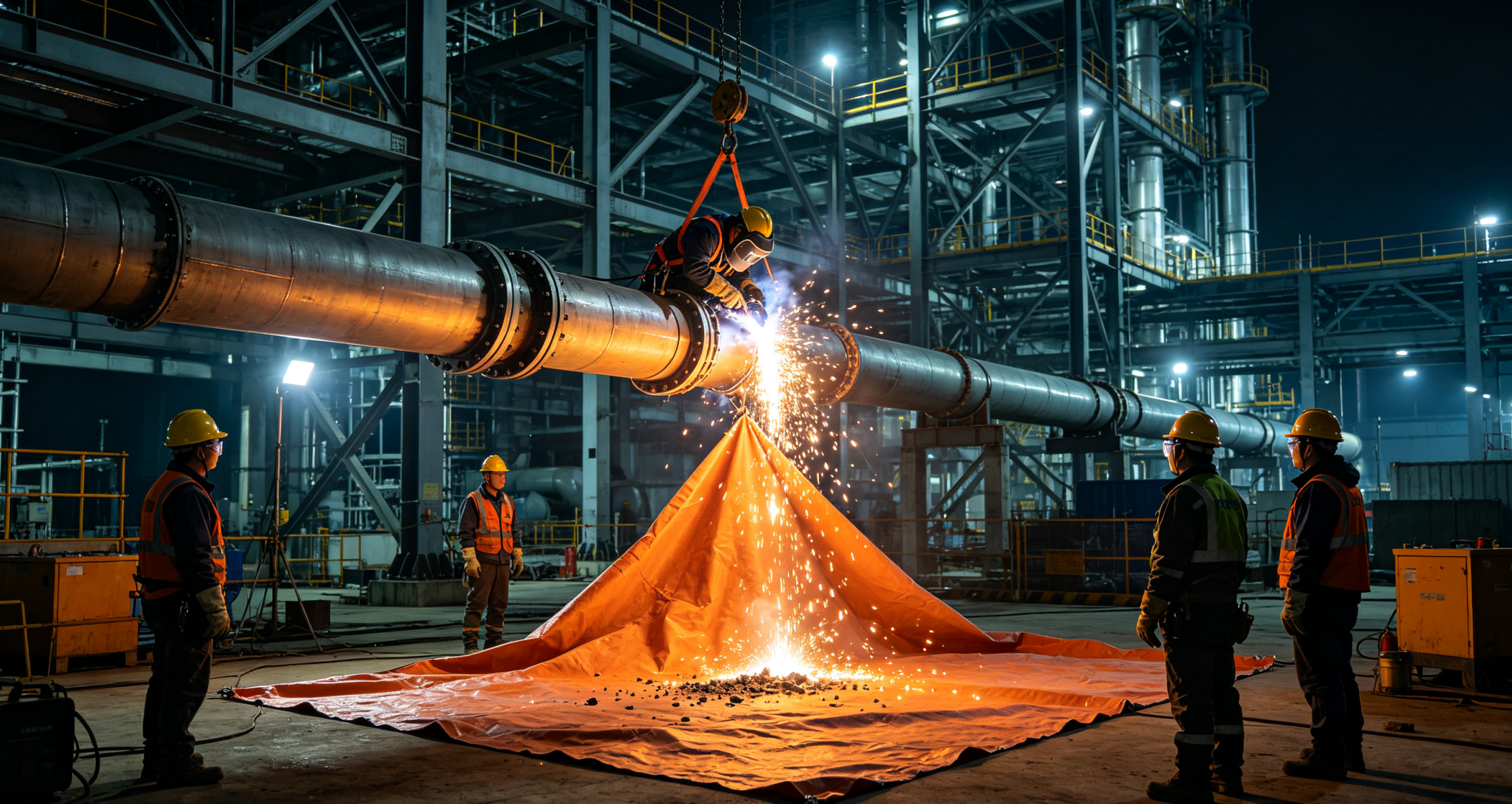
Welding sparks trigger most construction site fires. Even standardized operating procedures carry hidden risks if low-performance flame-retardant fabrics are used. Recent frequent construction fires sound alarms for hot work safety. Most welding-caused blazes stem from inadequate high-temperature slag shielding and substandard fire-resistant materials, rather than improper operation alone. Welding arcs hit over 6,000°C, with flying […]
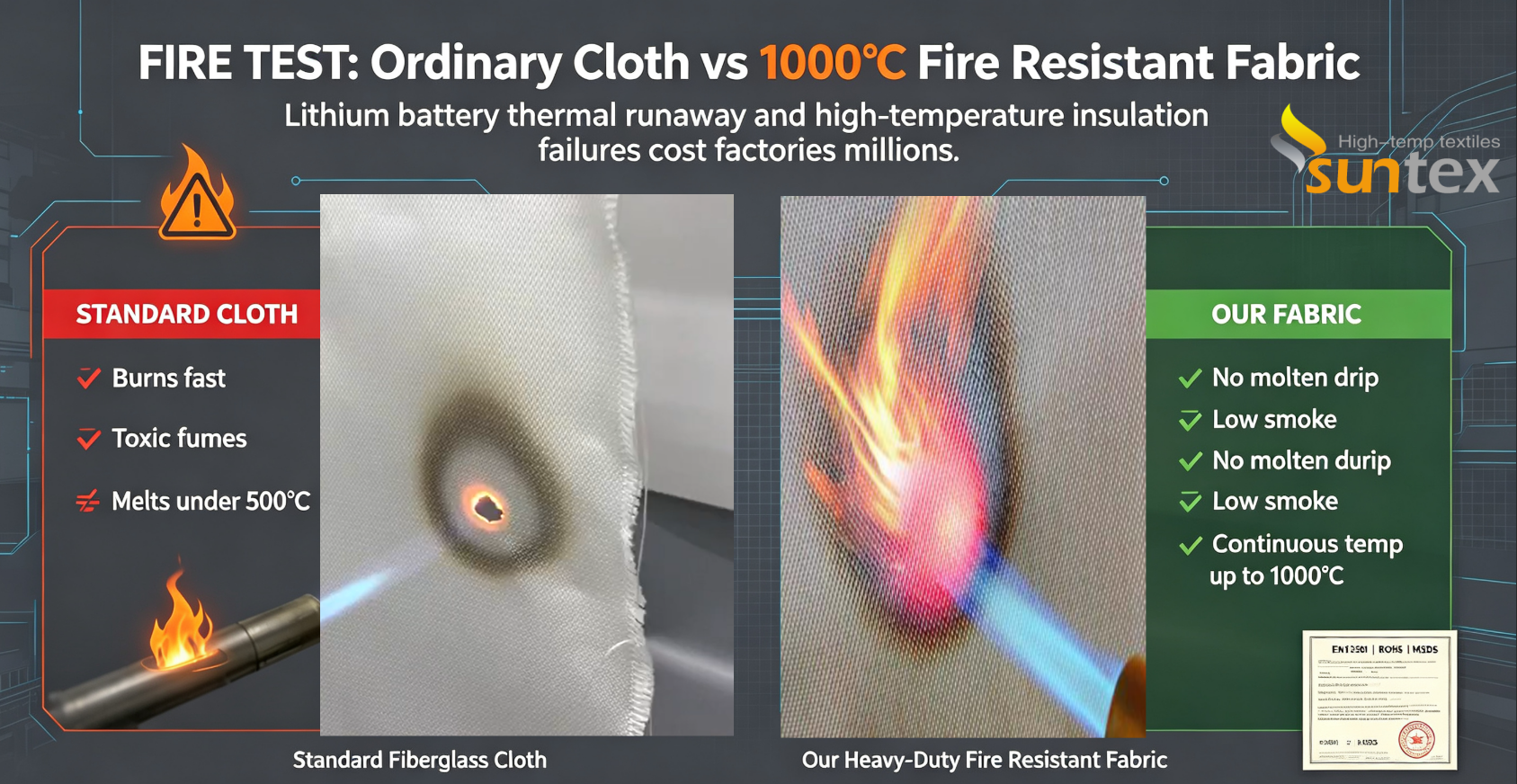
The Hidden Cost of Inferior Thermal Insulation Lithium battery thermal runaway and industrial high-temperature insulation failures frequently trigger factory fires, unplanned shutdowns and massive economic losses. Most of these accidents stem from low-performance standard insulation materials, rather than major equipment faults. Substandard fiberglass cloth fails under high heat, accelerating fire spread and causing costly industrial […]


 English
 Arabic
 Dutch
Dutch French
 German
 Italian
 Polish
 Portuguese
 Russian
 Spanish