

Introduction:
Fireproof fabric, also known as flame-resistant fabric, is a specialized material designed to resist burning or melting when exposed to flames or high temperatures. In this article, we will explore the concept of fireproof fabric, delve into its various types, discuss the standards that govern its performance, and provide insights on where to purchase fireproof fabrics.
What is Fireproof Fabric
Fireproof fabric refers to specially treated materials or fibers that are designed to resist ignition, burning, or melting when exposed to flames or extreme heat. It plays a crucial role in industries such as firefighting, military, and manufacturing, providing protection and safety to individuals and equipment.

Types of Fireproof Fabric
Fiberglass Fabric: Made from woven glass fibers, fiberglass fabric exhibits excellent fire resistance and thermal insulation properties. It is commonly used in insulation, protective clothing, and curtains. Fiberglass fabric comes in two main types: woven fiberglass fabric and coated fiberglass fabric.

1) Woven Fiberglass Fabric: Woven fiberglass fabric is made from continuous glass filaments that are woven together. It offers excellent fire resistance and thermal insulation properties. This fabric is commonly used in insulation, protective clothing, fireproof, welding protection, and other applications where heat resistance is essential.
2) Coated Fiberglass Fabric: Coated fiberglass fabric refers to woven fiberglass fabric that is coated with specific materials to enhance its performance and characteristics. There are various types of coated fiberglass fabric available, each with unique features and applications:
a. Silicone Coated Fiberglass Fabric: Silicone-coated fiberglass fabric offers excellent heat resistance, flexibility, durability, abrasion resistance, resistance to oil and chemicals, and electrical insulation properties. It is widely used in applications such as welding blankets, fire curtains, thermal insulation, flexible connectors, outdoor, car fire blankets, and electrical insulation sleeves.
b. PU (Polyurethane) Coated Fiberglass Fabric: Polyurethane-coated fiberglass fabric provides durability, abrasion resistance, and flexibility. It finds applications in industries where mechanical strength and resistance to wear are required, such as thermal insulation, smoke and fire curtains, welding blankets, car fire blankets, Air Ducts, and flexible connectors.
c. Neoprene Coated Fiberglass Fabric: Neoprene-coated fiberglass fabric combines the fire resistance of fiberglass with the oil and chemical resistance of neoprene. It is commonly used in applications requiring protection against oils, chemicals, and extreme temperatures, such as gaskets, expansion joints, and thermal insulation covers.
d. PTFE-Coated Fiberglass Fabric: Features a non-stick surface and excellent chemical resistance. Used in applications requiring high-temperature resistance, such as release sheets for food processing, expansion joints, insulation jackets, and conveyor belts.
e. Aluminum Fiberglass Fabric: Combines the fire resistance of fiberglass with the heat reflectivity of aluminum. Used in applications such as thermal insulation, heat shields, and protective covers for equipment exposed to high temperatures.
f. Acrylic-Coated Fiberglass Fabric: Offers good resistance to UV radiation, weathering, and chemicals. Used in applications such as outdoor covers, awnings, and protective clothing.
g. PVC-Coated Fiberglass Fabric: Combines the fire resistance of fiberglass with the durability and chemical resistance of PVC. It is commonly used in protective clothing, tents, awnings, and flexible ducting.
h. High-Temperature Fiberglass Fabric: Engineered to withstand extreme temperatures, providing excellent heat insulation and fire protection. Commonly used in industrial applications, such as furnace linings, fire-resistant barriers, and insulation blankets.


Aramid Fabric: Aramid fabrics, including Nomex and Kevlar, are known for their exceptional heat resistance and strength. They are widely used in protective clothing for firefighters, military personnel, and workers in high-temperature environments.
Silica Fabric: Silica fabric is derived from amorphous silica fibers and offers excellent resistance to heat, flames, and molten metal splash. It finds applications in welding blankets, fire curtains, and other high-temperature protection needs. If you want to resist extremely high temperatures, vermiculite coated silica fabricis a good choice.

Ceramic Fabric: Ceramic fabrics, made from ceramic fibers, possess excellent thermal insulation properties. They are used in industrial insulation, furnace linings, and fireproof garments.
Basalt Fabric: Basalt fabric, derived from basalt fibers from volcanic rock, exhibits excellent fire resistance, chemical resistance, and thermal insulation properties. It is used in fireproof blankets, insulation materials, and protective clothing.
– Quartz Fabric: Quartz fabric, woven from quartz fibers, offers exceptional resistance to high temperatures, flames, and chemicals. It is commonly used in fireproof curtains, thermal insulation, and protective clothing.
Standards for Fireproof Fabrics
Fireproof fabrics are subject to stringent standards to ensure their performance and safety. Organizations such as the National Fire Protection Association (NFPA) and the European Union (EU) have established guidelines and certifications to assess the fire resistance and effectiveness of these fabrics. Compliance with these standards ensures reliable and high-quality fireproof fabrics.
Where to Buy Fireproof Fabrics
Fireproof fabrics can be purchased from specialized suppliers, safety equipment stores, or online platforms. Some reputable manufacturers and suppliers of fireproof fabrics include:
– Suntex Composite, Suntex is a Chinese leading manufacturer of a wide range of high-quality coated textiles using fiberglass as a base material for high-temperature resistance and fire protection applications.
– ISO9001:2015 complied, equipped with three sets of the production line, own 20000㎡ production area, and 600 million capacity annually, up today, Suntex has successfully cooperated with more than 600 customers globally for heat resistance, fire resistance, and high-performance needs in Petrochemical power generation, air distribution system, foundries, shipyards industries.
With the most advance technology in Asia, Suntex has believes in maintaining quality consistencies and continuous innovation to meet the needs and wants of temperature resistance and high romanceance.
Conclusion:
Fireproof fabrics play a vital role in protecting individuals and equipment from fire-related risks. Understanding the different types of fireproof fabrics available, their compliance with industry standards, and reliable sources to purchase them is crucial for ensuring safety across various sectors. By investing in high-quality fireproof fabrics and adhering to safety guidelines, we can effectively mitigate the impact of fires and safeguard lives and valuable assets.
Contact Details
Suntex Composite Industrial Co., Ltd.
Contact Person: Mr. Jason Hu
Tel: +86 132 0712 7986

Send your inquiry directly to us
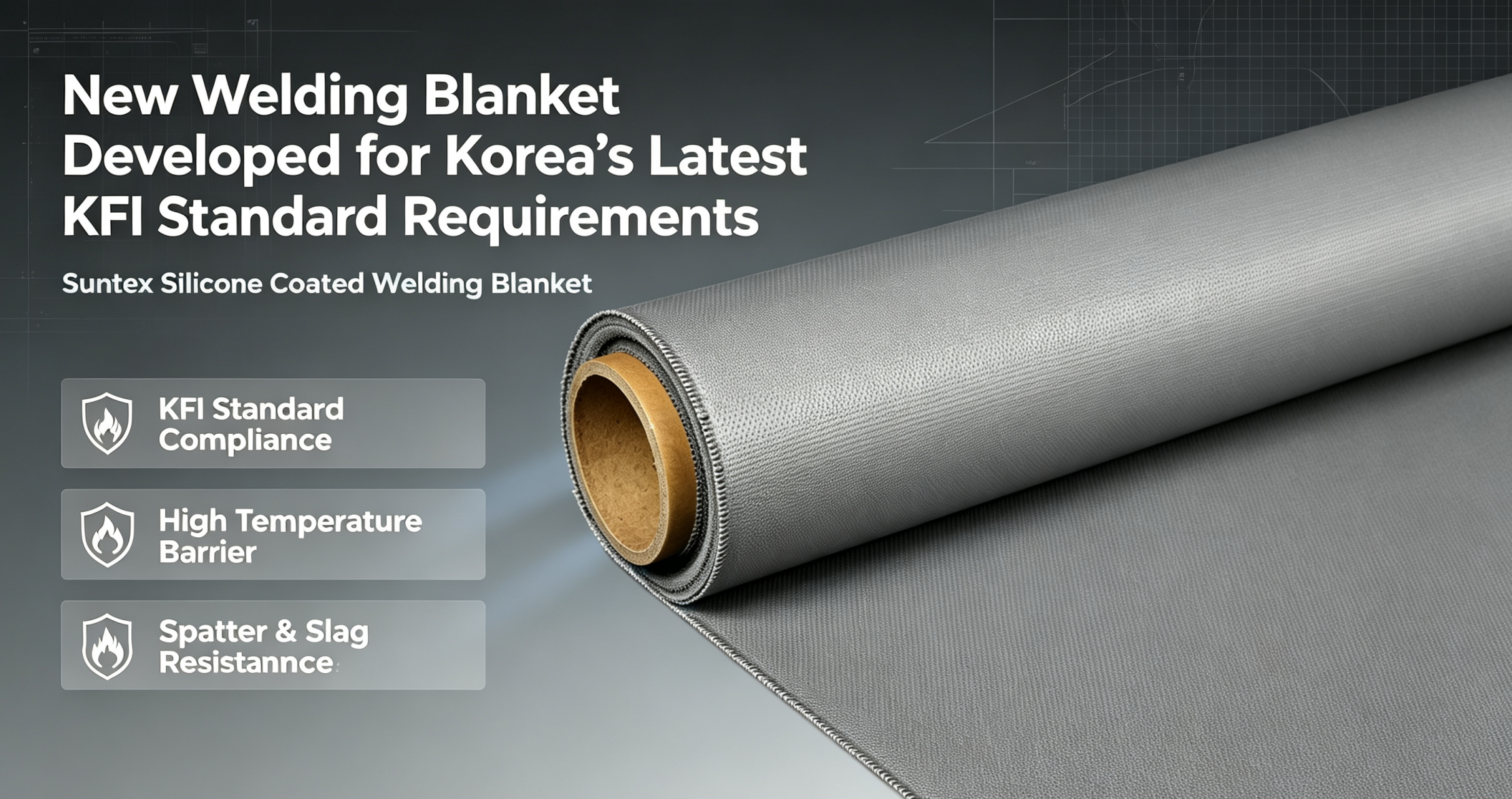
New Welding Blanket Developed for Korea’s Latest KFI Standard Requirements Suntex launches upgraded grey silicone-coated fiberglass welding blankets fully compliant with Korea’s latest KFI fire safety standards for hot work. Made of premium grey silicone coated fiberglass rolls, our blankets deliver reliable protection against welding sparks, molten slag, and high heat for welding, cutting, and […]
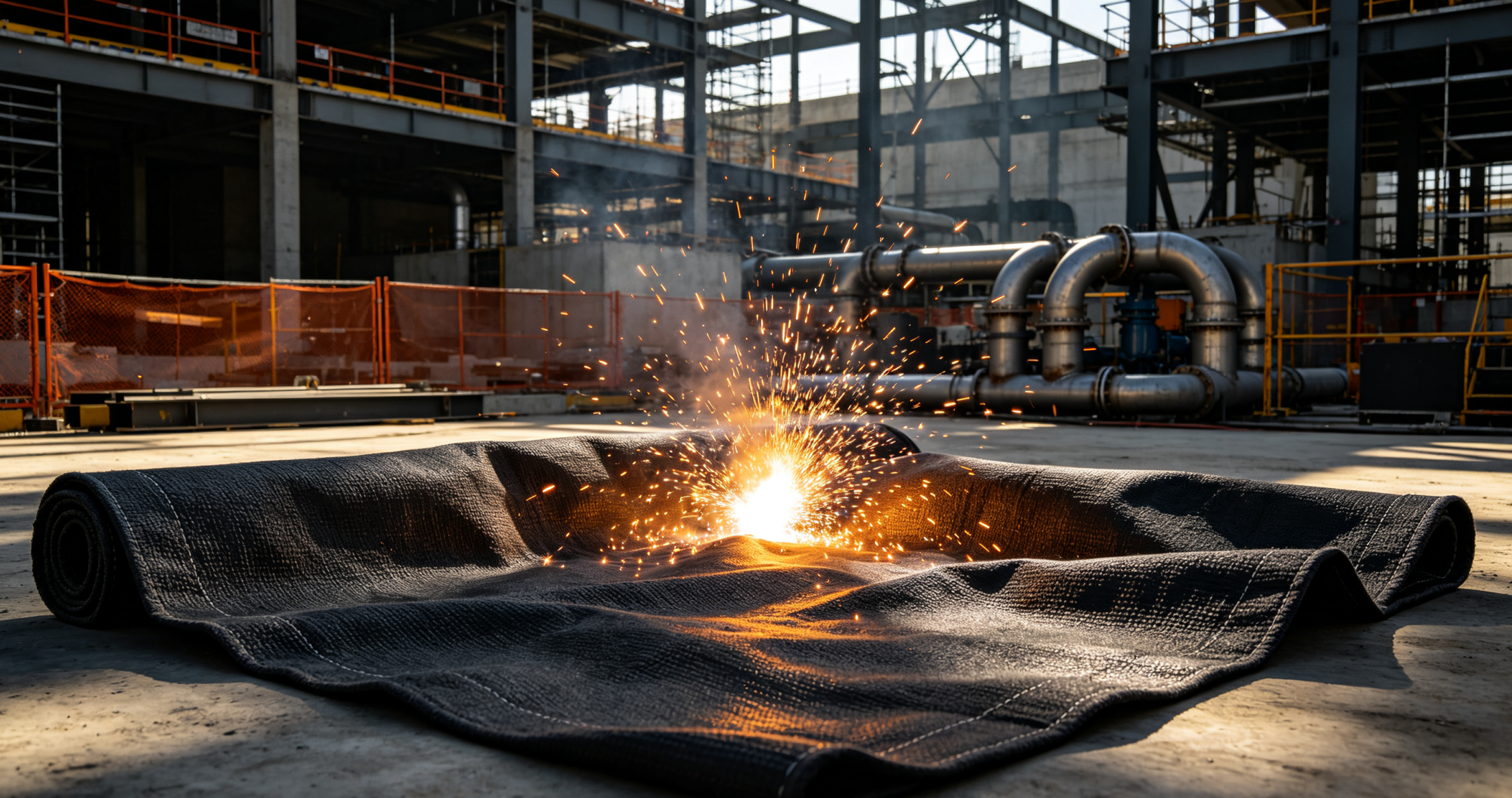
In the high-stakes environment of Japanese automotive manufacturing and precision machining, “good enough” is never enough. When a single stray spark can lead to costly downtime or compromise the integrity of automated assembly lines, the quality of your protective gear is a direct reflection of your operational safety standards. For facilities prioritizing fire prevention and […]
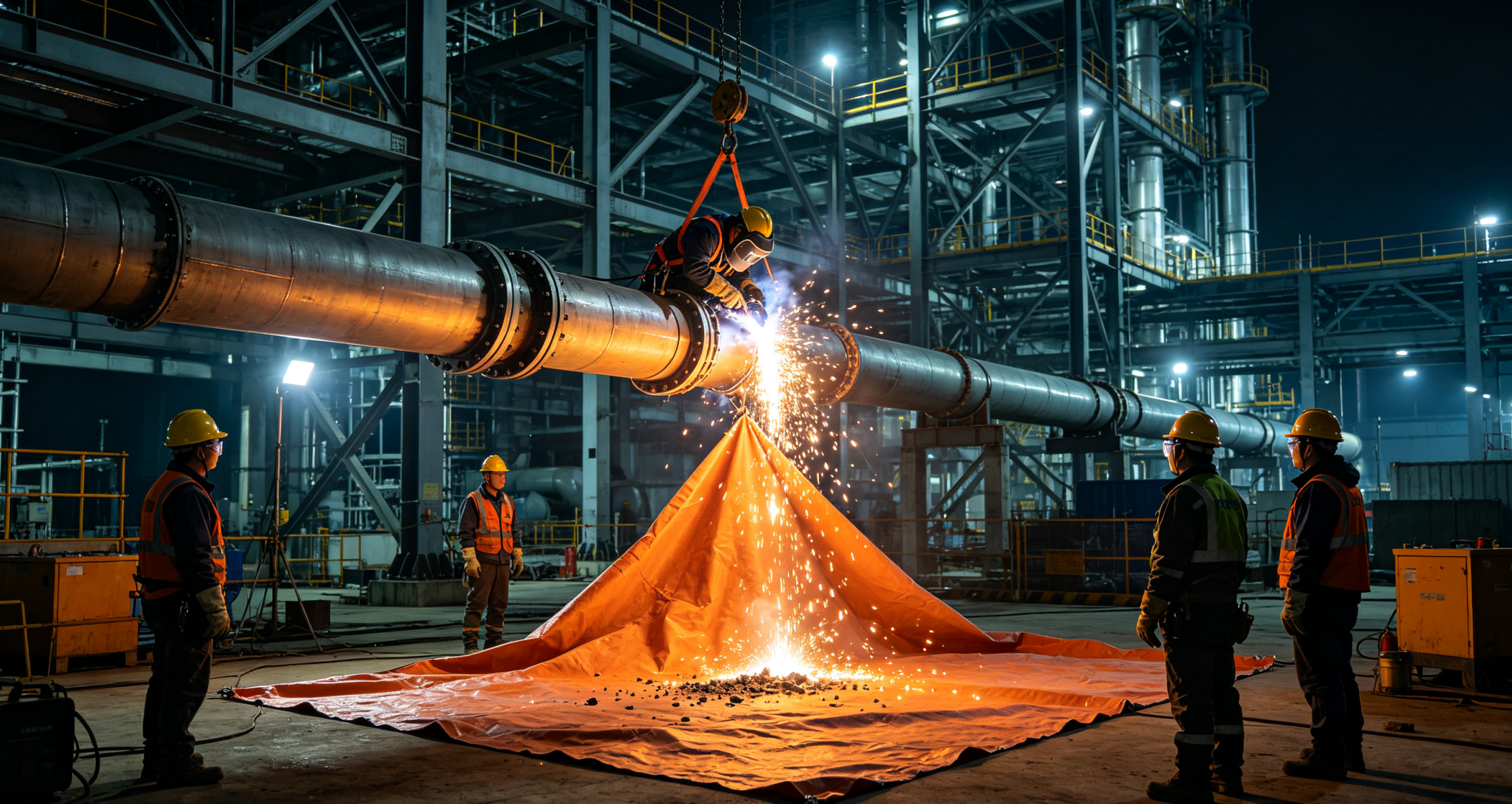
Welding sparks trigger most construction site fires. Even standardized operating procedures carry hidden risks if low-performance flame-retardant fabrics are used. Recent frequent construction fires sound alarms for hot work safety. Most welding-caused blazes stem from inadequate high-temperature slag shielding and substandard fire-resistant materials, rather than improper operation alone. Welding arcs hit over 6,000°C, with flying […]
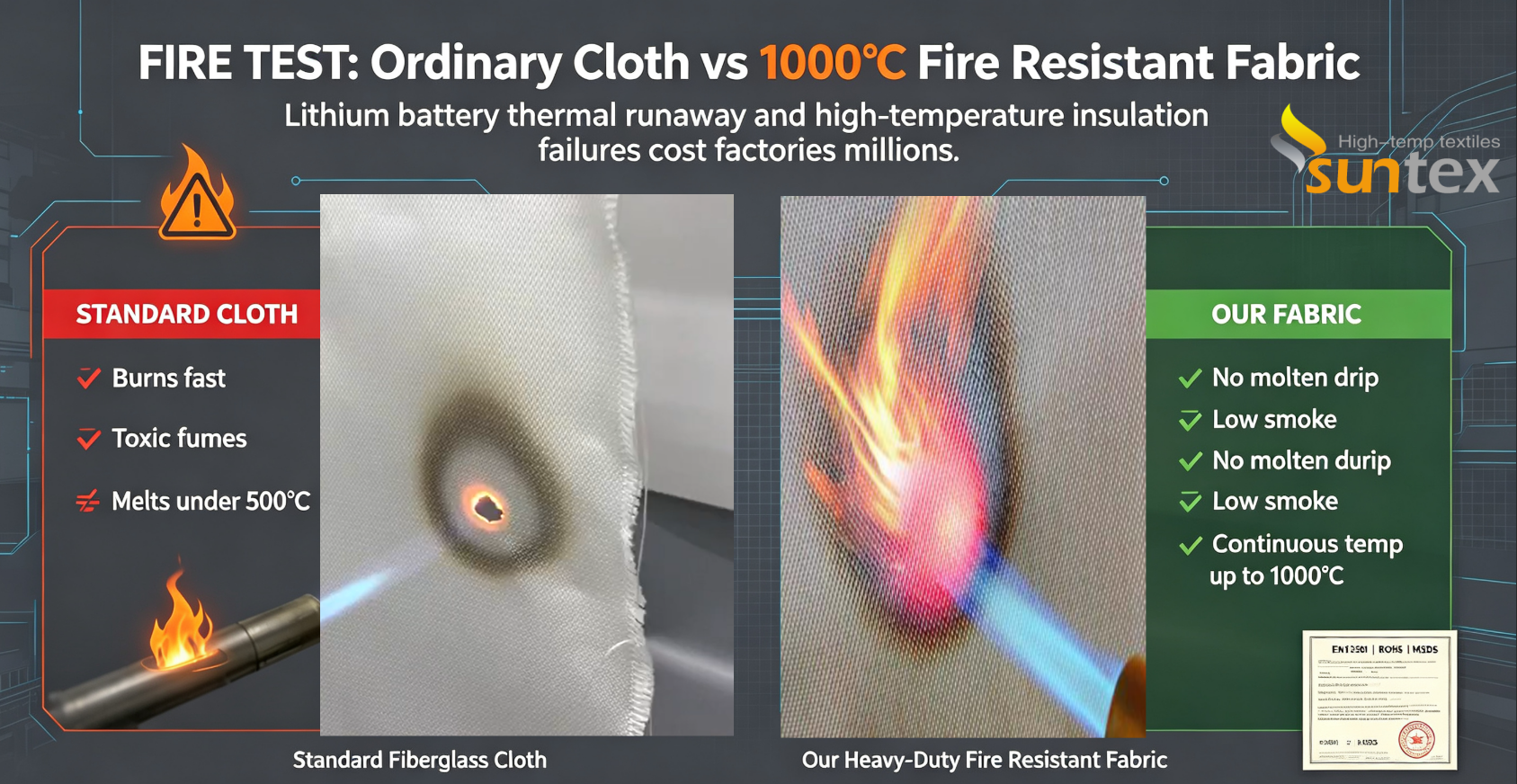
The Hidden Cost of Inferior Thermal Insulation Lithium battery thermal runaway and industrial high-temperature insulation failures frequently trigger factory fires, unplanned shutdowns and massive economic losses. Most of these accidents stem from low-performance standard insulation materials, rather than major equipment faults. Substandard fiberglass cloth fails under high heat, accelerating fire spread and causing costly industrial […]


 English
 Arabic
 Dutch
Dutch French
 German
 Italian
 Polish
 Portuguese
 Russian
 Spanish