

Automotive Fire Blankets: How Suntex Addresses the Challenges of New Energy Vehicle Fires
Fires involving new energy vehicles—particularly those caused by lithium-ion battery thermal runaway—are occurring with increasing frequency, and traditional firefighting methods often prove ineffective. Suntex automotive fire blankets are gaining attention as a novel piece of fire-control equipment; this article analyzes their underlying principles and inherent value.
I. Materials and Fire Resistance: Structural Stability Under High Heat and Open Flames
Suntex automotive fire blankets are constructed from high-temperature-resistant, non-combustible or flame-retardant composite fibers. In environments involving high heat and open flames, these blankets maintain their structural integrity, withstanding prolonged exposure to direct flames without easily tearing or producing molten drips. This ensures they continue to serve their isolating function effectively, thereby buying critical time for subsequent response and mitigation efforts.
II. Fire Suppression Principles: Primarily Fire Containment, Secondarily Smothering
The fire blanket controls the fire primarily by covering the source: it isolates the fire from the air to suppress open flames, blocks thermal radiation to lower temperatures, and limits smoke dispersion to reduce associated hazards. In cases of lithium-ion battery thermal runaway—where the battery itself contains an internal oxidizer—simply cutting off external oxygen is insufficient to halt the reaction. Therefore, the primary objective of the Suntex fire blanket is to contain the fire and prevent its spread, rather than to serve as a substitute for professional cooling procedures.
III. Fundamental Effectiveness Against EV Fires: Containment and Isolation—A Clear Value Proposition
Electric vehicle fires are notoriously difficult to control because the battery continues to generate heat, rendering simple oxygen-deprivation methods ineffective. Suntex fire blankets address this challenge by: containing the fire to prevent its spread, reducing thermal radiation to ensure safe evacuation, and delaying the fire’s progression to gain time for rescue operations. It is not a cooling device, but rather a critical containment and isolation layer for use during the initial to intermediate stages of a fire incident.
IV. Comparison with Professional Firefighting: Clear Division of Roles and Mutual Complementarity
The standard protocol for handling electric vehicle fires involves a process of “isolation + extensive cooling + monitoring for re-ignition.” Fire blankets are not standard-issue equipment for professional fire brigades—whose primary combat tools consist of water hoses, foam, and similar agents designed for large-scale fire suppression—but are instead utilized specifically for early-stage fire containment or for isolating incidents in densely packed vehicle environments. Suntex fire blankets serve as an auxiliary tool intended for immediate use by on-site personnel, property management staff, and security teams, working in coordination with professional firefighting services.
V. The Difference Between Containment and Unchecked Burning: Strategic Control Yields Different Outcomes
Deploying a fire blanket suppresses flames, reduces heat, blocks smoke, and prevents secondary ignition, thereby buying time for rescue operations, localizing the fire, and safeguarding both personnel and property. Conversely, allowing the fire to burn unchecked leads to severe and catastrophic consequences. Suntex Automotive Fire Blankets are specifically engineered to address fires involving new energy vehicles. Based on high-temperature-resistant materials, they focus on fire containment, isolation, and damage mitigation, serving as the primary line of defense within fire safety systems. Suitable for deployment in settings such as parking lots, garages, and transportation hubs, these blankets enhance the capacity to effectively respond to fires in their incipient stages.
Only by understanding the specific characteristics of fires—and by scientifically deploying the appropriate equipment—can we truly prevent potential hazards and bring fires under control at their very inception.
Contact Details
Suntex Composite Industrial Co., Ltd.
Contact Person: Mr. Jason Hu
Tel: +86 132 0712 7986

Send your inquiry directly to us
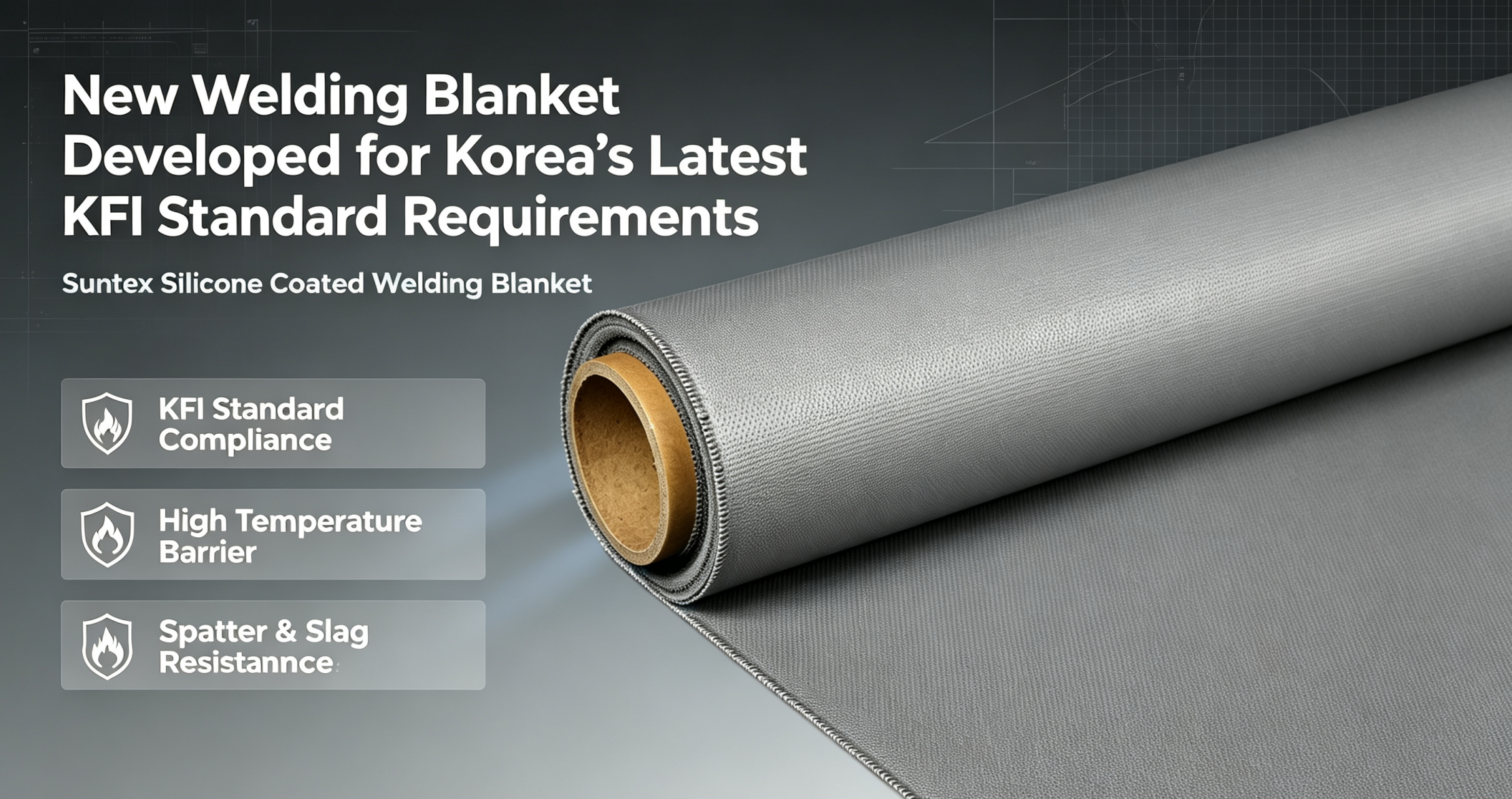
New Welding Blanket Developed for Korea’s Latest KFI Standard Requirements Suntex launches upgraded grey silicone-coated fiberglass welding blankets fully compliant with Korea’s latest KFI fire safety standards for hot work. Made of premium grey silicone coated fiberglass rolls, our blankets deliver reliable protection against welding sparks, molten slag, and high heat for welding, cutting, and […]
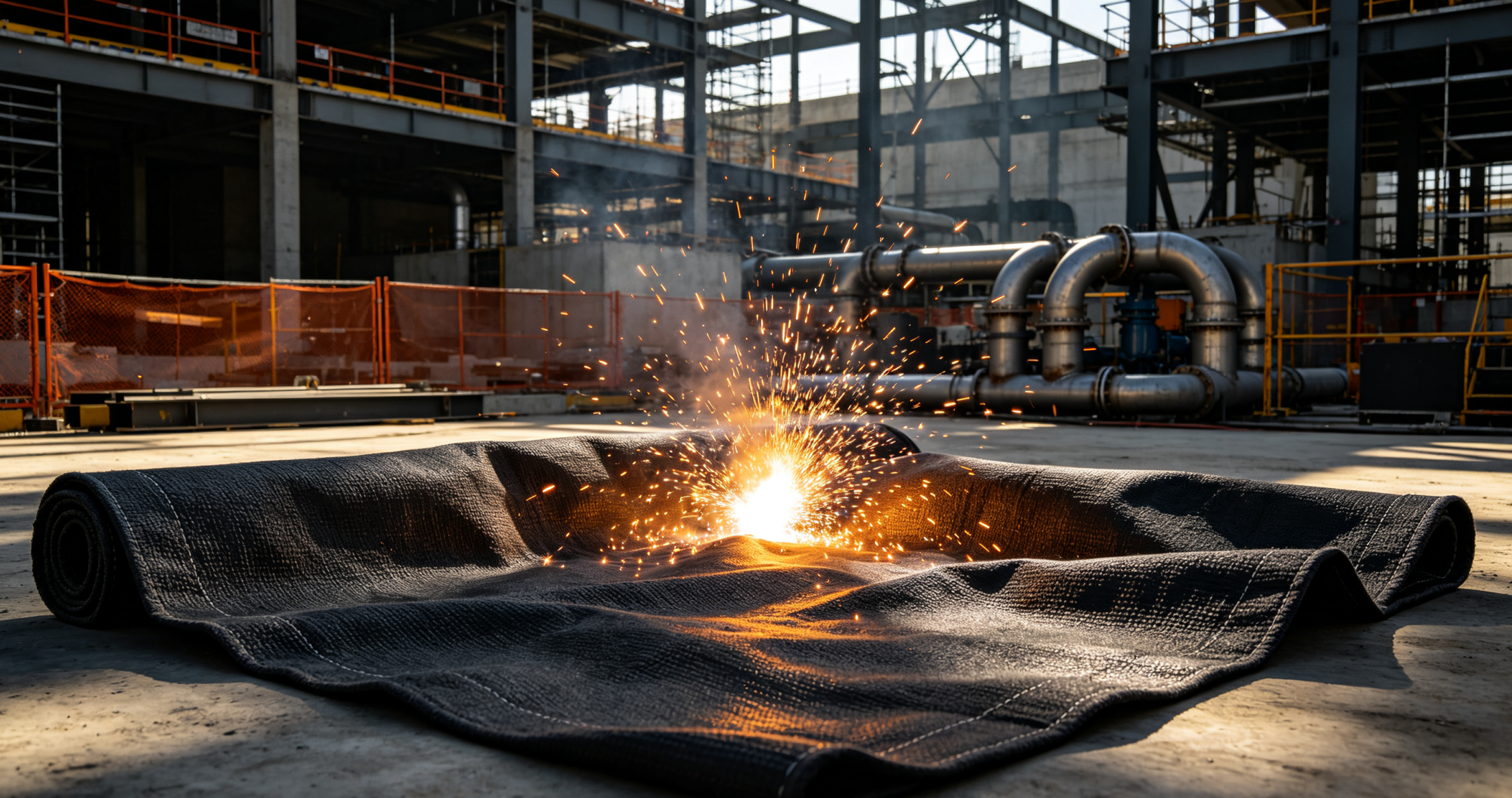
In the high-stakes environment of Japanese automotive manufacturing and precision machining, “good enough” is never enough. When a single stray spark can lead to costly downtime or compromise the integrity of automated assembly lines, the quality of your protective gear is a direct reflection of your operational safety standards. For facilities prioritizing fire prevention and […]
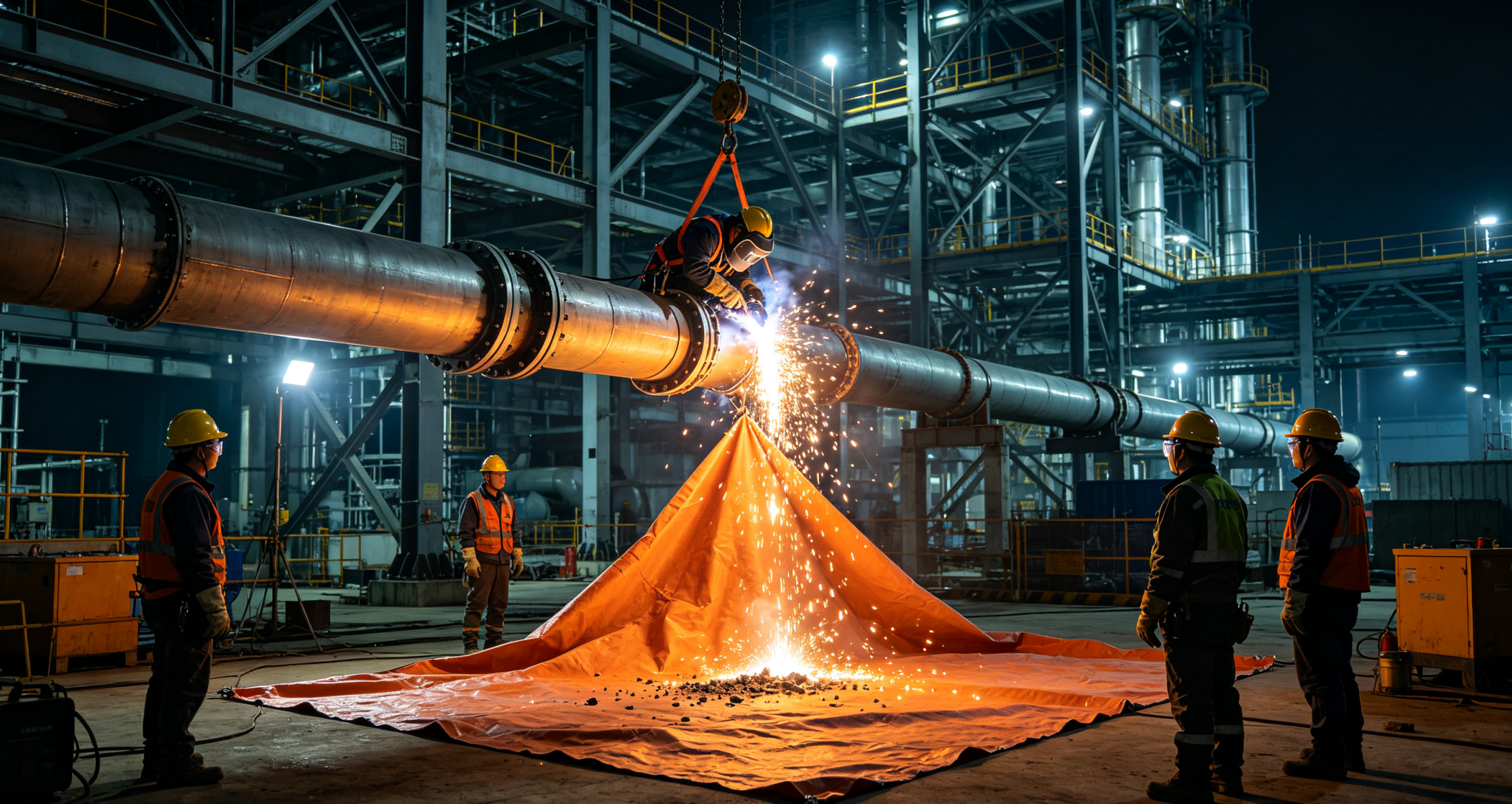
Welding sparks trigger most construction site fires. Even standardized operating procedures carry hidden risks if low-performance flame-retardant fabrics are used. Recent frequent construction fires sound alarms for hot work safety. Most welding-caused blazes stem from inadequate high-temperature slag shielding and substandard fire-resistant materials, rather than improper operation alone. Welding arcs hit over 6,000°C, with flying […]
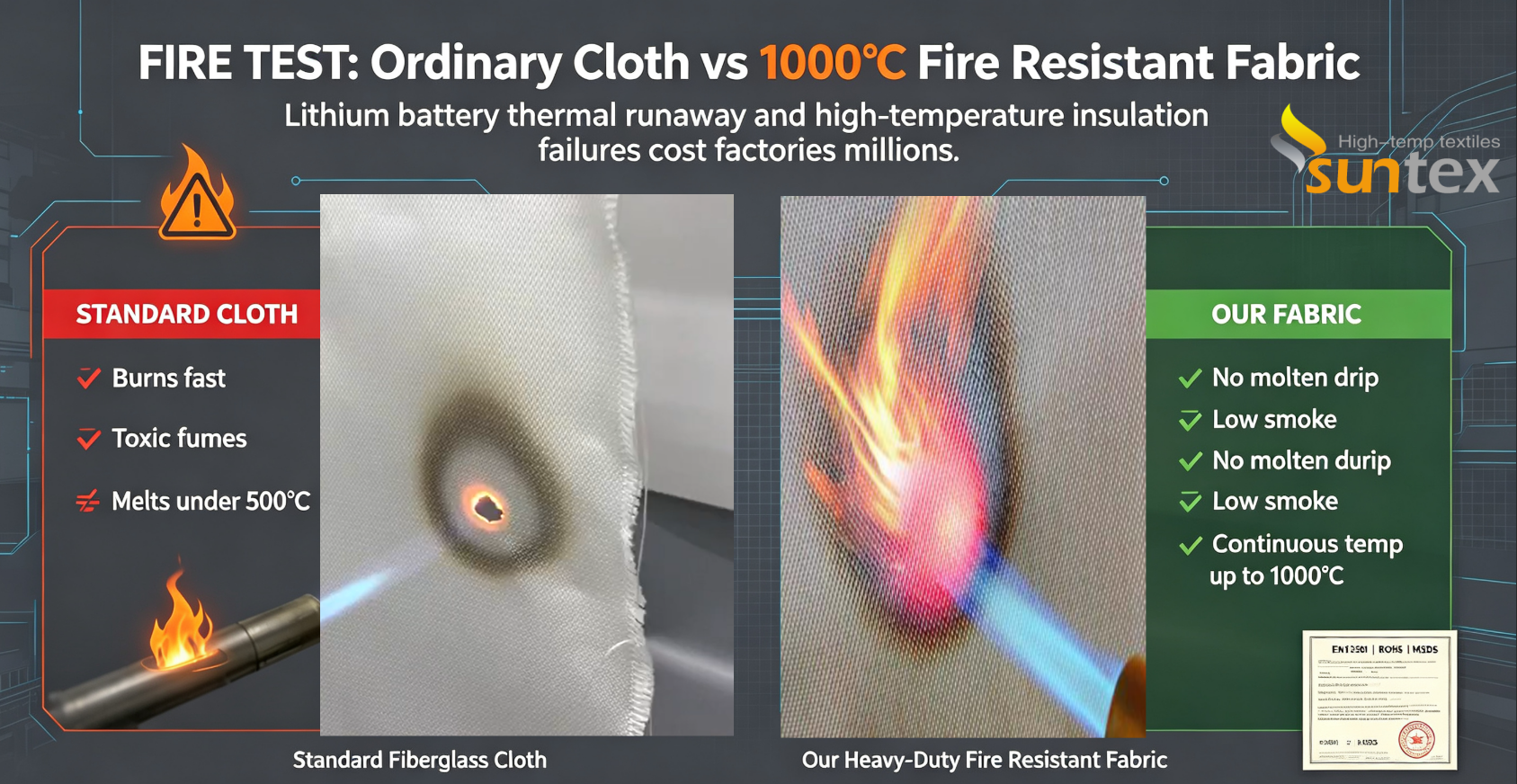
The Hidden Cost of Inferior Thermal Insulation Lithium battery thermal runaway and industrial high-temperature insulation failures frequently trigger factory fires, unplanned shutdowns and massive economic losses. Most of these accidents stem from low-performance standard insulation materials, rather than major equipment faults. Substandard fiberglass cloth fails under high heat, accelerating fire spread and causing costly industrial […]


 English
 Arabic
 Dutch
Dutch French
 German
 Italian
 Polish
 Portuguese
 Russian
 Spanish